
Walk into any pharmacy and you’ll find an entire aisle devoted to little bottles promising better health, one pill at a time. It’s a habit millions of people have built into their morning routine without ever really questioning whether it works. The science on that question has gotten a lot clearer in the past couple of years, and the answer might surprise you.
Recent large scale research has quietly upended what many assumed was a harmless, even helpful, daily ritual. Before tossing your supplement bottle, though, it helps to understand exactly what the studies found, and what your body actually needs from food instead.
The landmark study that changed the conversation
The landmark study that changed the conversation (Image Credits: Unsplash)
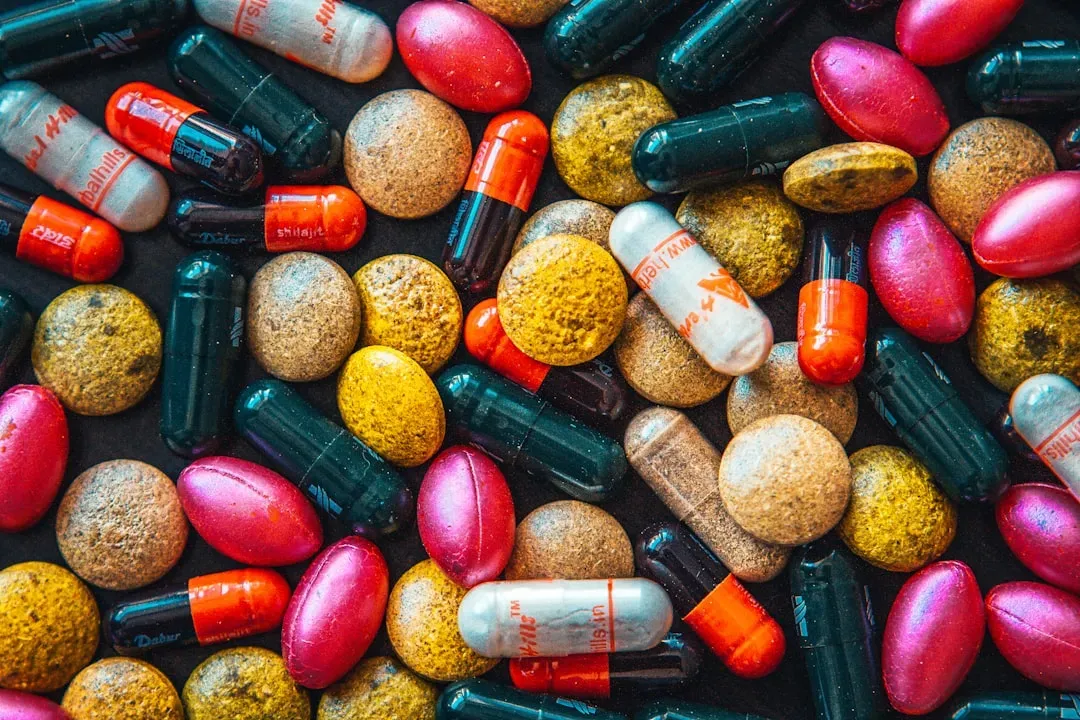
In June 2024, researchers from the National Cancer Institute published findings that sent ripples through the wellness world. A large analysis of data from nearly 400,000 healthy U.S. adults followed for more than 20 years found no association between regular multivitamin use and lower risk of death. This wasn't a small or short term study either.
The researchers combined data from three separate long running cohorts, giving the findings unusual weight. Participants were adults without a history of cancer or other chronic diseases who took part in the National Institutes of Health-AARP Diet and Health Study with 327,732 participants, the Prostate, Lung, Colorectal, and Ovarian Cancer Screening Trial with 42,732 participants, or the Agricultural Health Study with 19,660 participants. The analysis showed that people who took daily multivitamins did not have a lower risk of death from any cause than people who took no multivitamins, and there were also no differences in mortality from cancer, heart disease, or cerebrovascular diseases.
What government health experts actually recommend
What government health experts actually recommend (Image Credits: Pexels)
It's not just one study raising eyebrows. The U.S. Preventive Services Task Force, the body that sets national screening and prevention guidelines, took a hard look at the evidence back in 2022 and reached a fairly blunt conclusion.
The USPSTF concluded that the evidence is insufficient to determine the balance of benefits and harms of supplementation with multivitamins for the prevention of cardiovascular disease or cancer, since evidence is lacking and the balance of benefits and harms cannot be determined. Even more notably, the task force recommended against using beta carotene or vitamin E supplements for cardiovascular disease or cancer prevention, a "D" recommendation, meaning there's actual evidence those specific supplements could cause harm rather than simply doing nothing.
Millions of people still swear by the daily pill
Millions of people still swear by the daily pill (Image Credits: Pexels)
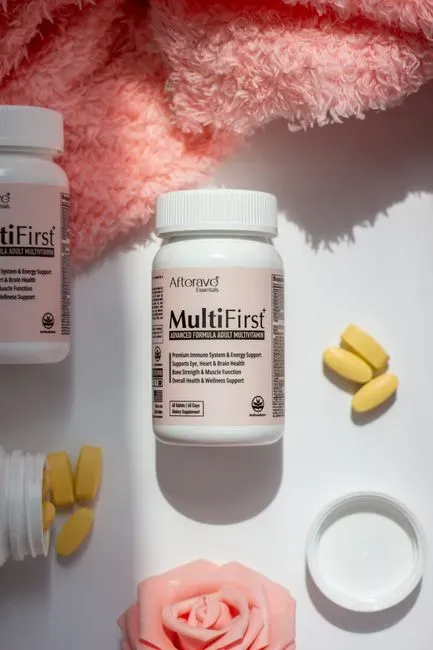
Despite the underwhelming evidence, multivitamin use hasn't budged much. Despite declining trends, multivitamins remain prevalent, as 1 in 3 US adults take them to prevent chronic disease and improve health. That's a striking gap between what the science shows and what people actually believe about the little bottle on their kitchen counter.
Part of the disconnect comes down to psychology rather than biochemistry. Multivitamin users may be more health-conscious, leading to healthier diets, increased physical activity, and other habits that researchers have to carefully separate out from the pill itself. In other words, the vitamin might get credit for good habits it never actually caused.
Not every supplement claim is created equal
Not every supplement claim is created equal (Image Credits: Unsplash)
None of this means all supplementation is pointless. Some specific nutrients, taken for specific reasons, do have real backing.
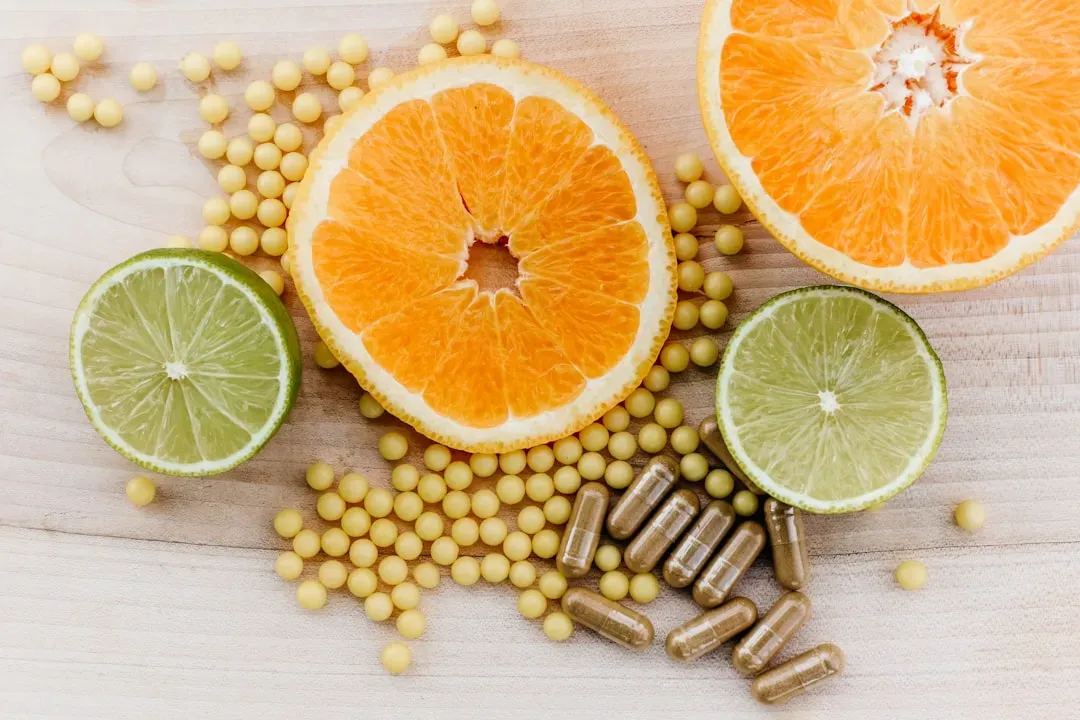
Beta-carotene, vitamins C and E, and zinc can slow age-related macular degeneration, and folic acid intake for women planning to conceive can prevent neural tube defects in unborn children. Those are narrow, well documented exceptions rather than a blanket endorsement of the one a day multivitamin sitting in most medicine cabinets. The distinction matters because it's easy to lump every supplement into one category when the evidence actually varies wildly by nutrient and by person.
Why isolated nutrients behave differently than food nutrients

Why isolated nutrients behave differently than food nutrients (Image Credits: Unsplash)
One theory researchers keep circling back to is that vitamins in a pill just don't behave the same way as vitamins wrapped inside actual food. Whole foods deliver nutrients alongside fiber, water, and hundreds of other plant compounds that seem to work together rather than in isolation.
A single orange contains vitamin C, sure, but it also delivers flavonoids, pectin, and potassium that a vitamin C tablet simply doesn't replicate. Scientists call this the food synergy effect, and it may explain why studies on isolated supplements keep coming up flat while diets rich in fruits and vegetables consistently show benefits. The body may absorb and use nutrients more efficiently when they arrive as part of a complex food matrix rather than a stripped down capsule.
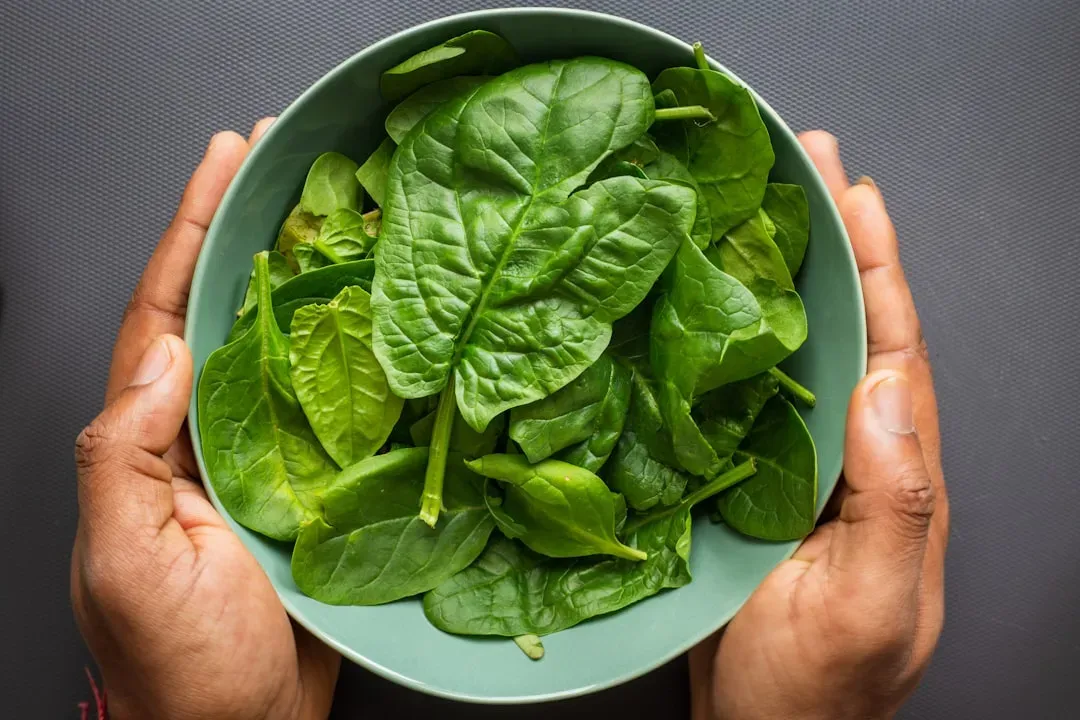
Leafy greens for vitamin K, folate, and iron
Leafy greens for vitamin K, folate, and iron (Image Credits: Unsplash)
Spinach, kale, and Swiss chard are about as close as food gets to a natural multivitamin. A single cup of cooked spinach delivers a hefty dose of vitamin K, a good chunk of daily folate, and meaningful iron, all wrapped in a food that also feeds beneficial gut bacteria through its fiber content.
These greens are cheap, widely available, and versatile enough to toss into almost anything, from smoothies to soups to a quick sauté with garlic. Unlike a supplement pill, they also come with almost no risk of overdoing it, since it's genuinely hard to eat your way into a vitamin K toxicity problem through salad alone.
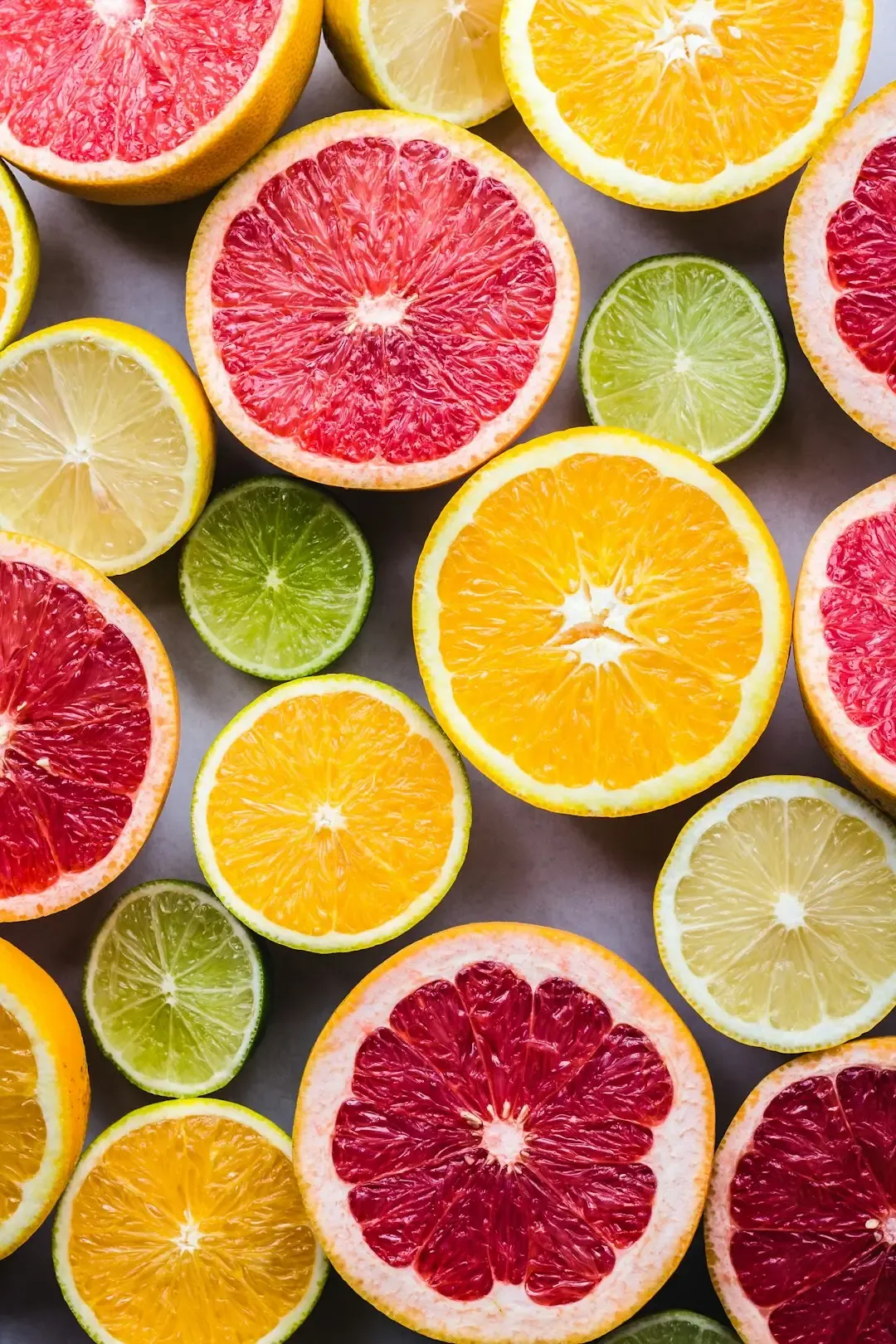
Citrus fruits and vitamin C
Citrus fruits and vitamin C (Image Credits: Unsplash)
Oranges, grapefruits, and lemons remain the classic vitamin C source for good reason. A single medium orange typically covers most of an adult's daily vitamin C need, and it does so alongside soluble fiber that helps regulate blood sugar and digestion.
Bell peppers, interestingly, often outperform citrus on a gram for gram basis, particularly red and yellow varieties. Either way, getting vitamin C from produce means you're also picking up antioxidant compounds that work alongside the vitamin rather than a synthetic version manufactured in a lab, which some research suggests the body may process somewhat differently.
Fatty fish for vitamin D and omega-3s

Fatty fish for vitamin D and omega-3s (Image Credits: Unsplash)
Vitamin D deficiency is genuinely common, especially in northern climates or among people who spend most of their time indoors, so this is one area where food alone sometimes isn't enough. Salmon, mackerel, and sardines stand out as some of the few natural food sources that deliver meaningful vitamin D along with omega-3 fatty acids that support heart and brain health.
Two servings of fatty fish a week is a benchmark many nutrition guidelines still point to, and it's a habit that does double duty by covering both nutrients at once. For people who don't eat fish regularly, a targeted vitamin D supplement based on an actual blood test result is a very different proposition than a scattershot multivitamin, since it addresses a measurable, specific gap rather than guessing.
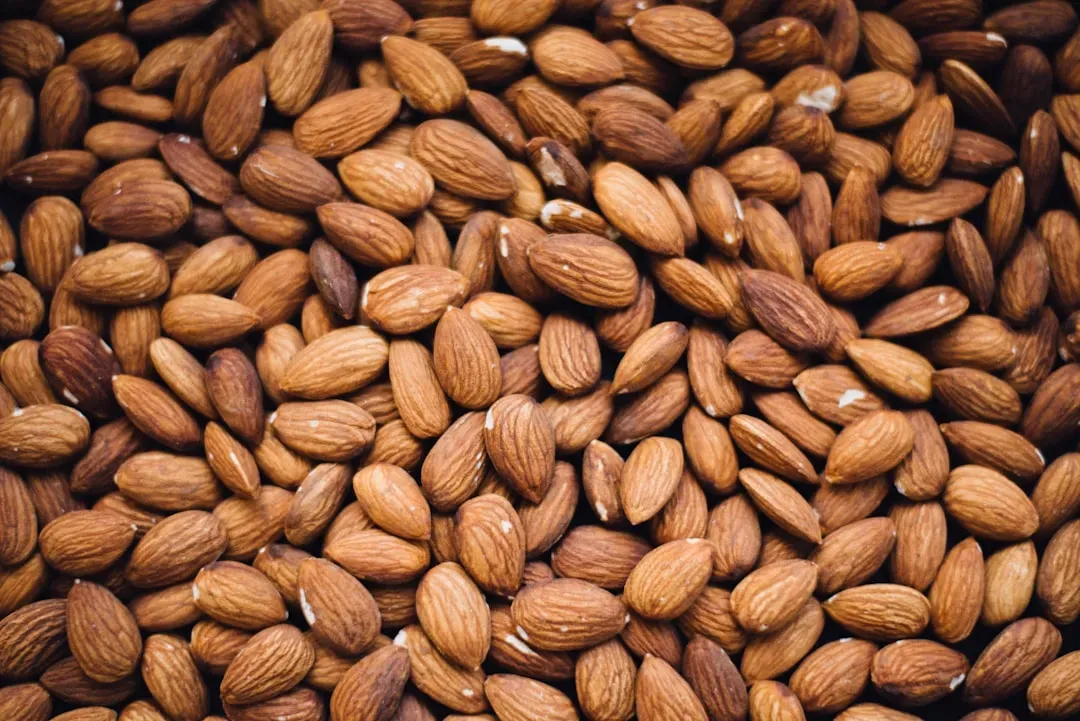
Nuts and seeds for vitamin E and magnesium
Nuts and seeds for vitamin E and magnesium (Image Credits: Unsplash)
Almonds, sunflower seeds, and pumpkin seeds pack a surprising amount of vitamin E and magnesium into a small handful. Unlike the isolated vitamin E supplements the USPSTF specifically flagged as unhelpful or potentially harmful for disease prevention, the vitamin E found naturally in nuts arrives bundled with healthy fats and plant sterols that appear to support cardiovascular health.
Magnesium deserves particular attention here too, since it's a mineral tied to everything from muscle function to sleep quality, and a lot of adults fall short on it without realizing. A small daily serving of mixed nuts or seeds is an easy, low effort way to close that gap without reaching for a supplement bottle at all.
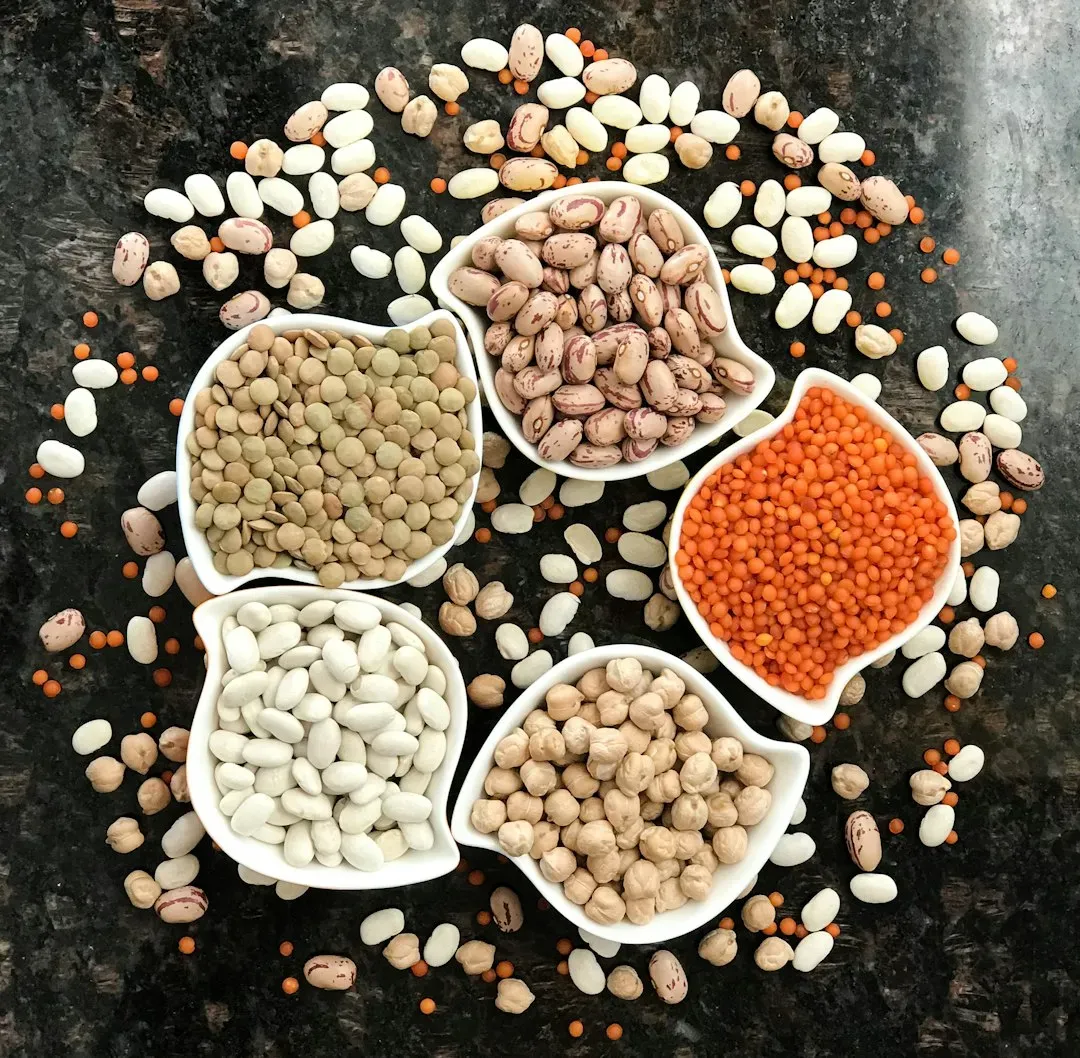
Legumes and whole grains for B vitamins
Legumes and whole grains for B vitamins (Image Credits: Unsplash)
Lentils, chickpeas, black beans, and whole grains like oats and brown rice are underrated sources of B vitamins, particularly folate, niacin, and B6. These foods also bring plant based protein and slow digesting carbohydrates to the table, making them a more complete nutritional package than a B complex tablet.
For vegetarians and vegans, B12 is the one true exception worth flagging, since it's found almost exclusively in animal products and fortified foods. That's a case where a targeted supplement genuinely makes sense, rather than a broad multivitamin that scatters small amounts of everything without addressing the specific gap that plant based eaters actually face.
Dairy, eggs, and mushrooms for calcium and vitamin D

Dairy, eggs, and mushrooms for calcium and vitamin D (Image Credits: Pexels)
Calcium gets most of its attention from milk and cheese, but fortified plant milks, yogurt, and leafy greens like collards also contribute meaningfully. Eggs, meanwhile, are one of the few whole foods that naturally contain vitamin D, concentrated mostly in the yolk.
Mushrooms deserve a mention too, since certain varieties exposed to UV light during growing can pack a surprising amount of vitamin D, making them a useful option for people avoiding animal products. Building meals around these foods regularly tends to do more for bone health over time than relying on a supplement that research suggests may not move the needle much on its own.
The takeaway on pills versus plates
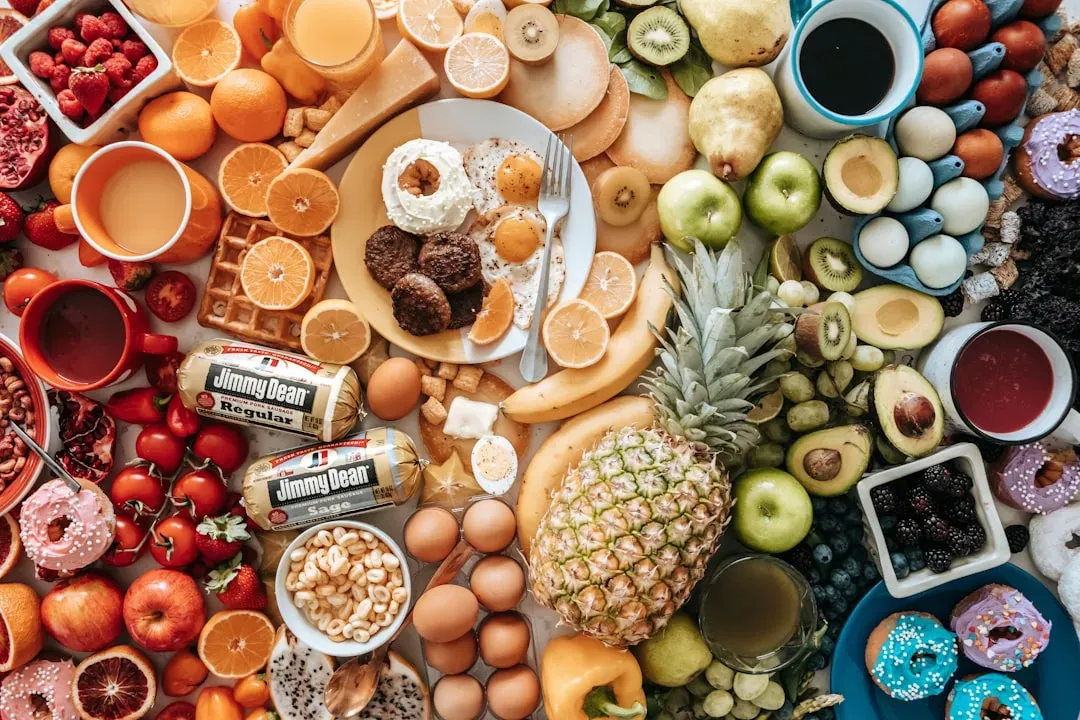
The takeaway on pills versus plates (Image Credits: Unsplash)
The evidence from recent years points in a fairly consistent direction: for most healthy adults without a diagnosed deficiency, a daily multivitamin is unlikely to extend life or meaningfully prevent chronic disease. That doesn't mean vitamins and minerals don't matter, quite the opposite. It simply means the source matters more than most people have been led to believe.
Food delivers nutrients in a form the body seems built to use well, wrapped in fiber, water, and countless supporting compounds that no capsule has managed to replicate. For anyone with a confirmed deficiency, pregnancy plans, or a diet that genuinely lacks variety, a targeted supplement still has its place. For everyone else, the better investment might just be a grocery cart filled with greens, citrus, fish, nuts, and whole grains rather than another bottle destined for the back of the medicine cabinet.