
Living with someone else means constant small negotiations, whose turn it is to buy toilet paper, who left dishes in the sink for the third day running, whose music is too loud at midnight. Most roommate friction sorts itself out with a conversation or two. But sometimes the problem runs deeper than mismatched schedules or different cleaning standards. It shows up as a pattern, a consistent disregard for the fact that shared space requires shared effort, and once you notice it, you start seeing it everywhere.
They treat common areas like private storage

They treat common areas like private storage (Image Credits: Unsplash)
The kitchen counter disappears under their mail, their gym bag lives permanently by the couch, and somehow their laundry basket has colonized the hallway. This isn’t about one messy week. It’s a steady creep where personal belongings expand to fill whatever space isn’t actively defended.
Shared living spaces work on an unspoken agreement that common areas stay, well, common. When one person consistently ignores that boundary, the other roommate ends up doing the mental math every single day just to walk through the living room without tripping over something.
Dishes and messes are always somebody else's problem

Dishes and messes are always somebody else's problem (Image Credits: Unsplash)
A sink full of dirty dishes sitting for days isn’t just unpleasant, it’s a small but telling signal about how someone views communal responsibility. If the pattern is that dishes only get washed when the other roommate finally gives in and does them, that’s not an accident. It’s a system working exactly as one person intended.
The same logic applies to countertops, stovetops, and shared appliances left crusted with last night’s dinner. Cleaning supplies get used up and never replaced, trash bags aren’t tied off, and somehow the burden of noticing always falls on the same person. Over time, that imbalance breeds quiet resentment even if nobody says a word about it.
Noise happens on their schedule, not a shared one

Noise happens on their schedule, not a shared one (Image Credits: Pexels)
Thin walls and open floor plans mean noise travels, and reasonable roommates adjust volume and timing with that in mind. A roommate who doesn’t respect shared space tends to play music loudly at odd hours, take calls on speakerphone in common areas, or host guests without a heads up regardless of what time it is or who else lives there.
It isn’t that every noise needs to be silenced. It’s that awareness of other people in the home should factor into decisions at all. When someone consistently acts as if they’re the only one who lives there, the apartment starts to feel less like a shared home and more like a place one person tolerates the other in.
Guests show up without warning or agreement

Guests show up without warning or agreement (Image Credits: Unsplash)
Bringing friends over occasionally is normal roommate behavior. Bringing friends over constantly, letting a partner stay for extended stretches without discussing it, or inviting people to use shared amenities like a washer, kitchen, or bathroom without checking in first is a different matter entirely.
This pattern often escalates gradually. What starts as one unannounced guest becomes a revolving door of people the other roommate never agreed to share space with, using shared resources and sometimes even shared costs like water or electricity that nobody budgeted for together.
Borrowed items rarely come back, or come back damaged
Borrowed items rarely come back, or come back damaged (Image Credits: Unsplash)
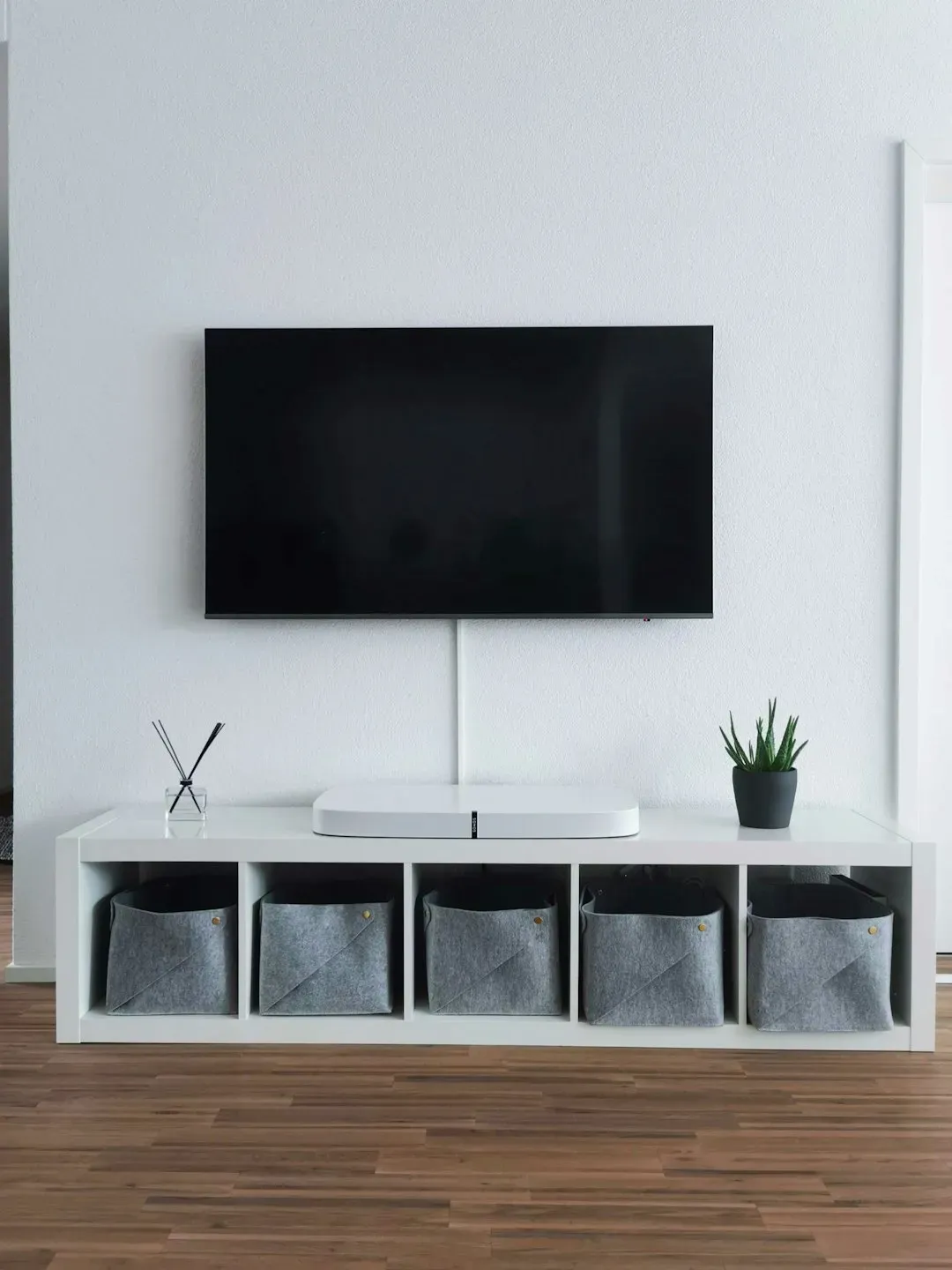
Shared spaces often mean some overlap in belongings, a shared TV, kitchen equipment, sometimes even each other’s food or supplies in a pinch. A roommate who respects boundaries asks first and replaces what they use. One who doesn’t treats shared or even personal items as fair game without asking, and returns them late, damaged, or not at all.
This goes beyond simple carelessness. It reflects an assumption that what’s yours is available to them by default, while what’s theirs stays firmly off limits. That asymmetry tends to show up in more than just borrowed items, it often mirrors how other responsibilities get divided in the household too.
They ignore agreements the two of you already made

They ignore agreements the two of you already made (Image Credits: Pexels)
Most roommate situations run smoother with some basic ground rules, a chore schedule, quiet hours, a system for splitting bills or restocking shared supplies. A roommate who consistently breaks these agreements, and shows little concern when confronted about it, is signaling that the rules only apply when convenient for them.
This is often the clearest sign of the underlying issue. It’s not that mistakes happen sometimes, everyone forgets to take out the trash occasionally. It’s that when patterns repeat despite direct conversations, the disrespect isn’t accidental, it’s a demonstrated lack of interest in maintaining a fair, functional shared living arrangement.
Recognizing these patterns is the first step toward addressing them, whether that means a direct conversation, a written roommate agreement, or in some cases, deciding the living situation simply isn’t sustainable long term. Shared space works best when both people treat it as genuinely shared, not as one person’s territory the other happens to occupy too.