
I typed a simple question into ChatGPT: which states actually offer a realistic shot at buying a home without draining a paycheck for the next thirty years. The answer came back fast and confident, the way these tools usually do, listing states most people rarely mention in the same breath as "great place to buy a house."
What surprised me wasn't the list itself, since places like West Virginia and Mississippi show up in almost every affordability ranking these days. It was the fine print underneath the sticker prices, the property tax quirks, insurance spikes, and income gaps that don't show up until you actually run the numbers on a specific address.
West Virginia tops the list, but the math has layers

West Virginia tops the list, but the math has layers (Image Credits: Pexels)
West Virginia consistently ranks as the cheapest place in the country to buy a house, and the numbers back that up. The median home price sits at $225,506, with a median monthly mortgage payment of $871, a cost of living index of 84.1 (15.9% below the national average), a median household income of $57,917, annual property taxes of $835, an effective property tax rate of 0.54%, and average annual homeowners insurance of $1,911.
That combination of a low price and low ongoing costs is rare. But the state’s median income also sits well below the national figure, which means the “cheap house” and the “cheap paycheck” tend to travel together. A buyer relocating from a higher wage market may find the math works beautifully, while a longtime resident stuck on local wages may still feel squeezed.
Mississippi leads the nation in overall affordability
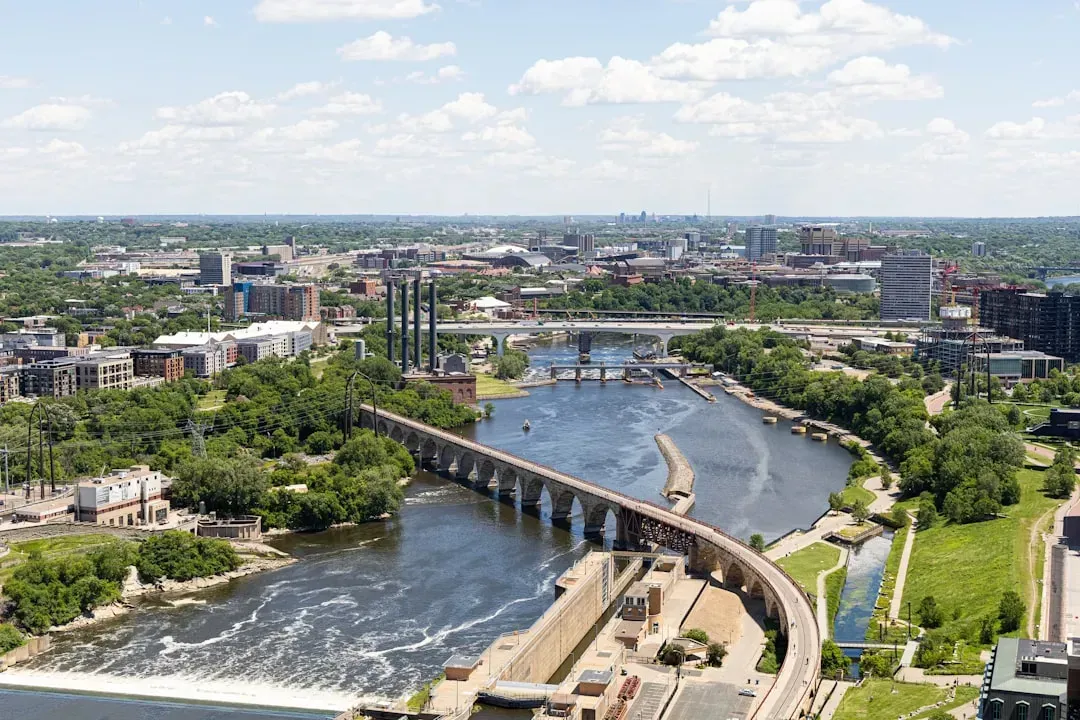
Mississippi leads the nation in overall affordability (Image Credits: Unsplash)
Mississippi doesn’t just have cheap homes, it scores as the most affordable state to live in overall. Mississippi is the most affordable state to live in 2026 with a housing score of 93.9 out of 100, followed by Arkansas at 92.6, Oklahoma at 90.8, Louisiana at 90.8, and Kentucky at 87.6.
That score blends home prices with groceries, utilities, and childcare, not just the mortgage payment. It’s a fuller picture than most “cheapest states” lists offer. The catch, as with West Virginia, is that low costs and low wages tend to move together, so the affordability advantage can shrink once you factor in job opportunities.
Arkansas edges out its neighbors on transfer costs

Arkansas edges out its neighbors on transfer costs (Image Credits: Unsplash)
Arkansas frequently trades places with Kentucky and Oklahoma near the top of these rankings, and the differences between them come down to details buyers rarely check in advance. Kentucky reached a $271,000 median home price in 2026, still one of the cheapest states to buy a home, narrowly exceeding that of Arkansas, though the real estate transfer tax rates differ, at 0.33% for Arkansas and just 0.1% for Kentucky.
A slightly cheaper transfer tax doesn’t sound like much until it’s applied to a home purchase. On a median priced home, that fraction of a percent can shift the closing costs by a few hundred dollars either way. It’s a small line item that ChatGPT’s initial answer glossed over entirely, focusing instead on the headline price.
Oklahoma pairs low prices with a diversifying economy

Oklahoma pairs low prices with a diversifying economy (Image Credits: Unsplash)
Oklahoma tied with West Virginia as the fourth cheapest state to buy a home in 2026, and unlike some of the other states on this list, its economic story looks a bit more dynamic. Oklahoma’s projected median home price of $244,000 makes it a fantastic option for those seeking affordability and a booming economy that’s diversifying rapidly, with significant growth in energy, aerospace, and technology, and cities like Oklahoma City and Tulsa seeing exciting development.
That growth matters because affordability without opportunity is a trap. A cheap house in a town with no jobs isn’t really a bargain, it’s a holding pattern. Oklahoma’s mix of low prices and expanding industries is part of why it keeps appearing near the top of these lists year after year.
Iowa claims the single lowest price tag in some 2026 rankings
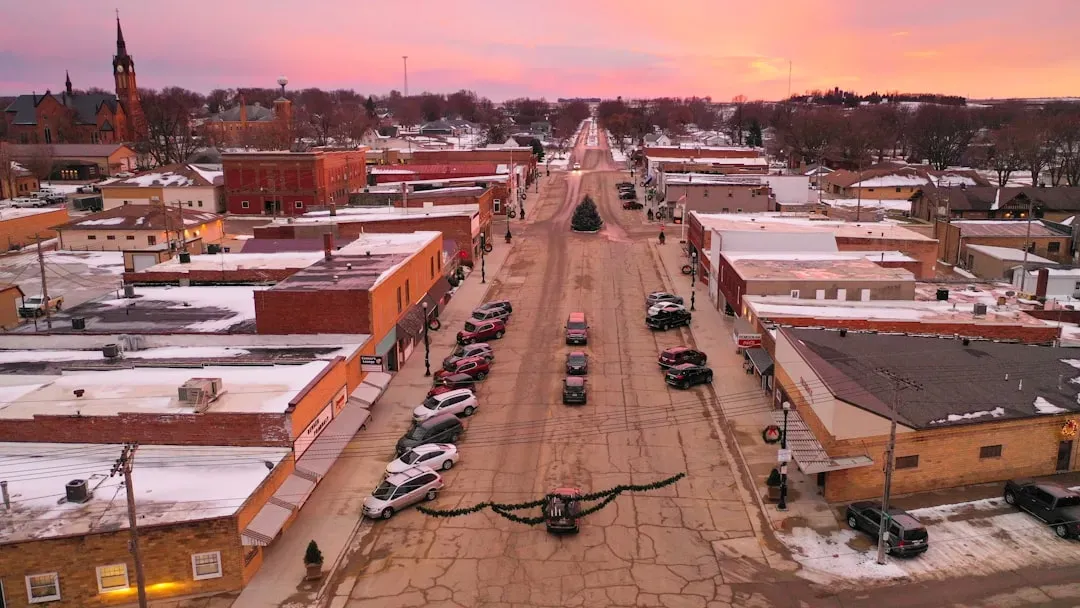
Iowa claims the single lowest price tag in some 2026 rankings (Image Credits: Unsplash)
Depending on which data source ChatGPT pulled from, Iowa sometimes edges out even West Virginia for the outright lowest median price. The approximate median home price sits around $228,000, with 11,269 homes for sale and a one-year value change of plus 3.7%, and in 2026, Iowa earned the top spot as the cheapest state to buy a house.
Here’s where the alarm bells start ringing a little louder. Iowa and Kansas have low home prices but above-average property tax rates of 1.3% to 1.5%, which can add $2,500 to $3,000 a year on a median-priced home. That’s the kind of detail a chatbot summary skips right past, but it changes the real monthly cost of ownership significantly.
Kentucky's low transfer tax comes with a geographic catch
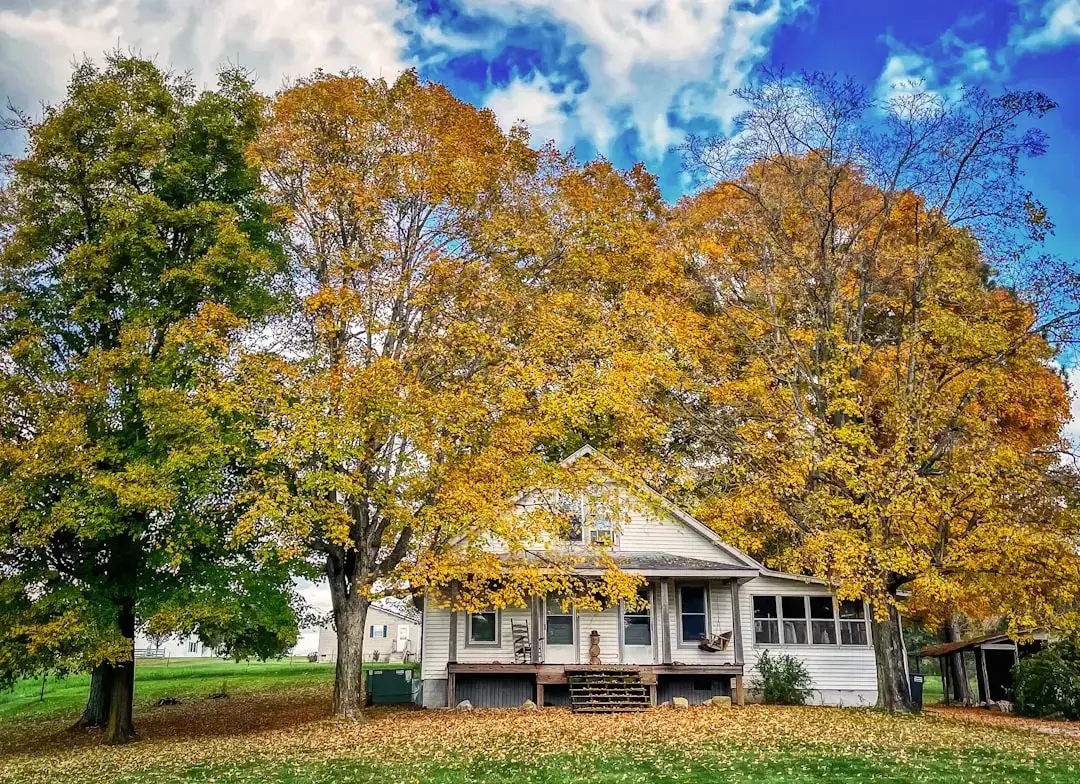
Kentucky's low transfer tax comes with a geographic catch (Image Credits: Unsplash)
Kentucky’s numbers look solid on paper. The median home price sits at $269,938, with a median monthly mortgage payment of $932, a cost of living index of 93 (7% below the national average), a median household income of $62,417, annual property taxes of $1,472, an effective property tax rate of 0.77%, and average annual homeowners insurance of $3,326.
The insurance figure stands out compared to some of its Midwest neighbors, and the job growth isn’t spread evenly across the state either. Kentucky is experiencing positive migration inflow, but much of this, along with economic opportunities, is concentrated in the Louisville and Lexington metros. Buy outside those two areas and the affordability picture can shift depending on local employment.
Missouri offers zero transfer tax but a fast-rising price
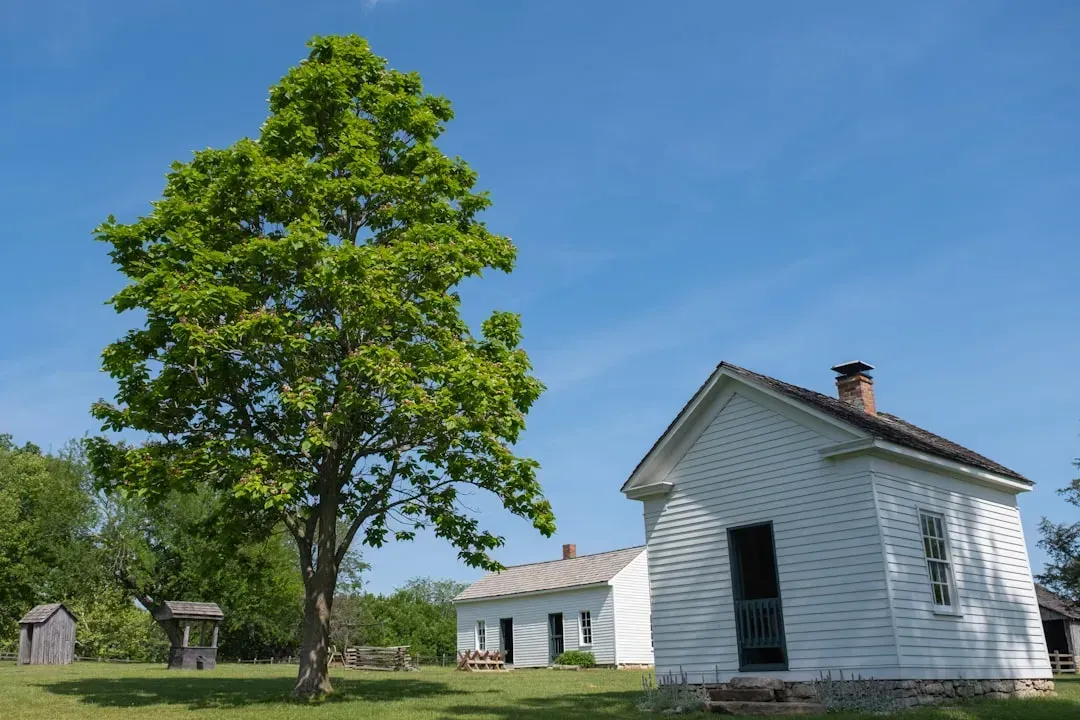
Missouri offers zero transfer tax but a fast-rising price (Image Credits: Unsplash)
Missouri rounds out several of these “cheapest states” lists, and it comes with one clear financial perk. Missouri’s median sale price reached $274,000, only $3,000 higher than Kentucky, while the state’s estate transfer taxes remain at 0%, an important factor for would-be homebuyers.
That zero percent transfer tax is genuinely rare among U.S. states and worth factoring into any relocation decision. Still, the price isn’t standing still. This was the result of a $24,000 year-over-year gain, the largest increase among the ten best-priced states for homebuyers. A market moving that quickly can close its affordability window faster than buyers expect.
Indiana surprises with the top overall affordability score
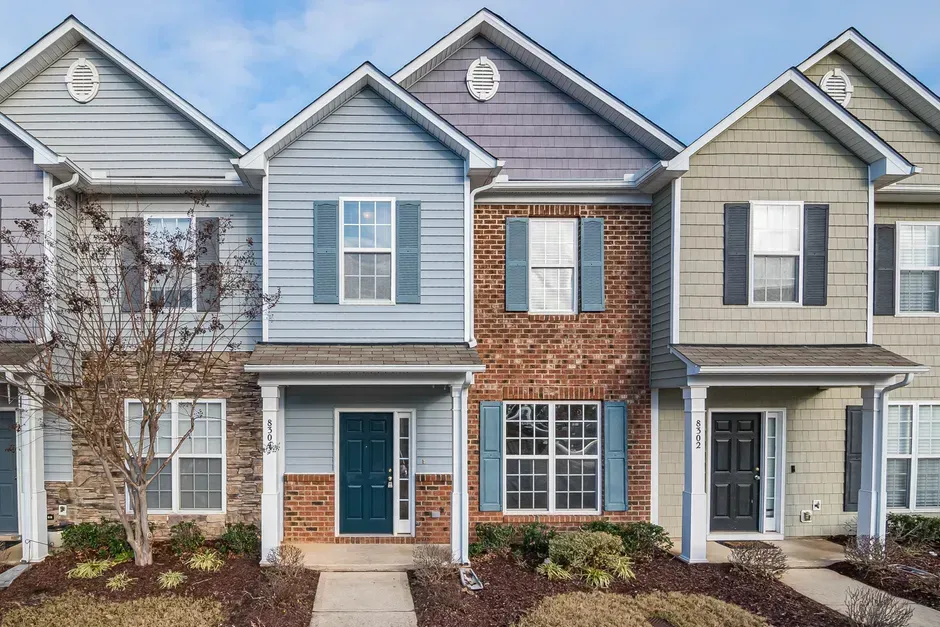
Indiana surprises with the top overall affordability score (Image Credits: Pexels)
Of everything ChatGPT surfaced, Indiana’s ranking was the one that genuinely caught me off guard. Indiana earned the top spot in the 2026 rankings with an overall score of 76.3 out of 100 and a straight A grade, with a median priced home running $295,810 and a household earning the state’s median income of $71,469 needing to devote roughly 28% of that income to cover the cost, a figure that sits safely below the 30% threshold housing economists generally treat as the dividing line between affordable and burdensome.
That 30 percent threshold is the number economists actually use to define a “burdened” household, so Indiana clearing it comfortably is a meaningful signal. The market isn’t sitting idle either. Redfin data from May 2026 show a median sale price of $351,716, with prices rising just 1.7% year over year and homes sitting on the market for a median of 76 days, up five days from the prior year.
Alabama pairs the lowest tax rate with real job growth

Alabama pairs the lowest tax rate with real job growth (Image Credits: Unsplash)
Alabama has quietly become one of the more balanced options on this kind of list. Alabama’s median home price is $194,695, and it has the second lowest state property tax rate at 0.42%, meaning homeowners pay only about $818 in state property taxes per year, with a homeownership rate of 71.5%.
What makes Alabama different from a pure “cheap house” story is the job pull behind it. Buyers have relocated to Alabama, particularly Huntsville, attracted by job opportunities in the aerospace and defense industries combined with genuinely affordable housing. Population growth has followed, with smaller cities picking up much of that momentum. Alabama has fallen from its longtime top spot as home prices appreciated, likely influenced by population growth now at nearly 0.6%, with smaller cities such as Athens and Foley experiencing the fastest growth in recent years, though larger cities like Huntsville and Tuscaloosa also see a net inflow of residents.
The regional pattern ChatGPT's list quietly confirms

The regional pattern ChatGPT's list quietly confirms (Image Credits: Pexels)
Step back from the individual states and a clear geographic pattern emerges, one that ChatGPT’s answer reflected even if it didn’t spell it out directly. The South dominates this space, with seven of the top ten most affordable states located there, including Mississippi, Arkansas, Oklahoma, Louisiana, Kentucky, West Virginia, and Alabama leading the way for the region. The Midwest fills in most of the rest.
The flip side of that pattern is just as telling. The nation’s housing divide is becoming increasingly regional, with every state receiving an A or B grade located in either the South or Midwest. That leaves large stretches of the coasts, particularly the Northeast and West, almost entirely out of the affordable homeownership conversation right now.
Why the "alarming" part isn't the prices themselves

Why the "alarming" part isn't the prices themselves (Image Credits: Pexels)
None of these nine states are secret. Real estate sites and cost of living trackers have been pointing to the same cluster of Southern and Midwestern states for a while now. What’s a little unsettling is how much a quick AI answer leaves out unless you push it for specifics.
Low cost of living often correlates with lower incomes, fewer job opportunities, and less access to amenities. That single sentence probably deserves more attention than most “cheapest states” headlines give it. A house that costs less doesn’t automatically mean a life that costs less, especially if wages, insurance premiums, or property tax quirks eat into the savings once you actually move.
What this means for anyone actually house hunting

What this means for anyone actually house hunting (Image Credits: Pexels)
The nine states above are a reasonable starting point, not a finish line. Median prices tell you where to look, but they don't tell you about the specific neighborhood, the local job market, or how much homeowners insurance has climbed in that particular county over the past year or two.
Before treating any AI generated list as gospel, it's worth cross checking the property tax rate, the insurance climate, and the income data for the specific metro area in question. The states on this list earned their spots for real reasons. Just don't skip the fine print that comes with them.