
Getting a child to bed without a battle can feel like winning a small nightly lottery. Yet pediatric sleep researchers have found that certain routines work far better than others, not because they're strict, but because they turn the last hour of the day into something kids actually look forward to. The following ten approaches blend comfort, predictability, and just enough fun to make lights out feel like a reward instead of a punishment.
1. The Warm Bath and Dim Light Wind Down

1. The Warm Bath and Dim Light Wind Down (Image Credits: Pexels)
A warm bath roughly thirty to sixty minutes before sleep does more than clean a child up. As the body cools down after leaving the water, it mimics the natural drop in core temperature that signals the brain it’s time to sleep. Pairing this with dimmed household lights afterward reinforces the shift from active daytime mode into a calmer state.
Many parents notice that kids ask for their bath specifically because it feels relaxing, not because it’s required. Adding a few drops of a mild lavender-scented wash or a favorite bath toy gives children something to anticipate rather than resist. The predictability of the same warm water, same towel, same soft light each night builds a sensory cue that says bedtime is coming, without a single word of negotiation needed.
2. Reading Together, Even After Kids Can Read Alone
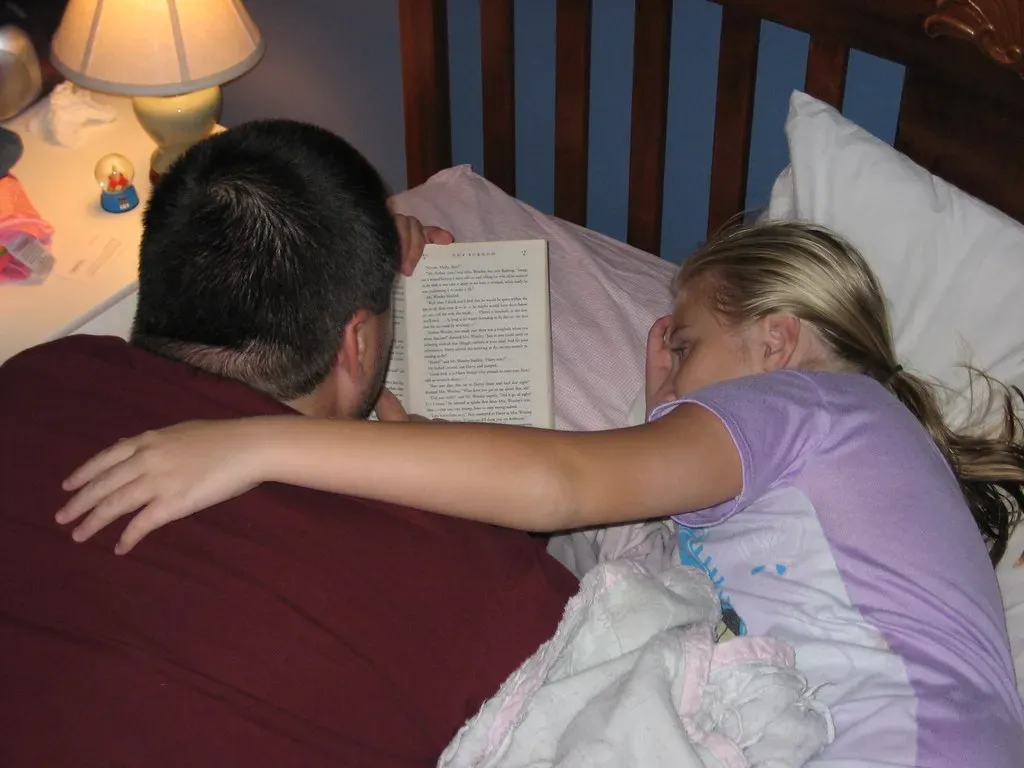
2. Reading Together, Even After Kids Can Read Alone (somegeekintn, Flickr, <a href="https://creativecommons.org/licenses/by/2.0/" target="_blank" rel="noopener">CC BY 2.0</a>)
Shared reading remains one of the most consistently recommended bedtime habits among pediatric sleep specialists, and it works well past the toddler years. Even children who can read independently often ask a parent to sit with them, because the closeness matters as much as the story. This shared time also slows down breathing and heart rate, easing the transition into drowsiness.
Letting a child choose the book, even if it’s the same one for the tenth night in a row, gives them a sense of control that makes bedtime feel less imposed. Some families extend this into short chapter books read in installments, which gives kids something to look forward to the next evening. The anticipation of finding out what happens next can turn a reluctant sleeper into one who’s eager for the routine to begin.
3. A Consistent Two Minute Cuddle or Check In

3. A Consistent Two Minute Cuddle or Check In (Image Credits: Pexels)
A brief, unhurried moment of physical closeness, whether it’s a hug, a back rub, or simply sitting on the edge of the bed, helps release oxytocin, a hormone linked to feelings of safety and calm. This doesn’t need to be long. Even two or three quiet minutes can signal to a child that the day is closing gently rather than abruptly.
Some parents use this time to ask a simple question, like naming one good thing that happened that day. This small ritual gives children emotional closure before sleep, which can reduce nighttime worries or stalling tactics. Kids often remember this moment fondly, which is part of why they don’t want it skipped, even on busy nights.
4. The Same Song or Lullaby Every Single Night
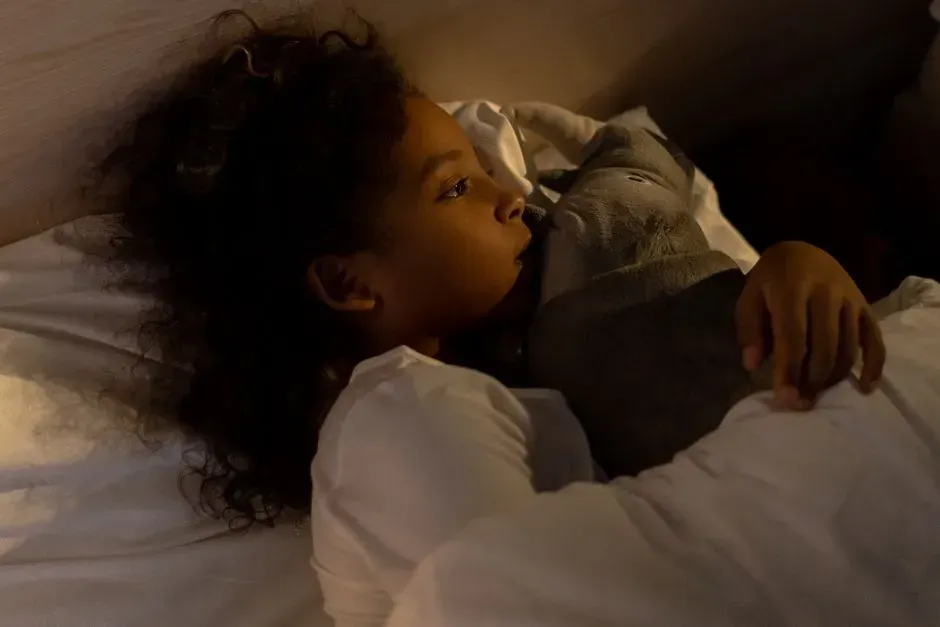
4. The Same Song or Lullaby Every Single Night (Image Credits: Pexels)
Repetition in music serves a real purpose at bedtime. A familiar tune, hummed or sung the exact same way each night, becomes a strong sleep cue that the brain associates with rest. Unlike screens or stimulating games, singing engages a child gently without overstimulating them right before sleep.
Parents who’ve kept a bedtime song going for years often report that older kids still request it, sometimes half-embarrassed but clearly comforted. The predictability is the entire point. When a child can guess exactly what comes next in a routine, that certainty itself becomes soothing, and abandoning it can feel oddly unsettling to them.
5. Dimming Screens at Least an Hour Before Bed
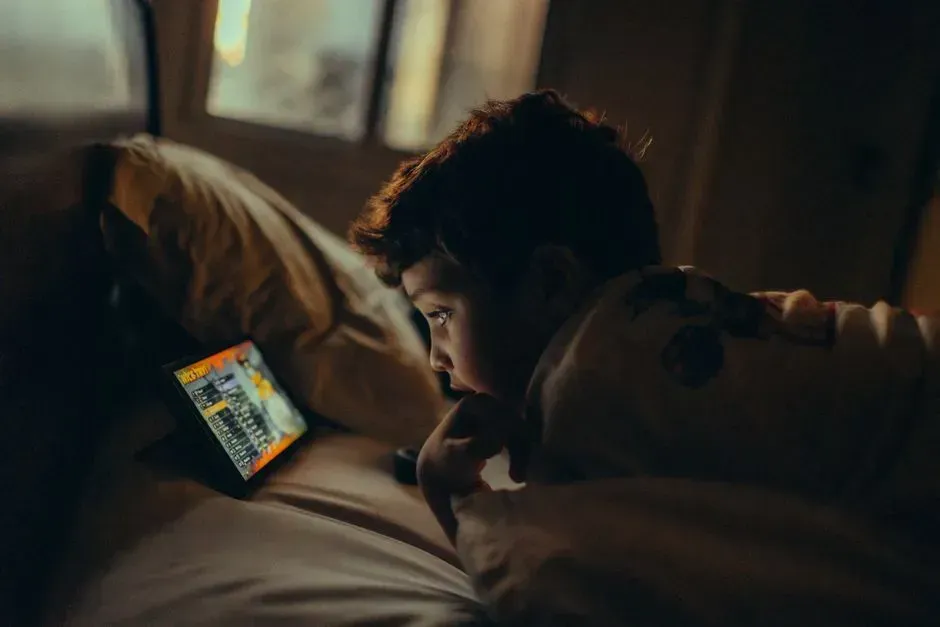
5. Dimming Screens at Least an Hour Before Bed (Image Credits: Pexels)
Blue light from phones, tablets, and televisions suppresses melatonin production, the hormone responsible for triggering sleepiness. Pediatric sleep guidance consistently points to screen-free wind down time as one of the more effective changes families can make. Replacing that hour with low-key activities like puzzles, coloring, or quiet play tends to ease children into a more naturally tired state.
The trick that makes this routine stick isn’t just banning screens, it’s replacing them with something equally engaging. Kids who get a special “screen-free basket” of quiet toys reserved only for bedtime often start asking for it themselves. It becomes less about restriction and more about a private, cozy ritual that belongs only to nighttime.
6. Letting Kids Pick Their Own Pajamas or Sleep Gear

6. Letting Kids Pick Their Own Pajamas or Sleep Gear (Image Credits: Pexels)
Small choices matter enormously to young children, and bedtime is a good place to offer them. Letting a child pick between two pajama sets, choose a specific stuffed animal, or select their pillowcase gives them a sense of agency during a part of the day when they usually have very little control. This tiny decision-making moment can reduce resistance significantly.
Some families rotate a small collection of “special” pajamas tied to certain nights, like dinosaur pajamas only on Fridays. This adds a bit of novelty inside an otherwise repetitive routine, keeping bedtime from feeling monotonous. Kids often talk about which pajamas they’ll wear the next night, which shows they’re already looking forward to the routine rather than dreading it.
7. A Gratitude or "Best Part of the Day" Ritual
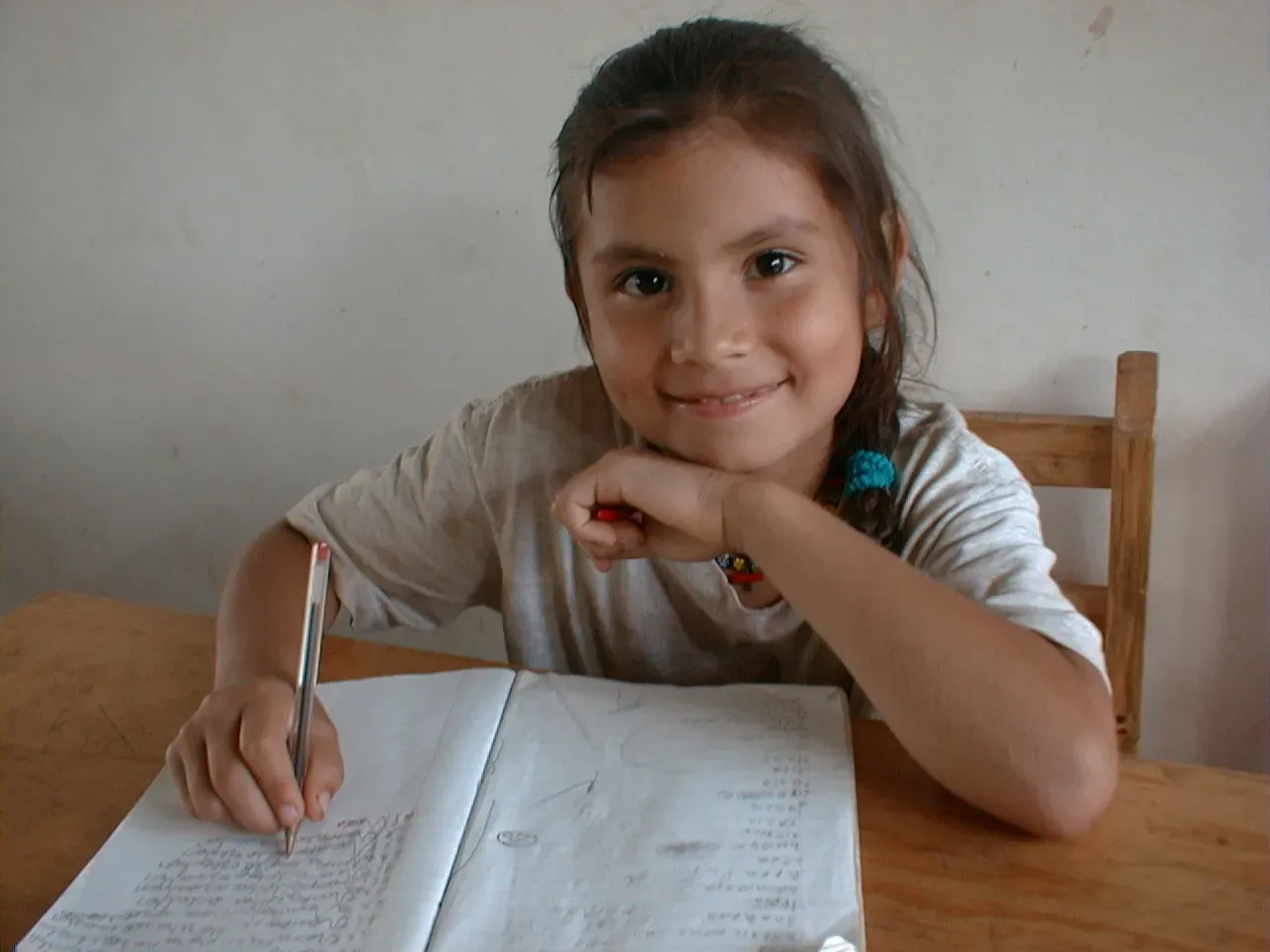
7. A Gratitude or "Best Part of the Day" Ritual (By Zack Clark, <a href="https://commons.wikimedia.org/w/index.php?curid=2776312" target="_blank" rel="noopener">Public domain</a>)
Asking a child to share their favorite moment from the day, right before lights out, does more than fill quiet time. It encourages reflection and helps children process their emotions from the day in a low-pressure setting. Over time, many kids start this conversation on their own, without being prompted.
This small habit also gives parents insight into what’s really going on in a child’s world, information that might not surface during a busy afternoon. Some families keep a small notebook by the bed, jotting down one sentence each night. Looking back at old entries later becomes its own bedtime activity that kids genuinely enjoy revisiting.
8. White Noise or Soft Nature Sounds

8. White Noise or Soft Nature Sounds (By Karnuiloa, <a href="https://commons.wikimedia.org/w/index.php?curid=48904628" target="_blank" rel="noopener">CC BY-SA 4.0</a>)
Consistent background sound, whether it’s a white noise machine, a fan, or recorded rain, helps mask sudden household noises that might otherwise wake a light sleeper. Sleep researchers note that steady, low-frequency sound can also help regulate the nervous system, easing children into deeper rest more quickly. It’s a simple tool, but a remarkably effective one for many households.
What makes this routine something kids actively want is the sense of a personal “sleep environment” that belongs to them. Some children pick their own sound, ocean waves, gentle rain, or a soft hum, and treat it almost like a nightly ritual object. Turning on their sound becomes a signal they control themselves, adding a small layer of independence to the wind-down process.
9. A Predictable Order of Events, Every Night
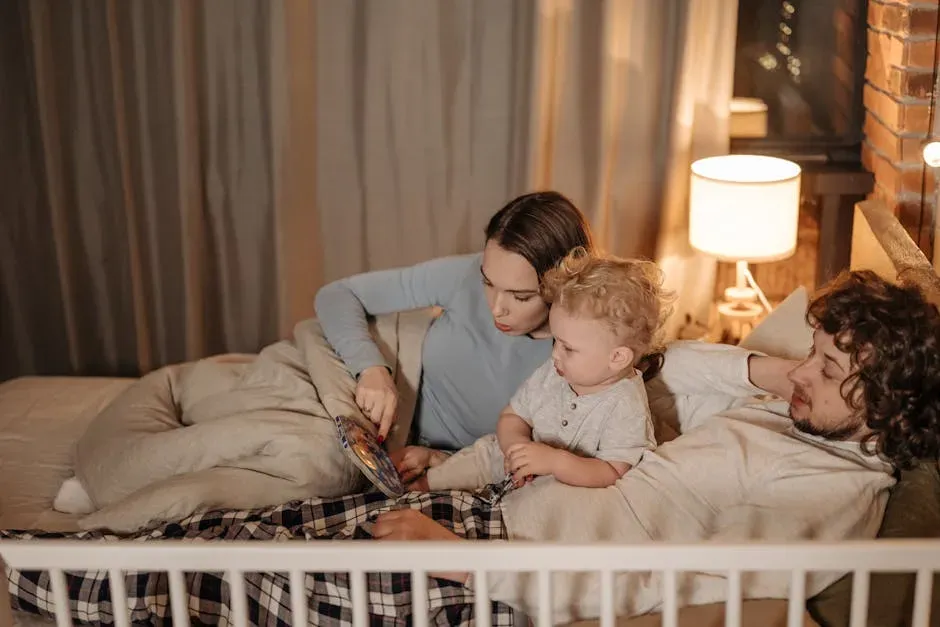
9. A Predictable Order of Events, Every Night (Image Credits: Pexels)
Consistency itself is one of the most powerful tools in a bedtime routine. Sleep specialists frequently point out that children thrive on knowing exactly what comes next, whether that’s bath, then pajamas, then teeth, then story, then lights out. The specific order matters less than the fact that it never changes.
This predictability reduces anxiety and stalling because kids aren’t left guessing what happens next or trying to negotiate around it. Over weeks and months, the sequence becomes almost automatic, something the child’s body expects and settles into with little resistance. Ironically, the very rigidity that some parents worry might feel boring is often what makes kids feel safest, and most willing to cooperate.
10. A Short "Tomorrow" Preview Before Lights Out
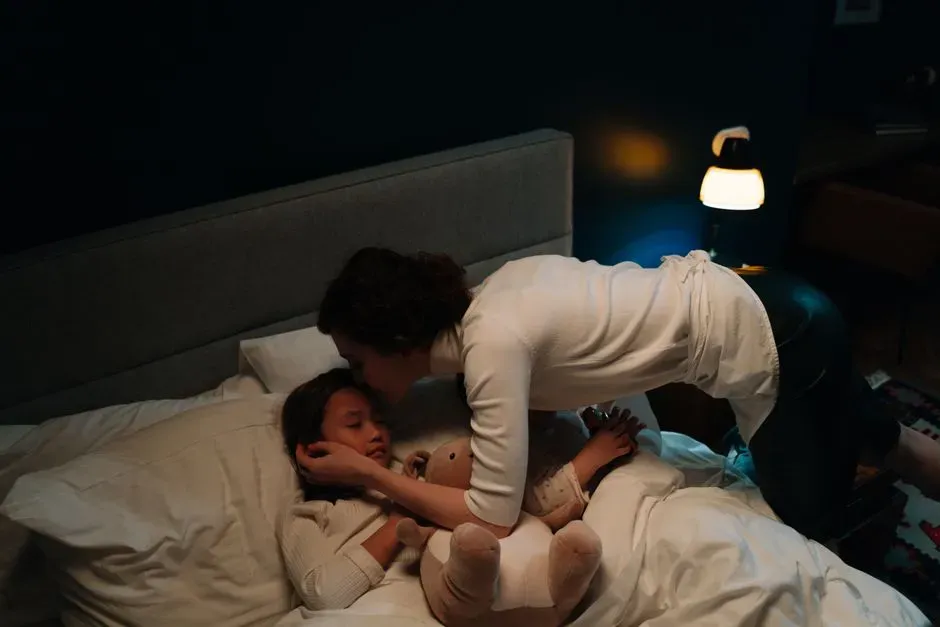
10. A Short "Tomorrow" Preview Before Lights Out (Image Credits: Pexels)
Briefly mentioning something enjoyable planned for the next day, right before sleep, gives children something pleasant to think about as they drift off instead of anxious thoughts about school or unfinished tasks. This can be as simple as mentioning a favorite breakfast or a planned outing. It shifts the mental focus away from stalling tactics and toward anticipation.
Parents who use this consistently often notice fewer requests for “one more thing” after lights are officially out. The preview gives closure to the day while opening a small, comforting window into the next one. It’s a subtle habit, but it reframes bedtime as a bridge to something good rather than simply the end of playtime.