
Europe has never been short on cities that photograph well at sunset, but romance is a trickier thing to measure than a skyline. It has less to do with candlelit menus and more with atmosphere, history, and the small, unplanned moments that happen when a city is built for walking rather than rushing. Some destinations lean into their reputation deliberately, others earned it by accident, through architecture, literature, or geography that just happens to suit couples wandering without a fixed itinerary.
1. Paris, France
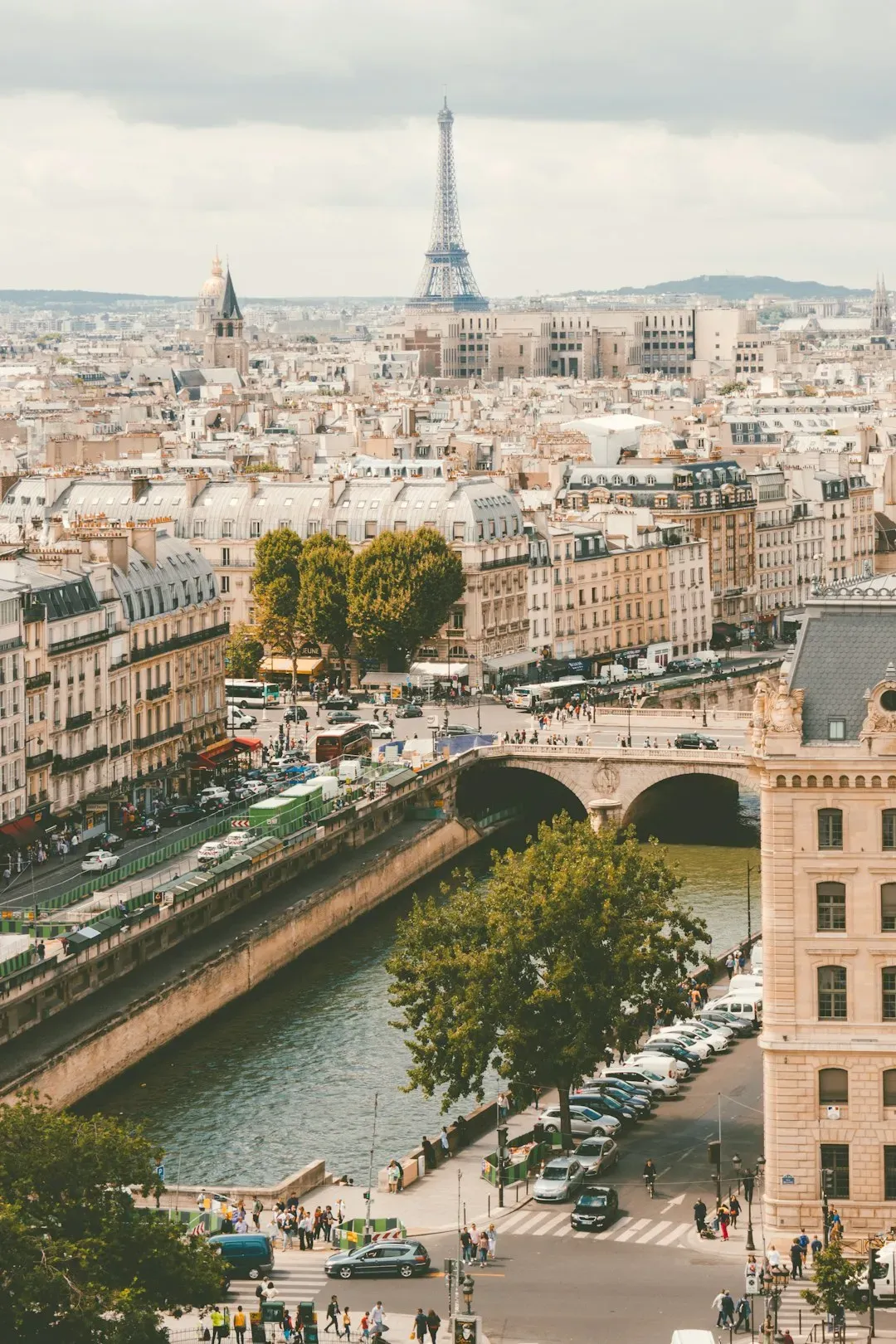
1. Paris, France (Image Credits: Unsplash)
Paris tops nearly every list of this kind, and in 2026 it has an extra reason to. The celebrated cathedral reopened on December 7, 2024, after a restoration project that united two thousand workers and specialist artisans. Walking along the Seine at dusk, with Notre-Dame lit up again after five years of scaffolding, feels like watching the city complete a sentence it had left hanging since the 2019 fire.
Beyond the cathedral, the city's romantic reputation rests on things that don't change much year to year: the Seine bridges, the corner cafés, the Luxembourg Gardens in late afternoon light. Entry to Notre Dame Cathedral itself is free, as it is a place of worship, though tickets are required for climbing the towers. That mix of grandeur and accessibility, a free cathedral next to a five euro coffee, is part of what keeps Paris near the top of almost every ranking like this one.
2. Venice, Italy
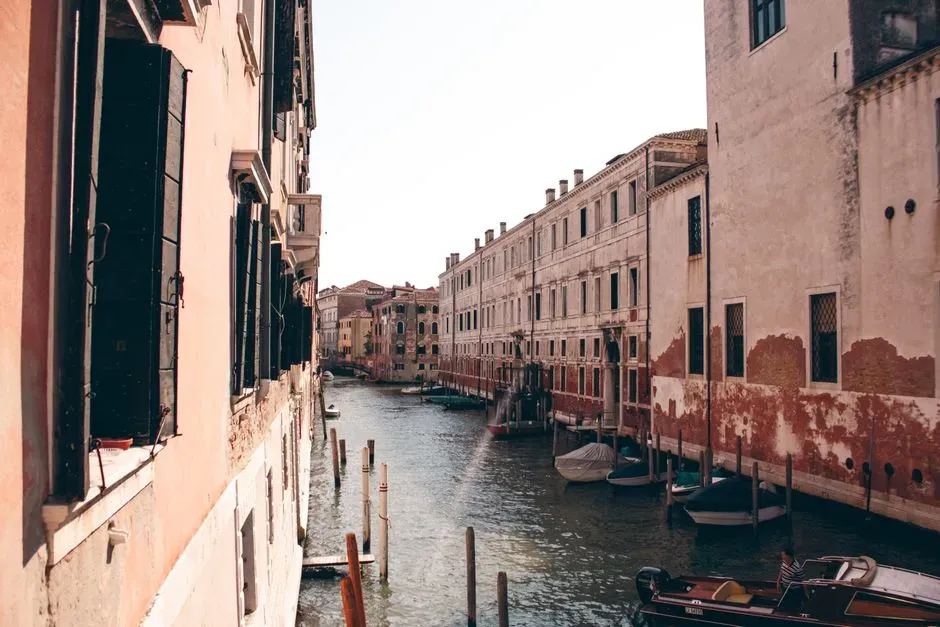
2. Venice, Italy (Image Credits: Pexels)
Venice earns its spot through sheer improbability. A city with no cars, built on more than a hundred islands, where the main mode of transport is still a boat, and where the fog over the canals at dawn looks almost staged. It's the kind of place where getting lost isn't a problem, it's basically the point.
The romance now comes with some practical caveats worth knowing before booking a trip. The Venice Entry Tax will be due from 8:30 to 16:00 on 60 days in 2026, covering weekends and holidays between April and July. If you have a hotel or apartment booking in Venice, you've already paid the city's lodging tax, and the Access Fee applies only to day-trippers visiting the historic center without spending the night. Staying overnight, in other words, is not just more romantic, it's also the exempt option.
3. Verona, Italy
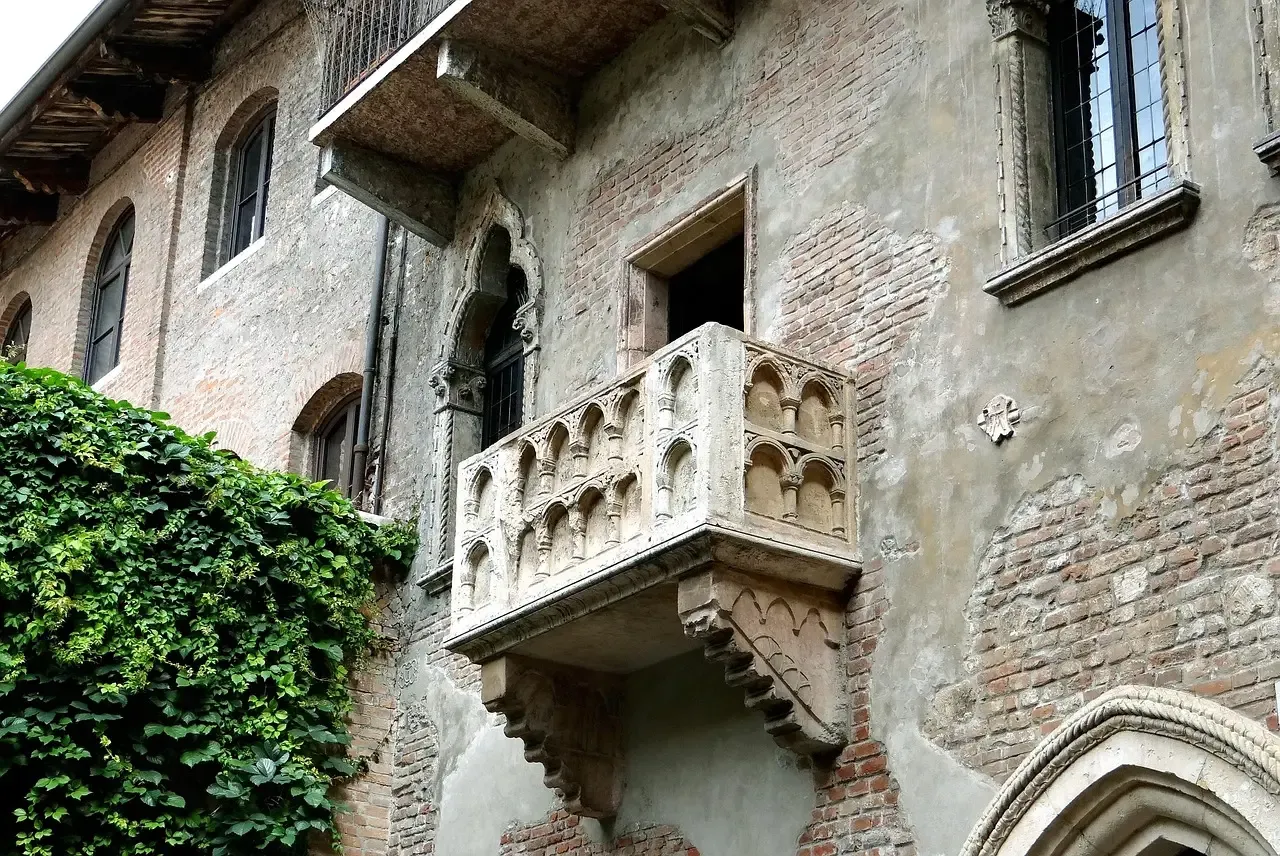
3. Verona, Italy (Image Credits: Pixabay)
Verona built its entire tourism identity around a play that was never actually set there in real life, and somehow that hasn't mattered at all. Shakespeare's Romeo and Juliet gave the city its nickname, the "city of love," and visitors still line up at Casa di Giulietta to touch the bronze statue in the courtyard below the famous balcony. It's a bit theatrical, admittedly, but the crowds keep coming anyway.
What's less well known is the letter-writing tradition that grew out of it. The Juliet Club, based in Verona, was officially founded in 1972, and receives over 50,000 letters each year from people asking for advice about love. A team of volunteer secretaries answers every single one by hand, which turns a tourist attraction into something closer to a quiet, ongoing act of kindness toward strangers.
4. Florence, Italy
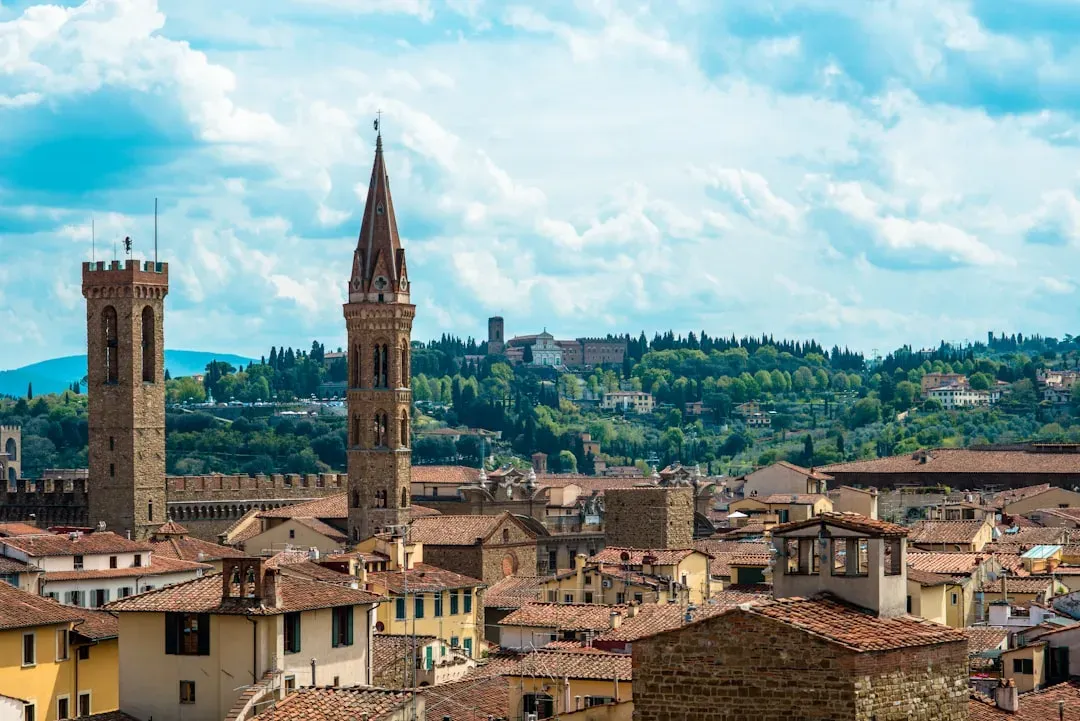
4. Florence, Italy (Image Credits: Unsplash)
Florence trades Venice's canals and Verona's balcony for something subtler: proportion. The Renaissance city was designed with a sense of visual harmony that still holds up centuries later, from the Duomo's dome to the narrow streets that open suddenly onto wide, sunlit piazzas. Watching the sun set over the Arno from Ponte Vecchio remains one of the more reliably beautiful moments a traveler can plan for without much effort.
The Boboli Gardens and the view from Piazzale Michelangelo add to the appeal, but Florence's romance is really about scale. It's a city small enough to walk end to end in an afternoon, yet dense enough with art and history that couples rarely run out of things to talk about along the way. That combination, compact but endlessly interesting, is harder to find than it sounds.
5. Prague, Czech Republic
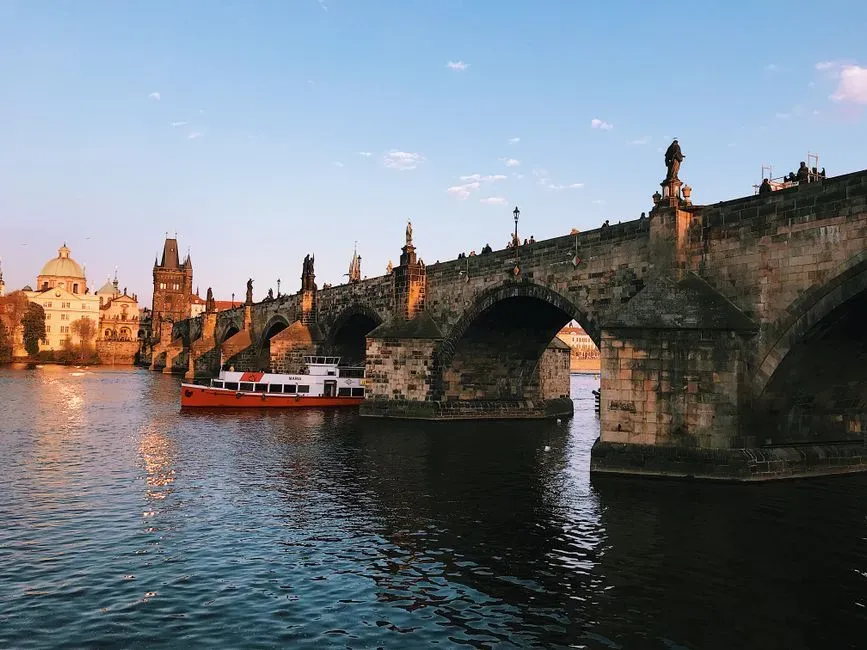
5. Prague, Czech Republic (Image Credits: Pexels)
Prague works its charm mostly through contrast, gothic spires against baroque façades, and cobblestone lanes that suddenly give way to the wide, dramatic sweep of the Vltava River. Charles Bridge at night, with its rows of statues and the castle lit up above, is the kind of view that photographs well but somehow looks even better in person. The city survived the twentieth century's upheavals largely intact architecturally, which is part of why it still feels so cohesive.
Unlike some of the other entries on this list, Prague hasn't built its identity around a single love story or landmark. Instead the romance is cumulative, small squares, riverside walks, old world cafés tucked into buildings that have stood for centuries. It rewards slow travel more than a checklist of sights.
6. Vienna, Austria
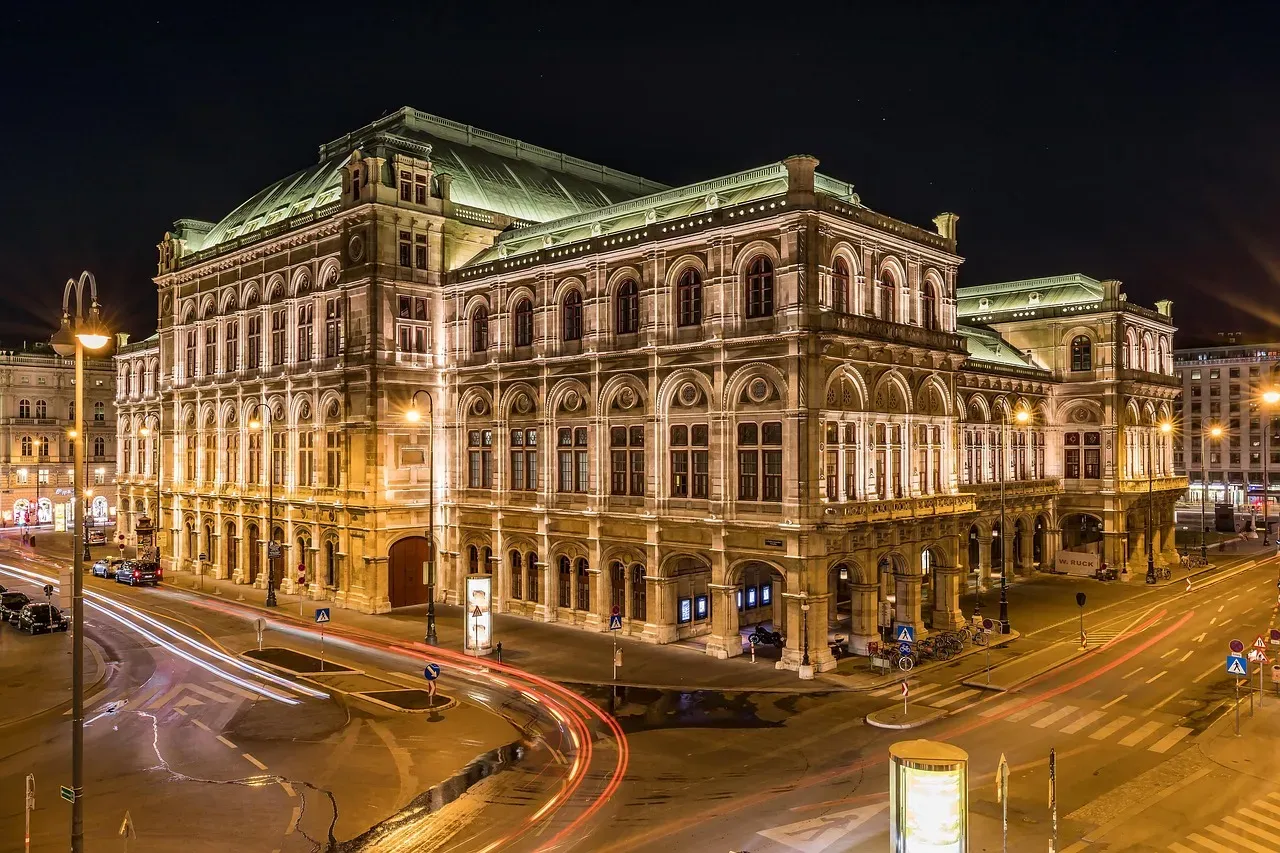
6. Vienna, Austria (Image Credits: Pixabay)
Vienna brings a different kind of romance, one built on music and imperial elegance rather than winding medieval streets. The city was home to Mozart, Beethoven, and Strauss, and it still hosts classical concerts in palaces and churches on a near nightly basis. A candlelit evening at the opera or a waltz lesson in one of the historic ballrooms is a fairly specific, and specifically Viennese, kind of date night.
The Ringstrasse, lined with grand nineteenth century buildings, and the Schönbrunn Palace gardens give the city a formality that contrasts with its coffeehouse culture, which is famously unhurried. Vienna's coffeehouses were themselves recognized by UNESCO as an intangible cultural tradition, and sitting in one for an hour with no particular agenda is, arguably, one of the more romantic things a person can do in this city.
7. Bruges, Belgium
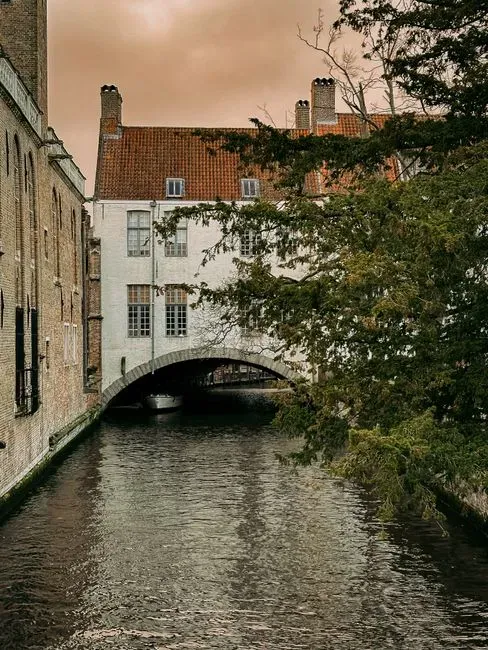
7. Bruges, Belgium (Image Credits: Pexels)
Bruges rounds out this list as the quieter, less crowded alternative to Venice, and its nickname reflects that comparison directly. Its network of canals threads through a UNESCO-listed cityscape of Gothic churches, step-gabled merchant houses, and arched stone bridges, earning Bruges its enduring nickname, "the Venice of the North." A horse-drawn carriage ride through the cobblestone streets or a slow boat trip along the reien covers most of what makes the city feel intimate rather than overwhelming.
In 2000, the entire historic center of Bruges was designated a UNESCO World Heritage Site, a recognition of its unique medieval urban landscape, covering about 430 hectares. The city's smaller scale compared to Venice means fewer crowds and shorter lines, and its reputation for chocolate and beer gives couples an easy excuse to wander from one tasting to the next. It's a city that rewards patience more than ambition, which might be the most romantic thing about it.
Final thoughts
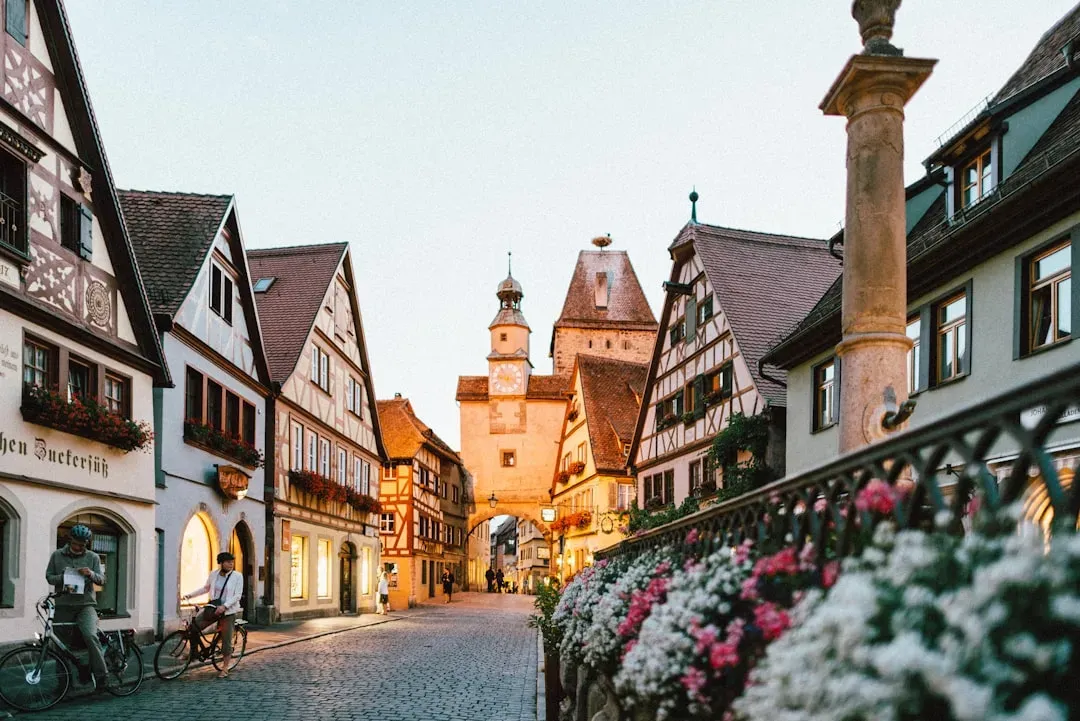
Final thoughts (Image Credits: Unsplash)
None of these cities are romantic in quite the same way, which is really the point. Paris offers grandeur, Venice offers improbability, Verona offers literary myth, and Bruges offers quiet scale. What connects them is a shared resistance to rushing, each one seems built for wandering rather than checking boxes, and that, more than any single landmark, is usually what makes a place feel romantic in the first place.