
Ask a parent almost anywhere in the world what keeps them up at night, and the list tends to sound the same: money, time, guilt, the sense that they're never quite doing enough. Yet in a handful of countries, that anxious hum seems to quiet down. Not because parenting there is easier in some magical sense, but because the systems, the culture, and the daily rhythms are built in a way that takes some of the weight off.
Looking at global well-being surveys, OECD family data, and firsthand accounts from parents themselves, a short list of countries keeps coming up as places where raising children feels notably calmer than the global norm. Here's what sets them apart.
Netherlands
Netherlands (Image Credits: Unsplash)
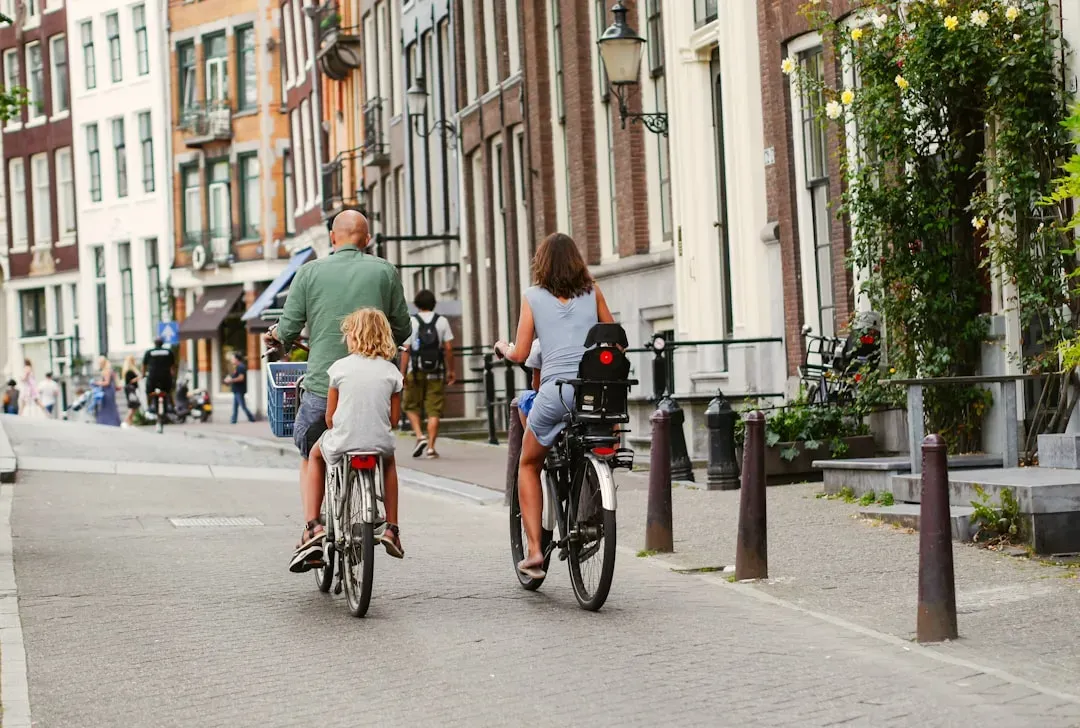
The Netherlands has spent years near the top of UNICEF's child well-being rankings, and much of that reputation traces back to how relaxed Dutch family life actually is. According to the UNICEF Innocenti Reports, children in the Netherlands are the happiest children in the world, and the high average score can be explained by both cultural and structural conditions. That's not just a nice statistic for kids, it directly eases pressure on parents too.
A lot of it comes down to time. With 29-hour work weeks, the Netherlands has the world's shortest week for business professionals, according to a 2018 OECD study. Combine that with a culture that prizes sleep and routine over constant stimulation, and you get parents who aren't running on empty. Structural conditions relate to good and free public healthcare for children, generous child allowances and little time constraints due to mostly mothers' but also fathers' part time jobs.
Denmark
Denmark (Image Credits: Unsplash)
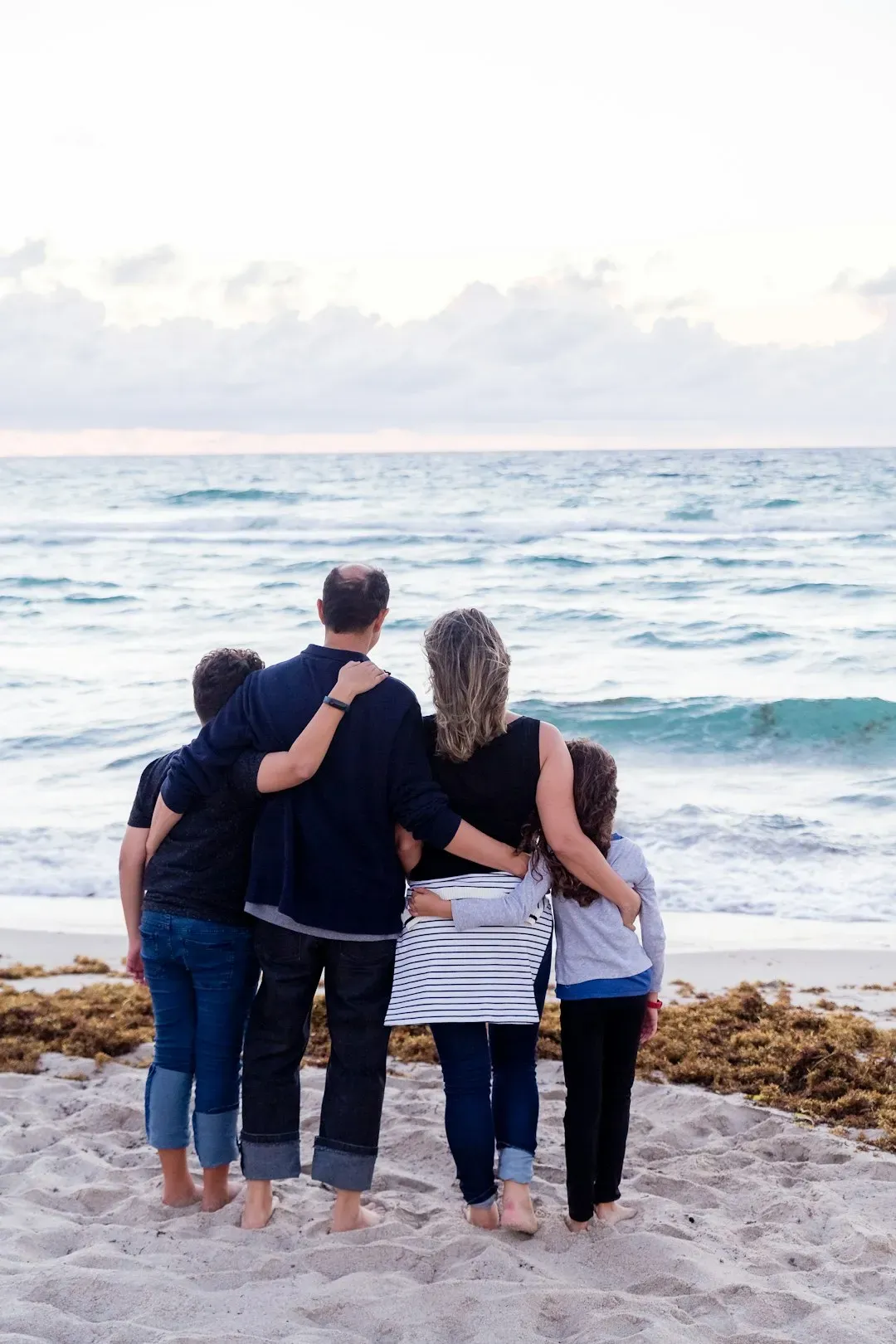
Denmark's reputation for calm parenting is tied closely to its reputation for calm living generally. Denmark is considered one of the safest places to raise a family, with high public expenditure on childcare, family benefits, and pre-primary education, and the Danes are considered to be among the happiest people in the world, helped by the country's healthy work culture. That combination of safety net and shorter workdays gives Danish parents room to breathe that many of their peers elsewhere simply don't have.
Structurally, the country backs up the reputation with real policy. Danish culture strongly supports shorter workweeks, flexible scheduling, and high holiday allowances, and Denmark ranks high in gender equality, with trust in public institutions running high. It isn't a flawless picture, some recent surveys have flagged concerns among Danish parents about childcare quality, but the underlying framework of support remains among the strongest in Europe.
Norway
Norway (Image Credits: Unsplash)
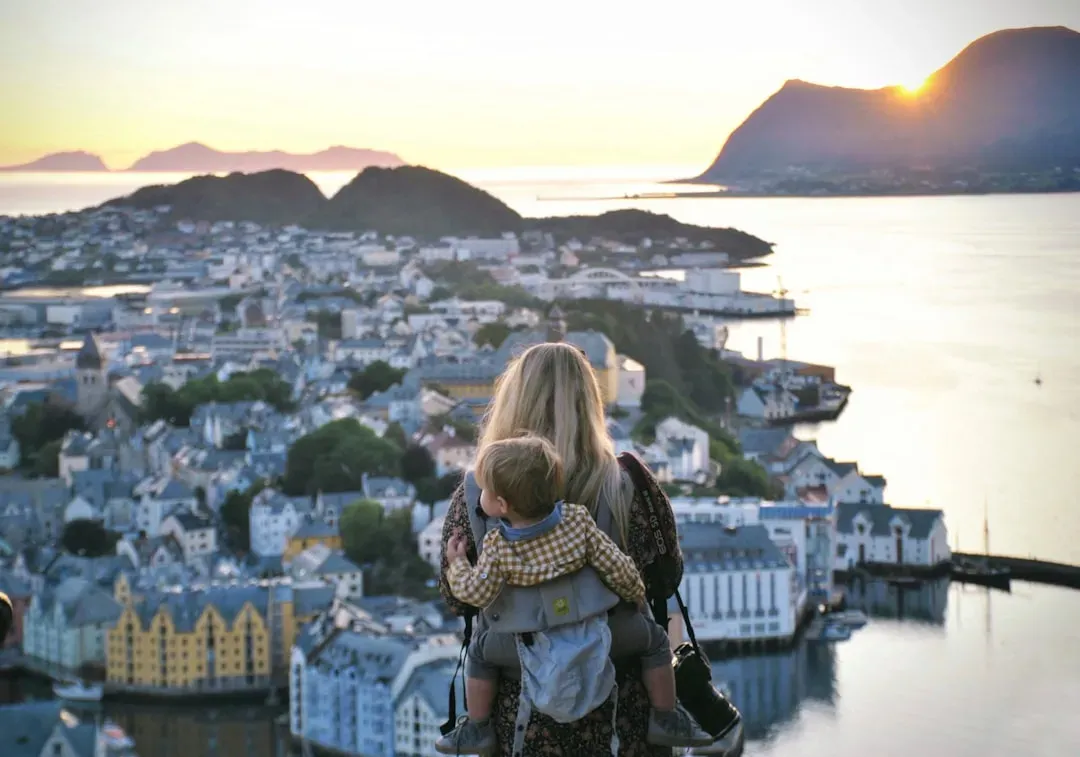
Norway's low-stress reputation starts with something very concrete: time off after a baby arrives. Parents can choose between 49 weeks of leave with full pay or 59 weeks with 80% of pay. That's nearly a full year, shared between two parents, without the frantic scramble back to work that defines new parenthood in many other countries.
Norway was also a pioneer in normalizing shared parenting duties rather than leaving it all to mothers. In 1993 a father's quota was introduced to encourage fathers to take parental leave, making Norway the first country in the world to do so, and the length of the quota was gradually increased to 14 weeks by 2013. On top of the leave itself, the 'day-care guarantee' introduced in 2003 gave all children from the age of 1 the right to kindergarten places, removing one of the biggest sources of parental anxiety in other countries: finding affordable, reliable childcare.
Finland
Finland (Image Credits: Pexels)
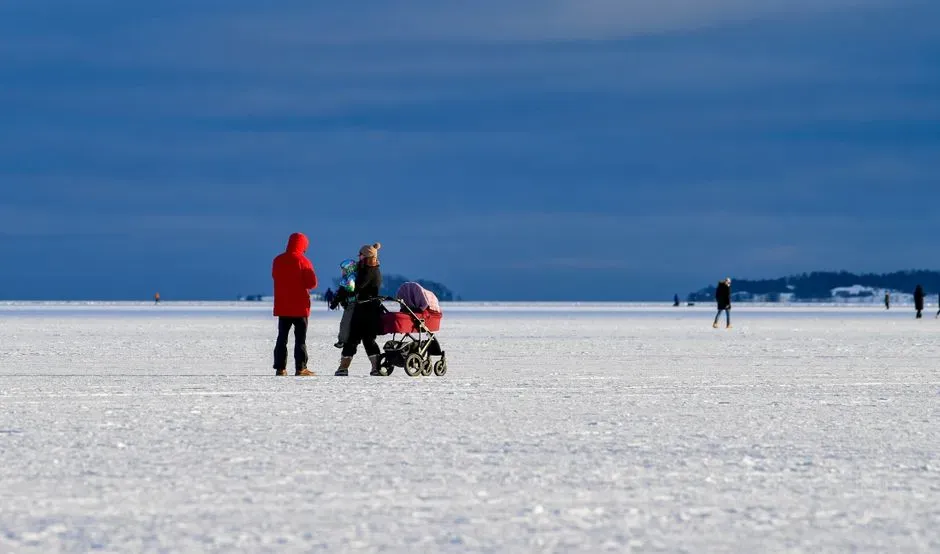
Finland regularly tops general happiness rankings, and that contentment extends into family life. Finland and Denmark typically score highest across education, safety, and overall well-being among countries evaluated for raising a family. It's the kind of place where the basics, healthcare, schooling, safety, are simply assumed rather than fought for.
Affordability plays a big role too. In nations like Sweden and Finland, childcare costs are capped based on family income, making high-quality care affordable for everyone. When parents aren't calculating whether a second income even covers daycare, a huge chunk of everyday stress simply disappears. Finnish parents also benefit from a culture that doesn't demand constant enrichment activities or academic pressure at a young age, leaving more room for ordinary, unhurried family time.
Portugal
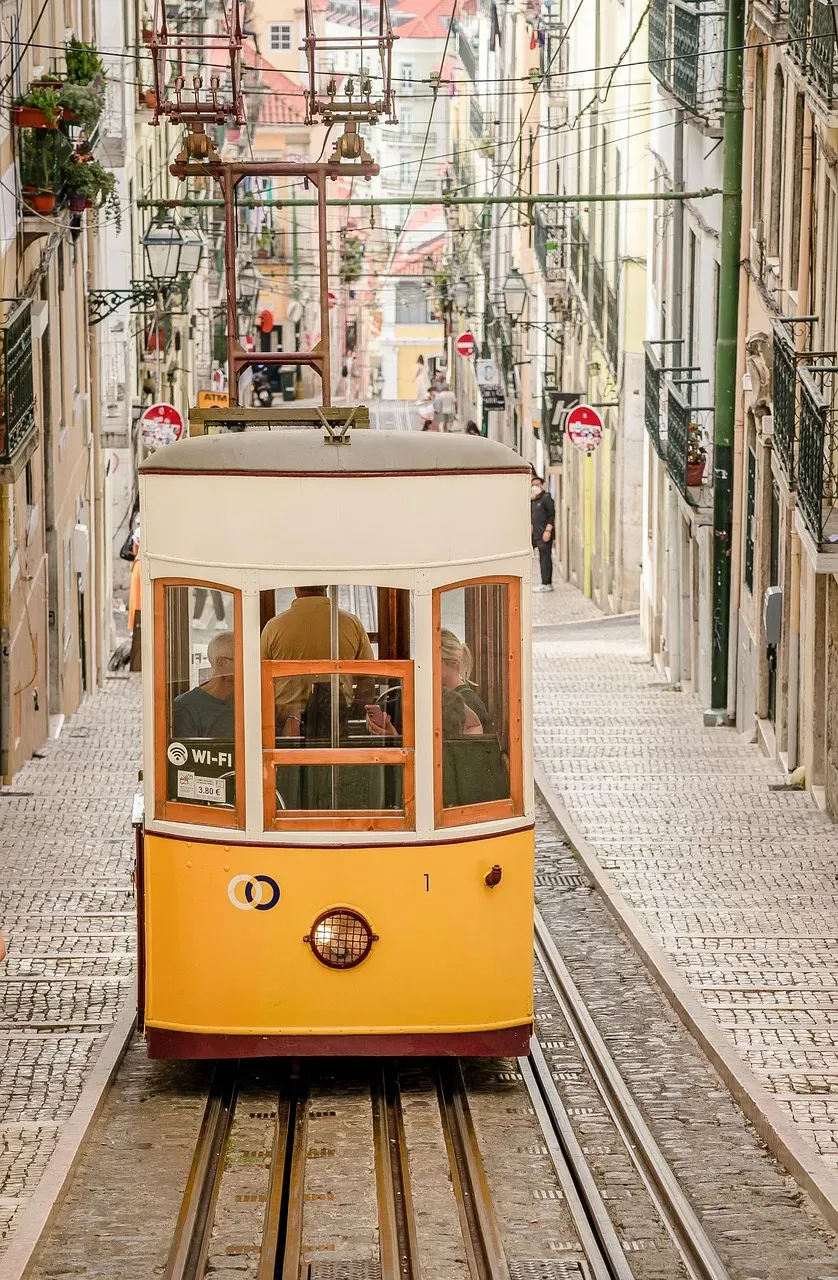
Portugal (Image Credits: Pixabay)
Portugal's appeal is a little different from its Nordic counterparts, it's less about generous state benefits and more about pace of life. Having previously been named the least-stressed country in the OECD, and with capital city Lisbon appearing among the safest cities in the world, the culture in Portugal is laid-back and easy-going. That unhurried temperament seeps into parenting too.
Cost is a major relief factor for Portuguese families. Portugal is highly affordable, with childcare costing just 5% of household income and the cost of rent and utilities being among the lowest in Europe. Add in a monthly cash benefit paid for all children who are residents of Portugal and not in employment, plus study grants, along with tax credits and VAT write-offs on household expenses for parents, and the financial anxiety that drives so much parental stress elsewhere is noticeably lighter here.