
Most parents assume that closeness comes from big gestures: the family vacation, the elaborate birthday party, the weekend outing that takes hours of planning. Yet child development researchers keep pointing to something far less glamorous. The relationships that hold up over time tend to grow out of small, repeated moments that barely register as effort at all.
That's worth sitting with for a second, especially in a season where everyone feels stretched thin. Below are thirteen habits that fit into the cracks of an ordinary day, none requiring more than ten minutes, all backed by research on attachment, communication, and family wellbeing.
1. Share one screen-free meal, even if it's just breakfast

1. Share one screen-free meal, even if it's just breakfast (Image Credits: Unsplash)
You don’t need a full sit-down dinner to get the benefits of eating together. Researchers note that the average family meal lasts barely 20 minutes, but few other settings in family life have such potential to influence children’s behavior and development, with most family meals lasting 18 to 20 minutes. Even a rushed ten-minute breakfast counts if phones stay off the table.
The payoff shows up in mood, not just nutrition. One study found that adolescents feel happier, experience less stress, and have a stronger sense of fulfillment on days they eat with their family. Turning off the television matters too, since watching TV while eating disrupts mealtime patterns that may support children’s health.
2. Read together before bed, even one short book
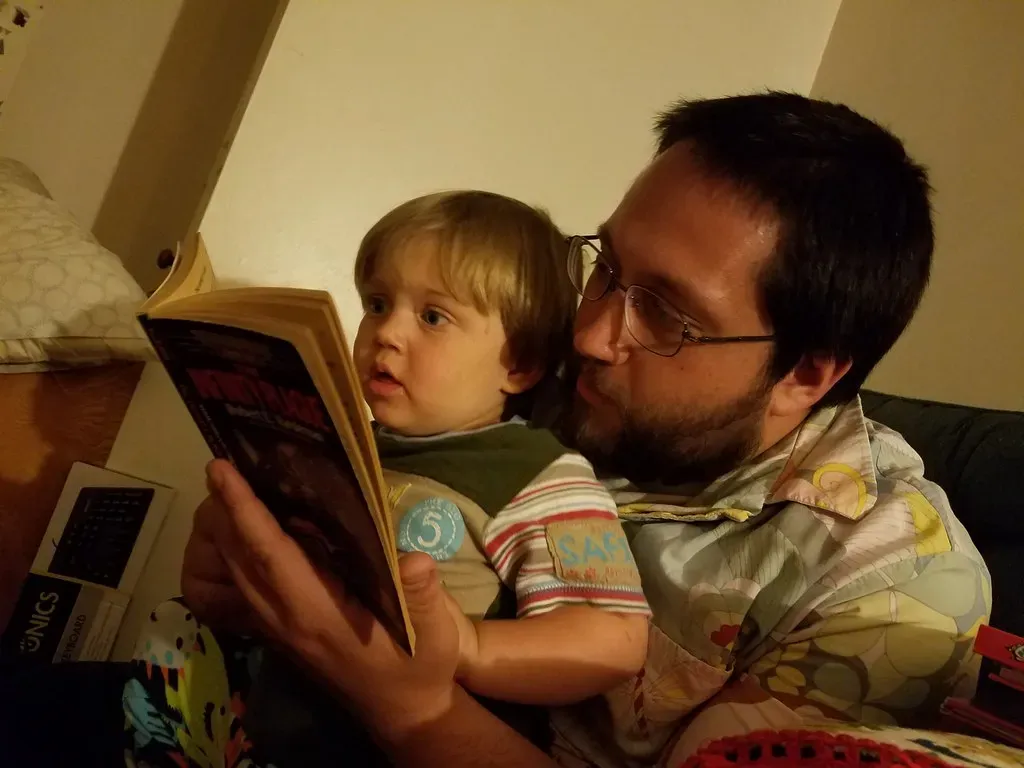
2. Read together before bed, even one short book (quinn.anya, Flickr, <a href="https://creativecommons.org/licenses/by-sa/2.0/" target="_blank" rel="noopener">CC BY-SA 2.0</a>)
Bedtime reading is one of the most studied bonding rituals out there, and for good reason. A pediatrician who directs a national early literacy program explains that establishing a bedtime routine that includes reading books and telling stories is a wonderful way to promote parent-child bonding while helping develop children’s literacy, language, and social-emotional skills.
The physical closeness itself seems to do something measurable. According to one sleep researcher, the cuddling and snuggling that take place with bedtime reading promote parent-child bonding and lets children know that they are loved and cared for. Recent research has even linked short daily reading rituals to gains in empathy, since the daily practice of reading to children extends beyond the scope of language development and literacy, functioning as a powerful tool in the cultivation of empathy, with consistent parental engagement in reading activities significantly enhancing a child’s empathy.
3. Give five minutes of true child-led play
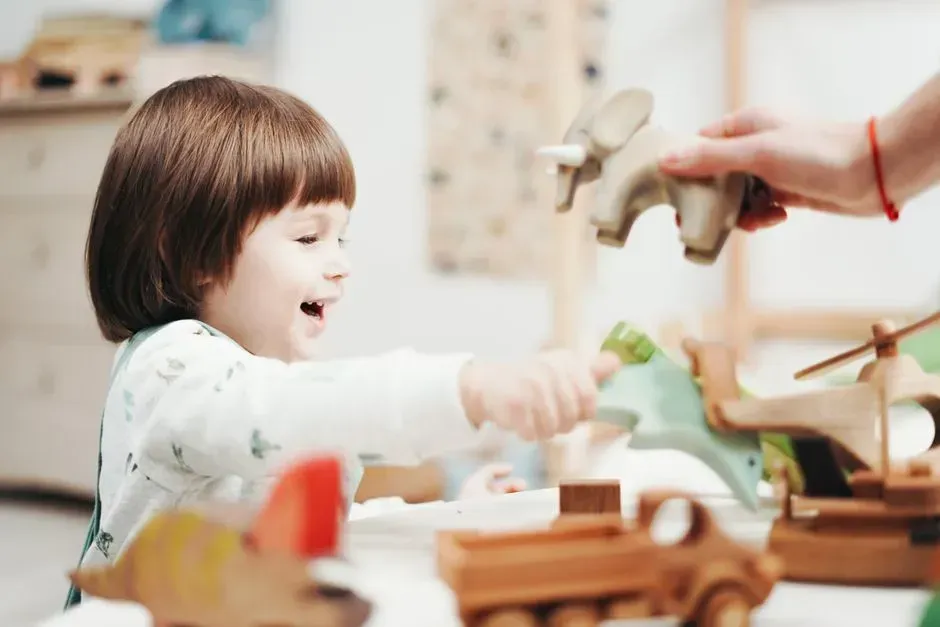
3. Give five minutes of true child-led play (Image Credits: Pexels)
This one has a name in psychology circles: “special time.” Developed decades ago by psychologist Sheila Eyberg, the idea is disarmingly simple, and a pediatric psychologist notes that special time increases opportunities for closeness between a parent and child, and as that attachment is building, it increases the likelihood that a child is going to listen or value what a parent has to say.
The key is letting the child fully lead, without corrections or redirection. Other researchers confirm that even a daily 5 minutes of special time can not only promote a secure, warm relationship between you and your child, but also help improve your child’s self-esteem, social skills, and even language skills. It works with blocks, crayons, or whatever happens to be within reach.
4. Build a consistent hello and goodbye ritual

4. Build a consistent hello and goodbye ritual (Image Credits: Unsplash)
Drop-offs and pickups are easy to rush through, but they’re prime real estate for connection. Physical touch during these moments carries a biological punch, since physical contact between parent and infant promotes parent-infant bonding and supports healthy development, and research suggests that physical touch may help to stimulate the production of oxytocin, a hormone implicated in parenting.
A predictable ritual, whether it’s a specific handshake, a hug, or a phrase you always say, gives kids something steady to hold onto. Experts suggest parents can incorporate daily hugging rituals like greetings or bedtime hugs to reinforce consistent connection. It costs nothing and takes seconds, but it signals reliability every single day.
5. Ask about highs and lows, not just "how was your day"

5. Ask about highs and lows, not just "how was your day" (Image Credits: Pexels)
Generic questions get generic answers. A more specific prompt, like asking for one good part of the day and one hard part, tends to open up real conversation instead of a shrug. This habit works especially well in the car or at the dinner table, since it gives structure without feeling like an interrogation.
What matters is following up on what your child shares rather than moving straight to advice or correction. Family communication researchers who study everyday routines note that shared time, even brief, gives parents natural openings to hear what’s actually going on in a child’s world. Kids remember being asked more than they remember any particular answer they gave.
6. Take a short walk together, no destination required

6. Take a short walk together, no destination required (Image Credits: Unsplash)
Walking side by side removes the pressure of eye contact, which oddly enough makes some kids more willing to talk. It’s also one of the easiest habits to slot into a busy afternoon, since it requires no equipment and no planning.
Family bonding guides consistently list walks alongside reading and game nights as reliable connection points, noting that the most meaningful connections happen in everyday moments, reading together before bed, a one on one walk, a weekly game night. Ten minutes around the block, even in less than ideal weather, still counts.
7. Cook or prep something small together
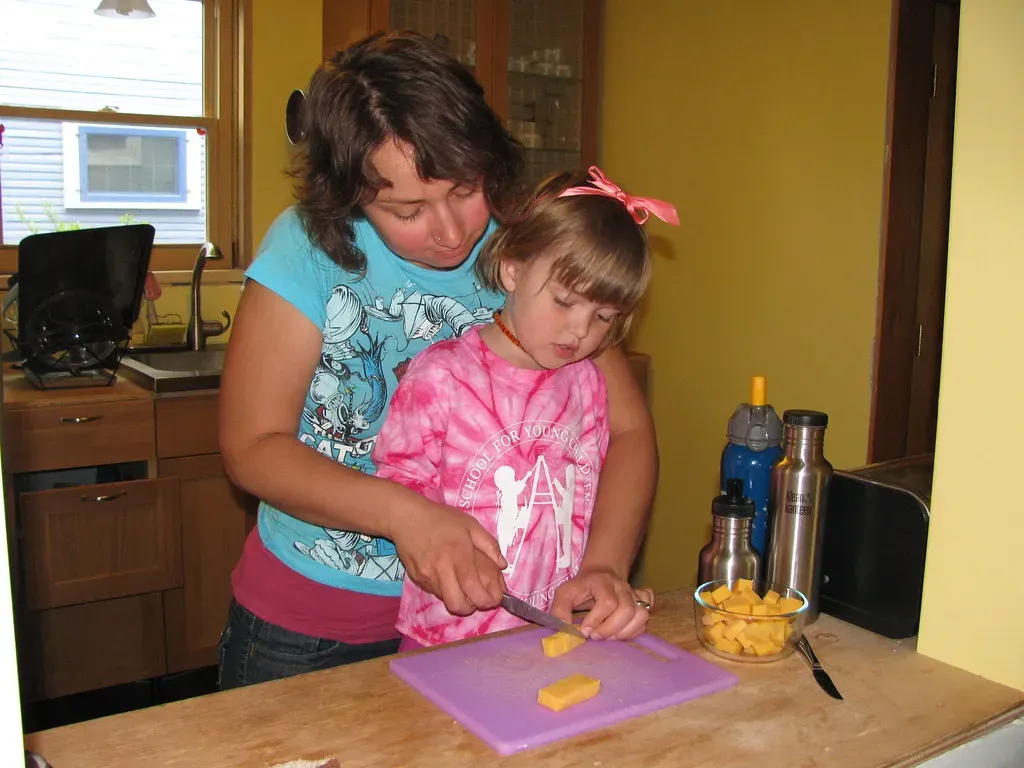
7. Cook or prep something small together (Rachel Tayse, Flickr, <a href="https://creativecommons.org/licenses/by/2.0/" target="_blank" rel="noopener">CC BY 2.0</a>)
Handing a child a task in the kitchen, stirring, pouring, or arranging, turns a chore into a shared project. It doesn’t need to be a full meal. Buttering toast or assembling a sandwich together works just as well for connection purposes.
The research on shared cooking overlaps heavily with findings on family meals, where parents and children who eat together continue to get to know each other and pass on family stories, traditions and cultural identity. Cooking together simply front-loads that connection before the food even hits the table.
8. Leave a short note somewhere your child will find it
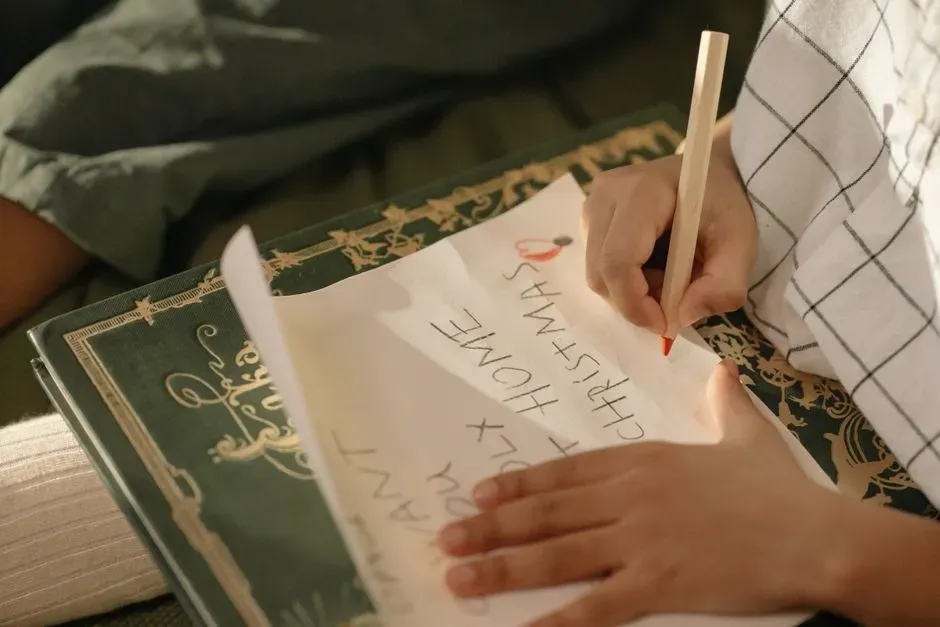
8. Leave a short note somewhere your child will find it (Image Credits: Pexels)
A few words tucked into a lunchbox, backpack, or under a pillow take less than a minute to write but can be read and reread. For younger kids, a simple drawing works just as well as words. The habit signals that they’re being thought about even when you’re not in the room.
This kind of small, unexpected gesture fits into what family therapists describe as consistent, low-pressure bonding moments. As one family counseling resource puts it, even brief moments, ten minutes of child led play, a daily check in, or a calm repair after conflict, can steadily build trust and emotional resilience. A note is just another version of that same principle.
9. Dance or sing together for the length of one song

9. Dance or sing together for the length of one song (Image Credits: Pixabay)
Silliness has a place in bonding routines, and a spontaneous kitchen dance party counts as a legitimate connection activity. It lowers everyone’s guard, including the parent’s, which matters more than it sounds.
Guides on toddler and early childhood bonding regularly include this as a go-to activity, noting simply that kids love to dance and spin, turn that love into a mini dance party. The whole thing takes three to four minutes and rarely feels like a chore.
10. Keep car rides tech-free when possible
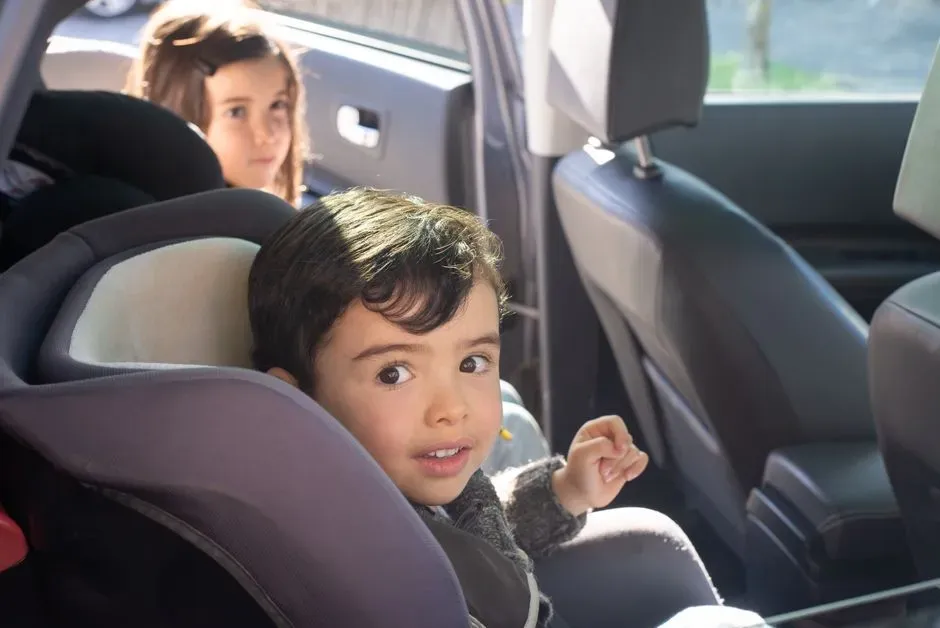
10. Keep car rides tech-free when possible (Image Credits: Pexels)
Cars are strange little pockets of forced togetherness, and kids often talk more freely there than anywhere else in the house. No screens, no scrolling, just whatever conversation happens to surface. Sometimes it’s nothing important. Sometimes it’s the thing they’ve been sitting on all day.
This habit doesn’t need a formal structure. It just needs the absence of distraction, which is increasingly rare in a household where devices are always within reach. Even a ten-minute drive to school or practice becomes a reliable window for connection if it stays consistent.
11. Add a gratitude or reflection moment at tuck-in

11. Add a gratitude or reflection moment at tuck-in (Image Credits: Pexels)
Right before lights out, ask your child to name one good thing from the day. It’s a small addition to an existing bedtime routine, so it doesn’t add extra time, just extra intention. Over weeks and months, kids often start offering this information unprompted.
This pairs naturally with the calming effects already documented around bedtime routines, where one Yale-affiliated researcher notes that reading and quiet talk before sleep involves calming your child physically, helping them to unwind from the day and get into a more relaxed, sleepy state, with heart rate measurably slowing down during the act. Gratitude talk fits neatly into that same wind-down window.
12. Play one quick, low-stakes game

12. Play one quick, low-stakes game (Image Credits: Pexels)
A single round of cards, a few tosses of a ball, or one round of a simple board game gives structure to connection without demanding a huge time commitment. Games also naturally invite the back-and-forth banter that builds familiarity between a parent and child.
Play-based bonding research points to lasting effects from these small doses. One clinical resource notes that child-directed play, even in short sessions, helps build a sense of self-direction and self-confidence, foster child language and social development, and strengthen your parent-child bond. Ten minutes of a card game checks all of those boxes without anyone noticing the effort.
13. Offer one specific piece of praise or appreciation daily
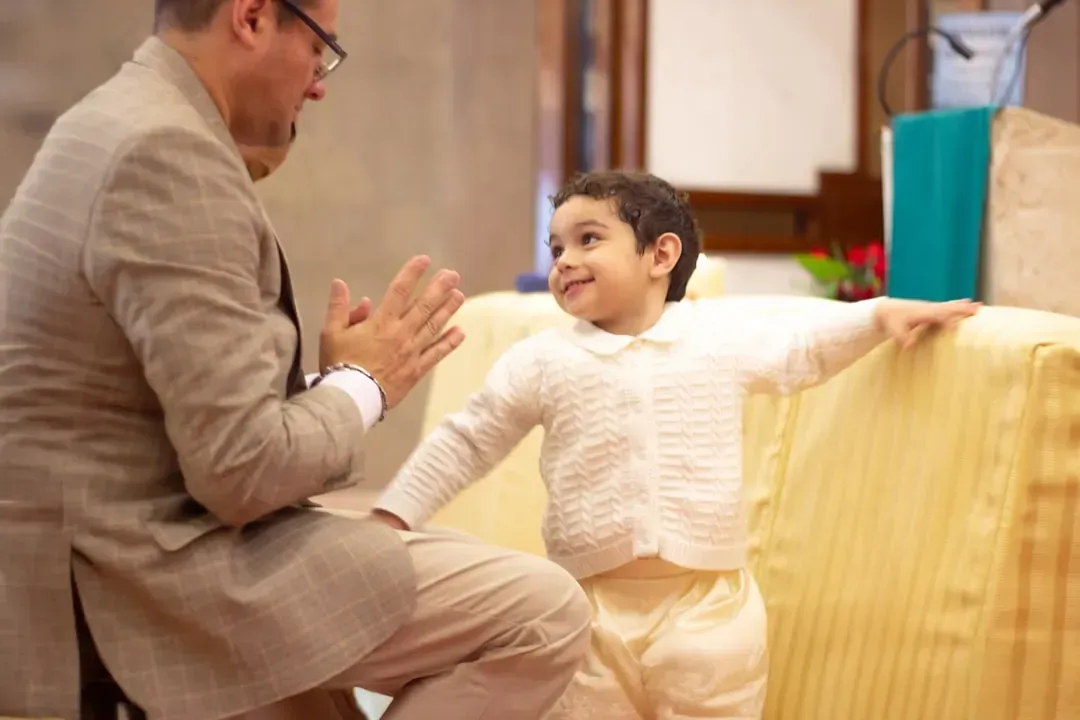
13. Offer one specific piece of praise or appreciation daily (Image Credits: Unsplash)
Not generic praise, but something specific: noticing effort, patience, or kindness in a particular moment. Specificity makes praise land differently, since it shows a child they were actually watched and noticed rather than just complimented on autopilot.
This habit connects to a broader finding about relationship health. Researchers studying parent-child interaction have found that we need five positive interactions to each negative interaction to keep a relational bond healthy and strong. A single, specific compliment a day is a low-effort way to keep tipping that balance in the right direction.
None of these habits require a special occasion or a cleared calendar. They work precisely because they’re small enough to survive a hectic Tuesday, a late work call, or a kid who’s tired and cranky by six. Strung together across weeks and months, these short, ordinary moments tend to add up to something far more durable than any single big event could provide.