
Most parents who hover don't think of themselves that way. They think of themselves as involved, responsive, present. The line between healthy support and overparenting is often invisible from the inside, which is exactly why it tends to go unnoticed until a child struggles with something as ordinary as making a decision alone. Below are twelve patterns that researchers and family therapists commonly link to overparenting, along with what they tend to look like day to day.
1. You finish tasks your child is capable of starting

1. You finish tasks your child is capable of starting (Image Credits: Pexels)
It usually starts small: packing the backpack, filling out the permission slip, redoing the science project because the glue lines weren’t straight. Over time, this becomes a reflex rather than a choice, and the child learns to wait rather than attempt.
Research on overparenting suggests this pattern communicates something unintended. Research shows that children interpret excessive involvement as a lack of trust in their competence. The task gets done well, but the message underneath it can quietly undercut a child’s sense of their own ability.
2. You speak for them instead of letting them speak

2. You speak for them instead of letting them speak (Image Credits: Pexels)
Ordering their food, answering the pediatrician’s questions, explaining to a coach why they were late. Somewhere along the way, the parent becomes the default translator between the child and the world.
This habit is easy to justify as efficiency, but it removes small daily reps in self-advocacy. Over time, kids who are rarely asked to speak for themselves often struggle to do it when it actually matters, like during a college interview or a job negotiation years later.
3. You track their location more than you talk to them

3. You track their location more than you talk to them (Image Credits: Unsplash)
Location-sharing apps aren’t inherently a problem. The issue is when checking a dot on a map becomes a substitute for an actual conversation about where someone is headed and why.
Constant monitoring can shift from safety tool to control mechanism without anyone quite deciding that’s what happened. Overparenting is characterized by developmentally inappropriate and overly involved parenting, and although it generally stems from a well-intended desire to help, it often hinders the development of adaptive coping behaviors and effective interpersonal skills.
4. You step into every peer conflict

4. You step into every peer conflict (Image Credits: Unsplash)
A disagreement over a group project, a falling-out between friends, a benching decision from a coach. The instinct to fix it fast, sometimes by emailing the teacher or calling the other parent, is understandable, but it removes a chance for the child to practice conflict resolution.
Kids need some friction to learn negotiation and repair. The issue is rarely whether parents help, but how often, how quickly, and to what degree. Occasional guidance is healthy. Constant monitoring and intervention are not.
5. You manage their schedule down to the minute

5. You manage their schedule down to the minute (Image Credits: Pexels)
Color-coded calendars, reminders for every activity, a running mental list of what’s due and when. This looks like organization, and often it is, but when a parent is the one holding all the logistics, the child never has to build that muscle themselves.
Teenagers who arrive at college having never managed their own time often struggle when that structure disappears. It’s less about the calendar itself and more about who’s actually doing the thinking behind it.
6. You contact schools, coaches, or employers on their behalf

6. You contact schools, coaches, or employers on their behalf (Image Credits: Unsplash)
Emailing a professor about a grade, calling a coach about playing time, even reaching out to a manager about a shift change. This kind of intervention tends to increase, not decrease, as kids get older, which runs counter to how development is supposed to work.
Universities have reported a rise in parents contacting them directly on behalf of adult students. The college transition is where it often becomes obvious. Locke et al. (2012) found that students who reported higher helicopter parenting also reported lower well-being and greater interpersonal dependency during the shift to college.
7. You cushion every small failure

7. You cushion every small failure (Image Credits: Unsplash)
A forgotten assignment gets emailed in late with an apology from mom. A lost jacket magically reappears because dad drove back to get it. These rescues feel like kindness, and in isolation, they are.
The pattern becomes a problem when failure never has room to land. Meta-analytic evidence links overparenting to higher anxiety and lower self-efficacy in young adults. Kids who never experience small consequences often struggle more, not less, when bigger ones eventually arrive.
8. You praise effort that doesn't actually require much

8. You praise effort that doesn't actually require much (Image Credits: Pexels)
Tying shoes at age nine, putting a plate in the sink, finishing a snack. Excessive praise for ordinary tasks can be a subtle sign that expectations have quietly dropped to match the amount of independence a child is actually given.
This isn’t about withholding encouragement. It’s about noticing when praise is inflated because the underlying bar for self-sufficiency has slipped lower than it should be for the child’s age.
9. You choose their friends and activities

9. You choose their friends and activities (Image Credits: Pexels)
Steering a child away from a friendship that seems unproductive, signing them up for the “right” clubs, filling weekends with curated enrichment rather than unstructured time. The intent is usually protective, aimed at keeping a child on a path that looks safe and successful.
But autonomy in small choices, like who to spend time with, builds the decision-making skills kids need later. Having helicopter parents has negative effects on decision-making processes. A child who has never chosen their own friend group often has a harder time trusting their own judgment as an adult.
10. You feel anxious when you're not in control

10. You feel anxious when you're not in control (Image Credits: Pexels)
A missed text back, a solo trip, a first time driving alone. If the dominant feeling is dread rather than a manageable nervousness, that’s worth noticing, because it often gets passed along.
Parental anxiety and overparenting tend to move together. Research suggests parental anxiety, fear, and stress may be contributing factors behind overparenting behaviors, pointing toward possible interventions to reduce them. Children can absorb that anxiety even when it’s never spoken aloud, learning to see the world as more dangerous than it is.
11. You struggle to let them make their own decisions

11. You struggle to let them make their own decisions (Image Credits: Pexels)
Which classes to take, whether to quit a sport, how to spend saved allowance money. Stepping in with strong opinions on every choice, even small ones, can leave little room for a child to practice actual decision-making.
This shows up clearly once kids reach the age where decisions carry real weight. Overparenting behaviors may signal to the child that the external environment is threatening or uncontrollable, and adolescents are more likely to experience feelings of failure and inadequacy because parental overprotectiveness signals distrust in their problem-solving abilities.
12. You measure your own worth by their outcomes
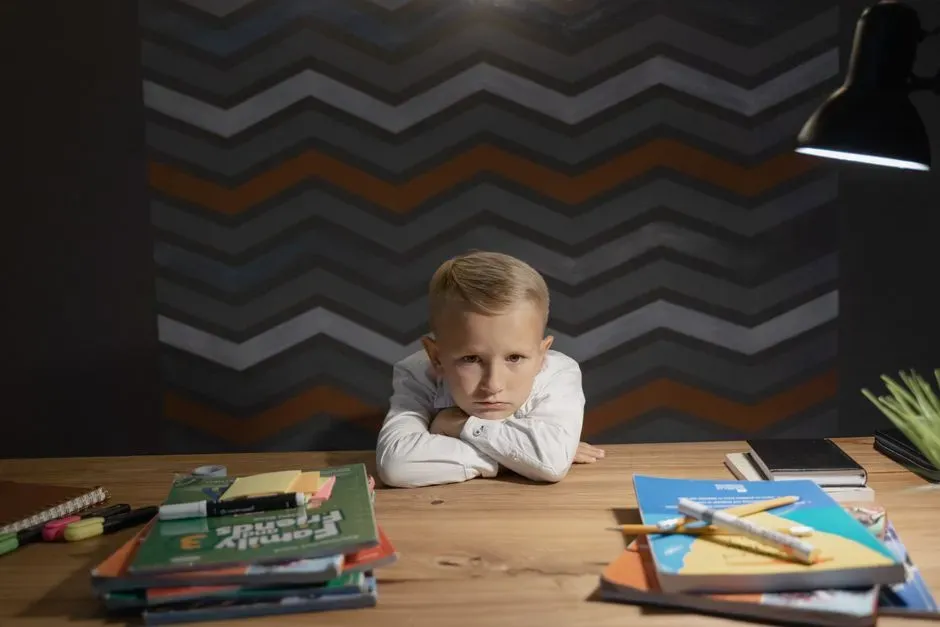
12. You measure your own worth by their outcomes (Image Credits: Pexels)
A child’s grade, tryout result, or college acceptance starts to feel like a referendum on parenting itself. When that happens, every setback becomes personal, and the pressure to intervene grows stronger.
This dynamic tends to intensify rather than fade with age. Researchers report that parents with overparenting beliefs placed more responsibility on themselves for their student’s success and failures, and this can be detrimental to parents’ own health. The emotional stakes climb for everyone involved, often without anyone naming what’s actually happening.
None of this means involvement itself is the problem. Attentive, engaged parenting is protective, and most parents who recognize a few of these patterns in themselves are simply doing what feels instinctively right in the moment. The distinction researchers keep coming back to isn’t whether a parent helps, but whether that help leaves room for a child to eventually stop needing it. Noticing one or two of these signs isn’t a verdict. It’s just information, and information is usually the first thing that makes change possible.