
Most new parents arrive home from the hospital with a stroller, a stack of onesies, and a quiet fear that they're going to get something wrong. What they don't expect is that the biggest misstep rarely shows up as a single dramatic moment. It tends to be something quieter, something that looks like diligence on the surface but works against the baby underneath.
That mistake has less to do with feeding schedules or nursery colors and more to do with how parents interpret their child's signals during those first twelve months. It shows up in a dozen small decisions, and understanding it changes almost everything else about the year ahead.
Chasing the checklist instead of the child
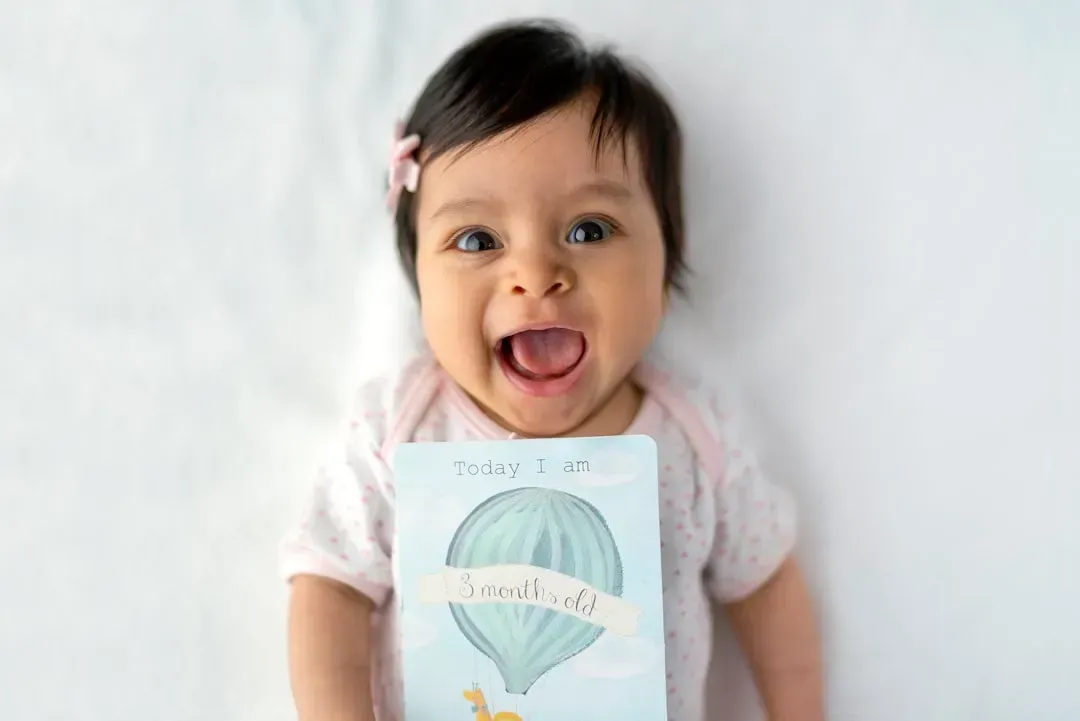
Chasing the checklist instead of the child (Image Credits: Unsplash)
Baby books and apps love milestone charts, and there’s nothing wrong with tracking rolling, sitting, or first words. The trouble starts when parents treat those charts as a verdict on how well they’re doing rather than a loose guide. Every baby is different and shows growth and development at their own pace, and comparing babies with each other is harmful, both for the parents and for the baby later on.
This comparison habit often gets worse once other parents enter the picture, whether at a playgroup or in a group chat. Every child is unique and must be given time to develop at their own pace, and comparing a child with another of the same age or a few months apart is common but wrong. The checklist becomes a source of anxiety instead of the reassurance it was meant to provide.
Reading cues less than reading routines

Reading cues less than reading routines (Image Credits: Pexels)
A lot of first year parenting advice centers on establishing predictable feeding and sleeping schedules early. The intention is understandable. Nobody wants chaos, and a schedule feels like control.
Yet new parents often have the right intentions when scheduling a baby’s feedings instead of feeding on demand, and that instinct can work against what an infant is actually communicating. A baby who is hungry earlier than the clock suggests, or tired later than expected, is still giving real information. Ignoring that in favor of the schedule is the subtler version of the same mistake, prioritizing the plan over the child in front of you.
Misreading overstimulation as a crisis
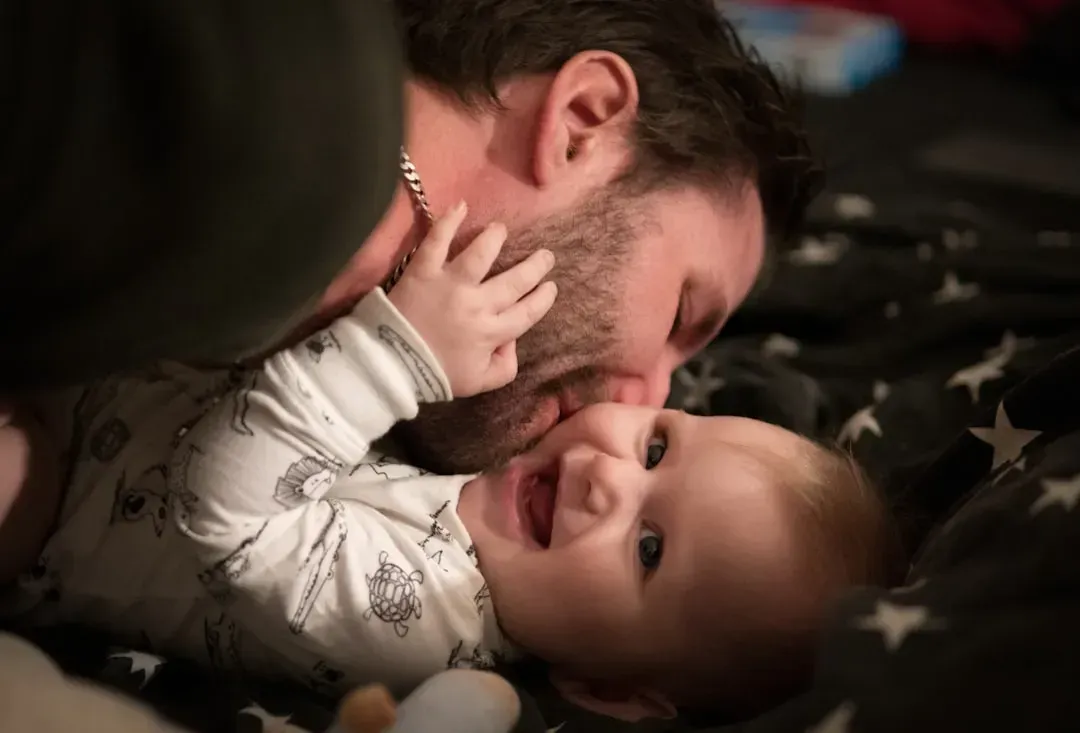
Misreading overstimulation as a crisis (Image Credits: Unsplash)
Overstimulation has become a popular term in parenting circles, and for good reason, since babies do have immature nervous systems that take time to develop filtering ability. Overstimulation happens when a child receives more sensory input than their developing brain can process in the moment, whether that’s too much noise, light, activity, touch, smell, or emotional input.
Where parents often go wrong is treating every fussy moment as damage rather than a normal part of development. Overstimulation is not harmful in the long term, though it is uncomfortable for babies and toddlers and for the parents trying to soothe them. Some stimulation is essential for development, since babies need a rich sensory environment to support brain growth. The goal isn’t a sterile, silent nursery. It’s balance, and reading the baby rather than fearing every noisy room.
Letting screens fill the quiet moments
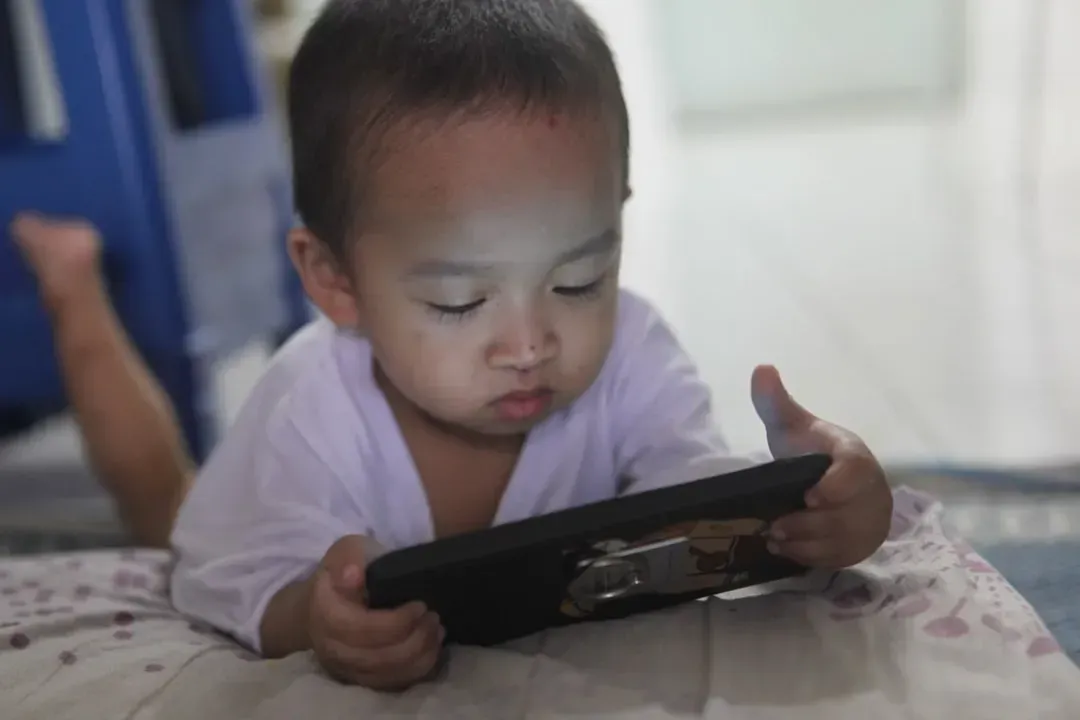
Letting screens fill the quiet moments (Image Credits: Unsplash)
Screens weren’t part of most people’s mental picture of infancy a generation ago, but they’ve quietly become a go to soothing tool for tired parents. Recent brain imaging research offers a reason for caution here that goes beyond general worry. Children with higher infant screen time showed an accelerated maturation of brain networks responsible for visual processing and cognitive control, which researchers suggest may result from the intense sensory stimulation that screens provide.
The long term picture is what makes this worth flagging rather than dismissing as another parenting scare. Infants with more screen time showed premature specialization in brain networks involved in visual processing and cognitive control, and these developmental changes were associated with slower reaction times at age eight and higher anxiety at age thirteen. That’s a striking connection between something as ordinary as a phone propped up during a feeding and outcomes years down the road.
Skipping self care and calling it devotion

Skipping self care and calling it devotion (Image Credits: Pexels)
Exhausted parents often frame their own neglect as sacrifice, as if running on empty proves love. The numbers on this are sobering rather than abstract. Nearly one in five women experiences postpartum depression around the world, often owing to a lack of self-care.
The ripple effects reach the baby directly, not just the parent. Mental struggles can cause breastfeeding issues with inappropriate latching and a reduction in responsiveness to the baby’s cues, gradually leading to emotional detachment, while improper rest and nutrition further slow healing and cause hormonal imbalances. A calmer parent secures a more nurturing environment for the baby, which is also essential for brain development and emotional health. Self care in the first year isn’t indulgence. It’s structural to the baby’s wellbeing.
Panicking over every small thing

Panicking over every small thing (Image Credits: Unsplash)
Anxiety in new parents is close to universal, and it usually peaks in those first weeks home from the hospital. The most common mistake every new parent makes is panicking over everything, spending the early years worrying about simple things like the baby’s food, sleep, and cries.
The problem isn’t the worry itself, which is a natural response to a fragile new life. It’s what constant panic does to decision making, pushing parents toward overcorrection, extra interventions, and second guessing every normal fluctuation. It is perfectly fine if a baby is crying for no clear reason, since crying is simply part of being a baby. Learning to distinguish ordinary fussiness from a real concern is a skill that takes practice, not perfection.
Forgetting the marriage or partnership underneath it all

Forgetting the marriage or partnership underneath it all (Image Credits: Unsplash)
A newborn reorganizes a household almost overnight, and it’s easy for a couple’s relationship to slide to the bottom of the list. This isn’t a minor side effect. Once a baby arrives, the couple’s world revolves around the child, and the fun in the marital relationship fades for many couples.
The fix isn’t complicated, even if it’s hard to prioritize in practice. Consciously making time for each other and continuing to grow as a married couple is described as the key to being happy parents who raise happy children. A stable partnership behind the scenes gives a baby a steadier environment than any gadget or milestone chart ever could.
Treating helicopter habits as caution rather than a pattern

Treating helicopter habits as caution rather than a pattern (Image Credits: Pixabay)
Hovering doesn’t start with toddlers learning to climb stairs. It often begins in infancy, with parents who reflexively step in at the first sign of struggle. The habit is understandable, but the research on where it leads is worth taking seriously early rather than after it’s calcified.
Research shows that children of helicopter parents often experience higher rates of anxiety and lower self-esteem, while allowing age-appropriate challenges and occasional failure helps build resilience and self-confidence. A baby doesn’t need protection from every small frustration, like reaching a bit too far for a toy or working through a moment of fussing before being picked up. Those tiny struggles are where early self-regulation starts to form.
Underestimating how much responsive care actually matters

Underestimating how much responsive care actually matters (Image Credits: Pexels)
Underneath nearly every mistake on this list sits the same missing ingredient, responsiveness. It’s easy to focus on gear, schedules, and milestones while losing sight of the simple act of noticing and answering what a baby is communicating in the moment.
According to Harvard’s Center on the Developing Child, responsive, attentive relationships with caring adults help build a strong foundation for brain architecture and future wellbeing. A baby’s brain forms over one million new neural connections per second, and these connections are strengthened or weakened based on experiences, including how caregivers respond during challenging moments. That’s not a call for constant hovering. It’s a reminder that presence, more than any product or plan, is doing the real work.
Final thoughts

Final thoughts (Image Credits: Pexels)
None of this means the first year has to be lived in a state of hyper vigilance about doing everything correctly. Mistakes happen, and most of them are recoverable, especially when a parent notices, adjusts, and stays present the next time around.
The thread running through nearly every misstep covered here is the same one: prioritizing a plan, a chart, a screen, or a fear over the actual baby in the room. Loosening that grip, even slightly, tends to make the whole year feel less like a test and more like what it actually is, a relationship still being built one ordinary day at a time.