
There's a particular kind of town where neighbors still wave from porches, where the local festival gets more volunteer sign-ups than paid staff, and where moving away feels less like an upgrade and more like a loss. These places don't always show up on glossy "best places to live" rankings built around cost of living or job growth. Instead, they earn their reputation the slow way, through decades of shared traditions, block parties, and the kind of mutual reliance that turns strangers into something closer to family.
What follows are five American towns where that sense of belonging isn't a marketing slogan. It's baked into the calendar, the volunteer rosters, and the way locals talk about the place when asked why they've stayed.
1. Bisbee, Arizona
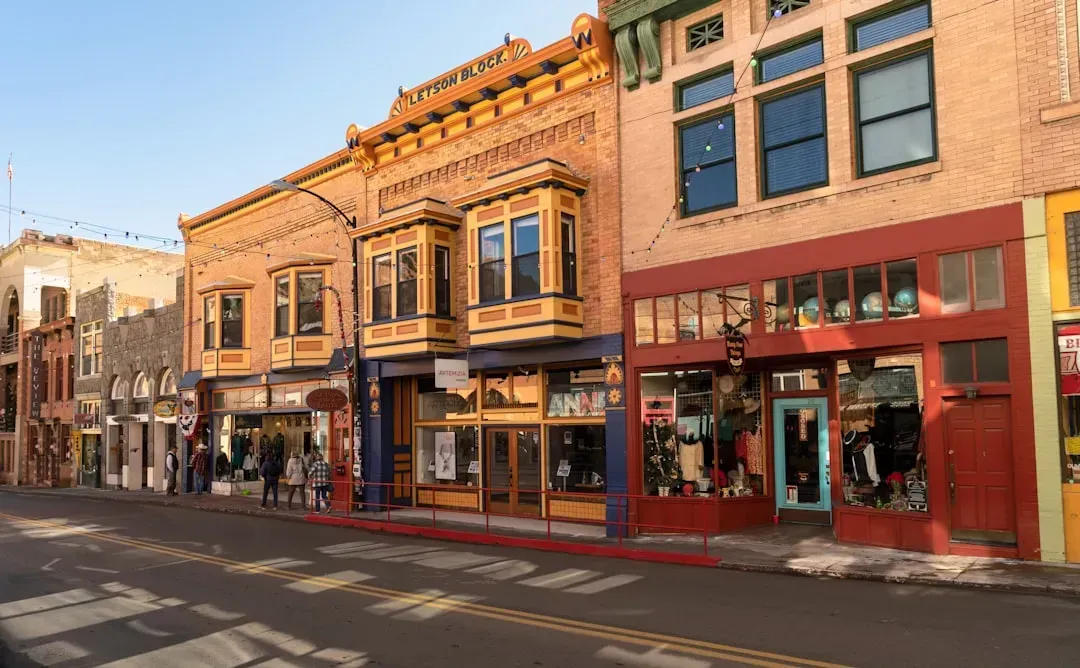
1. Bisbee, Arizona (Image Credits: Unsplash)
Tucked into the Mule Mountains near the Mexican border, Bisbee started life as a copper boomtown and somehow reinvented itself as one of the most welcoming small communities in the Southwest. Once a copper mining boomtown, it has reinvented itself as a haven for free spirits. After the mines closed for good in the 1970s, city leaders leaned into heritage tourism rather than let the town fade, and Bisbee’s mayor, with the cooperation of Phelps Dodge, implemented development of a mine tour and historic interpretation of a portion of the Copper Queen Mine as part of an effort to create heritage tourism as another economic base to compensate for the financial loss due to the end of the mining industry.
What keeps people rooted here today is less about scenery and more about participation. Quirky, artistic, and radically inclusive, Bisbee is the highest-ranking town in the Southwest for openness, and that shows up every fall during the Bisbee 1000 Stair Climb, where even if you don’t race, the cheering sections set up by residents along the route are legendary. Travel writers have long noticed the effect too, once describing Bisbee’s “downtown that looks straight out of a storybook.” It’s a town built on switchbacks and staircases, which somehow forces people to bump into each other constantly, and that daily friction seems to be exactly the point.
2. Leavenworth, Washington
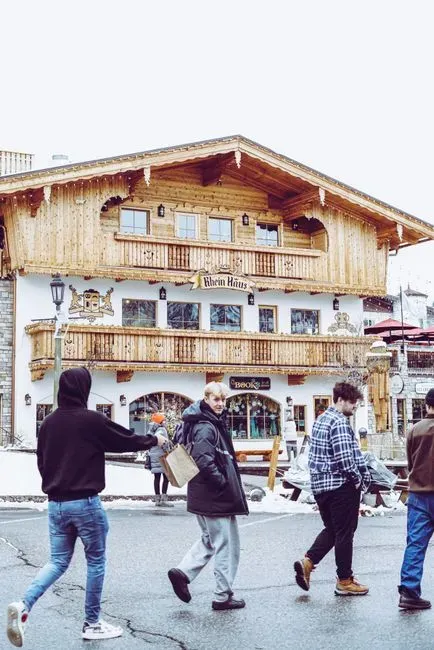
2. Leavenworth, Washington (Image Credits: Pexels)
Leavenworth is proof that a struggling town can rebuild its identity from scratch and get an entire population to buy in. When the logging and railroad industries collapsed in the 1960s, the community made a collective decision to remake its Main Street in Bavarian style, and the entire town center is modeled on a Bavarian village as part of a civic initiative that began in the 1960s. That wasn’t a decision made by a handful of business owners. It required near universal cooperation from homeowners, shopkeepers, and even chain franchises willing to redesign their storefronts.
The payoff has been enormous, with the Bavarian Village and recreation and cultural activities attracting 2 million visitors annually; good schools; high volunteering culture; low rate of crime; warm climate with low humidity seven months of the year. What’s notable is how a town of roughly 2,300 residents keeps its identity intact despite the crowds, since Leavenworth, with a population of only 2,300, welcomes more than 2.5 million visitors every year. Locals have also shown they’ll protect the town’s character over profit. For years, residents held off on adding an Oktoberfest celebration at all, because until 1998, there were no Oktoberfest celebrations, as some townspeople believed that this might hurt the family-friendly atmosphere of the town.
3. Beaufort, South Carolina
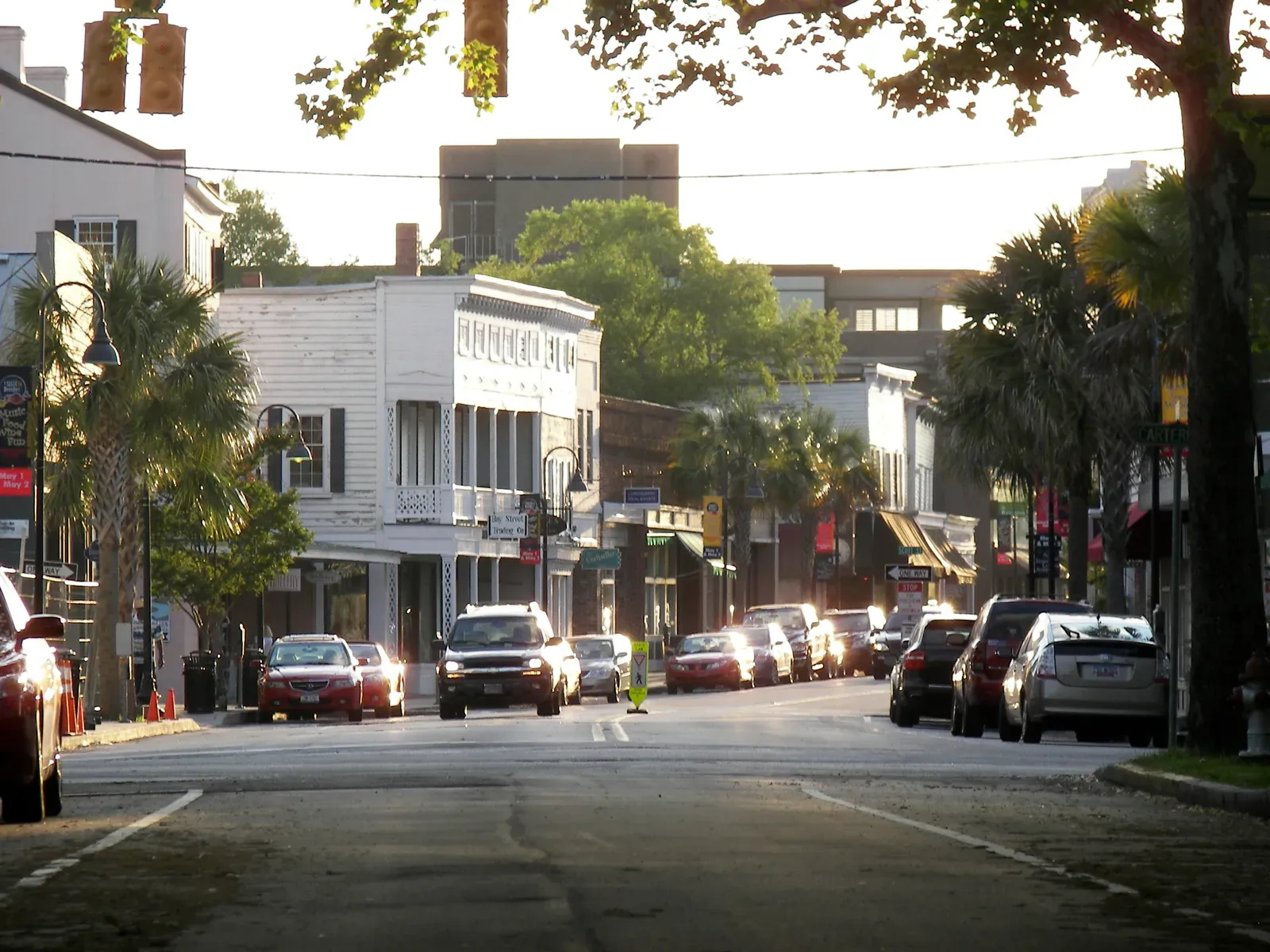
3. Beaufort, South Carolina (Image Credits: BeaufortTiger created this work entirely by him/herself., <a href="https://commons.wikimedia.org/w/index.php?curid=8823093" target="_blank" rel="noopener">Public domain</a>)
Beaufort’s identity is inseparable from its summer festival, and the numbers behind it reveal just how much the town runs on volunteer labor rather than paid staff. The Water Festival is the longest running festival on the entire east coast that is coordinated by volunteers only, with no paid employees. Every July, roughly the same civic machinery kicks into gear, and with the dedication of over 400 volunteers, top-notch entertainment is made affordable through the support of loyal sponsors. This year marked a milestone, since Beaufort’s famously long Water Festival celebrated its 70th year when it kicked off on July 17, 2026.
What makes the festival remarkable isn’t just its longevity but the loyalty it inspires across generations. Longtime organizers describe the volunteer crews as something close to an extended family, watching each other’s kids grow up over decades of shared summers. The event has become one of the longest-running and biggest summer events, drawing tens of thousands of visitors to the area each July. For a town this size, pulling that off year after year without paid staff says a lot about how deeply residents feel invested in each other.
4. Northampton, Massachusetts
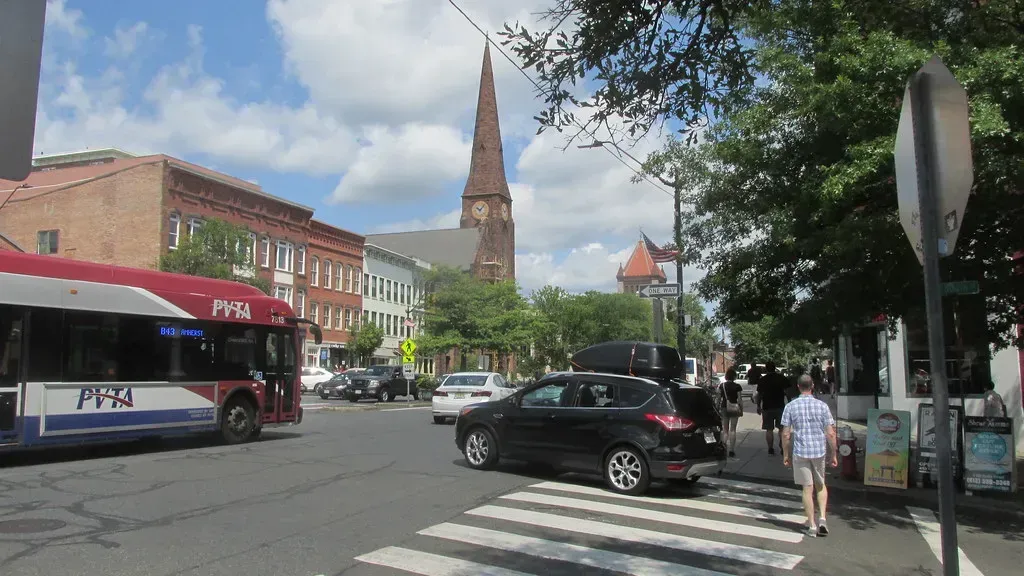
4. Northampton, Massachusetts (Goosefriend, Flickr, <a href="https://creativecommons.org/licenses/by/2.0/" target="_blank" rel="noopener">CC BY 2.0</a>)
Northampton’s sense of community has centuries behind it, which is rare even by New England standards. Northampton’s community dates back to 1654, when a group of Englishmen settled near the Connecticut River, attracted by its fertile land and trading potential with the area’s Native Americans. That long history has produced a place where generations of residents have called Northampton home, shaping it into the tight-knit, neighborly community it is today.
The town has also managed something tricky: staying culturally vibrant without losing its neighborly character. The town features restaurants that have been around for 75 years, 150-acre parks, and a focus on supporting local shops, all contributing to a tight-knit community that values mutual support. Its arts scene, historic downtown, and college-town energy from nearby Smith College give it a cosmopolitan edge, yet longtime residents still describe it in distinctly small-town terms. That combination, old-money history paired with everyday warmth, is part of why so few people who settle there ever seem to leave.
5. Huntington, West Virginia
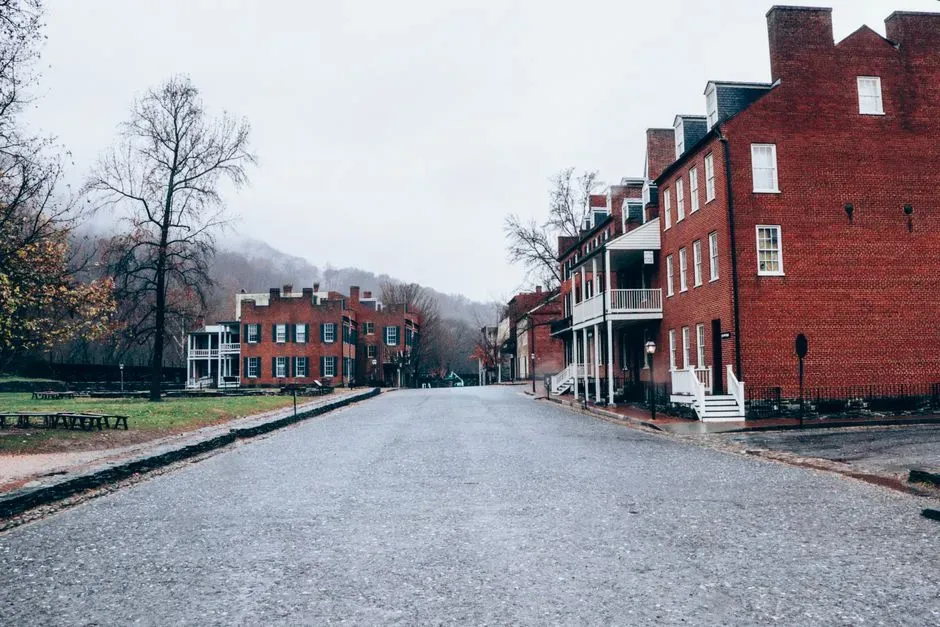
5. Huntington, West Virginia (Image Credits: Pexels)
Huntington sits along the Ohio River in the Appalachian foothills, and it wears its industrial past openly rather than trying to erase it. Huntington is in the western foothills of the Appalachian Mountains, bordering the Ohio River. Despite decades of economic shifts tied to coal and manufacturing, despite its industrial roots, it retains a tight-knit, hometown identity.
Much of that identity gets reinforced through local institutions that double as gathering spaces. The Wild Ramp, a year-round brick-and-mortar nonprofit farmer’s market, supports local farms and small producers, giving residents a reason to see the same faces week after week. The city has also worked to diversify beyond its industrial roots, functioning today as a center for transportation, education, and cultural engagement. It’s the kind of town where civic pride isn’t performative. It’s just what happens when people have relied on each other through hard decades and kept showing up anyway.