
Anyone who has spent time behind a register knows the checkout line has its own quiet etiquette. Most shoppers never think twice about the small requests they make while paying, but cashiers notice every single one. Some habits slow down the line, create extra work, or just make an already repetitive job a little more tiring.
None of these things are dramatic offenses, and most cashiers would never say anything out loud. Still, after enough repeat customers doing the same thing, patterns start to stand out. Here are twelve checkout requests that tend to test a cashier’s patience more than shoppers realize.
1. Asking for exact change down to the penny

1. Asking for exact change down to the penny (Image Credits: Pexels)
Digging through a wallet or purse for the precise combination of coins to avoid getting change back feels efficient to the customer, but it often does the opposite. Cashiers have to wait, sometimes for a full minute or more, while someone counts out nickels and pennies one at a time. Multiply that across a busy shift and it adds up to real delays for everyone else in line.
The irony is that most modern registers calculate change instantly, so the time saved is minimal. What actually happens is a bottleneck that frustrates the people waiting behind that customer. A quick card tap or a rounded bill usually keeps things moving far more smoothly.
2. Splitting one purchase into multiple separate transactions
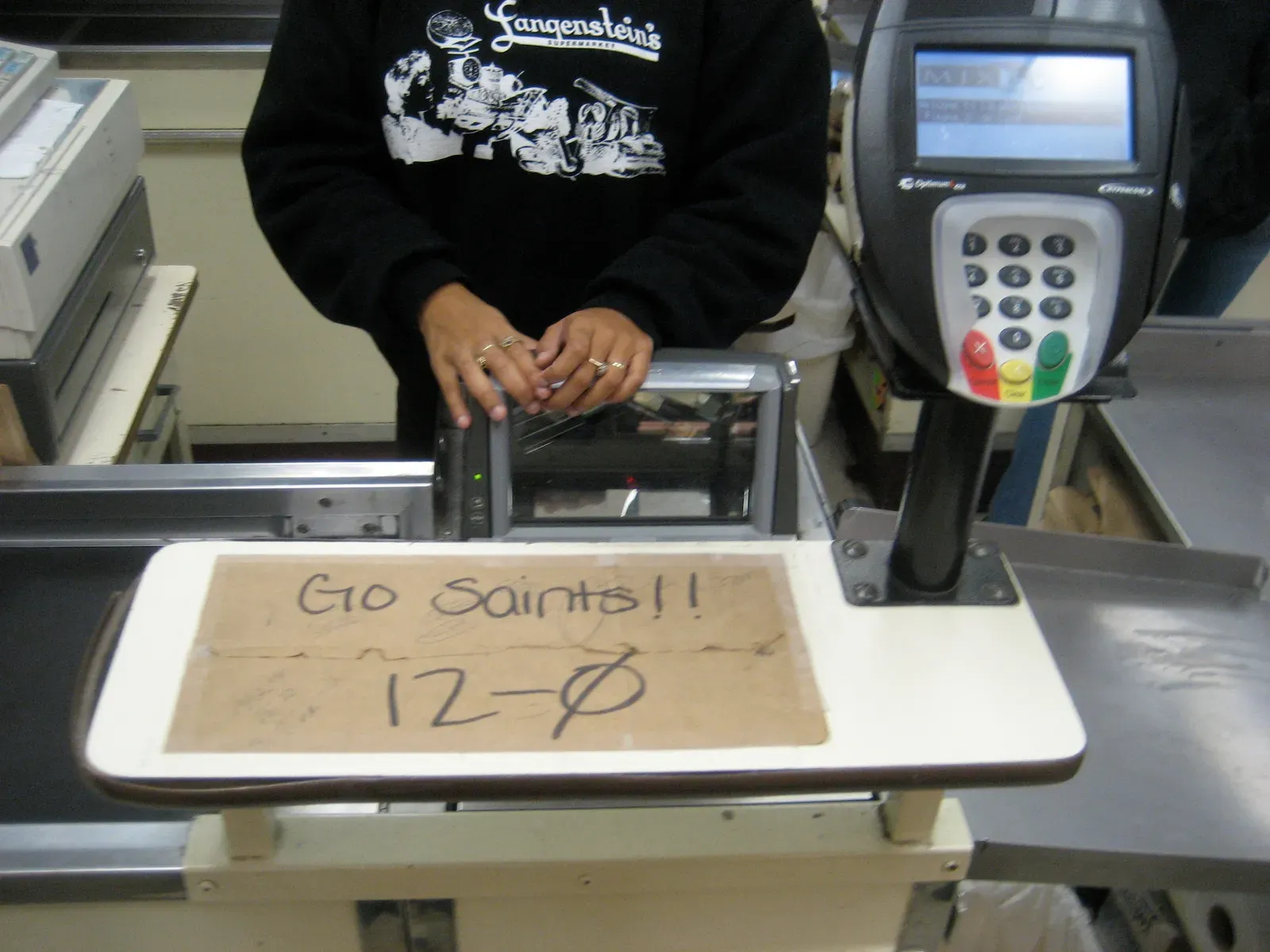
2. Splitting one purchase into multiple separate transactions (Photo by Infrogmation, <a href="https://commons.wikimedia.org/w/index.php?curid=8721186" target="_blank" rel="noopener">CC BY-SA 2.5</a>)
Some shoppers ask to pay for groceries in several transactions, often to track a budget or use different payment methods for different categories. While understandable, this requires the cashier to void and rebuild parts of the sale multiple times. Each split means rescanning items, recalculating totals, and sometimes printing several receipts.
This process can easily double or triple the checkout time for a single customer. It is not against store policy, but it does create a longer wait for the line forming behind them. Most experienced cashiers say the requests they dread most are the ones involving three or more separate payments for one cart.
3. Requesting a price check after everything is already scanned

3. Requesting a price check after everything is already scanned (Image Credits: Pexels)
Asking about a price is completely reasonable, but timing matters. When a customer waits until every item has been rung up and bagged before asking whether something matches an advertised sale price, it forces the cashier to stop mid-transaction. That often means calling for a manager or walking to check a shelf tag while the line stalls.
Price accuracy laws in many states do require corrections when errors are found, so the request itself is fair. The annoyance comes from the timing, not the question. Asking before scanning, or mentioning a sale price up front, avoids the backtracking altogether.
4. Insisting on a manager for a small discount
4. Insisting on a manager for a small discount (Image Credits: Pexels)
A missing coupon or an expired promo code sometimes leads customers to demand a manager override rather than accepting the cashier’s explanation. Store systems typically require managerial approval for adjustments beyond a certain dollar amount, so cashiers are not simply being difficult when they say no on their own. Escalating a two or three dollar discrepancy still pulls a manager away from other duties and holds up the line.
Most cashiers do want to help and will offer alternatives when possible, like suggesting a rain check or checking for a similar promotion. The frustration builds when the request turns into an argument over policy the cashier did not create. Retail training programs consistently emphasize that front line staff have limited discretion on pricing for exactly this reason.
5. Asking for a bag for a single small item
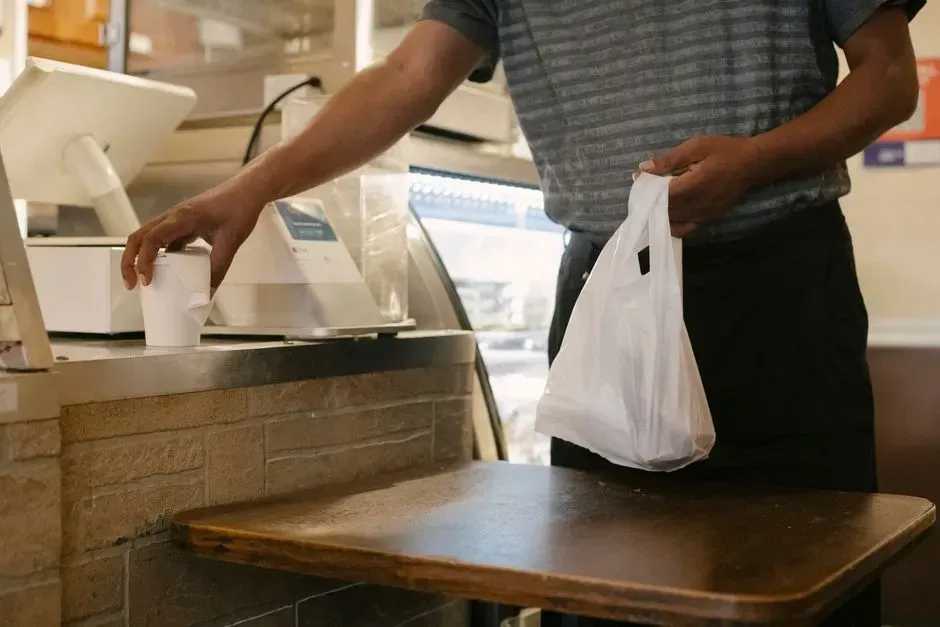
5. Asking for a bag for a single small item (Image Credits: Pexels)
Requesting a bag for one candy bar or a single greeting card seems harmless, but with plastic bag fees or bans now active in numerous states and cities, it creates an extra step every time. Cashiers have to ask if the customer wants to pay the fee, process that separately in some point of sale systems, and manually bag an item that could easily go in a pocket or purse. In areas with strict bag regulations, this small request can turn into a longer explanation than the transaction itself.
Environmental policies in states like California, New York, and New Jersey have made bag fees a permanent part of the checkout conversation. Cashiers are often the ones fielding pushback when customers are surprised by the charge. It is a small moment, but it repeats dozens of times a shift in high traffic stores.
6. Ordering by pointing at receipts instead of using self checkout properly

6. Ordering by pointing at receipts instead of using self checkout properly (Image Credits: Unsplash)
At self checkout kiosks, some customers wave down a cashier to scan every item for them rather than doing it themselves, essentially treating an unassisted lane like a full service one. This defeats the purpose of the self checkout design and pulls the attendant away from monitoring several machines at once. Retailers have leaned heavily into self checkout expansion over the past few years specifically to reduce staffing needs, so when customers avoid scanning altogether, it strains the system it was meant to simplify.
Self checkout attendants are usually responsible for four to eight machines simultaneously. When one customer needs full manual assistance, the other machines sit unmonitored, which can trigger error alerts or slow down everyone else. It is a small ask that has a ripple effect across the whole self checkout area.
7. Asking the cashier to guess an unmarked produce item
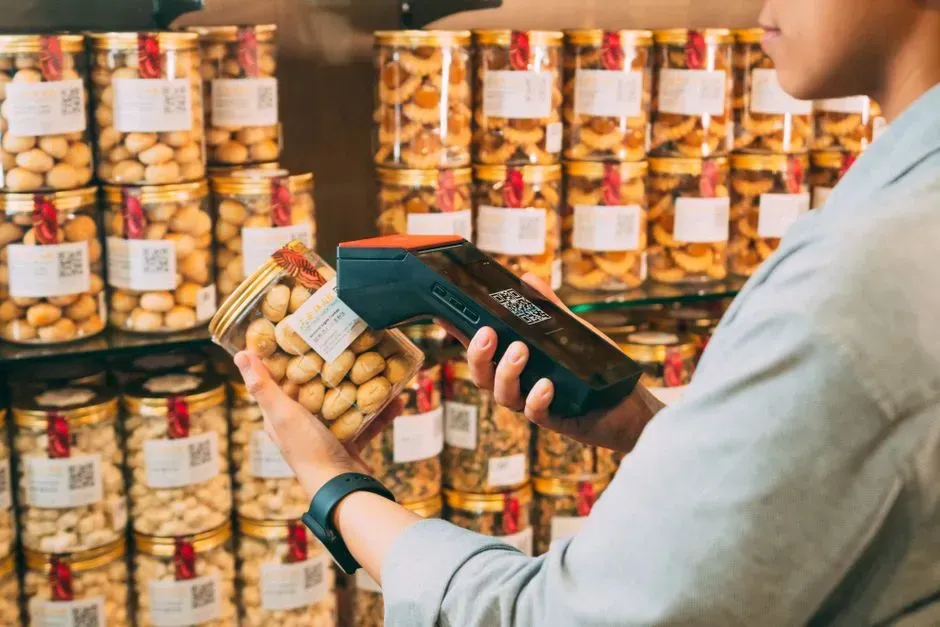
7. Asking the cashier to guess an unmarked produce item (Image Credits: Pexels)
Produce without a visible price look up code puts cashiers in a guessing game, and asking them to identify an unfamiliar vegetable or specialty fruit on the spot adds pressure they did not sign up for. Grocery chains typically train staff on common produce codes, but exotic or seasonal items can still stump even experienced employees. Guessing wrong means either overcharging the customer or undercharging the store, neither of which anyone wants.
Some stores have shifted toward barcode scanning stations in the produce section itself to cut down on this exact problem. Until that becomes universal, cashiers are often left flipping through a laminated code sheet while a line builds behind an unmarked bag of parsnips. A quick photo of the sign in the produce aisle can save everyone the awkward guessing.
8. Requesting cash back on a small debit purchase
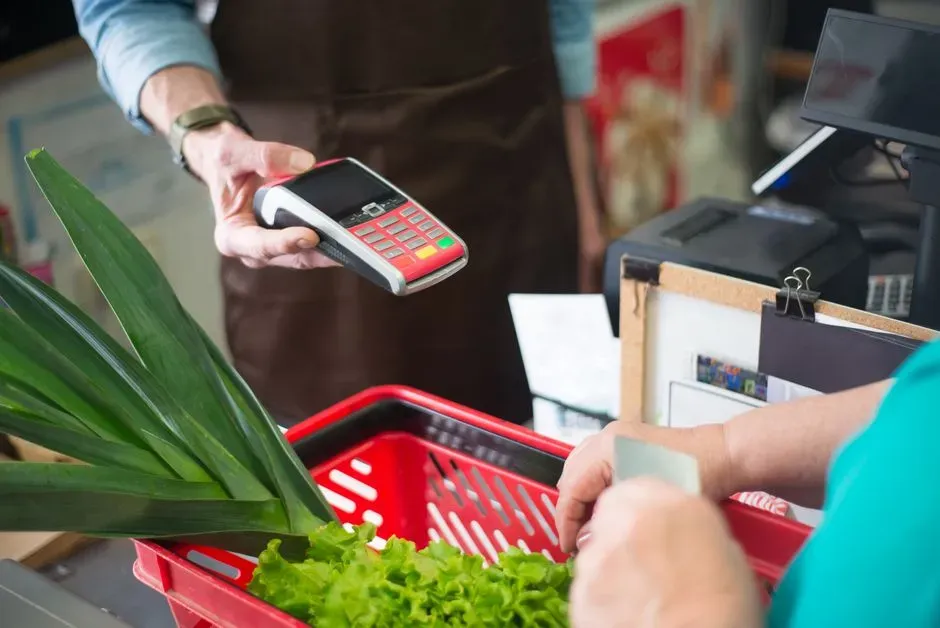
8. Requesting cash back on a small debit purchase (Image Credits: Pexels)
Cash back at checkout is a convenient feature, but asking for it on a two or three dollar purchase means the cashier has to count out bills from a limited drawer supply. If several customers request cash back in a row, the drawer can run low, forcing a mid shift reconciliation or a call for more cash from the safe. That interruption pulls the cashier away from the line entirely.
Banking data has shown cash usage declining steadily since 2020, which means many registers now carry smaller cash reserves than they used to. A large cash back request on a tiny purchase can genuinely drain what is left in the drawer faster than expected. It is not an unreasonable ask, but the timing and amount both matter more than most shoppers realize.
9. Asking for a rain check without checking store policy first
9. Asking for a rain check without checking store policy first (Image Credits: Unsplash)
When a sale item is sold out, some customers immediately ask for a rain check, assuming every store offers one automatically. In reality, rain check policies vary significantly by retailer, and many chains stopped offering them years ago due to inventory tracking costs. Cashiers often have to explain, sometimes repeatedly in the same shift, that the policy simply does not exist at that particular store.
This creates an awkward moment where the customer feels denied something they consider standard, even though it was never guaranteed in the first place. Store associates are left playing messenger for a corporate decision they had no part in making. A quick check of the store’s website or a call ahead can avoid the disappointment entirely.
10. Ordering complicated custom deli or bakery requests at the register
10. Ordering complicated custom deli or bakery requests at the register (Image Credits: Pexels)
Bringing a detailed custom order, like a specific deli meat thickness or a last minute cake message, directly to the checkout cashier instead of the deli or bakery counter puts staff in an awkward spot. Checkout employees typically do not have training or access to those departments, so the request either gets denied or requires paging another employee while the line waits. This mismatch happens more often than expected, especially during busy holiday shopping periods.
Grocery store departments are generally siloed for a reason, with deli and bakery staff trained on food safety protocols that checkout cashiers are not certified for. A cashier trying to handle a bakery request risks violating those protocols entirely. Heading to the correct counter first almost always resolves the issue faster anyway.
11. Asking for a receipt reprint for a purchase from weeks ago

11. Asking for a receipt reprint for a purchase from weeks ago (Image Credits: Pexels)
Return policies at most retailers require a receipt within a specific window, often thirty to ninety days, and customers sometimes ask cashiers to dig up or reprint a receipt for something purchased well outside that range. Point of sale systems can usually pull recent transaction history, but older purchases may require searching through archived records that take significantly longer to access. This turns a simple request into a multi minute search while other customers wait.
Many chains have shifted toward digital receipts and loyalty account lookups specifically to make this easier, but not every customer has that account set up. When someone insists on a paper trail for a month old purchase, the cashier is often stuck explaining system limitations rather than actually solving the problem. Keeping receipts or opting into email versions avoids this entirely.
12. Requesting item by item price confirmation before ringing up
12. Requesting item by item price confirmation before ringing up (Image Credits: Pexels)
Some shoppers ask the cashier to state the price of every single item out loud before scanning, wanting to budget in real time as they go. While understandable for cost conscious shopping, this slows the natural rhythm of scanning significantly, since most registers display prices only after the item passes the scanner. Cashiers end up either scanning twice or manually looking up shelf prices to satisfy the request before ringing it in.
Price transparency apps and store loyalty programs have made it easier to check prices before even reaching the register, which reduces the need for this back and forth. Still, habits are hard to break for shoppers used to manual price checking from years past. A quick scan through a store app beforehand tends to solve the same problem without holding up the line.
None of these requests are rule breaking or rude in any legal or formal sense. They are simply small frictions that repeat dozens or even hundreds of times across a single shift, and that repetition is what wears on checkout staff more than any single customer ever could. Understanding the mechanics behind each request, from cash drawer limits to receipt archive systems, makes it easier to see why cashiers react the way they do, even when they never say a word about it.