
Organization rarely looks like matching bins and label makers. More often, it shows up in small habits nobody notices, quiet routines that keep a home running smoothly without much fanfare. If any of the following sound like second nature to you, there's a good chance your household operates more smoothly than you give yourself credit for.
1. You deal with mail the moment it arrives
1. You deal with mail the moment it arrives (Image Credits: Unsplash)
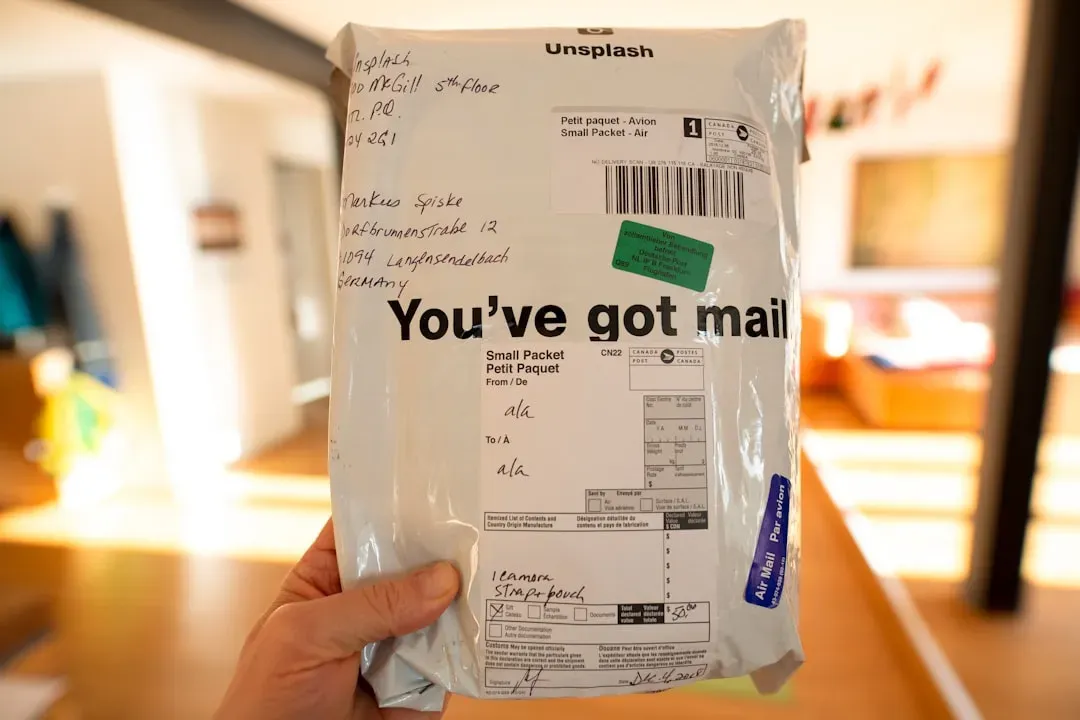
Instead of letting envelopes pile up on the kitchen counter, you sort through mail within minutes of bringing it inside. Bills go into one spot, junk gets tossed immediately, and anything requiring action gets handled or scheduled right away. This habit prevents the classic “mail mountain” that so many households struggle with.
Financial organizers often point out that unopened mail is one of the most common sources of missed payments and late fees. A quick daily sort takes less than five minutes but saves hours of frantic searching later when a bill deadline sneaks up unexpectedly.
2. You make your bed every morning
2. You make your bed every morning (Image Credits: Unsplash)
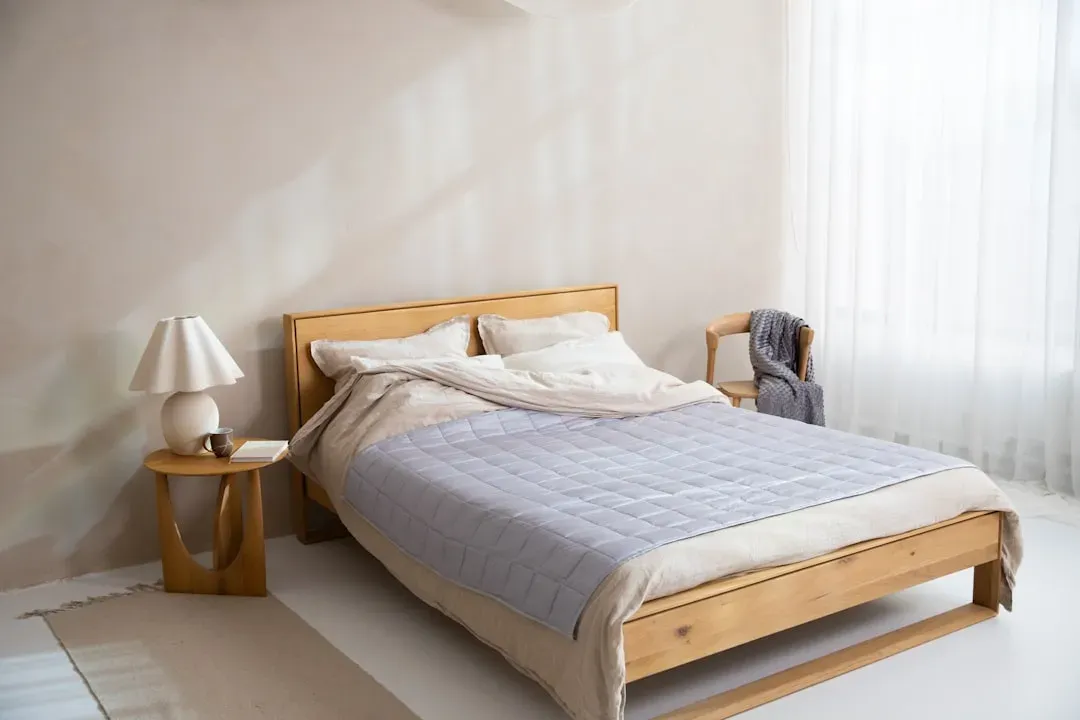
It sounds almost too simple to matter, but making your bed is one of those small acts that sets a tone for the rest of the day. Rooms feel instantly tidier with a made bed, even if everything else around it is a work in progress. It’s a two-minute task that creates a visual anchor of order in an otherwise busy space.
Behavioral researchers have long noted that small completed tasks early in the day can create momentum for further productivity, a concept sometimes called the “keystone habit” effect. People who make this a non-negotiable morning ritual tend to report feeling more in control of their space overall.
3. You keep a running grocery list
3. You keep a running grocery list (Image Credits: Pexels)
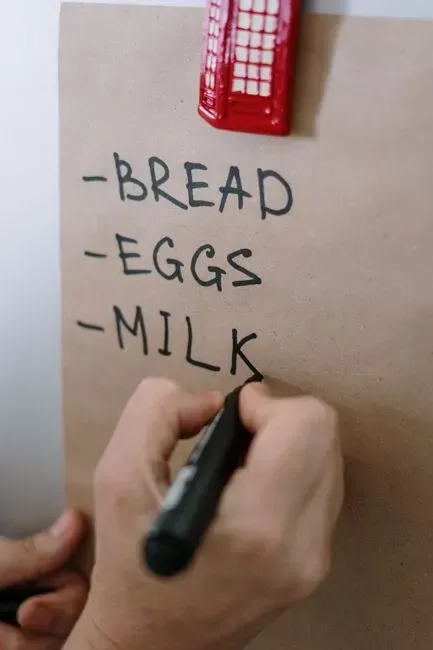
Rather than trying to remember what’s missing from the fridge, you jot items down the moment you notice you’re running low, whether on a notepad stuck to the fridge or a shared phone app. This prevents the frustrating cycle of arriving at the store, forgetting half of what you need, and making a second trip days later. It also cuts down on impulse buys since you’re shopping with intention rather than wandering the aisles.
Grocery apps like AnyList and Out of Milk have grown in popularity over the past few years precisely because shared, real-time lists reduce food waste and duplicate purchases. Households that plan meals around a running list tend to spend less per trip and throw away less spoiled food, according to consumer behavior studies on meal planning habits.
4. You do a nightly five-minute reset

4. You do a nightly five-minute reset (Image Credits: Pexels)
Before bed, you take a few minutes to clear surfaces, put stray items back where they belong, and reset the living room or kitchen to a baseline of tidy. It’s not deep cleaning, just enough to avoid waking up to yesterday’s mess. This tiny investment at night pays off by making mornings noticeably calmer.
Professional organizers frequently recommend this exact strategy because it prevents clutter from compounding day after day. A five-minute reset is far less overwhelming than a weekend spent untangling a month’s worth of accumulated disorder.
5. You label things without being asked
5. You label things without being asked (Image Credits: Unsplash)
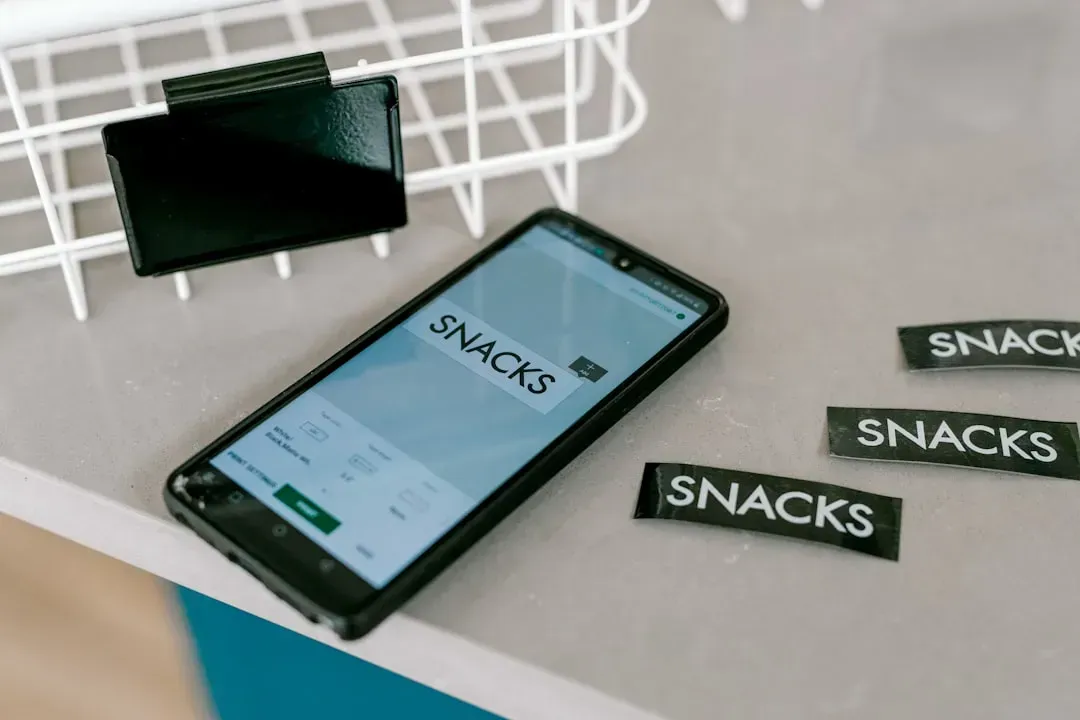
Whether it’s leftovers in the fridge, storage bins in the closet, or cords tucked behind the TV, you naturally reach for a label maker or masking tape and a marker. This isn’t about aesthetics so much as function, it means anyone in the household can find what they need without asking. Labeling also cuts down on duplicate purchases, since it’s easier to see what you already have.
Home organization surveys consistently show that labeled storage systems are maintained longer than unlabeled ones, largely because they remove the guesswork that leads to clutter creeping back in. It’s a small habit, but one that quietly signals a household built around systems rather than chaos.
6. You unsubscribe and unfollow without guilt

6. You unsubscribe and unfollow without guilt (Image Credits: Pexels)
Digital clutter counts too, and you’re the type to unsubscribe from marketing emails, mute noisy group chats, and unfollow accounts that no longer add value. This keeps your phone and inbox from becoming their own kind of mess. It’s a habit that mirrors physical decluttering but applies to the digital spaces that eat up just as much daily attention.
Digital wellness researchers have noted that inbox overload contributes measurably to daily stress and decision fatigue. People who regularly prune their digital subscriptions report feeling less mentally scattered, even if the change seems minor on the surface.
7. You have a designated spot for everyday essentials
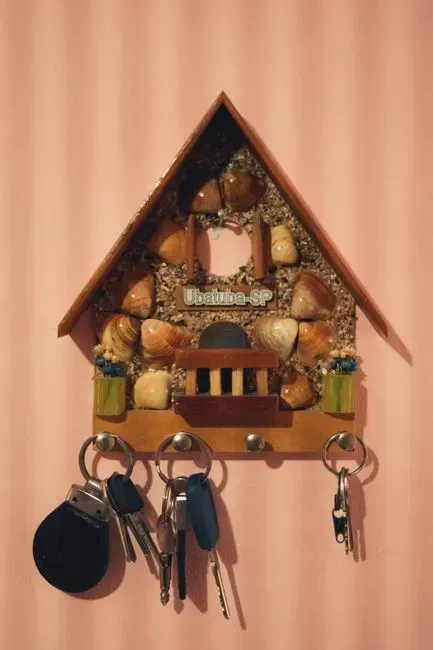
7. You have a designated spot for everyday essentials (Image Credits: Pexels)
Keys, wallet, sunglasses, and chargers all have a specific home in your house, whether that’s a bowl by the door or a small tray on a dresser. This means you’re rarely searching for these items in a last-minute scramble before leaving. It’s a habit that seems minor until you consider how much time it saves over weeks and months.
Time-management studies have found that the average person spends a notable chunk of time each week looking for misplaced everyday items like keys and phones. A consistent drop zone eliminates that friction almost entirely, which is why so many professional organizers push this as one of the first habits to establish in any home.
8. You do laundry in small, regular batches

8. You do laundry in small, regular batches (Image Credits: Gallery Image)
Instead of letting laundry pile up until it becomes an all-day production, you run smaller loads more frequently, folding and putting things away as you go. This keeps the laundry room or hallway from turning into a permanent basket graveyard. It also means you’re rarely without clean clothes for whatever the week throws at you.
Home efficiency experts often point to this approach as more sustainable long-term than marathon laundry days, since smaller loads are less overwhelming to fold and put away immediately. The habit reflects a broader pattern common among organized households: handling tasks in manageable pieces rather than letting them build into something dreaded.
None of these habits require expensive systems or a complete home overhaul. They’re small, repeatable actions that, stacked together, quietly separate organized households from the rest. If several of these already describe your daily routine, your home is likely running better than you realize.