
Spend enough time working the floor of a nice restaurant and you start noticing patterns. The people who never seem to worry about money often behave nothing like the stereotype. They’re not throwing cash around or barking orders. If anything, the quietest, most low-key tables tend to be the ones with the biggest bank accounts.
Servers who’ve spent years in fine dining and upscale casual spots tend to agree on a handful of behaviors that separate genuinely wealthy diners from those just trying to look the part. It’s less about what they order and more about how they carry themselves. Here are fifteen things you’ll almost never catch a truly affluent guest doing at a restaurant.
1. Sending food back over trivial complaints
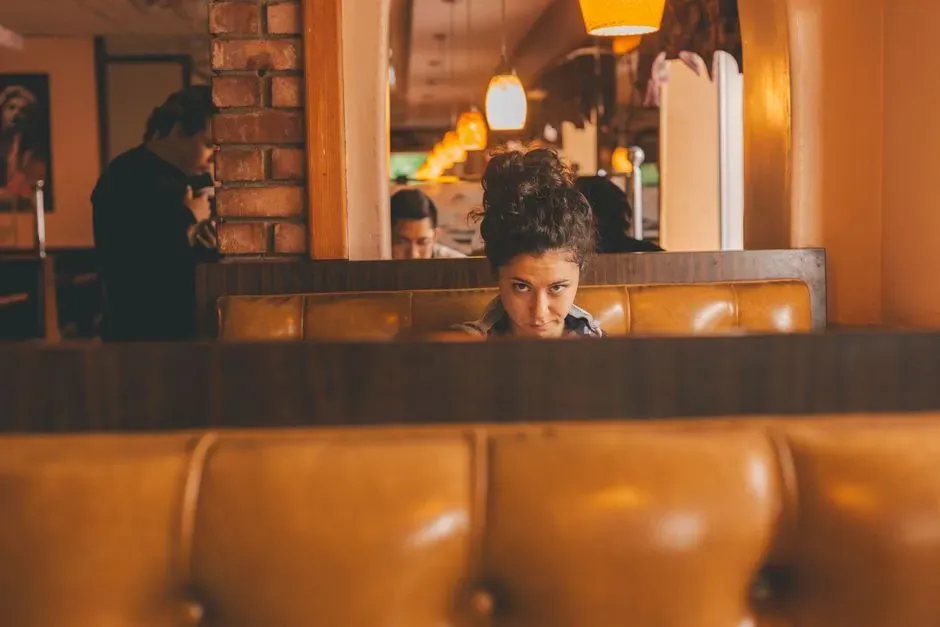
1. Sending food back over trivial complaints (Image Credits: Pexels)
People with real money tend to pick their battles. If a steak is slightly more done than requested or a sauce is a touch heavier than expected, they’ll mention it politely if it matters, but they rarely make a scene. There’s a quiet confidence in not needing every detail to be perfect to enjoy the evening.
This isn’t about being a pushover. It’s about understanding that kitchens are busy, humans make small errors, and a calm word to the server usually fixes things faster than a dramatic complaint ever could. Servers often say the guests who send plates back repeatedly for minor issues are rarely the ones who tip the most or seem the most comfortable in their surroundings.
2. Making a scene about the check
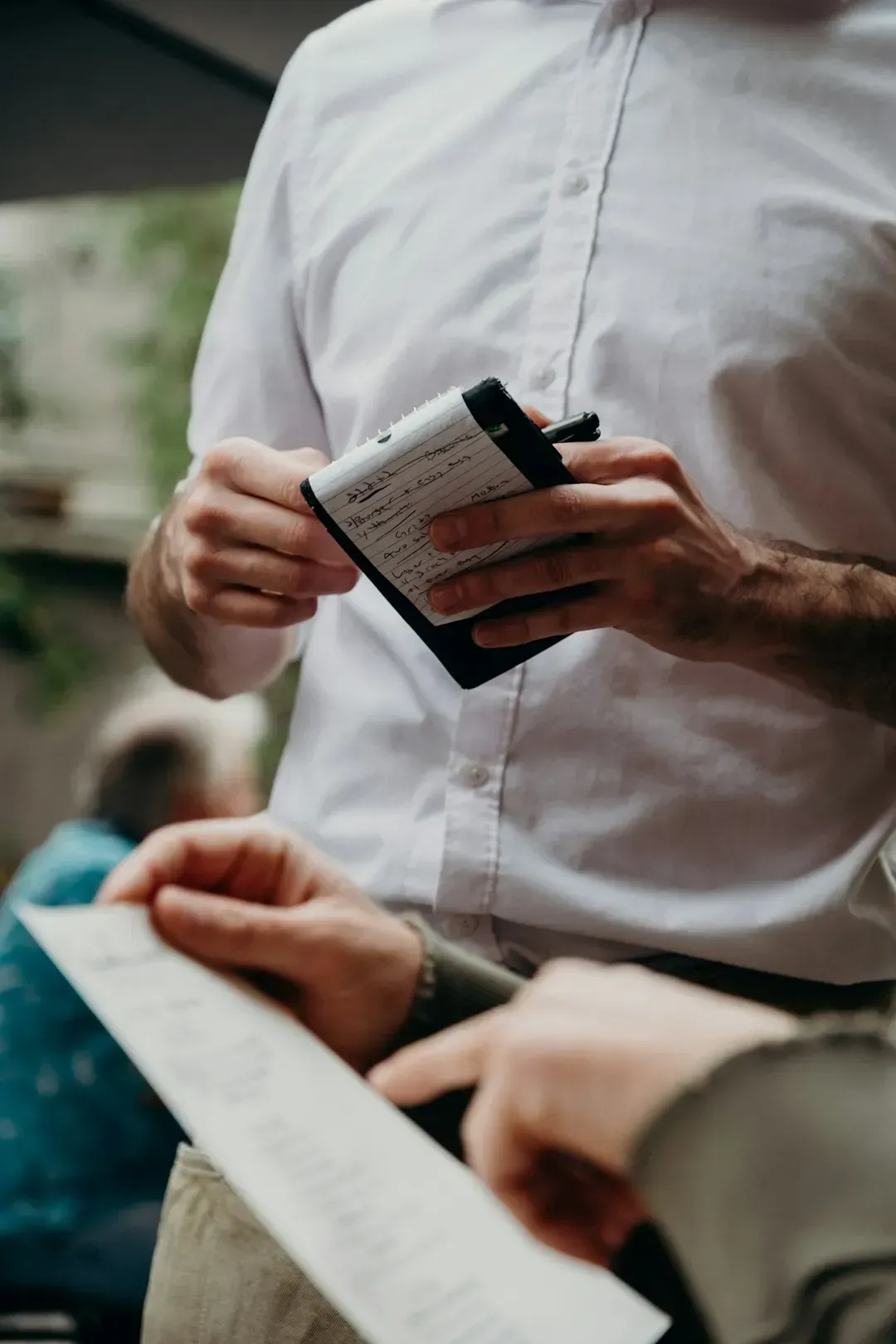
2. Making a scene about the check (Image Credits: Unsplash)
Nothing kills the mood of a table faster than a loud dispute over the bill. Wealthy diners tend to handle payment quietly, sometimes even settling things away from the table or asking for the check to be split discreetly before dessert arrives. They understand that arguing over a twelve dollar discrepancy in front of other guests reflects poorly on everyone involved.
If there’s a genuine error, they’ll flag it calmly and let the server sort it out. The goal is efficiency and discretion, not proving a point. This kind of composure is often mentioned by servers as one of the clearest signals of someone who’s truly comfortable financially.
3. Ordering the priciest item just to prove something
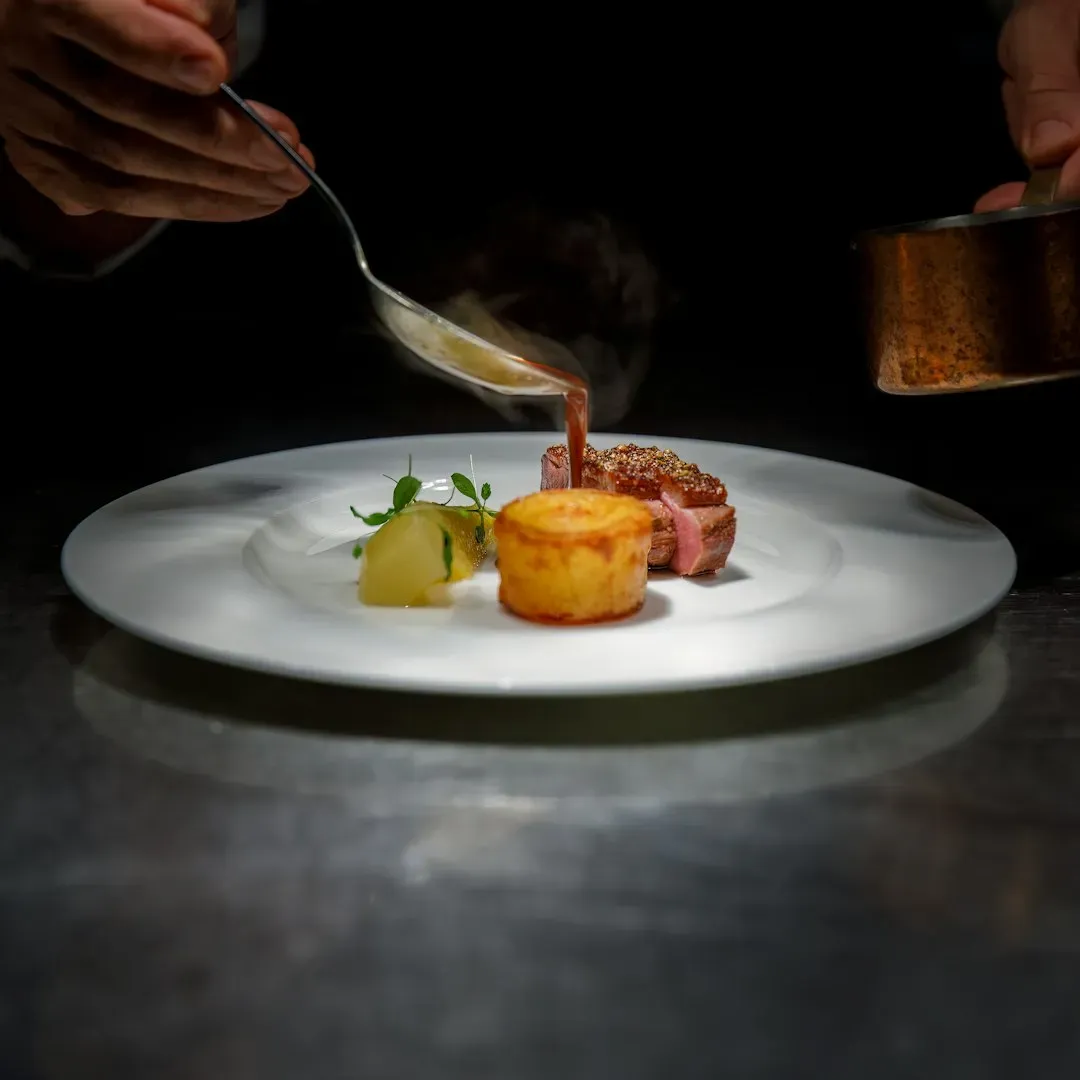
3. Ordering the priciest item just to prove something (Image Credits: Unsplash)
Contrary to what many people assume, affluent diners rarely default to the most expensive dish on the menu automatically. They order what actually sounds good to them, whether that’s a modest pasta dish or the market price seafood special. Status signaling through menu choices tends to be more common among people trying to impress a date or a business contact than among people who eat out frequently and confidently.
Servers often notice that the guests most focused on ordering the biggest, flashiest items are usually the ones least familiar with fine dining norms. Genuine regulars know the kitchen, trust the chef, and often ask for recommendations instead of chasing the highest price tag.
4. Skimping on the tip
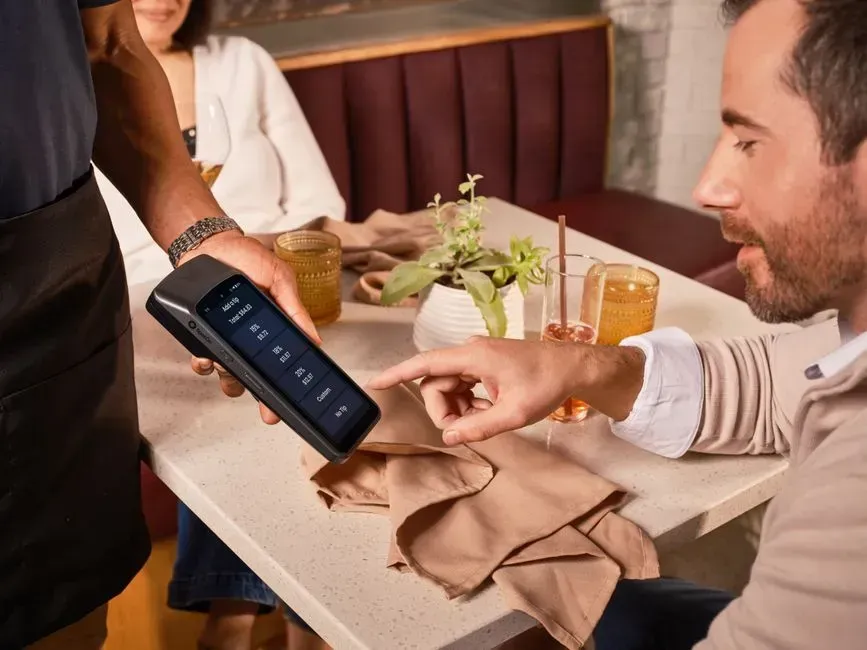
4. Skimping on the tip (Image Credits: Pexels)
This one comes up again and again in conversations with servers. Wealthy patrons, especially regulars at nicer establishments, tend to tip generously and consistently, understanding that service work depends heavily on gratuities in most parts of the United States. Undertipping is far more commonly associated with diners who are stretching their budget to eat somewhere they can’t quite afford.
Consistency matters here too. Someone who tips well every single visit, not just when trying to impress a guest, tends to be the kind of person servers remember fondly and want to take care of on future visits.
5. Demanding a specific table dramatically
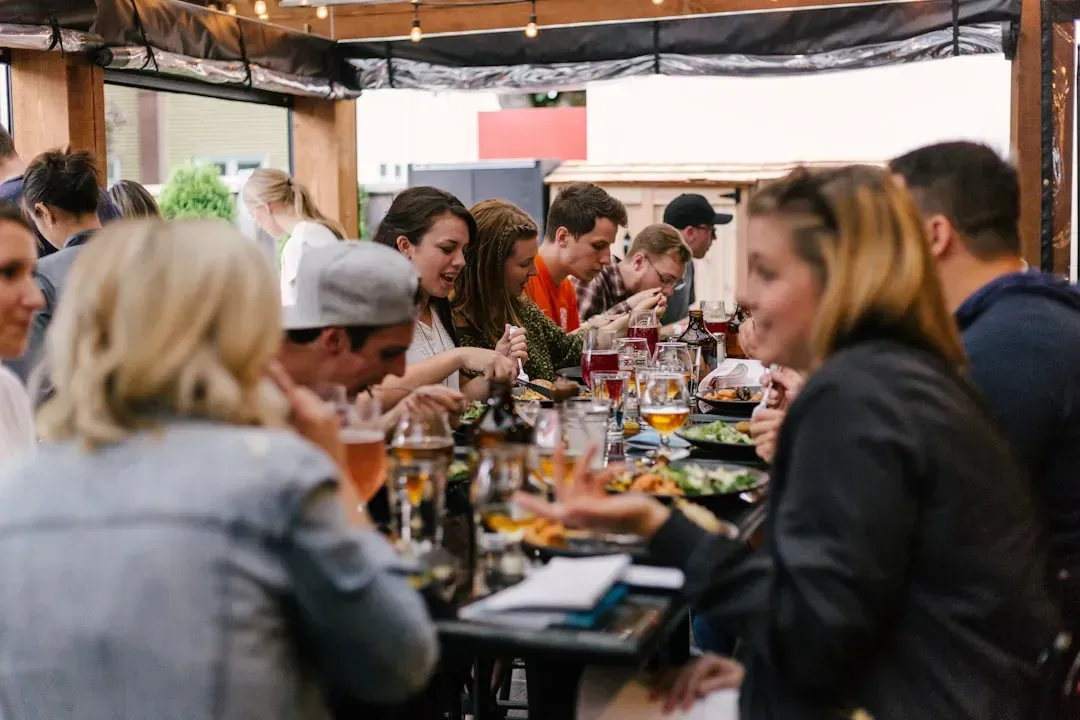
5. Demanding a specific table dramatically (Image Credits: Unsplash)
Table preferences are normal, and there’s nothing wrong with politely requesting a booth or a spot away from the kitchen door. What servers notice, though, is that genuinely well off guests rarely make demands feel like ultimatums. They’ll ask nicely, accept a no gracefully, and move on without fuss.
The loud insistence on a particular table, especially with comments about status or importance, tends to come from people trying to assert authority they don’t quite have. Confidence doesn’t usually need to announce itself that forcefully.
6. Snapping fingers or raising their voice at staff

6. Snapping fingers or raising their voice at staff (Image Credits: Pixabay)
Basic respect for service workers is one of the most consistent traits servers associate with wealthy, well mannered diners. Snapping fingers, whistling, or raising a voice to get attention is rare among this group, largely because it’s simply considered poor form regardless of how much money someone has. A light hand gesture or eye contact usually does the job.
Servers frequently point out that the diners who treat staff dismissively are often overcompensating for insecurity rather than displaying genuine confidence. True comfort with one’s position rarely requires condescension toward the people bringing the food.
7. Ordering excessively to show off
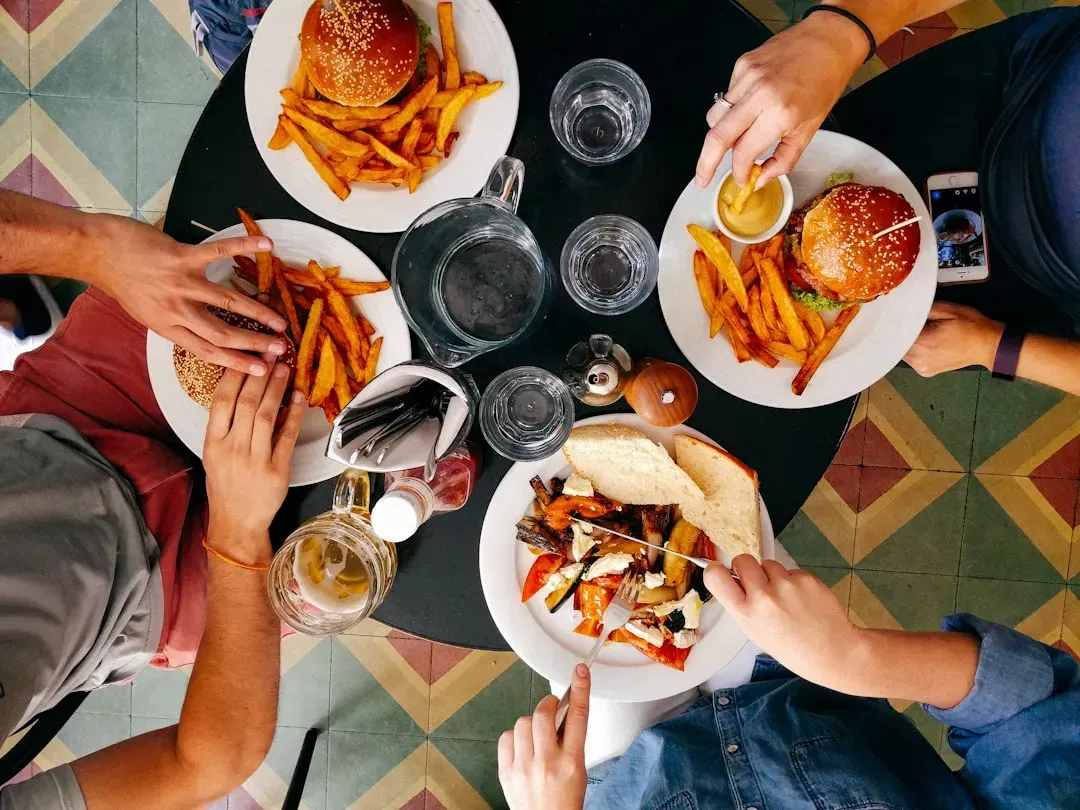
7. Ordering excessively to show off (Image Credits: Unsplash)
Piling the table with appetizers, multiple entrees, and extra sides just to appear generous or important isn’t a habit servers associate with genuinely wealthy regulars. These diners tend to order thoughtfully, often pacing the meal across courses rather than cramming the table with dishes meant to impress onlookers. It’s a subtle difference, but a noticeable one over time.
Excessive ordering followed by half eaten plates sends a different message than intended. Servers say it often reads as insecurity dressed up as generosity rather than genuine hospitality or appetite.
8. Complaining loudly about wait times
8. Complaining loudly about wait times (Image Credits: Unsplash)
Busy restaurants mean wait times, and how someone handles a fifteen or twenty minute delay says a lot. Wealthy diners, particularly those who eat out often, tend to understand that good food and good service take time, especially during peak hours. They’re more likely to order a drink and settle in than to complain to the host stand repeatedly.
This patience often comes from experience. Someone who dines out several times a week knows that a well run kitchen occasionally runs behind, and making a fuss rarely speeds anything up.
9. Requesting an overwhelming list of substitutions
9. Requesting an overwhelming list of substitutions (Image Credits: Unsplash)
Dietary needs are real and reasonable requests are always welcome, but there’s a difference between a genuine allergy and rewriting half the menu to fit a personal preference. Servers say the guests who arrive with a long list of swaps, exclusions, and modifications for every single dish are rarely the ones who seem most at ease in the restaurant. Confident diners tend to trust the chef’s original vision more often than not.
When changes are necessary, they’re usually communicated simply and without extensive explanation. There’s no need to justify a request at length when the ask itself is reasonable and clearly stated.
10. Name dropping or flaunting connections
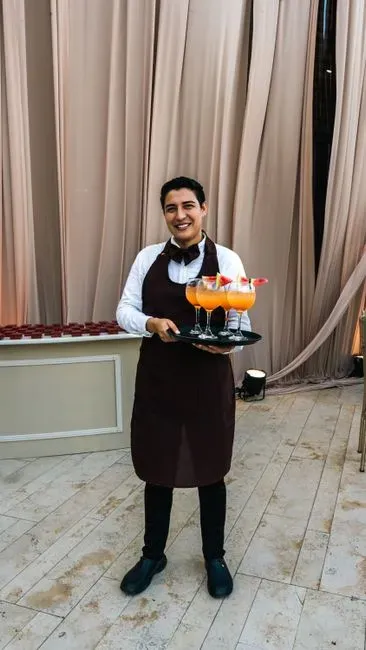
10. Name dropping or flaunting connections (Image Credits: Pexels)
Mentioning a friendship with the chef, a standing reservation policy, or a familiar face among restaurant ownership happens occasionally, but servers note it’s rarely done as a power move by genuinely wealthy guests. When it does come up, it’s usually mentioned in passing rather than used to secure special treatment. The loud insistence on being treated differently because of who they know tends to come from people newer to that kind of social circle.
Real familiarity with a restaurant’s staff usually shows up in small, quiet ways instead, like remembering a server’s name from a previous visit or asking how their week has been.
11. Overexplaining personal preferences
11. Overexplaining personal preferences (Image Credits: Pixabay)
There’s a certain type of diner who feels the need to narrate every reason behind an order, explaining at length why they prefer their meat a certain way or why they avoid a particular ingredient. Servers say this habit is less common among wealthy regulars, who tend to state preferences briefly and trust that the kitchen will handle the rest. Brevity, in this case, often signals comfort rather than indifference.
This isn’t about being curt or unfriendly. It’s simply that confident diners don’t feel the need to justify their choices extensively to the person taking the order.
12. Trying to negotiate prices
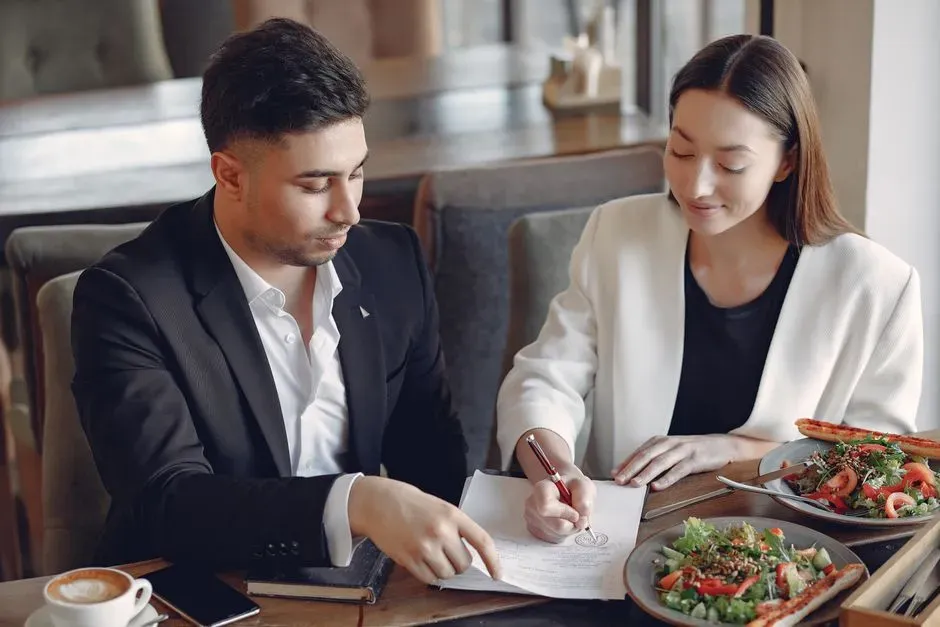
12. Trying to negotiate prices (Image Credits: Pexels)
Haggling over a menu price or asking for a discount without a clear reason, such as a coupon or a promotion, is something servers rarely see from genuinely affluent customers. Prices on a menu are generally treated as fixed, and requesting a lower price without cause can come across as out of touch with how restaurants operate. If cost is a concern, wealthier diners are more likely to simply choose a different dish than to ask for a special deal.
This behavior tends to be more common among diners stretching their budget for a special occasion, which is completely understandable, but it’s rarely something servers associate with regulars who dine out frequently and comfortably.
13. Ignoring the server's recommendations
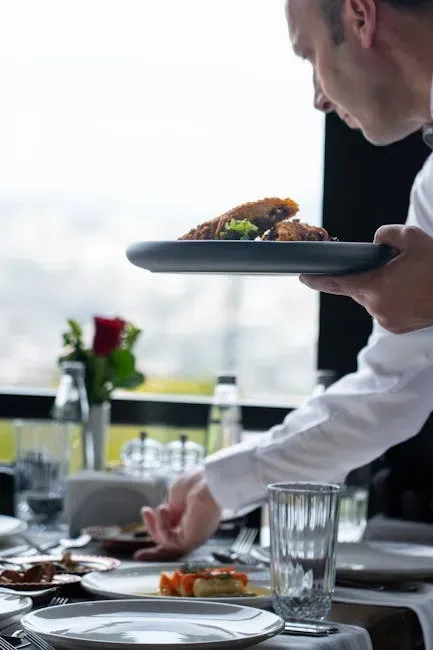
13. Ignoring the server's recommendations (Image Credits: Pexels)
Dismissing a server’s suggestions outright, or worse, mocking them, is uncommon among diners who understand that staff often know the menu better than anyone. Wealthy regulars frequently ask what’s fresh, what the kitchen is excited about, or what pairs well with a particular wine. This openness often leads to better meals and stronger relationships with the restaurant over time.
Servers say this willingness to listen, rather than treating recommendations as an inconvenience, is one of the clearer signs of someone genuinely comfortable in a fine dining setting.
14. Lingering excessively during peak hours without reordering
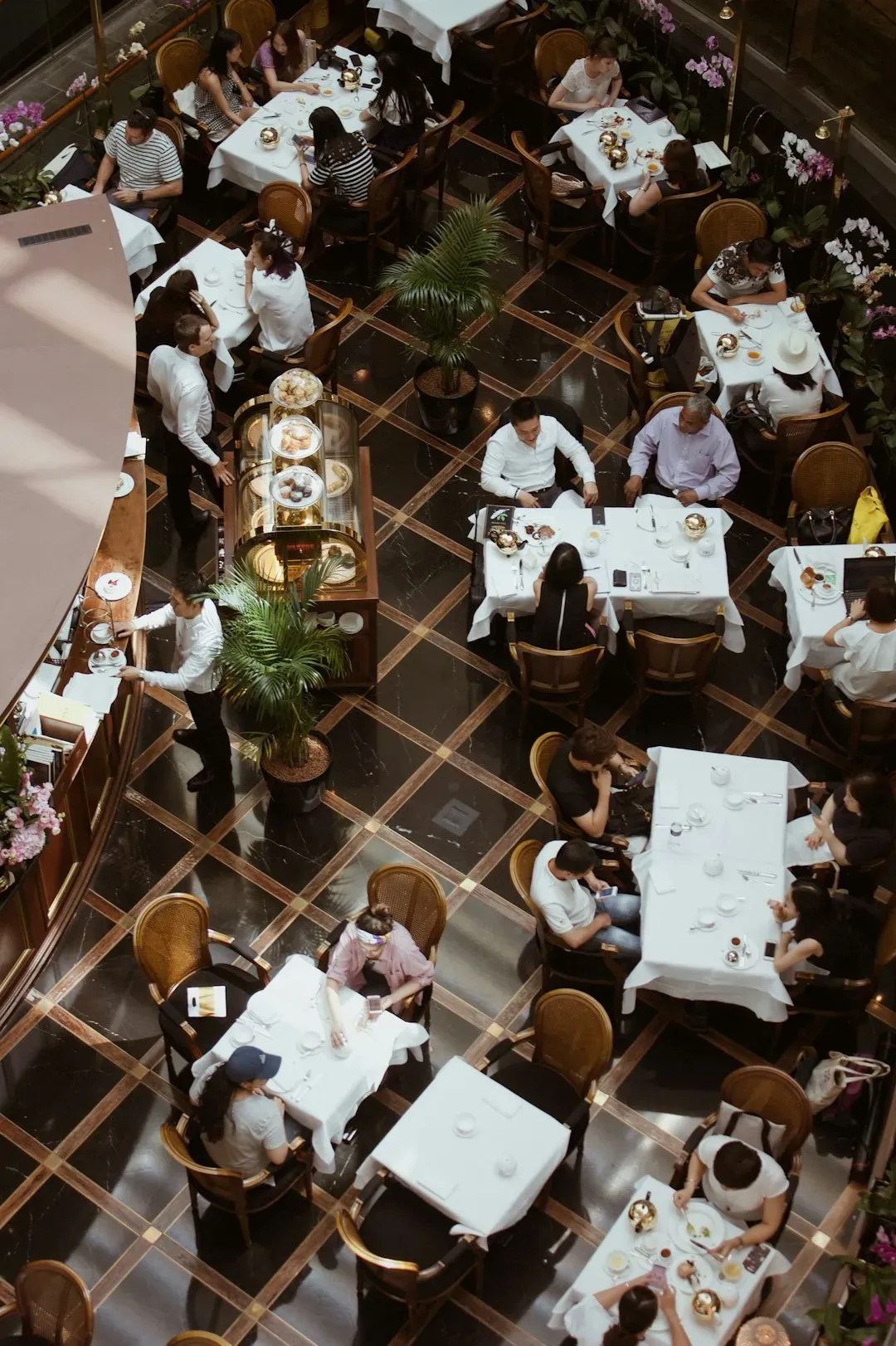
14. Lingering excessively during peak hours without reordering (Image Credits: Unsplash)
Long, leisurely meals are part of the appeal of dining out, but there’s an awareness among frequent, well off diners about turning tables during a restaurant’s busiest hours. If they plan to sit for an extended stretch, they’ll often order another round of drinks, dessert, or coffee rather than occupying a table for hours on a single check. It’s a small courtesy that restaurant staff notice and appreciate.
This isn’t a hard and fast rule everywhere, and plenty of restaurants welcome long conversations over empty plates. Still, servers often mention that guests attuned to a restaurant’s rhythm tend to be more considerate about pacing their visit accordingly.
15. Leaving without acknowledging the staff
15. Leaving without acknowledging the staff (Image Credits: Unsplash)
A simple thank you on the way out seems small, but servers consistently mention it as a trait shared by their favorite regulars, regardless of income level. Wealthy diners who are genuinely comfortable and gracious tend to make eye contact, say thank you, and sometimes even ask for a manager to compliment good service rather than only speaking up about complaints. It costs nothing and tends to leave a lasting impression.
This small habit often correlates with everything else on this list. People who treat service staff as equals worthy of basic courtesy tend to be the same people who tip well, wait patiently, and avoid making scenes in the first place.
None of these behaviors require wealth to practice. Patience, courtesy, and a bit of restraint at the table cost nothing, yet they seem to be the clearest markers servers use to spot genuine comfort and confidence in a dining room. The next time you’re deciding how to handle a slow kitchen or a minor mistake on your plate, it might be worth remembering that the most impressive thing at any table has very little to do with the bill.