
For years, dating coaches and app executives insisted the old rules were dead. Swipe, match, text back within minutes, meet up by the weekend, repeat. Yet somewhere between AI-generated bios and yet another ghosting horror story, a surprising number of singles in 2026 are quietly reaching back into their parents’ playbook, dusting off the so-called Three-Day Rule, and applying a modern twist to it.
It’s an odd twist of fate. The very rule that millennials mocked as outdated and Gen Z barely recognized is resurfacing, not because anyone suddenly believes in playing games, but because burnout from constant availability has made a little old-fashioned restraint feel almost radical again.
The Original 1980s Three-Day Rule Explained
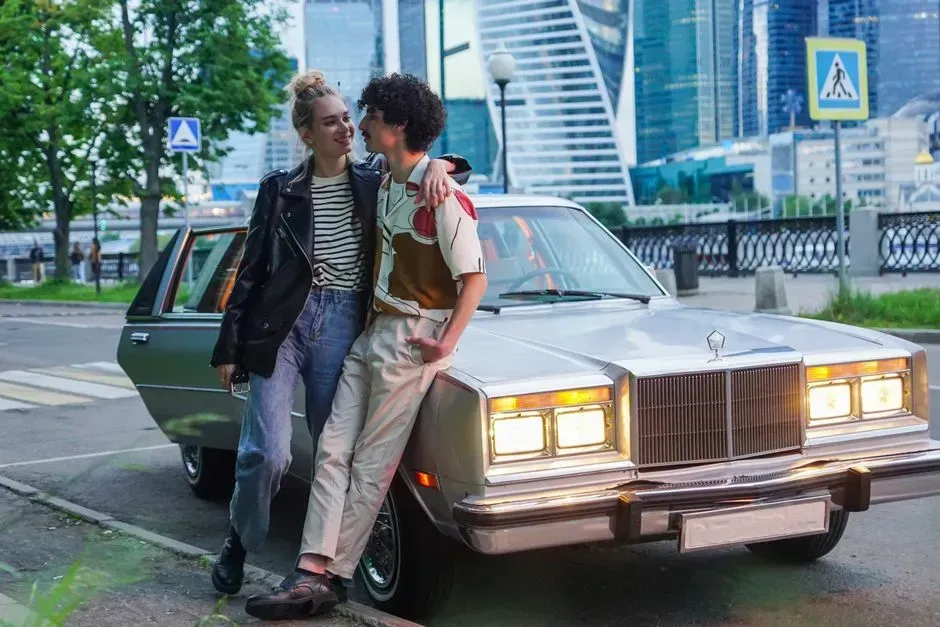
The Original 1980s Three-Day Rule Explained (Image Credits: Pexels)
The Three-Day Rule started as simple advice for men after getting a woman’s phone number: wait three days before calling. The three day rule is a dating strategy that suggests waiting three days to call your date after you go out, and the theory is that waiting three days makes you look less eager and gives your date time to realize how much they liked you when they think you might not contact them. It was less a scientific principle than a cultural shorthand for not seeming desperate.
The rule got its biggest pop culture push decades later, but its logic was pure 1980s courtship etiquette. It’s an outdated piece of dating technology popularized by such films as Swingers, designed to prevent a man from appearing desperate or needy after getting a woman’s number. The idea traveled fast because it gave anxious daters a script to follow when there wasn’t one.
How Instant Texting Almost Killed It
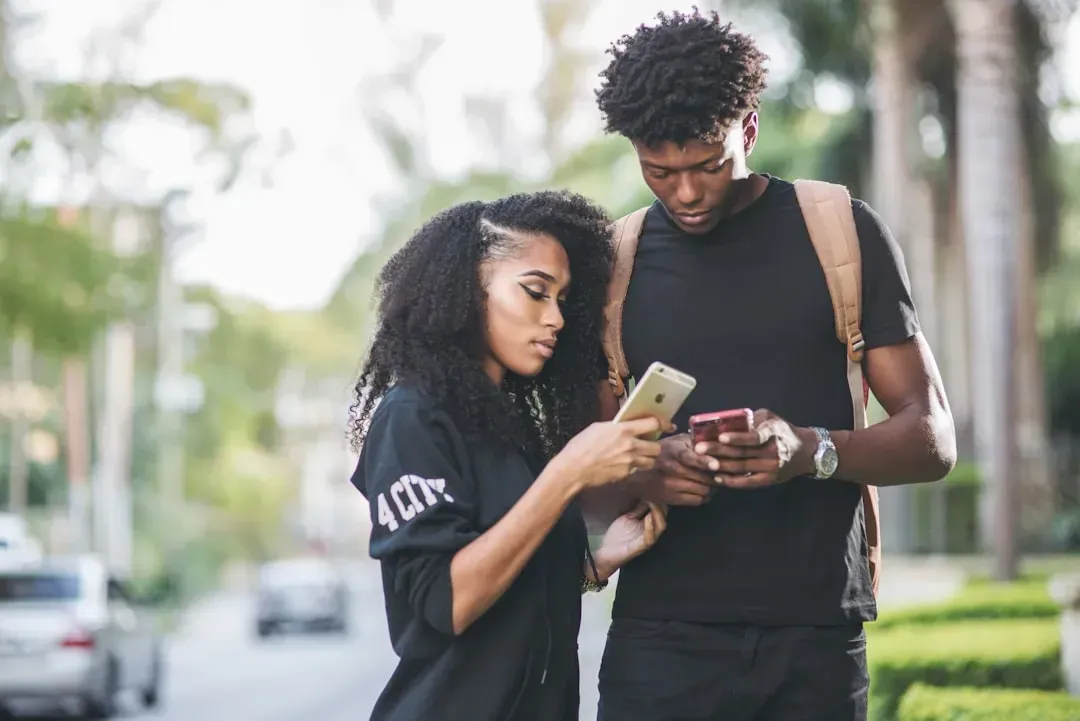
How Instant Texting Almost Killed It (Image Credits: Unsplash)
By the smartphone era, the rule looked almost comical. Dating apps, texting, and other technological advances have made dating quicker and easier than ever, with people once reluctant to see a new partner more than once a week now going out with someone they matched with just hours earlier. Waiting three days to reply felt less like confidence and more like a red flag.
By the late 2010s, most young daters had never even heard of the concept. In 2018, a writer for Elle asked her peers about the three day rule and two 26-year-olds claimed they’d never heard of it, leading the writer to officially proclaim the rule “dead.” For a generation raised on instant messaging, delayed replies simply signaled disinterest rather than mystery.
New 2026 Research Complicates the Nostalgia
New 2026 Research Complicates the Nostalgia (Image Credits: Unsplash)
Here’s the twist: the science backing a full revival of the rule is thin, and recent research actually pushes in the opposite direction. A large 2026 study found that when it came to perceived chemistry and motivation to meet up again, results showed a negative linear trend, with participants who received a text immediately or the next morning feeling high chemistry, while waiting two days significantly killed the romantic vibe. In other words, classic hard-to-get timing doesn’t build attraction, it erodes it.
The researchers pinpointed a much narrower window than three days. The key points from the study note that we’re often advised to wait three days after a date before texting despite no evidence supporting this rule, and that texting the next morning has the best romantic outcomes compared to immediate or delayed texting. So anyone reviving the literal three-day wait is arguably working against the data, not with it.
Why Burned-Out Daters Are Bringing Back Restraint

Why Burned-Out Daters Are Bringing Back Restraint (Image Credits: Pexels)
So what’s actually coming back isn’t the specific 72-hour clock, it’s the underlying instinct: pacing yourself instead of performing constant availability. Writers covering 2026 dating culture note that in 2026, endless texting is treated as a red flag because everyone has been burned by “perfect texters” who turn out to be disasters in person, and the chemistry gap is real enough that the new advice is to suggest meeting within three to five days rather than dragging out conversation. That’s a direct descendant of 1980s logic, even if the exact timeline has shifted.
There’s also a broader shift away from immediate intensity as a marker of compatibility. In 2026, people are realizing that intense early chemistry often signals anxiety rather than compatibility, and that slow burns often outlast fireworks. That’s a quiet rehabilitation of patience as a dating virtue, something the original three-day rule was clumsily trying to protect all along.
The Curated Comeback: Real Intros Over Algorithms
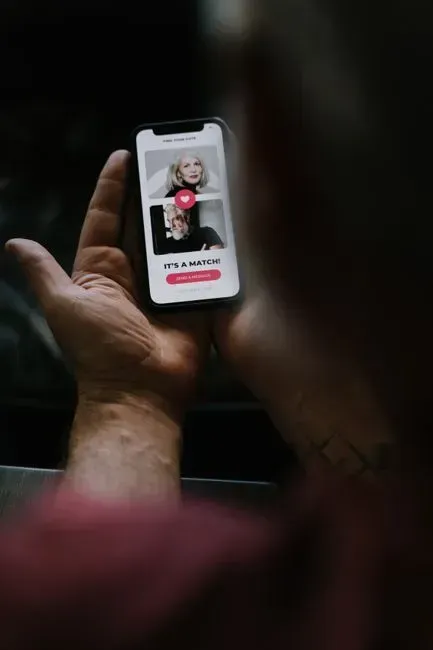
The Curated Comeback: Real Intros Over Algorithms (Image Credits: Pexels)
Alongside the return of pacing, there’s a parallel nostalgia for how people meet in the first place. A growing share of singles are abandoning apps altogether in favor of methods that feel distinctly pre-digital. Fewer people are swiping endlessly on apps, more are meeting in real life, and singles are leading a quiet revolution by deleting Hinge and Bumble in favor of intentionality, human curation, and meeting people through trusted networks rather than algorithms. That’s essentially how dating worked before apps existed at all.
The appeal of a trusted human matchmaker, whether a friend or a professional, isn’t hard to understand. When someone who knows you introduces you to someone they also know, there’s already a layer of vetting and compatibility that no algorithm can replicate, and these introductions come with context, shared values, and actual human judgment about whether two people might click. It’s a very 1980s solution wrapped in 2026 branding.
Micromance and Slower Timelines

Micromance and Slower Timelines (Image Credits: Pexels)
Another piece of the old playbook resurfacing is the idea that big romantic gestures matter less than everyday consistency. Trend coverage describes this shift as “micromance,” a term that captures how people now prioritize small, consistent gestures over grand romantic displays, valuing everyday intimacy like sharing playlists or sending thoughtful texts over expensive dinners and elaborate proposals. That’s a far cry from the “move fast and label everything immediately” style that dominated dating culture just a few years ago.
At the same time, some of the old timeline-based caution has genuinely dissolved. Traditional dating wisdom insisted on waiting until the third date for sex, the tenth date for serious conversations, and months before meeting families, but those arbitrary timelines have collapsed. So the comeback isn’t a wholesale return to 1980s rules, it’s a selective borrowing of the parts that still make emotional sense.
Soft Exits: The Etiquette Revival
Soft Exits: The Etiquette Revival (Image Credits: Pexels)
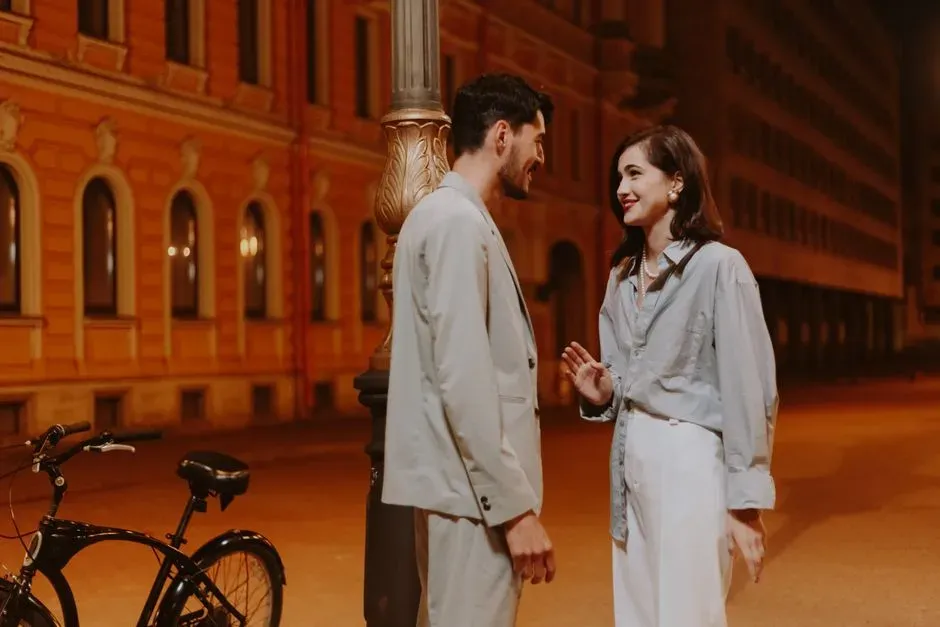
One overlooked corner of old-school dating manners making a genuine return is the idea of a proper goodbye rather than silence. Ghosting still happens, but socially it’s increasingly unacceptable, and in 2026 there’s a growing expectation for soft exits, brief and respectful closure. That expectation of basic courtesy, of not just disappearing, is arguably closer to pre-digital etiquette than anything the swipe era encouraged.
This return to manners extends to how people present themselves before a first meeting too. Modern daters increasingly research potential partners online, but the standard being applied echoes older, more deliberate courtship norms. This isn’t shallow, it’s normal due diligence, and while nobody needs a curated brand, basic upkeep still matters. The performative chase has softened into something closer to old-fashioned consideration.
What This Means Going Forward
What This Means Going Forward (Image Credits: Pexels)
The honest takeaway is that the Three-Day Rule itself, as a literal instruction to withhold contact for exactly seventy-two hours, isn’t backed by the current research and probably shouldn’t be followed to the letter. Studies suggest the smarter move is closer to a same-day or next-morning follow-up, since texting early signals high reciprocity and reliability, while the play-hard-to-get strategy of waiting two days made senders look unreliable and uninterested rather than more valuable. What’s actually resurging is the spirit behind the old rule: patience, restraint, and a refusal to treat constant availability as proof of interest.
Dating in 2026 hasn’t reverted to 1980s courtship wholesale, and it likely never will. Still, the pendulum has swung just far enough that singles exhausted by instant gratification are borrowing a page from an era before smartphones existed, proof that even outdated advice can find new relevance once the culture around it changes enough to need it again.