
After two decades of sitting across kitchen tables and in cramped financial planning offices, certain sentences start to repeat themselves. They’re not dramatic confessions. Most people say them casually, almost as a throwaway line, right before moving on to talk about something else entirely.
But those small phrases carry weight. They’re often the first crack in a financial picture that looks fine on the surface but isn’t. Here are the eleven lines that, in my experience, almost always mean trouble is brewing.
1. "I'll just put it on the card and deal with it later"

1. "I'll just put it on the card and deal with it later" (Image Credits: Pixabay)
This one shows up constantly, especially with everyday purchases like groceries, gas, or small home repairs. It signals that cash flow is already tight enough that a person is choosing to borrow rather than wait or save. The scary part isn’t the purchase itself, it’s the pattern behind it.
Credit card interest rates have stayed stubbornly high, and once someone starts routinely carrying a balance for non-emergencies, the math turns against them fast. What starts as a temporary fix for one bad month often becomes a permanent fixture in the budget.
2. "We're pretty much living paycheck to paycheck, but we're managing"

2. "We're pretty much living paycheck to paycheck, but we're managing" (Image Credits: Unsplash)
The word “managing” is doing a lot of work in that sentence. It usually means there’s no real cushion, and any unexpected expense, a car repair, a medical bill, a broken appliance, throws the whole month into chaos.
Surveys from groups like LendingClub and Bank of America have repeatedly found that a large share of American households, including many with six figure incomes, describe themselves this way. It’s become so normalized that people say it almost apologetically, as if it’s just how life works now.
3. "I haven't actually looked at my accounts in a while"
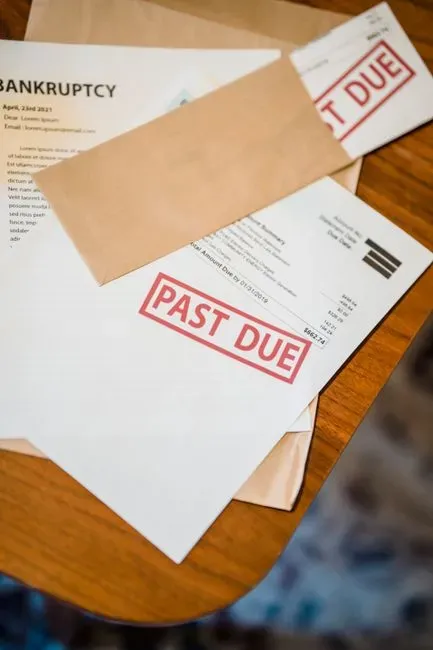
3. "I haven't actually looked at my accounts in a while" (Image Credits: Pexels)
Avoidance is one of the clearest financial red flags I see. When someone stops checking their balances, it’s rarely because things are going well. More often it’s a coping mechanism, a way to avoid confronting numbers that feel overwhelming or shameful.
I’ve had clients go months without opening a single statement, only to discover overdraft fees stacking up or a subscription they forgot to cancel quietly draining their account. The longer the avoidance goes on, the harder the eventual reckoning tends to be.
4. "My parents can help if we really need it"

4. "My parents can help if we really need it" (Image Credits: Unsplash)
Family safety nets are wonderful in theory, but leaning on this phrase too often usually means the person hasn’t built their own emergency fund. It’s a plan built on someone else’s generosity rather than personal preparation. That’s a fragile place to be, especially since the parents in question are often approaching retirement themselves and may not have the flexibility they once did.
I’ve watched adult children assume support that never quite materializes, or that comes with strings and tension attached. It rarely feels as simple in practice as it sounds when someone says it out loud.
5. "We'll figure out retirement later, we're focused on right now"

5. "We'll figure out retirement later, we're focused on right now" (aag_photos, Flickr, <a href="https://creativecommons.org/licenses/by-sa/2.0/" target="_blank" rel="noopener">CC BY-SA 2.0</a>)
This phrase tends to come from people in their thirties and forties who feel squeezed by mortgages, childcare, or student loans. The logic makes emotional sense, but the math of compound growth does not forgive lost time easily. Every year without contributions is a year that can’t be recreated later, no matter how much someone tries to catch up.
Fidelity’s own retirement research has consistently shown that starting contributions even five years later can require dramatically higher savings rates to reach the same goal. “Later” has a way of becoming a permanent postponement rather than a pause.
6. "I don't really have a budget, I just kind of know what I'm spending"
6. "I don't really have a budget, I just kind of know what I'm spending" (Image Credits: Pexels)
This one sounds confident, but it almost never holds up under scrutiny. When I ask people to write down their actual monthly spending versus their estimate, the gap is usually significant, often several hundred dollars they didn’t account for.
Subscription creep, small recurring charges, and impulse purchases add up quietly. Without any tracking system, even smart, careful people lose track of where their money actually goes, which makes real financial planning nearly impossible.
7. "I took out a loan to cover another loan"
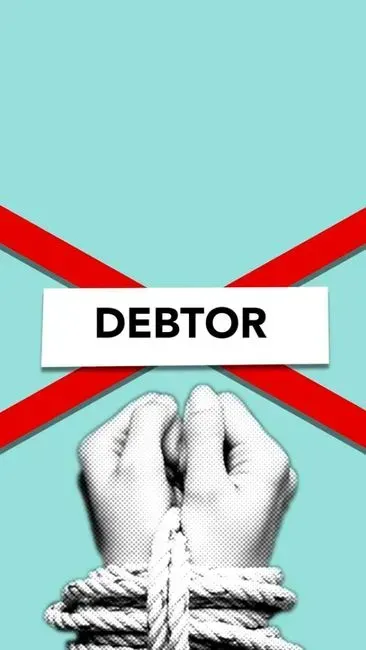
7. "I took out a loan to cover another loan" (Image Credits: Pexels)
Debt consolidation can be a legitimate strategy, but this phrase usually describes something more precarious: using new borrowing simply to keep older borrowing from collapsing. It’s a sign that monthly obligations have outpaced income for a while now.
Personal loan balances in the U.S. have climbed steadily in recent years, and a portion of that growth reflects exactly this cycle. Once someone is borrowing to service other debt rather than to build something, the trajectory rarely improves without a real intervention.
8. "My credit score is fine, I think"

8. "My credit score is fine, I think" (Image Credits: Unsplash)
Uncertainty here is the tell. People who are financially stable usually know their credit score within a reasonably tight range because they check it. Vague answers often mean someone hasn’t looked recently, possibly because they’re afraid of what they’ll find.
Late payments, high utilization, or a collections account can drop a score meaningfully within a few months, and many people don’t realize the damage until they apply for something important like a mortgage or a car loan. By then, the fix takes far longer than the fall.
9. "It's just a small amount, it won't make a difference"

9. "It's just a small amount, it won't make a difference" (Image Credits: Pexels)
This shows up around little recurring costs: a streaming subscription, a daily coffee run, a gym membership nobody uses. Individually, each one seems harmless. Together, they can quietly consume a meaningful slice of monthly income.
I’ve had clients discover they were paying for four different streaming services when they only used one regularly. The phrase itself reveals a mindset that avoids adding things up, which is often exactly why the numbers don’t work at the end of the month.
10. "I'm waiting for things to get better before I deal with this"

10. "I'm waiting for things to get better before I deal with this" (Image Credits: Pexels)
This one usually surfaces around debt, savings, or a stalled financial conversation between partners. It sounds hopeful, but it’s often a way to delay a decision that feels uncomfortable right now. Waiting rarely fixes a structural problem on its own.
Interest keeps accruing, gaps in savings keep widening, and the emotional weight of an unresolved issue tends to grow the longer it’s ignored. The families who eventually turn things around are almost always the ones who stopped waiting and started making small, deliberate changes instead.
11. "Money stresses me out too much to talk about it"

11. "Money stresses me out too much to talk about it" (Image Credits: Pixabay)
This might be the most important one on the list, because it usually points to a deeper avoidance than any single financial habit. When money becomes too emotionally loaded to even discuss, decisions get made by default rather than by choice, bills get paid late, statements go unopened, plans get postponed indefinitely.
Financial stress has real, measurable effects on mental health, and studies from the American Psychological Association have repeatedly linked money worries to anxiety and strained relationships. The families who eventually find stability are usually the ones who found a way to talk about money regularly, even when the conversations were hard.
None of these phrases mean someone is failing. They’re just signals, small verbal cues that point toward patterns worth examining more closely. In two decades of doing this work, the families who turned things around weren’t the ones with perfect finances from the start. They were the ones willing to notice these phrases in their own conversations and treat them as a starting point rather than a source of shame.