
A house doesn't need a cracked foundation or a leaky roof to scare off buyers. Sometimes it's the small, everyday choices, a bold paint color, a converted bedroom, an old ceiling texture, that make people mentally subtract thousands from their offer before they've even finished the walkthrough. These features rarely show up on a home inspection report, yet agents say they come up again and again as reasons a listing sits too long or sells below asking.
1. Popcorn ceilings that instantly date the whole house
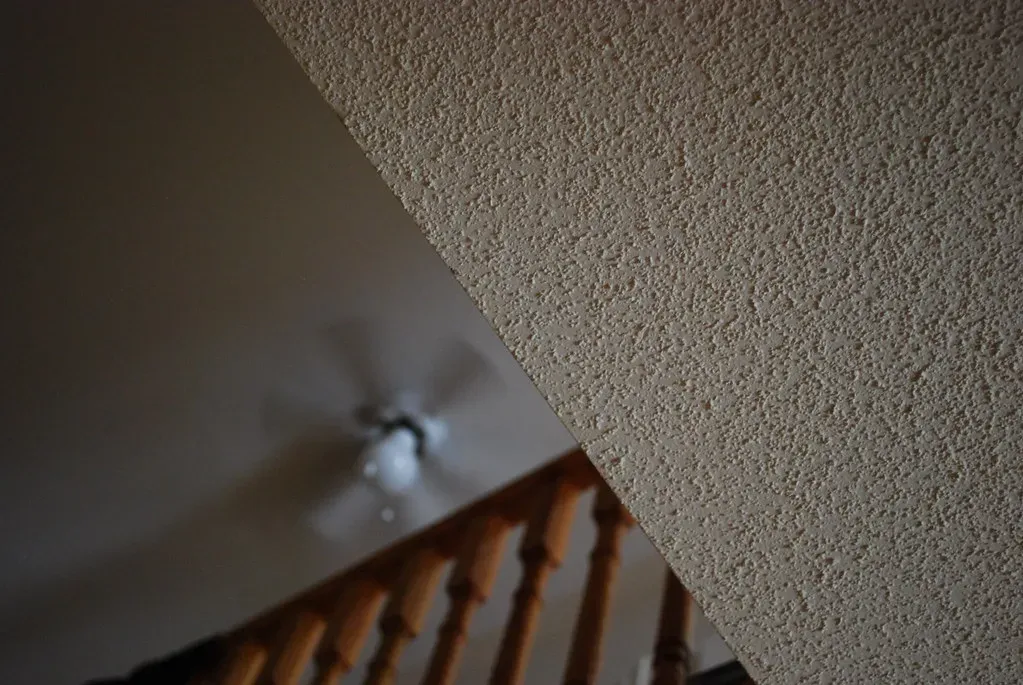
1. Popcorn ceilings that instantly date the whole house (Czar Hey, Flickr, <a href="https://creativecommons.org/licenses/by-sa/2.0/" target="_blank" rel="noopener">CC BY-SA 2.0</a>)
Textured “popcorn” ceilings were common in homes built from the 1950s through the 1980s, and buyers today read them as an immediate signal of age. Popcorn ceilings, once popular in mid-century homes, now look dated and can turn off modern buyers, and removing them before selling isn’t just about looks, it’s a practical investment that can pay off in a quicker sale and better offers. The texture also does something subtle to the room itself.
Popcorn texture casts uneven shadows and absorbs light, making rooms feel darker, which works against agents trying to photograph a bright, spacious-looking listing. Beyond aesthetics, there’s a health question lurking for older homes. Homes built before the late 1970s may have popcorn ceilings containing asbestos, a known health hazard, so many sellers test before deciding whether to scrape or encapsulate.
2. Wall-to-wall carpet in the wrong rooms
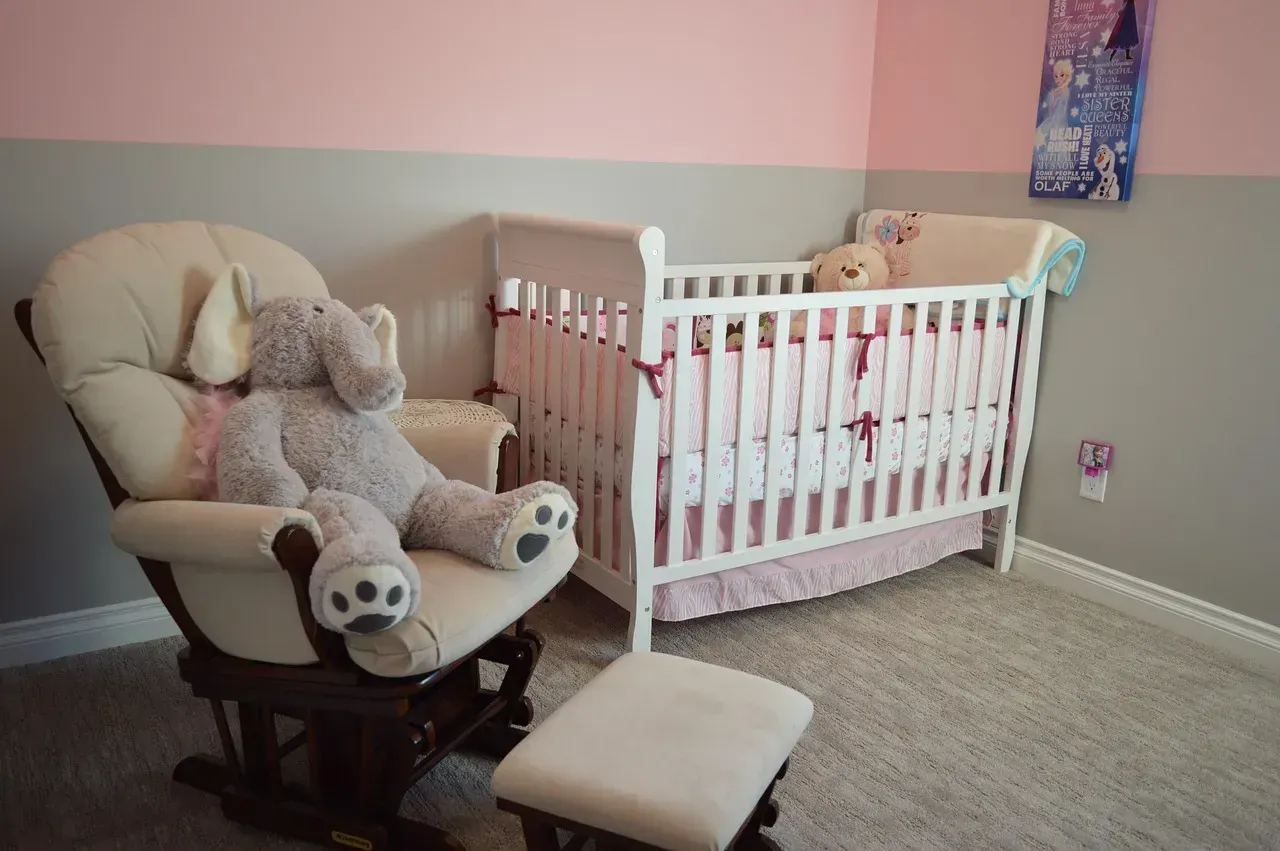
2. Wall-to-wall carpet in the wrong rooms (Image Credits: Pixabay)
Carpet used to signal comfort and warmth. Now it often signals maintenance headaches, especially underfoot in bathrooms or spread across an entire main floor. What was once considered a luxury is now widely regarded as a dust trap that’s a nightmare to keep clean, since wall-to-wall carpeting is known for trapping dust, mites and other allergens, and today’s health-conscious buyers prefer hardwood floors or luxury vinyl plank that’s easy to clean and doesn’t harbor allergens.
The reaction gets even stronger in bathrooms. Carpet in a bathroom is the fastest route to a buyer feeling squeamish, as it poses questions immediately for potential buyers about cleanliness. Swapping worn carpet for hardwood or a durable vinyl plank tends to widen a home’s appeal rather than narrow it, since home buyers generally prefer hardwood, and buyers with allergies tend to look for it because it doesn’t harbor dust like carpet does.
3. Bold, personal paint choices and theme rooms
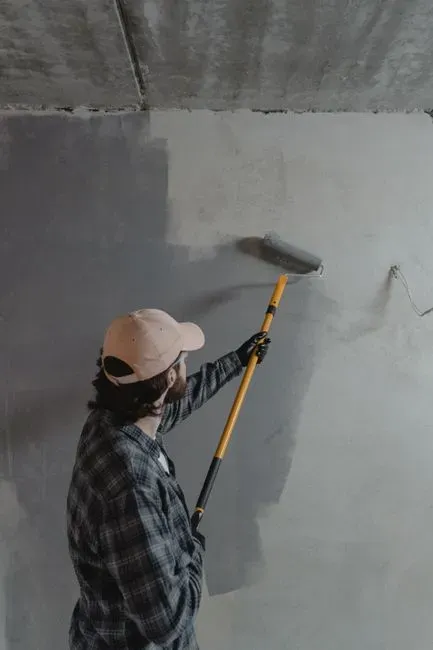
3. Bold, personal paint choices and theme rooms (Image Credits: Pexels)
A dramatic accent wall or a fully themed man cave might feel like personality, but buyers usually see it as a project. While a bold paint color might be tempting, it’s best to play it safe before selling, since dark colors may leave buyers cold, and neutral, lighter tones are less likely to bother potential buyers or hurt the home’s value. Themed spaces push the problem further.
Real estate professionals have described walking through basements built around a specific hobby or aesthetic and watching buyers lose interest almost instantly. One agent cited buyers who were put off by a home in which a basement was completely done up in a man cave motif with dark murals and heavy lighting. The fix is straightforward but not cheap: repainting in neutral tones before listing tends to pay for itself many times over in broader buyer interest.
4. Converted or combined bedrooms
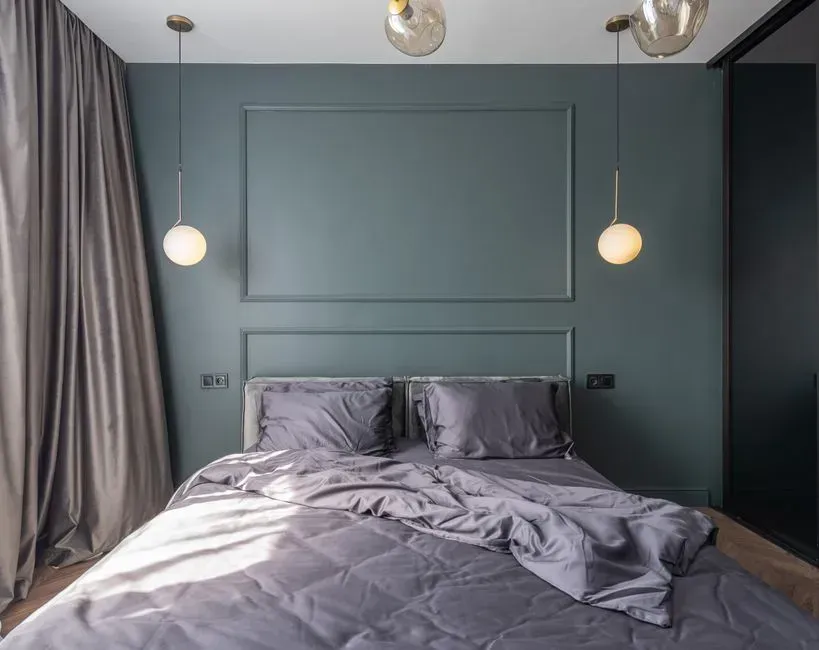
4. Converted or combined bedrooms (Image Credits: Pexels)
Knocking down a wall between two small bedrooms to create one larger suite might sound like an upgrade, but it can shrink the buyer pool considerably. Homeowners may like big bedrooms, but that doesn’t mean potential buyers will, and combining two small bedrooms into one big room can turn off buyers looking for more bedrooms to fit a growing family, especially since homes with more bedrooms can usually command higher prices.
The same logic applies to converting a bedroom into an office, gym, or media room without an easy way to convert it back. Certain room conversions can be a major turnoff for buyers and could limit a home’s marketability, since converting a bedroom or flex space to suit one family’s needs may not appeal to the majority of buyers, while keeping spaces versatile gives sellers access to a larger share of the housing market. Bedroom count is one of the first filters buyers use when searching online, so losing one can quietly remove a listing from searches altogether.
5. Drop ceilings and dated grid systems

5. Drop ceilings and dated grid systems (Image Credits: Pexels)
Drop ceilings were once a practical fix for hiding pipes or wiring, particularly in basements, but they read as distinctly commercial today. These modular ceiling systems with visible grid lines and acoustic tiles create institutional feelings in residential spaces, and commonly installed to hide plumbing or wiring issues, drop ceilings significantly lower ceiling height and create a commercial rather than residential atmosphere.
The problem compounds in already-tight spaces. They’re particularly problematic in basements, where ceiling height is already limited, so homes with drop ceilings in living areas are often better off having them removed before selling, since most buyers prefer seeing the actual structure rather than a cover-up. Where full removal isn’t practical, some sellers opt for less institutional-looking panels, though that’s a compromise rather than a real solution.
6. Over-the-top luxury finishes in a modest neighborhood

6. Over-the-top luxury finishes in a modest neighborhood (Image Credits: Unsplash)
It sounds counterintuitive, but spending too much on finishes can hurt a sale just as easily as spending too little. Installing high-end finishes like marble countertops, luxury appliances, or premium hardwood floors in a starter home or modest neighborhood can be a costly mistake, because these improvements may push a home’s price above what buyers in that market are willing or able to pay.
Bathrooms are a common place this shows up. Although an upgraded bathroom can add value, it’s worth steering clear of going too high end if selling soon, since a freestanding or whirlpool tub that feels like a homeowner’s pride and joy may look to a buyer like a waste of space, and overly opulent bathrooms fit squarely into the category of upgrades that hurt resale value. The buyers shopping in a given price range are looking for homes that match their expectations, not homes that outprice the surrounding street.
7. Deferred maintenance disguised as cosmetic issues

7. Deferred maintenance disguised as cosmetic issues (Image Credits: Unsplash)
Sometimes the feature that kills a sale isn’t a design choice at all, it’s the visible sign of a repair that never happened. Few things scare buyers more than evidence that routine maintenance has been ignored, and water stains on ceilings, aging HVAC systems, roof damage, foundation cracks, broken fixtures, or visible mold immediately raise concerns about expensive future repairs.
In a market where renovation costs remain elevated, this concern carries even more weight than it used to. Buyers often prioritize homes that require little immediate work because renovation costs remain high, and buyers continue paying premiums for homes described as remodeled or move-in ready, while fixer-uppers often sell at significant discounts. A water stain that took an afternoon to paint over can end up costing a seller far more at the negotiating table than it would have cost to simply fix the leak.
None of these seven features are unfixable, and most don’t require a full renovation to resolve. A neutral paint job, a scraped ceiling, or a patched roof leak often costs a fraction of what a buyer would otherwise deduct from their offer. The common thread is that buyers are shopping for a home that feels ready to move into, not one that asks them to imagine what it could become after months of work.