
Every generation has its own verbal fingerprints, small phrases that slip out without thinking and instantly place someone in a particular decade. Grandparents especially carry a treasure chest of these expressions, ones shaped by different economic realities, technology, and cultural norms than what younger generations grew up with.
These sayings are not just quirky habits. They are little windows into how people once lived, worked, and communicated before smartphones and instant everything took over. Listen closely at any family gathering and you will likely hear at least a few of these classics.
1. "Back in my day…"

1. "Back in my day…" (Image Credits: Unsplash)
This opener is practically a generational anthem. It signals that a comparison is coming, usually between how things are done now and how they used to be done, often with the implication that the old way required more effort or grit. It is less about nostalgia for nostalgia’s sake and more a reflection of lived experience that felt fundamentally different from today’s conveniences.
Grandparents who grew up without microwaves, cell phones, or same-day shipping have a genuine basis for comparison. The phrase carries weight because their “back in my day” often involved real logistical challenges, like walking to a payphone or waiting days for mail, that younger generations have never had to navigate.
2. "You'll put your eye out"
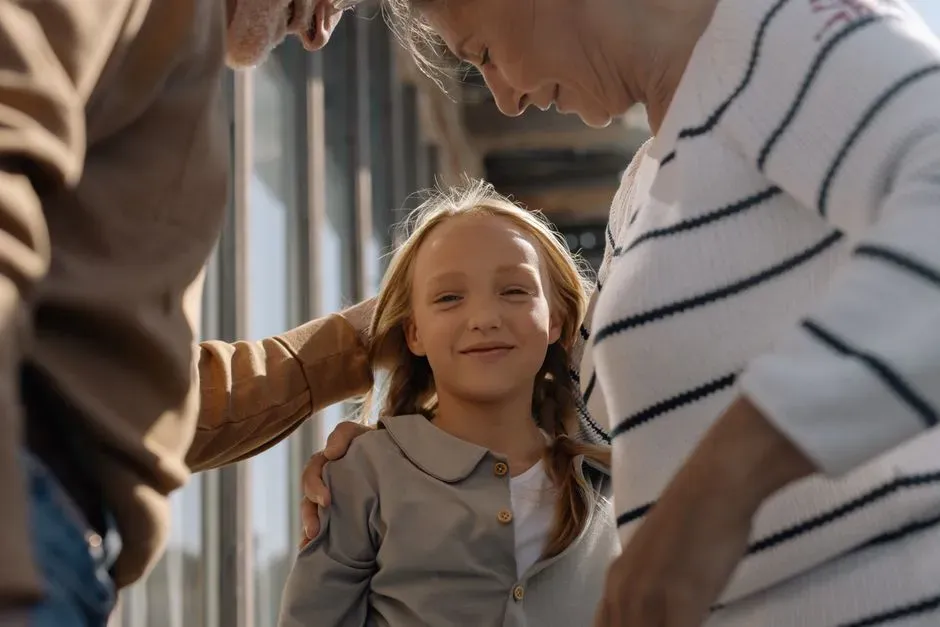
2. "You'll put your eye out" (Image Credits: Pexels)
This warning became a cultural touchstone partly thanks to its use in holiday films, but it originated from a genuine parenting instinct common among Baby Boomers and the Silent Generation. It was typically deployed for anything remotely projectile, from BB guns to sharp sticks to even everyday scissors. The phrase reflects a childhood era with far less structured safety messaging and far more improvised outdoor play.
Unlike today’s more specific safety language, this catchall warning worked because it was vague enough to apply to almost any risky object a child might pick up. It is a phrase that has stuck around mostly as an affectionate joke, though many grandparents still say it with total sincerity.
3. "We didn't have that when I was your age"

3. "We didn't have that when I was your age" (Image Credits: Pexels)
This phrase usually surfaces during conversations about technology, entertainment, or convenience items that simply did not exist during a grandparent’s childhood. It is not necessarily a complaint, more an observation rooted in astonishment at how quickly the world has changed. Someone born in the 1940s or 1950s watched color television arrive, then cordless phones, then the internet, all within a single lifetime.
The statement often carries a subtle undertone of pride, a sense that they managed just fine without whatever modern comfort is being discussed. It also functions as a gentle reminder that resourcefulness was once a more necessary skill than it is now.
4. "Shut the door, you're letting the cold out"

4. "Shut the door, you're letting the cold out" (Image Credits: Unsplash)
Heating costs and old furnace systems made this phrase a near-constant refrain in households through much of the twentieth century. Central heating and insulation improved significantly over the decades, but grandparents who remember drafty homes and higher utility bills relative to income tend to keep this habit alive. It is as much about energy conservation instincts as it is about comfort.
This phrase also reflects a broader generational tendency toward frugality, shaped by growing up during or shortly after periods of economic hardship. Even when the heating system is modern and efficient, the muscle memory of watching every degree and every dollar tends to stick around.
5. "I remember when gas was [a specific low price]"
![5. "I remember when gas was [a specific low price]" (Image Credits: Unsplash)](https://nvmwebsites-budwg5g9avh3epea.z03.azurefd.net/onpoint/bcd7e573256d30cb0b15b37ed9a22ead.webp)
5. "I remember when gas was [a specific low price]" (Image Credits: Unsplash)
Fuel prices are one of the most reliable generational markers because they fluctuate so dramatically over time and are easy to remember with specificity. Someone recalling paying a fraction of today’s price per gallon is not exaggerating, they are recalling actual historical data tied to a very different economy. Inflation and shifting global oil markets have reshaped prices dramatically across the decades.
This phrase often opens into a broader conversation about the cost of living generally, comparing housing prices, grocery bills, or wages from decades past to current figures. It serves as an informal economics lesson, delivered casually but rooted in real lived history.
6. "Elbows off the table"

6. "Elbows off the table" (Image Credits: Pexels)
Table manners carried much heavier social weight for earlier generations, particularly those raised in households where formal dining etiquette was tied to broader ideas about respectability and discipline. This phrase, along with related rules about napkins, posture, and waiting to be excused, reflects a more rigid approach to child rearing common in the mid-twentieth century. It was less about the elbows themselves and more about instilling structure.
Many grandparents continue to enforce these rules at family meals simply because they were drilled into them so thoroughly as children. The phrase persists as a small but telling artifact of a stricter parenting style that has gradually relaxed across subsequent generations.
7. "Money doesn't grow on trees"

7. "Money doesn't grow on trees" (Image Credits: Unsplash)
This phrase reflects a generation shaped heavily by economic scarcity, whether through direct memories of the Great Depression, wartime rationing, or simply growing up in households where every dollar had to be tracked carefully. It was a common response to children asking for toys, treats, or anything perceived as unnecessary. The underlying message was always about the value of hard-earned money and the discipline required to manage it.
Financial caution passed down through generations often traces back to phrases like this one, which functioned as informal lessons in budgeting long before financial literacy became a school subject. Grandparents who lived through economic uncertainty tend to repeat this phrase not out of stinginess, but out of genuine concern for teaching restraint.
8. "Turn that music down, it's just noise"

8. "Turn that music down, it's just noise" (Image Credits: Pexels)
Every generation has clashed with the next over music, but this specific complaint became especially pronounced with the rise of rock and roll, and later punk and hip hop, genres that older generations often perceived as chaotic or aggressive compared to the music of their own youth. This phrase reveals a generational divide shaped as much by unfamiliar sound as by genuine taste differences. It is a pattern that has repeated itself with nearly every new musical movement since.
Interestingly, many grandparents who once heard this phrase directed at themselves from their own parents eventually became the ones saying it to their grandchildren. The cycle highlights how musical generational gaps are less about specific genres and more about the universal experience of aging alongside changing cultural tastes.
9. "You need to write a proper thank you note"

9. "You need to write a proper thank you note" (Image Credits: Unsplash)
Handwritten correspondence held far more social significance for generations raised before texting and email became standard communication tools. Sending a formal thank you note after receiving a gift was considered basic etiquette, not an optional extra, and failing to do so could be seen as a genuine social misstep. This phrase reflects a broader emphasis on formal manners that shaped much of twentieth century social life.
Grandparents who insist on this tradition are not simply being old fashioned, they are preserving a communication ritual that once carried real weight in maintaining relationships. The decline of handwritten notes in favor of quick digital messages represents one of the clearer generational shifts in etiquette over the past several decades.
10. "I'll believe it when I see it in the newspaper"
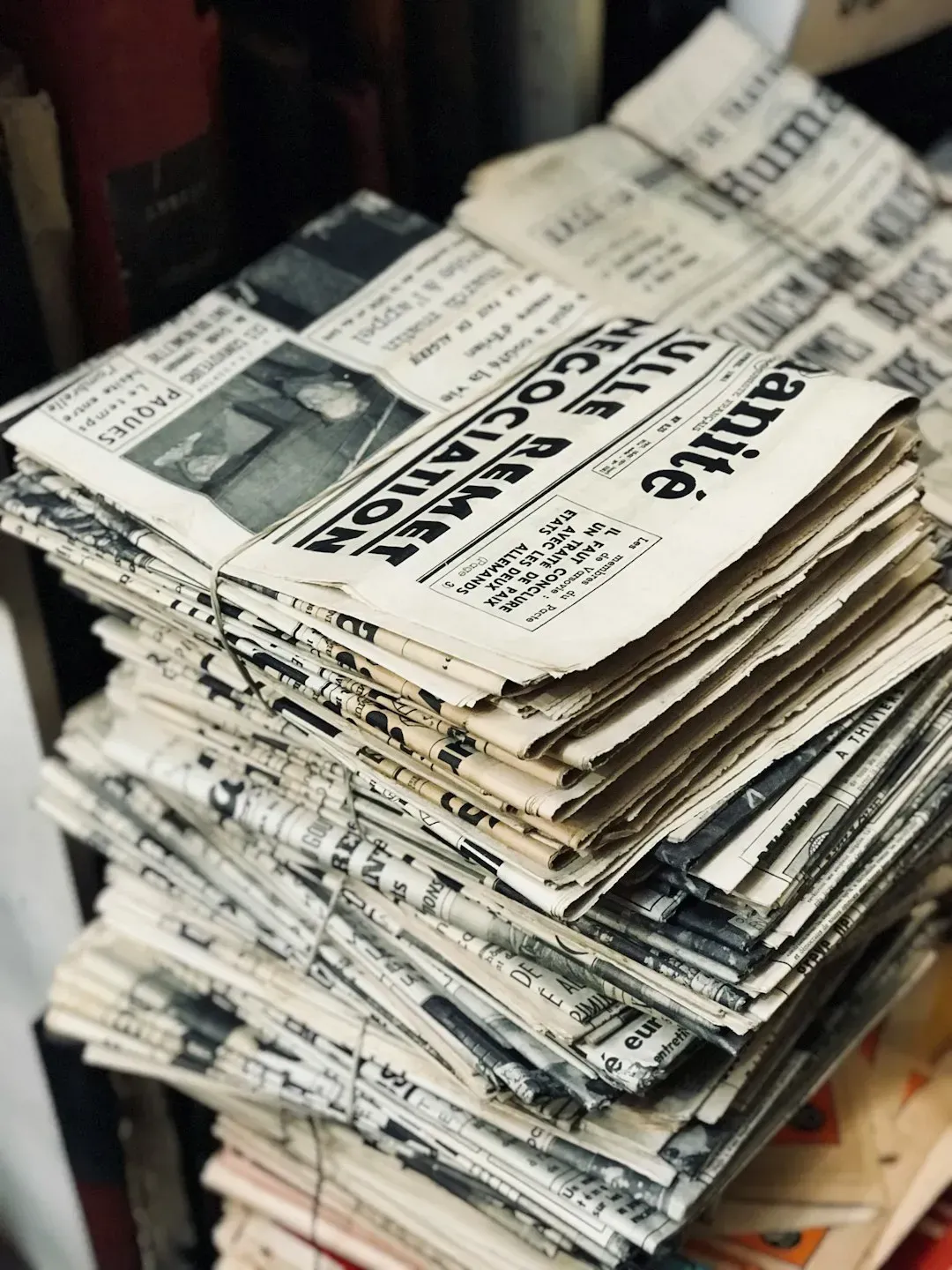
10. "I'll believe it when I see it in the newspaper" (Image Credits: Unsplash)
Trust in information sources looked very different before the internet, when newspapers, evening news broadcasts, and radio were the primary, and often only, ways people verified current events. This phrase reflects a generation that relied on a small number of established institutions for news, rather than the constant stream of unverified information available today. It also reveals a certain skepticism toward rumor or hearsay that predates the modern information landscape entirely.
For grandparents who grew up reading physical newspapers daily, the idea of instant news updates from countless online sources can feel simultaneously impressive and slightly untrustworthy. The phrase captures a fundamentally different relationship with information, one built on patience, verification, and a smaller number of trusted gatekeepers.
These phrases are more than just quirky sayings passed down at family dinners. They are linguistic time capsules, carrying within them the economic realities, safety concerns, technological limitations, and cultural values of a specific era. Each one tells a small story about how life used to work, long before smartphones, instant news, and same-day delivery reshaped daily existence.