
Every generation has its verbal fingerprints, those little turns of phrase that slip out without a second thought. Grandparents especially carry a whole vocabulary shaped by the decades they grew up in, long before smartphones or streaming services existed. Listen closely at a family dinner and you’ll hear phrases that instantly place someone in a certain era, almost like a linguistic time stamp.
These expressions aren’t just old fashioned quirks. They reflect the technology, economy, and everyday habits of the mid twentieth century, and they’ve stuck around because they still carry meaning for the people who lived through that time. Here are five phrases that tend to give away a grandparent’s generational roots almost immediately.
1. "Don't touch that dial"
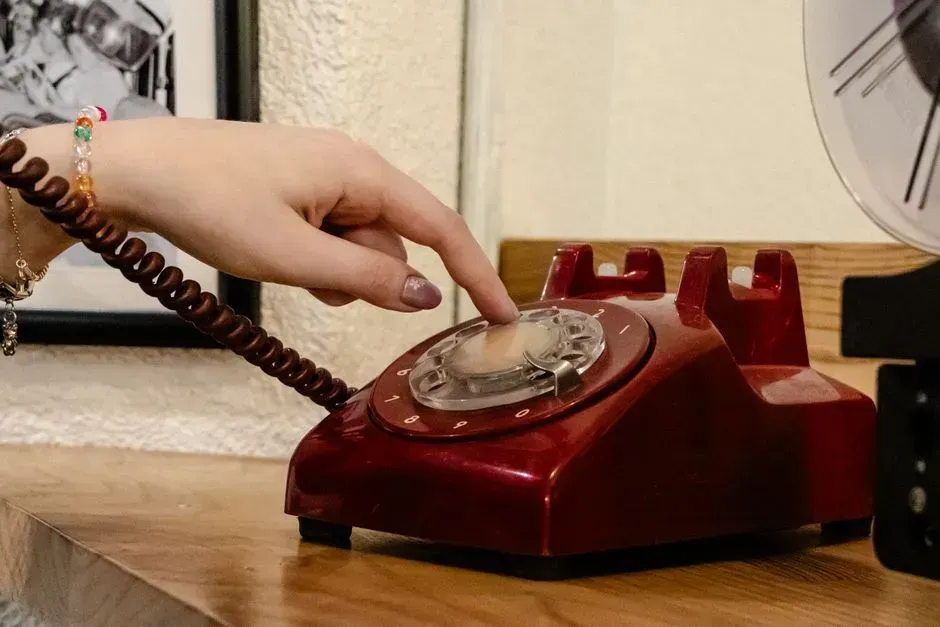
1. "Don't touch that dial" (Image Credits: Pexels)
This one comes straight from the era of television sets with actual rotary dials instead of remote controls. Changing channels meant physically getting up and turning a knob, so the phrase became shorthand for staying put during commercial breaks or between segments of a show. It was common in broadcasting itself, with announcers using it to keep viewers from switching stations before the program returned.
Grandparents who grew up in the 1950s and 1960s often use this phrase even now, decades after dials disappeared from most households. It has become a kind of verbal habit, detached from the technology that inspired it but still carrying that same sense of anticipation. Younger listeners usually have no idea what a literal dial even looked like on a television.
2. "Back in my day, a nickel could buy you…"

2. "Back in my day, a nickel could buy you…" (Image Credits: Pexels)
Price comparisons rooted in coins rather than dollar bills are a classic generational marker. This phrase usually gets filled in with something like a soda, a candy bar, or a movie ticket, all reflecting the low costs of consumer goods in the mid twentieth century before decades of inflation reshaped everyday spending. It’s less about nostalgia for the nickel itself and more about marking just how much prices have shifted across a lifetime.
What makes this phrase interesting is how consistently it appears across different grandparents, regardless of where they grew up. The specific item mentioned might change, but the structure of the sentence rarely does. It’s a shared script passed down almost like folklore, repeated at family gatherings for generations.
3. "You'll put your eye out"
3. "You'll put your eye out" (Image Credits: Pexels)
This warning became something of a catchphrase for parents and grandparents cautioning kids away from anything sharp, fast moving, or generally risky, from BB guns to pointed sticks. It reflects a era with fewer formalized safety regulations for toys and less padded, supervised play compared to today’s standards. The phrase carries a mix of genuine concern and dry humor, often delivered half seriously even when the risk was fairly minor.
It’s stuck around partly because of its rhythm and partly because it captures a certain protective instinct common among grandparents who grew up with less structured childhood safety measures. Many people now recognize the phrase mostly through pop culture references rather than firsthand experience, since it became iconic enough to be referenced in later decades of film and television. Still, hearing a grandparent say it in real life carries a different kind of authenticity.
4. "We didn't have any of this fancy stuff"

4. "We didn't have any of this fancy stuff" (Image Credits: Pexels)
This phrase usually surfaces when a grandparent is reacting to a piece of modern technology, whether it’s a smartphone app, a streaming service, or even something as ordinary as a microwave. It reflects genuine astonishment at how quickly consumer technology has evolved within a single lifetime, especially for people born before household computers or the internet existed. The comment often carries a mix of admiration and mild suspicion toward new gadgets.
What’s notable is how broadly this phrase applies across different decades of grandparents, since technological change has accelerated so dramatically since the mid twentieth century. Someone born in the 1940s might say it about color television, while someone born in the 1960s might say it about the internet itself. The sentiment stays consistent even as the specific technology referenced keeps shifting forward in time.
5. "Wait for the milkman" or references to home delivery routines

5. "Wait for the milkman" or references to home delivery routines (Image Credits: Unsplash)
Before large supermarkets became the dominant way to shop for groceries, home delivery services for items like milk, bread, and ice were common in many parts of the United States and other countries during the early to mid twentieth century. Grandparents who grew up during this period often reference these routines when comparing modern grocery shopping to their own childhood experiences. The phrase evokes a slower, more localized rhythm of daily life built around scheduled deliveries rather than spontaneous store runs.
This kind of reference has become a reliable generational marker because home delivery of everyday goods largely declined as refrigeration technology improved and supermarkets expanded through the later decades of the century. For grandparents, mentioning the milkman isn’t really about nostalgia for dairy delivery itself, but about illustrating just how differently daily errands used to be structured. It’s a small detail that says a lot about the economic and logistical landscape of their formative years.
Phrases like these work almost like verbal artifacts, carrying context long after the objects or routines that inspired them have faded away. They’re rarely used with any real explanation, since grandparents often assume everyone understands the reference the way they do. That gap, between shared memory and unfamiliar history, is exactly what makes these phrases such clear markers of generational identity.