
A decade of managing early-career employees teaches you patterns you can’t unsee. I started supervising twenty-somethings back when every new hire was a Millennial, and somewhere around 2019 the composition of my team quietly flipped. The habits didn’t shift gradually either; they arrived in a cluster, almost overnight, and it took me longer than I’d like to admit to stop measuring Gen Z against a Millennial yardstick.
What follows isn’t a takedown or a tribute. It’s a plain accounting of nine specific behaviors that separate the two generations at work, based on what I’ve watched happen in real meetings, real reviews, and real Slack threads over the past several years.
1. They want feedback in days, not quarters
1. They want feedback in days, not quarters (Image Credits: Pexels)
Millennials I managed were generally fine with a structured annual or biannual review, something they could prepare for and reflect on. Gen Z staff treat that cadence as almost negligent. Survey research found that 97% of Gen Z are receptive to receiving feedback on an ongoing basis or after completing a large project or task, while 63% say they prefer to receive timely constructive feedback throughout the year.
I've adjusted by giving short, specific notes right after a deliverable lands rather than saving everything for a formal sit-down. It's less ceremonial, sure, but it matches how they actually want to improve. One GenHQ study found more than 60% of responding Gen Zers said they need feedback from their managers at least once every few weeks, and 20% said they need it daily.
2. They'll name burnout out loud instead of hiding it

2. They'll name burnout out loud instead of hiding it (Image Credits: Unsplash)
Millennial staff, in my experience, tended to push through stress quietly and mention it only once it had already become a problem. Gen Z employees will simply say they're overwhelmed in a one-on-one, sometimes in the same breath as discussing a deadline. To a leader trained to leave personal struggles at the door, that openness can sound like fragility, but Gen Z didn't invent workplace stress, they're just more willing to name it.
What's changed for me isn't the amount of stress on a team, it's the vocabulary used to describe it. A millennial might have learned to ask for support and still felt pressure to keep producing at all hours anyway, while Gen Z just showed up with a more direct vocabulary for what work does to people. Managing that honesty well means responding practically, not performatively.
3. Recognition has to be immediate, not annual

3. Recognition has to be immediate, not annual (Image Credits: Unsplash)
Millennials seemed satisfied knowing praise would eventually surface in a review or a promotion conversation. Gen Z wants acknowledgment closer to the moment the work happens, and the data backs up what I've seen firsthand. When Gen Z employees are satisfied with the recognition they get, 61% report good mental well-being, but that drops to 41% when they're dissatisfied, a 20-point swing tied to a single, controllable variable.
That gap is too large to shrug off as generational pickiness. I've started building small, frequent recognition moments into weekly check-ins rather than saving compliments for milestone events, and it's noticeably changed morale on the floor.
4. Chat replaces the phone call and the formal email
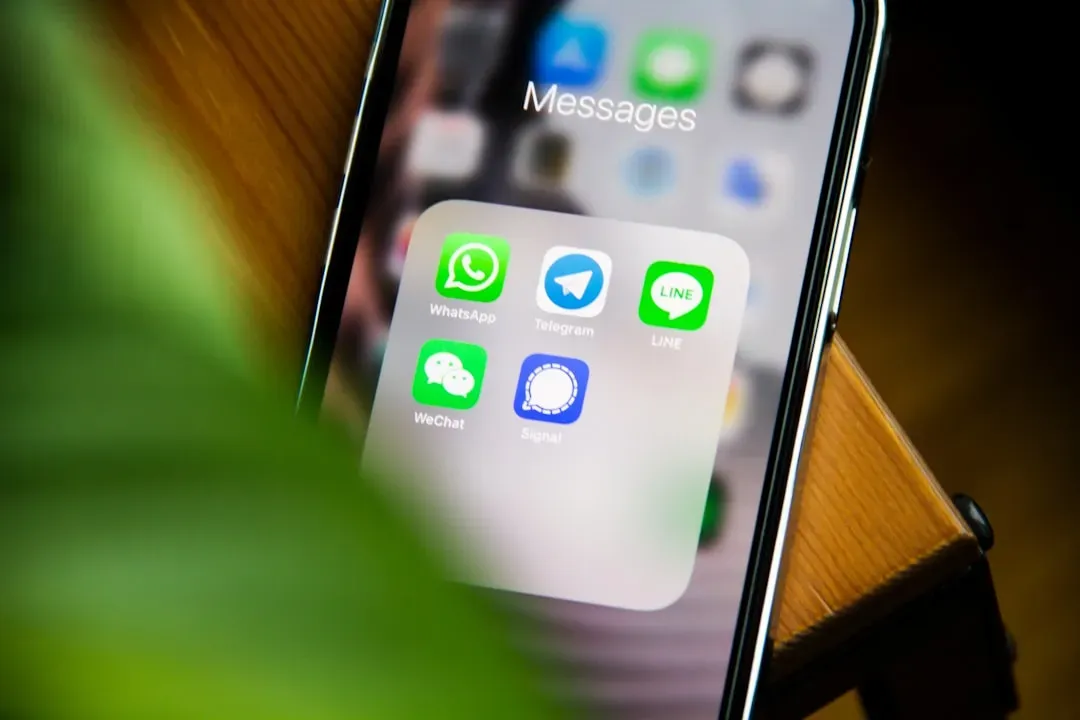
4. Chat replaces the phone call and the formal email (Image Credits: Unsplash)
Millennials on my teams would text to ask if a call was convenient before actually calling, treating phone conversations almost like scheduled appointments. Gen Z skips that entire ritual and just messages directly, often expecting a reply within minutes. Millennials prefer in-person discussions, while Gen Z often relies on digital communication.
The friction isn't about rudeness, it's about different defaults. Quick messaging and responses are natural to Gen Z partly because that's been their norm, and to them a short note may signal efficiency rather than urgency. Once I stopped reading brevity as coldness, collaboration got a lot smoother.
5. Career growth is measured in months, not years

5. Career growth is measured in months, not years (Image Credits: Unsplash)
Millennial hires generally accepted a slower climb, understanding that promotions might take several years and require patience. Gen Z staff ask about advancement almost from the first month, and they expect visible movement soon after. Some of this is temperament, but a lot of it is economic; they've watched job security erode in real time and don't trust a "wait your turn" model the way earlier hires did.
I've had to get comfortable having promotion conversations earlier and more often than I used to, even when the honest answer is "not yet." Many Gen Zers process information faster, expect real-time feedback, and make career decisions based on how fast they're advancing, not the promise of a corner office in five years.
6. Job hopping is a strategy, not a red flag
6. Job hopping is a strategy, not a red flag (Image Credits: Unsplash)
A Millennial resume with three jobs in five years used to raise an eyebrow in an interview. For Gen Z, that same pattern barely registers as unusual, and average tenure has dropped sharply as a result. Gen Z is on track to make up roughly 30% of the global workforce, and it is the highest-turnover generation on record, with average early-career tenure just 1.1 years and one in three planning to leave within the year.
I've stopped treating a short stint elsewhere as a warning sign and started asking what someone actually built during that time. It's a more useful question anyway, and it fits how this generation genuinely operates.
7. Mental health support is a baseline expectation, not a perk
7. Mental health support is a baseline expectation, not a perk (Image Credits: Unsplash)
Millennial staff appreciated wellness benefits when offered, but rarely brought them up unprompted during hiring conversations. Gen Z candidates ask about mental health resources directly, often in the first interview, treating it the same way earlier generations treated salary. Gen Z prefers flexibility but also looks for job stability and mental health support, and employers need to balance these needs with structured flexibility and well-being initiatives.
This isn't a soft add-on to a benefits package anymore. Teams that treat it as optional tend to lose people faster, and I've watched that play out more than once on my own floor.
8. They question hierarchy instead of just following it

8. They question hierarchy instead of just following it (Image Credits: Unsplash)
Millennials generally respected titles and chain of command, even when they privately disagreed with a decision. Gen Z staff will ask "why" directly to a manager's face, not as a challenge to authority exactly, but as a genuine request for reasoning. Many expect a collaborative rather than a hierarchical work culture.
I used to find this uncomfortable, honestly. Now I treat it as a useful check; if I can't explain a decision in plain terms, it's probably not a great decision to begin with.
9. AI and new tools get adopted without hesitation
9. AI and new tools get adopted without hesitation (Image Credits: Unsplash)
Millennial employees typically needed some ramp-up time and reassurance before trusting new software into their daily workflow. Gen Z staff tend to try new tools first and ask permission later, treating AI assistants and automation as default parts of how work gets done rather than optional add-ons. This isn't recklessness so much as familiarity; they came of age alongside constant platform turnover and never developed the same wariness toward change.
On my team, the fastest adopters of new AI-assisted workflows have consistently been the youngest hires, not the most experienced ones. It's reshaped how I think about training entirely, since the bottleneck now is often governance and judgment, not technical comfort.
None of these nine habits mean one generation works harder or cares more than the other. They reflect different formative conditions, different economic realities, and different tools available at the start of a career. Managing well across both groups has mostly come down to adjusting the delivery of feedback, recognition, and structure rather than expecting either generation to behave like the one before it.