
Leftovers feel like a small victory. You cooked once, and now dinner practically makes itself. But the way most people handle that second round of heating undoes a lot of the good work from the first time around, sometimes turning a decent meal into something bland, dry, or worse, a food safety gamble.
The mistakes are rarely dramatic. They’re the small habits, microwaving on high without thinking, leaving food out “just for a bit,” reheating the same dish over and over. Here’s a closer look at where things typically go wrong and what actually helps.
1. Letting food sit at room temperature too long
1. Letting food sit at room temperature too long (Image Credits: Unsplash)
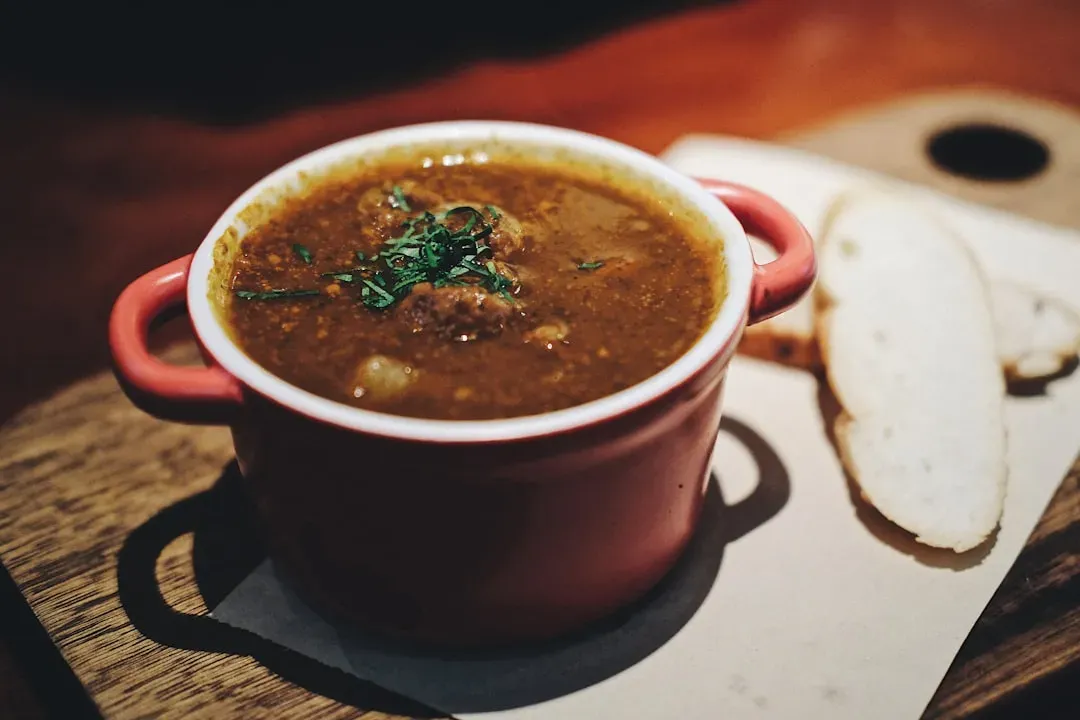
The two hour rule exists for a reason, and it’s not arbitrary. Bacteria like Staphylococcus aureus and Bacillus cereus multiply fastest between 40°F and 140°F, a range food safety experts call the “danger zone.” Leave a pot of soup or a tray of casserole out on the counter while everyone finishes eating and chatting, and you’ve already started a clock that most people ignore.
If the kitchen is warm, that window shrinks to about one hour. This is especially true in summer months or in homes without strong air conditioning. Once food crosses that threshold, reheating it later won’t necessarily make it safe again, since some bacterial toxins survive cooking temperatures just fine.
2. Reheating in the microwave without stirring or rotating
2. Reheating in the microwave without stirring or rotating (Image Credits: Unsplash)
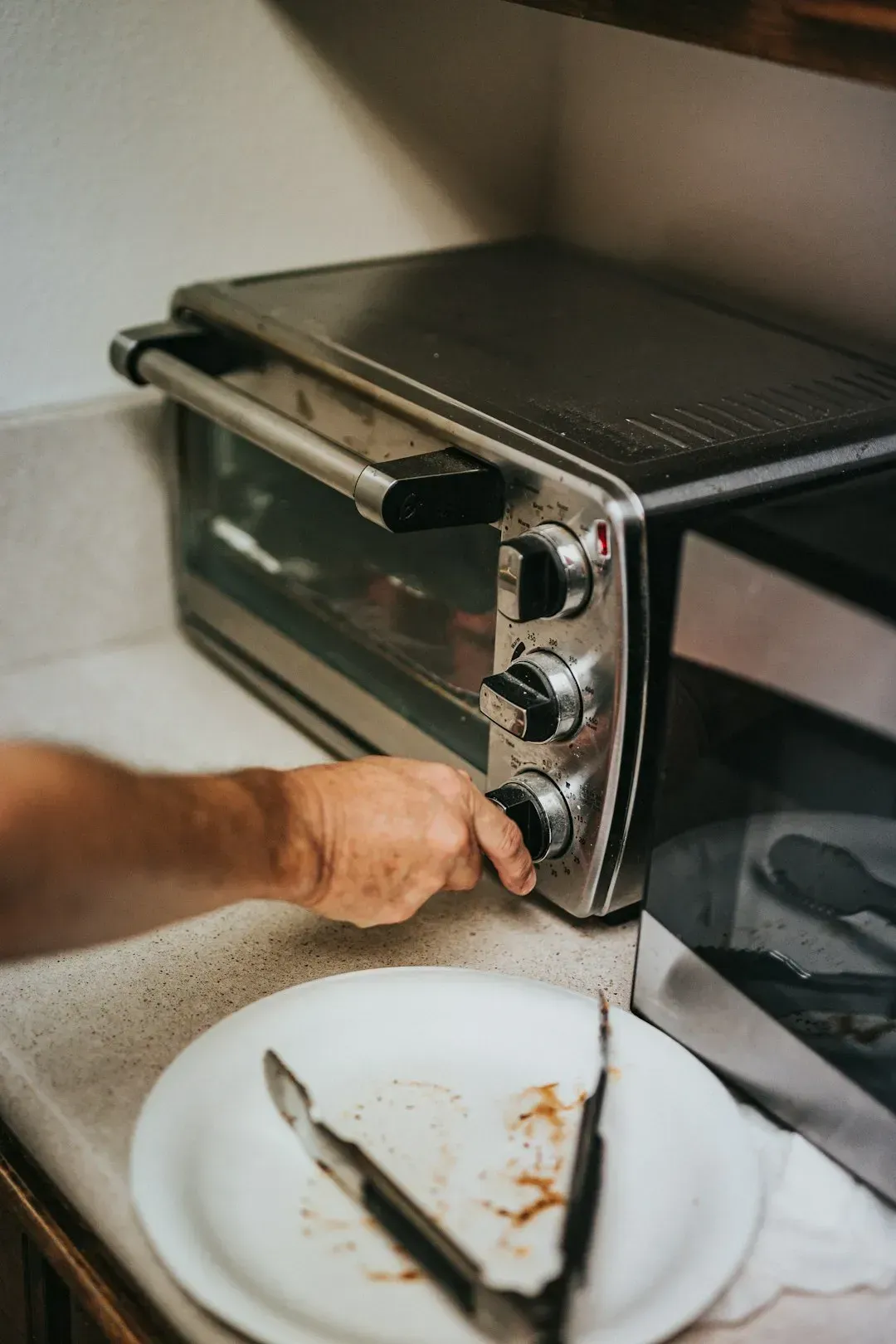
Microwaves cook unevenly by nature. They create hot and cold spots depending on the shape of the container, the density of the food, and where the waves happen to concentrate. A lot of people just hit start, wait for the beep, and dig in, assuming the whole plate reached a safe temperature.
That assumption is often wrong. The edges of a dish might be scalding while the center is barely lukewarm, which is a particular problem with dense foods like rice, casseroles, or thick stews. Stirring halfway through, or rotating the dish if there’s no turntable, spreads the heat around and closes those gaps.
3. Reheating rice the wrong way
3. Reheating rice the wrong way (Image Credits: Pexels)
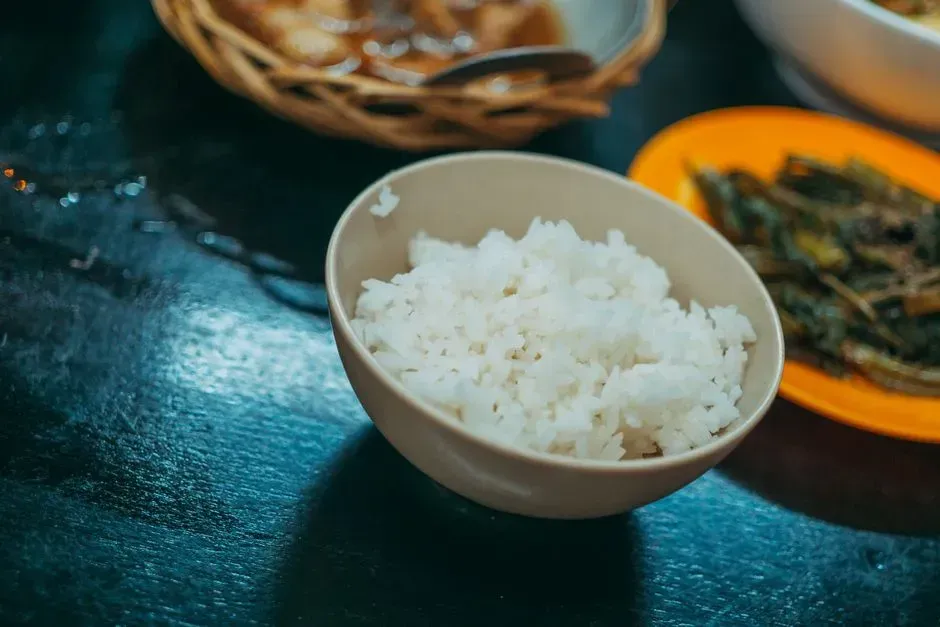
Rice deserves its own mention because it carries a specific risk that other foods don’t. Bacillus cereus spores can survive the original cooking process, and if cooked rice sits at room temperature for a while, those spores can produce a toxin that isn’t destroyed by reheating. This is why cold rice left out overnight and then warmed up the next day has caused documented cases of food poisoning.
The fix isn’t complicated. Cool rice quickly after cooking, ideally within an hour, and store it in the fridge rather than on the counter. When reheating, make sure it’s steaming hot throughout, not just warm around the edges.
4. Reheating chicken and other meats at low power
4. Reheating chicken and other meats at low power (Image Credits: Unsplash)
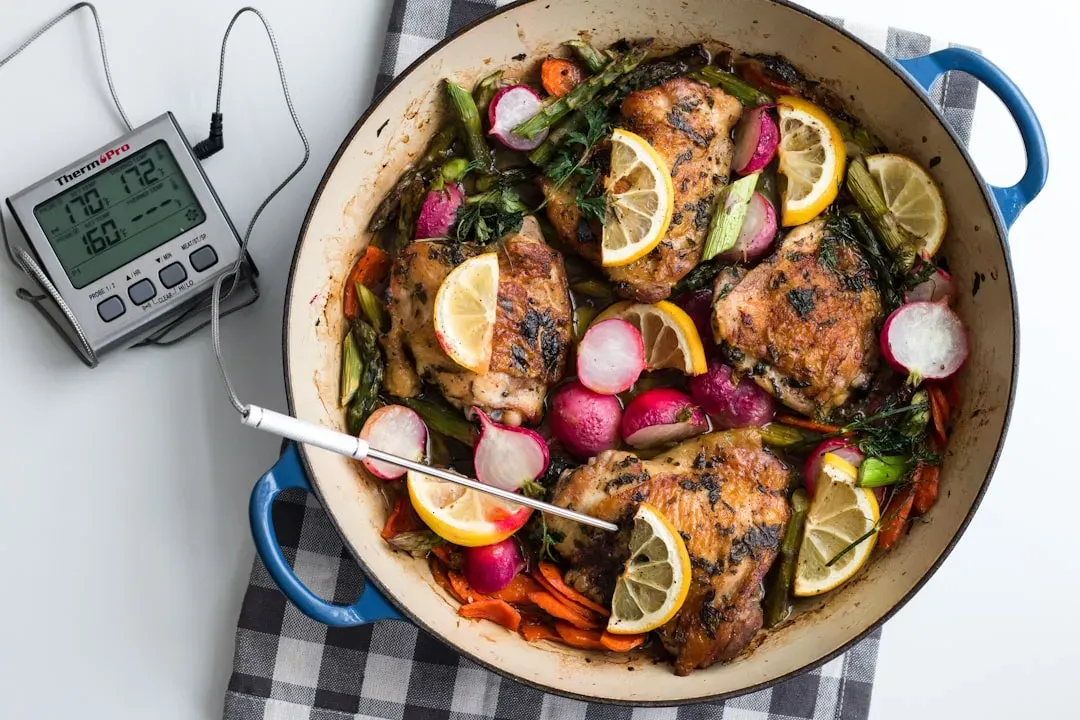
There’s a temptation to reheat meat gently, thinking a slow warm up keeps it moist. In practice, low power settings often mean the food lingers in that same danger zone for longer than it should, giving any surviving bacteria more time to multiply before the temperature climbs high enough to matter. The safer approach is to reheat quickly and thoroughly, aiming for an internal temperature of at least 165°F, which is the threshold the USDA sets for safely reheated leftovers.
A food thermometer settles the guesswork instantly. Cutting into a chicken thigh and eyeballing whether the juices look clear isn’t reliable, since color can be misleading depending on the cut and how it was originally cooked. A five dollar thermometer removes the uncertainty entirely.
5. Reheating leftovers more than once

5. Reheating leftovers more than once (Aunty Shirley's Hot and Spicy Leftovers 菜尾, <a href="https://commons.wikimedia.org/w/index.php?curid=2438767" target="_blank" rel="noopener">CC BY-SA 2.0</a>)
Every reheating cycle is another pass through the danger zone, another chance for bacteria that survived the first round to get a foothold. Reheating a dish, letting it cool, then reheating it again a day or two later compounds that risk each time. Most food safety guidelines, including those from the UK’s Food Standards Agency, recommend reheating leftovers only once.
The practical workaround is portioning. Instead of reheating a giant pot of curry three separate times over a week, split it into smaller containers when it first goes into the fridge or freezer. That way each portion only gets reheated once, right before it’s eaten.
6. Using the wrong container for the microwave
6. Using the wrong container for the microwave (Image Credits: Unsplash)
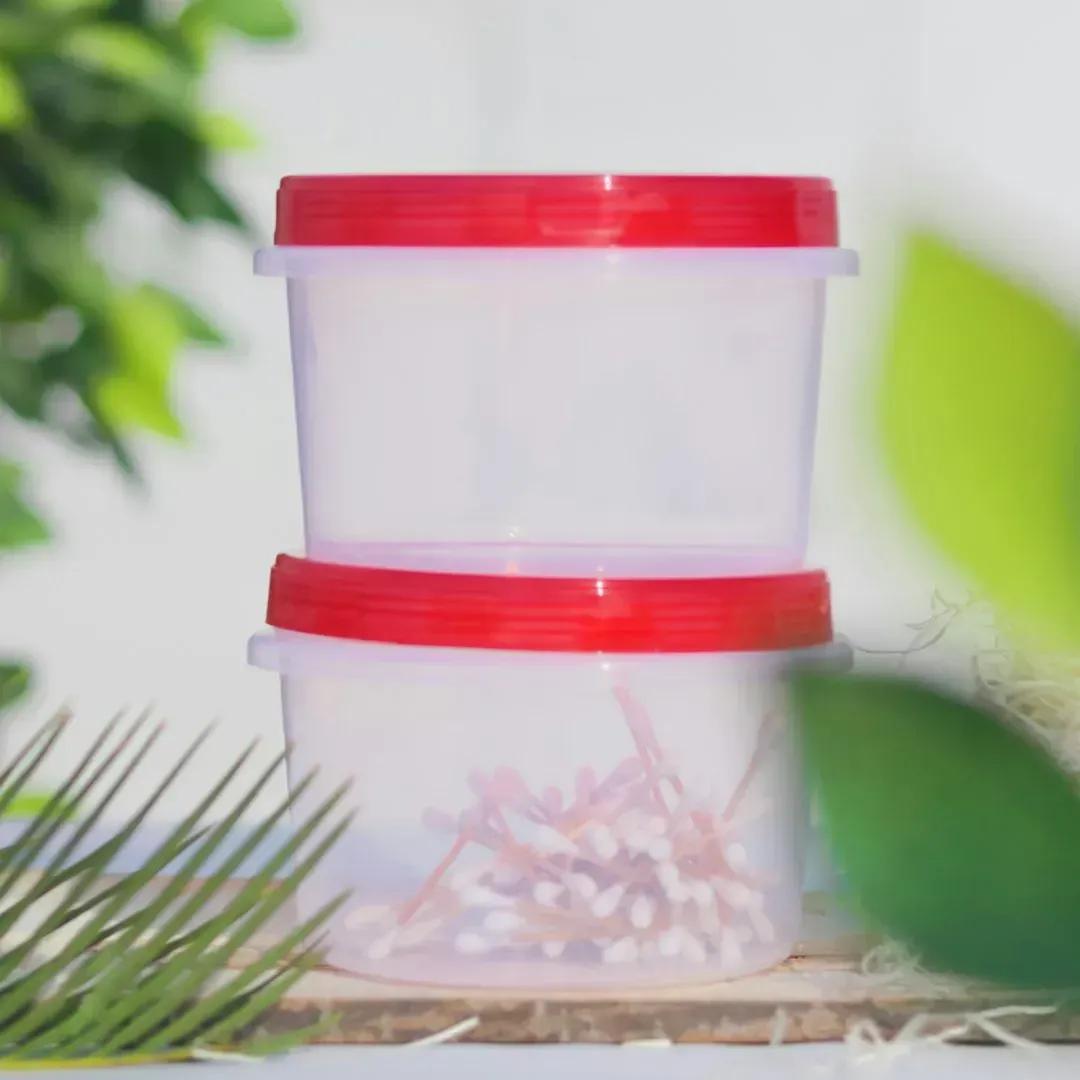
Plastic containers that weren’t designed for microwave use can warp, leach chemicals, or melt slightly at the edges, especially with fatty or sugary foods that heat up faster than water based ones. Some takeout containers look sturdy but aren’t actually rated for it, and the label matters more than the appearance. Glass and ceramic marked microwave safe are the more dependable choice for regular reheating.
Metal, obviously, is off the table for microwaves entirely, sparking and potentially damaging the appliance. For oven reheating, foil covering can help retain moisture, but it needs to be removed if a recipe calls for a final crisping stage. Matching the container to the method sounds obvious, yet it’s one of the more common kitchen mishaps.
7. Skipping the moisture step entirely
7. Skipping the moisture step entirely (Image Credits: Unsplash)
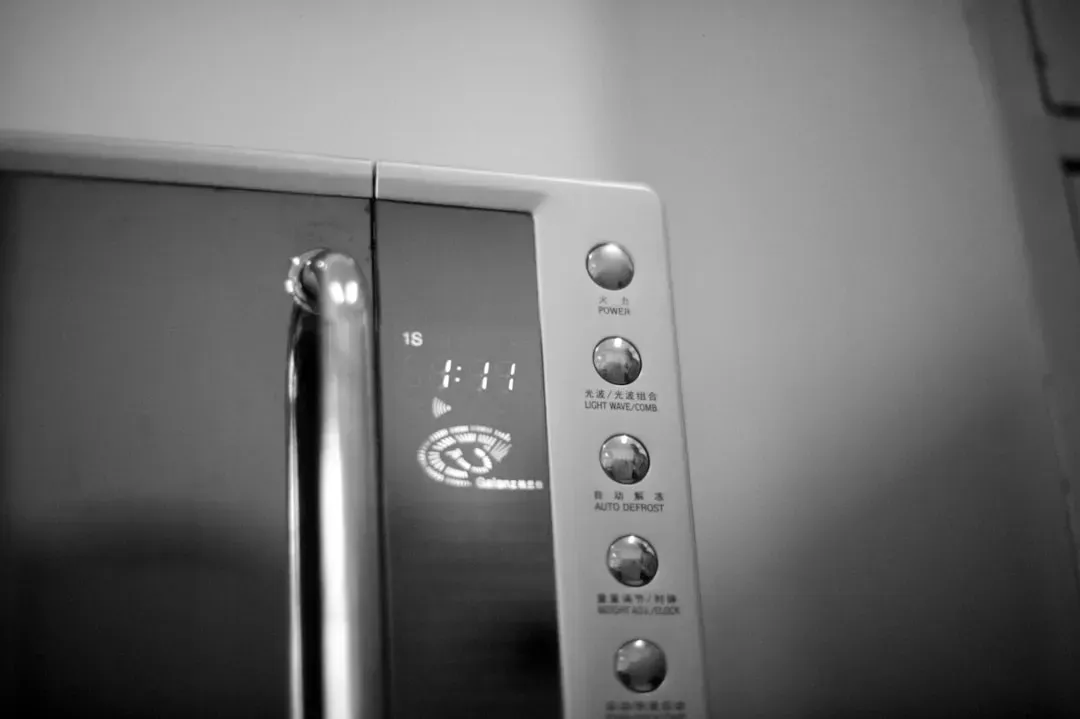
Dry, rubbery leftovers are usually a moisture problem, not a flavor problem. Reheating without covering the dish, or without adding a splash of water, broth, or sauce, lets the microwave or oven pull whatever liquid is left right out of the food. Pasta, rice, and roasted meats are especially prone to drying out this way.
A damp paper towel over a plate in the microwave, or a loosely tented piece of foil in the oven, traps steam and keeps things from turning into leftovers nobody wants to eat. It’s a small step that takes seconds but changes the texture completely. Skipping it is easy to do when you’re hungry and in a rush, which is exactly why it happens so often.