
By the time couples reach their 40s, the loud arguments of early marriage often fade into something quieter and, in some ways, harder to spot. There’s no single blowup, no dramatic betrayal. Instead, therapists describe a slow erosion made up of small omissions, habits that simply stop happening without anyone announcing it.
What makes this stage tricky is that the couples themselves rarely notice. Life gets busy, routines calcify, and the absence of certain behaviors starts to feel normal rather than alarming. Below are six patterns that relationship professionals keep flagging as early warning signs, even when the couple insists everything is fine.
1. Reaching for each other physically, without it leading anywhere

1. Reaching for each other physically, without it leading anywhere (Image Credits: Pexels)
Simple, non-sexual touch tends to be one of the first casualties in long relationships, and experts say its disappearance matters more than couples realize. Emotional distance often shows through the absence of physical warmth, with a partner no longer reaching out for a hug, a quick touch, or a hand on the back while passing by. This isn’t just anecdotal; researchers point to the biochemistry behind it, since holding hands, hugging, and touching can release oxytocin, causing a calming sensation, and physical affection reduces stress hormones.
Family law and marriage counselors both track this shift closely. Couples may notice a decline in physical affection, such as hand-holding or sexual activity, or feel growing emotional distance. The concerning part isn’t a single quiet week. It’s when that becomes the new baseline and nobody comments on it.
2. Talking through hard things face to face, instead of by text

2. Talking through hard things face to face, instead of by text (Image Credits: Unsplash)
Plenty of long-married couples built their conflict-resolution skills in an era before smartphones sat on every nightstand, and that habit is fading fast in newer relationships. Counselors point to patterns that long-married couples built almost by accident, formed before dating apps and social media, and note those patterns weren’t incidental, they were load-bearing.
The problem isn’t texting itself, it’s what texting replaces. There’s something that happens when a difficult conversation gets interrupted by a phone notification, the moment breaks, and it rarely fully returns. Once couples stop sitting across from each other during disagreements, the small repairs that used to happen in real time simply stop happening at all.
3. Bringing up complaints instead of letting them pile up silently

3. Bringing up complaints instead of letting them pile up silently (Image Credits: Unsplash)
It sounds counterintuitive, but therapists say a noticeable calm can actually be a red flag rather than a relief. Licensed marriage and family therapist Lisa Brookes Kift told Fox News Digital that a noticeable absence of friction can be an early warning sign. Couples who’ve quietly given up on being heard often stop bothering to argue at all.
The signs tend to cluster together rather than appearing alone. A decline in open communication, unresolved conflicts, growing impatience, and a tendency to assume the worst about a spouse’s intentions often show up together, and this pattern has even picked up the nickname “quiet quitting” in a marriage. When couples stop voicing frustration, it rarely means the frustration disappeared.
4. Spending unstructured time together, without an agenda

4. Spending unstructured time together, without an agenda (By Anuvand68, <a href="https://commons.wikimedia.org/w/index.php?curid=76756858" target="_blank" rel="noopener">CC BY-SA 4.0</a>)
After 40, life fills up fast with careers, teenagers, aging parents, and a calendar that never seems to empty out. What often gets cut first is the loose, purposeless time that used to define the relationship, things like driving somewhere without a destination or doing separate things in the same room. It sounds minor, but counselors argue it isn’t.
Friendship grows in unstructured time, and that’s the foundation everything else rests on. Grand gestures don’t replace it either. Researchers who study long marriages have found that simple daily rituals like morning coffee together or evening walks do more for a marriage than occasional grand romantic gestures. When that everyday texture disappears, couples tend to feel more like housemates than partners, even if they can’t quite explain why.
5. Softening criticism instead of aiming it directly at each other

5. Softening criticism instead of aiming it directly at each other (Image Credits: Pexels)
Long-term couples eventually decide, consciously or not, how they’ll speak to each other during conflict. Some keep it aimed at behavior. Others, over time, start attacking character instead, and therapists consider this shift one of the clearest predictors of trouble. Constant criticism, contempt, or belittling, where critiques become harsh, judgmental, or demeaning, erodes respect whether it happens in public or private.
What’s notable is how gradual this shift usually is. Couples rarely start out contemptuous. It builds from years of unaddressed friction, and by the time it becomes a habit, both partners tend to describe it as just how they talk now. That normalization is exactly what worries clinicians, since it means the couple has stopped noticing the tone has changed at all.
6. Checking in on how the relationship is actually going
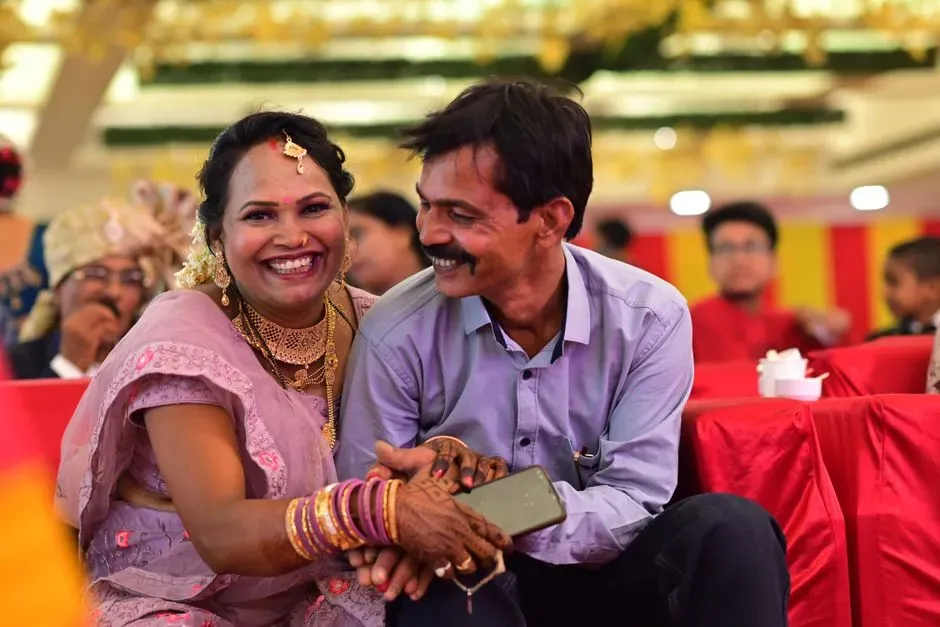
6. Checking in on how the relationship is actually going (Image Credits: Pexels)
Perhaps the most overlooked stop-doing pattern is the simplest one: couples quit asking each other how they’re really doing, as partners rather than as co-managers of a household. Conversations filter down to practical matters, physical affection becomes an afterthought, and fights happen less, not because things improved, but because one or both partners have stopped investing enough to bother. Some counselors call this a “silent divorce,” a state where the marriage continues administratively while the emotional partnership has quietly ended.
The tricky part is that from the outside, and often from the inside too, everything looks stable. A silent divorce is when someone isn’t legally separated, but is emotionally, mentally, and almost physically removed from their spouse, which can be isolating. Regular, honest check-ins are the thing most likely to catch this drift early, which is exactly why their absence tends to worry professionals the most.
None of these six patterns are dramatic on their own, and that’s precisely the point experts keep making. A missed hand-hold or a skipped conversation means little in isolation. It’s the accumulation, month after month, that turns ordinary busyness into quiet disconnection. Couples who catch themselves mid-drift and choose to restart even one of these habits tend to have an easier path back than those who wait for a crisis to force the conversation.