

Going out in the United States involves a lot more than paying a single price. These days, a simple dinner reservation or night out at a bar could mean that you have to pay extra charges that seem utterly ridiculous. Some are tied to booking systems & others are from payment methods. Either way, they’re quite frustrating. Here are eight costs that Americans are done with when they’re going out.
Reservation deposits
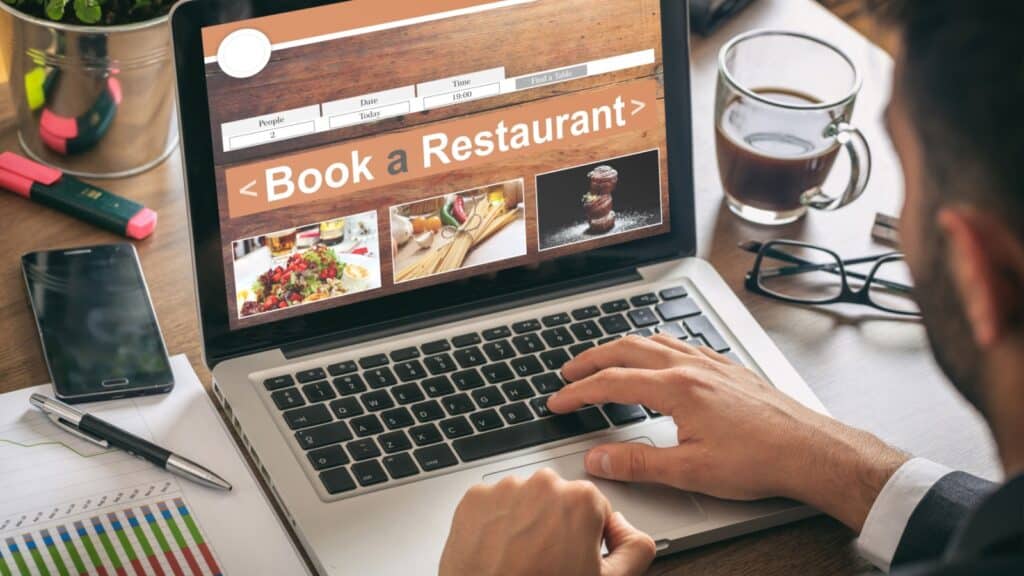
There are quite a few restaurants that now ask for a credit card before you confirm a table, especially when you’re in a busy city or on the weekends. Sometimes, the deposit is per person. It then automatically converts into a charge, should you change your plans too late, and while some places allow you to make edits online, others don’t.
The fee usually appears as a “no-show” or “late cancellation” charge. Since it’s connected to the booking system instead of the menu, diners have to deal with it before they’ve had the chance to order a drink. Many Americans feel they’re already paying too much for the experience. This charge only makes things harder.
Ticketing convenience fees

You’ll start with a clean price when you’re buying tickets online. However, it soon becomes a long list of add-ons during checkout, like processing fees & delivery fees. Let’s not forget the facility charges. All of these extra charges can stack up to quite a bit, and they don’t go away even when you download the tickets to your phone.
It’s not like you have a choice not to pay, either. The base ticket is never the final number that you have to pay, and you’ll find the extra charges once you’ve already picked seats and mentally prepared to go. Really, it feels like false advertising.
Credit card surcharges
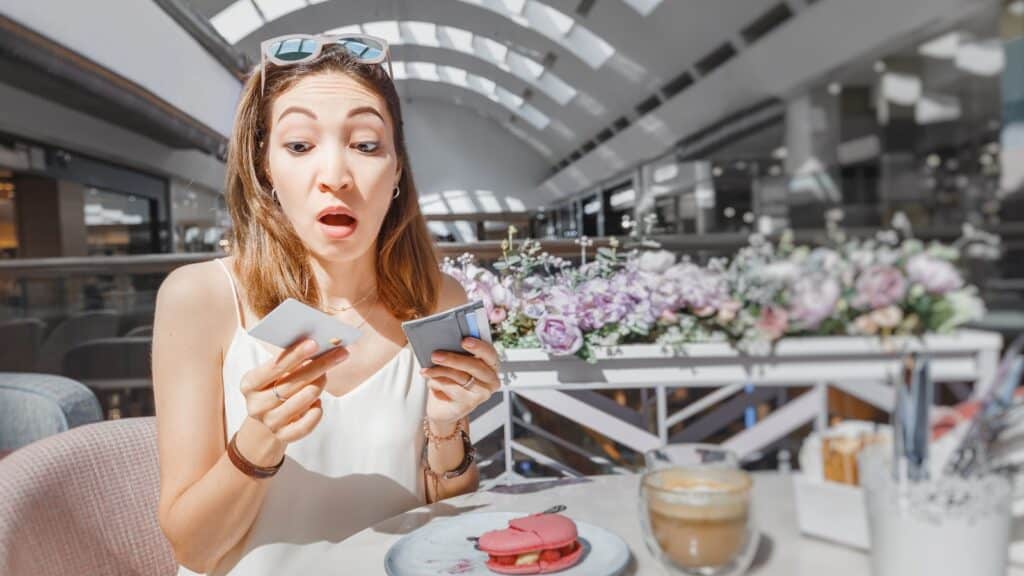
Credit card surcharges truly feel so unfair. Why should you be penalized for your choice of payment option? Unfortunately, there’s not much you can do about it, and you’ll have to pay that small percentage simply because you’re paying with plastic. It’s not a tax & it’s separate from any tip you might leave.
It’s worse when the bar or live-music venue doesn’t list the charge clearly. You might only notice it on the POS screen. On the receipt, it’ll appear as a “non-cash adjustment” or something similar, but honestly, it feels like it should be a “plastic tax.”
Minimum-spend rules
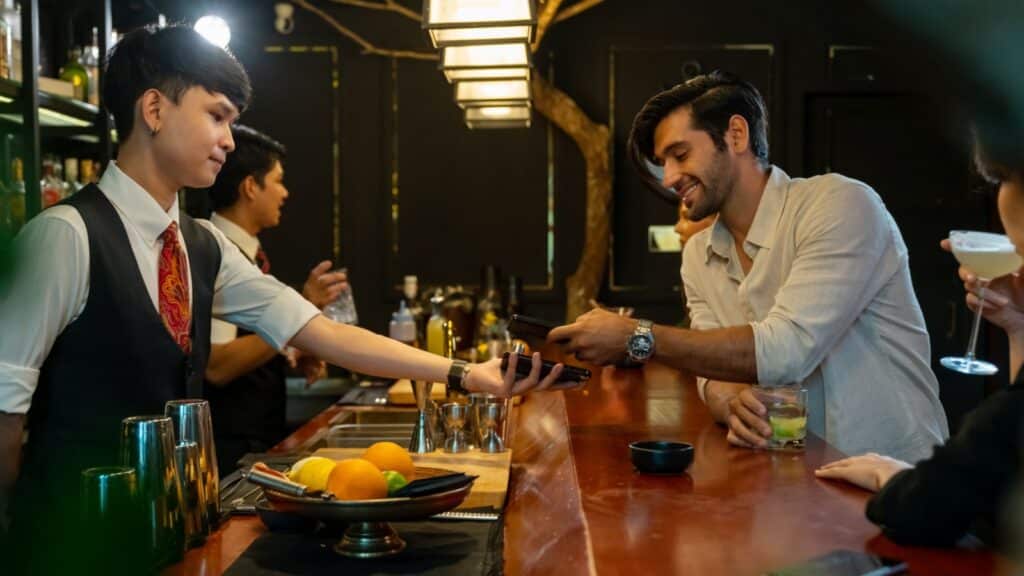
By far one of the worst costs is the minimum-spend rule that’s common in certain nightclubs & VIP sections at arenas. You have to agree to them whenever you’re reserving a couch or high-top table for a set time window. Sadly, the minimum spend amount can change, depending on the time of your booking and other factors.
Failing to reach the spending amount means that you’ll be charged the remaining balance anyway. As a result, it feels as though you have to reach the minimum or waste paying for absolutely nothing. You’re not allowed to spend however much you want.
Paid parking
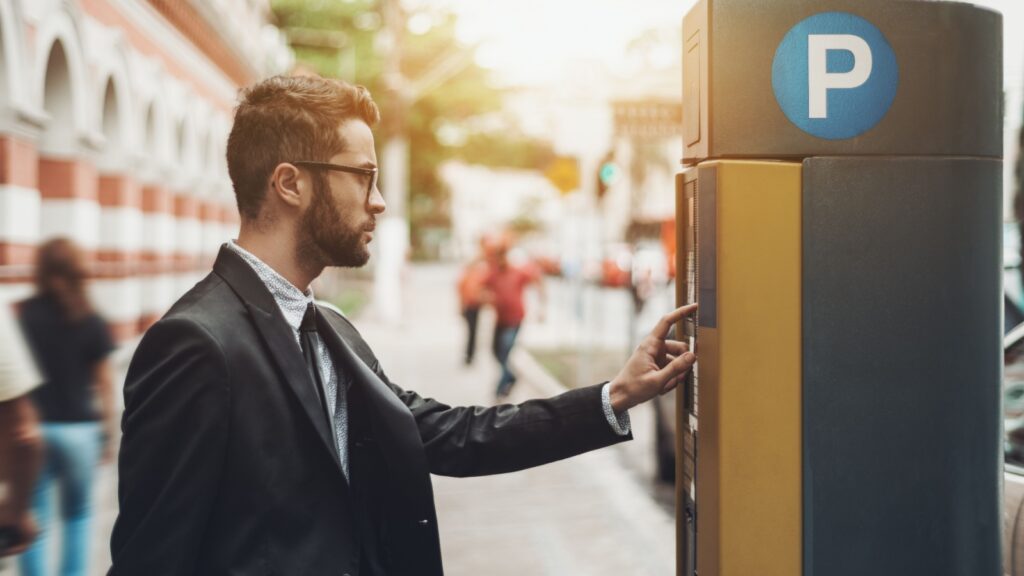
Parking your car rarely means you’re paying the meter price. No, quite a few cities use mobile apps that involve entering a zone number & time, then being charged a small service charge on top of it. Garages tend to work the same way. They’ll have a single rate at the entrance, but then process the payment through a third-party system that includes its own charge.
The shortest of visits could lead to multiple lines on a digital receipt. As a result, the total cost of parking your car somewhere safe could be a lot higher than the hourly rate posted at the entrance. No wonder so many Americans are tired of it.
Automatic gratuity plus a tip screen on top
Everything feels normal when you sit down to eat. However, then the check comes, and there’s already a service charge on the bill, listed as “auto-gratuity” or “service fee.” It’s a percentage that’s included before the total gets calculated. But that’s not the worst part. That comes when the server turns the payment screen around & asks for another tip.
It really feels as though they’re taking advantage of you by asking for a tip twice. Unfortunately, the wording isn’t consistent across each venue, so you’re forced to look closely at the receipt, checking each line to make sure you’re not paying extra.
Surge pricing on rideshares
After a game or late dinner, you’ll find that the price on a rideshare app is a lot higher than it was an hour earlier. It’s usually because the bars are closing & the traffic is picking up. While the higher fare may show before you book, it can change fast enough that you’ll get a new number each time you refresh the app.
Many Americans are tired of being stuck outside, comparing prices and deciding whether to wait for the fare to reduce or simply accept it. Having to pay more for something, simply because of the time, doesn’t seem all that fair.
Mandatory cover charges
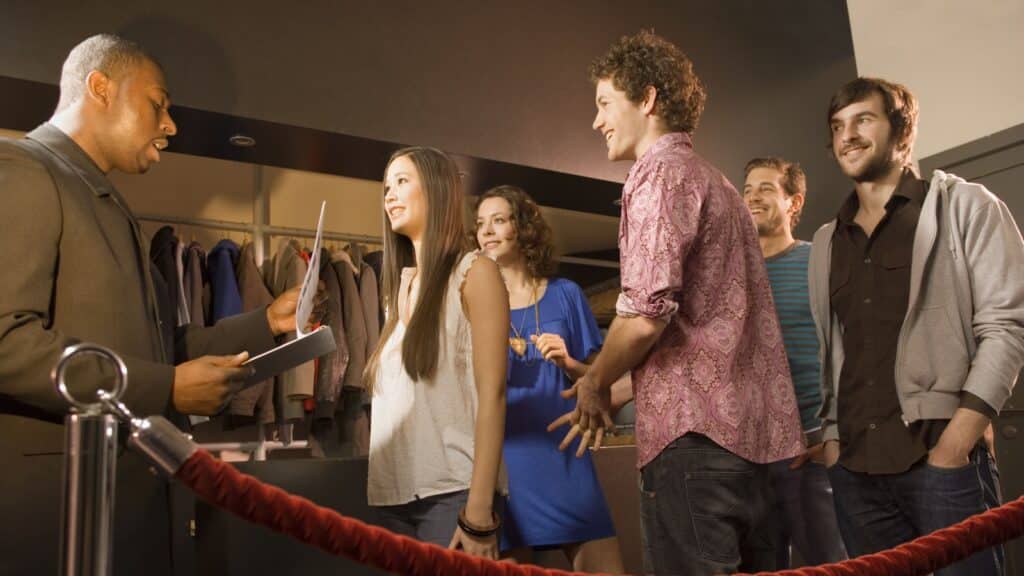
Sure, a few places will wave you in early without any charge. But then there’s a person at the door who’s ready to collect a cover charge as soon as the music starts, with one number at 8 PM & a completely different one by 10 PM. It doesn’t always come with a drink or anything extra, either.
It’s sometimes a mere fee to visit the establishment at that time, regardless of whether you only step in for a few minutes. Quite a few Americans wish they had the opportunity to see if they really like the place first before paying.
8 Reasons Why Americans Are Done With Tipping
The whole concept of tipping has changed over the years. More & more Americans are sick of tipping workers, and they’ve decided to put an end to it all. Here are eight reasons why they’re feeling that way.
8 Reasons Why Americans Are Done With Tipping