
Your routines don’t simply appear out of nowhere. Holiday routines are no different. In fact, some of the little things people do around the festive period, including how they handle food or gifts, usually trace back to how things were when they were kids. Here are 7 holiday behaviors that tell you everything about someone’s childhood.
Staying glued to the sink after dinner
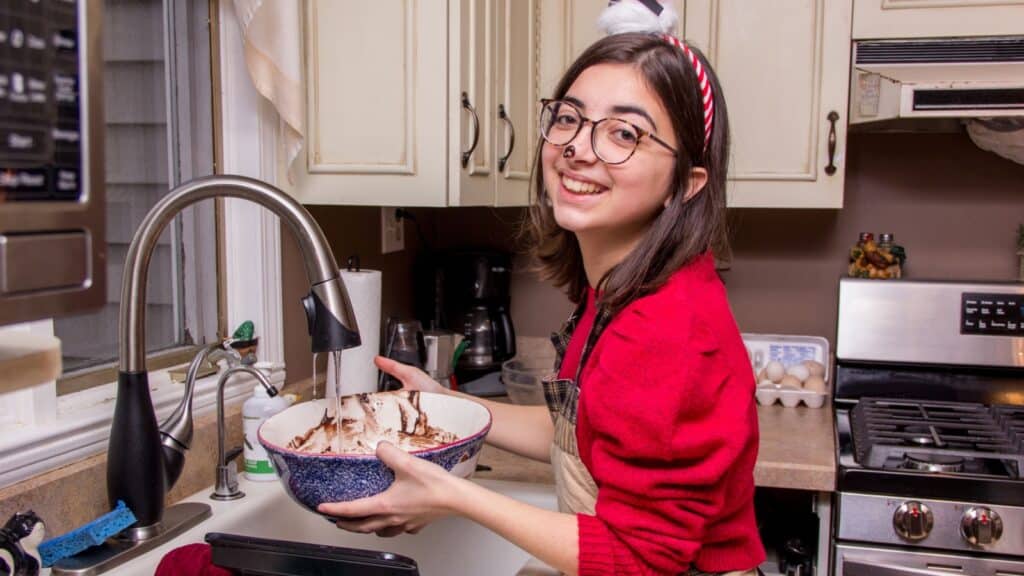
There’s often a single guest who circles the kitchen as though it’s their job. They’ll take the plates before you’re done chewing, and they’ll start rinsing pans before anyone even has the chance to offer some help. They’re that quick to move.
Such behavior may come from the fact that, during their childhood, the safest place to be was near the sink because they were helping. Washing the dishes gave them the chance to focus on a task without getting pulled into whatever conversations or moods were going around the table.
Avoiding special holiday foods
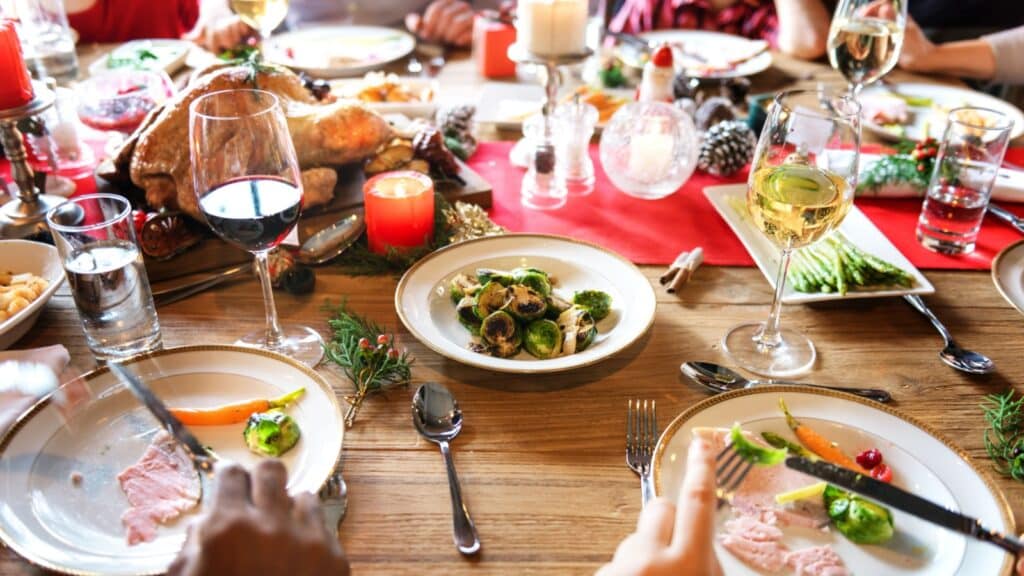
You may notice that someone loads up on the cheaper foods like bread and veggies, but barely touches the big centerpiece dish. You could try offering them the roast or the main item. Yet they wave you off and tell you that they’re completely fine with what they have.
It’s the kind of pattern you’ll see in families where they set certain foods aside for guests or adults first. Kids learned quite early that they should stick to taking food that wouldn’t start a conversation. It doesn’t matter that there are big spreads and no shortage now because these people still have the instinct to step back.
Playing host before serving themselves
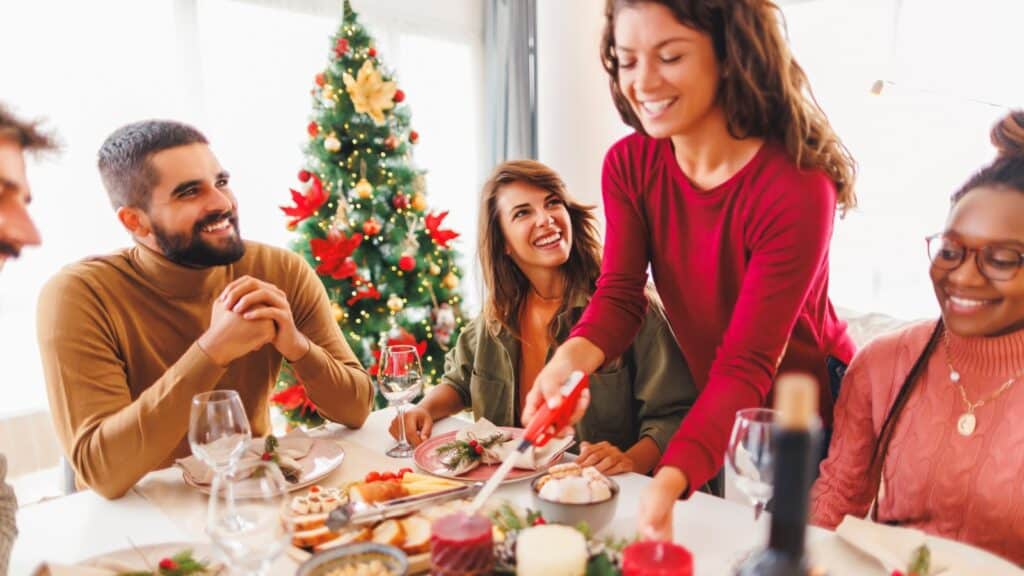
Most Christmases also have a guest who moves around with a pitcher or a serving spoon, almost as though they’re part of the staff. They’ll refill other people’s drinks and check plates. They may also keep asking whether anyone wants seconds, even though they haven’t made their own plate yet. Why do they do this?
It’s often because they came from a home with lots of siblings or older relatives. The “helper kid” role came naturally to them since someone had to keep things running as they should, especially during the holidays. They fall right back into that rhythm today. They want to make sure everyone else is settled before they finally sit down with their own plate.
Rearranging holiday food on their plate
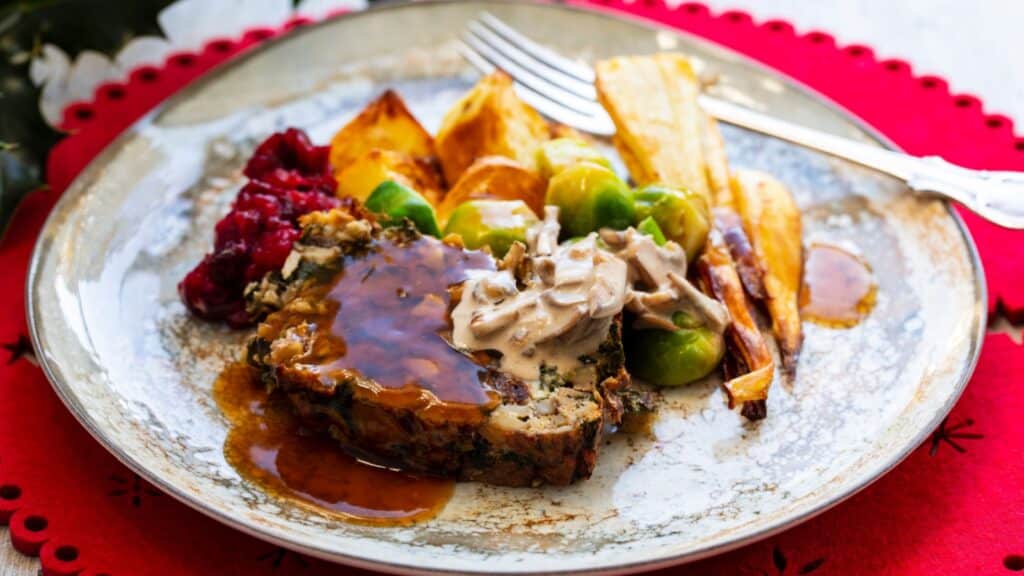
That’s not all for holiday food. Some people start moving things around their plate the second that they sit down, such as spreading the potatoes out or turning a big piece of something under a smaller one. They also move things to the edges. They do this because they don’t want the plate to start a conversation.
Too much attention on food choices when they were growing up made mealtimes feel uncomfortable. It was especially bad during the holidays because everyone watched each other more, so they learned some tricks to make their food choices blend in. They don’t want to draw any eyes to their plate.
Turning holiday noise down to a safe level

You can guarantee that there’ll be one person who hovers with the remote for the speaker or TV. As soon as the music turns on, they’ll lower the volume, and then lower it again once a few more people walk in. It’s the same thing with movies. They’ll skip the loud parts or switch to something calmer.
Such behavior occurs because they react quite quickly to changes in volume. They grew up in a household where loud sounds were a sign of tension, whether that was loud commercials or shouting during games. Kids who grew up monitoring noise levels will continue to keep one eye on the volume as adults.
Slipping out of the room when drinks stack up

Keep an eye on the person who disappears as soon as drink refills start happening. They may suddenly offer to check on something in another room or talk about taking out the recycling, even though it doesn’t need to be done right now.
Sadly, the tone of a holiday gathering changes in many households, depending on how quickly bottles are emptied. Kids learned to step out of the room or the house before the atmosphere changed. They’ll slide away when the drinks pile up, regardless of whether anybody’s actually getting rowdy.
Eating holiday candy or snacks straight from the package
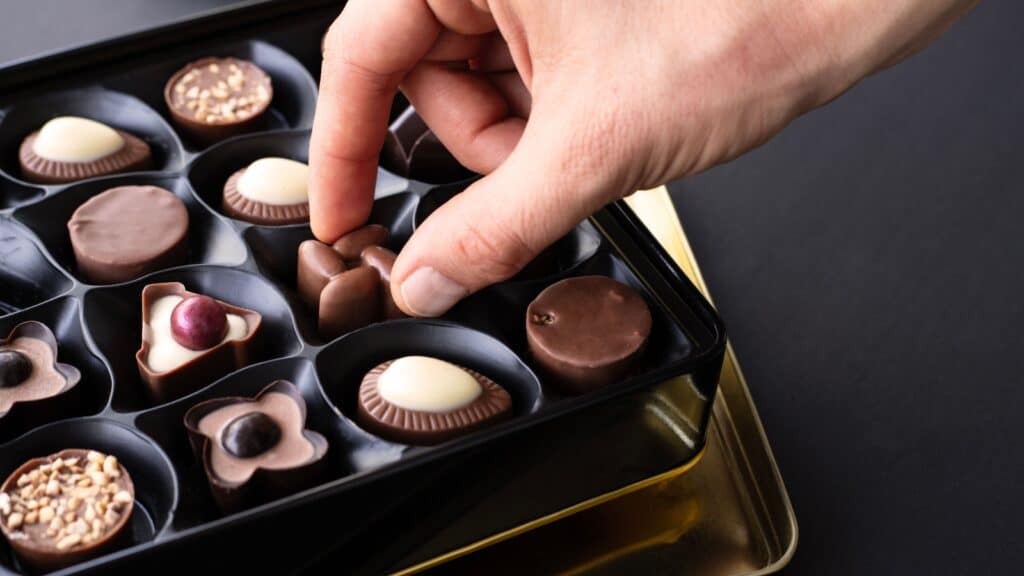
You may see someone unwrap a box of chocolates and keep the whole thing with them, rather than putting all the candy in a bowl for everyone. They don’t even think about sharing with everyone else, and their hand stays in the tin. But it isn’t a stunt.
Snacks weren’t a guarantee in their childhood homes. Whenever another person saw their snacks, they may have had to give them up, which taught these kids to hold onto their candy for as long as they could. It’s a habit that has stuck with them through adulthood.
17 Things You Might Be Doing Out of Childhood Trauma

You think you’re just “quirky” or “independent” — but that people-pleasing, panic cleaning, or ghosting behavior? That could be your inner 8-year-old trying to feel safe all these years. If you’ve ever wondered why you freak out over texts or can’t keep still in silence, these behaviors might be eye-opening for you.
17 Things You Might Be Doing Out of Childhood Trauma