

Retirement can sometimes be quite stressful. Yet the real cause of these challenges isn’t always the big decisions, but rather the small things that pile up and become rather annoying. It’s the missed notices & overlooked accounts that really get to people. Here are eight practical habits that could help to make retirement feel a little less stressful. You should start these routines to stop small things from becoming big problems.
Do a login lap on the first business day

It’s quite easy to allow your retirement accounts to go untouched for many weeks, and that’s often how the access issues begin. Try signing into all of your accounts on a specific day at least once a month. That includes logging into your Social Security & Medicare accounts, as well as your retirement accounts and your main bank account.
It’ll make sure your passwords still work and stop you from having to deal with constant security prompts. You’ll be able to recognize early when a site needs extra verification, rather than when you need a document urgently or some payment confirmation.
Keep track of payment dates
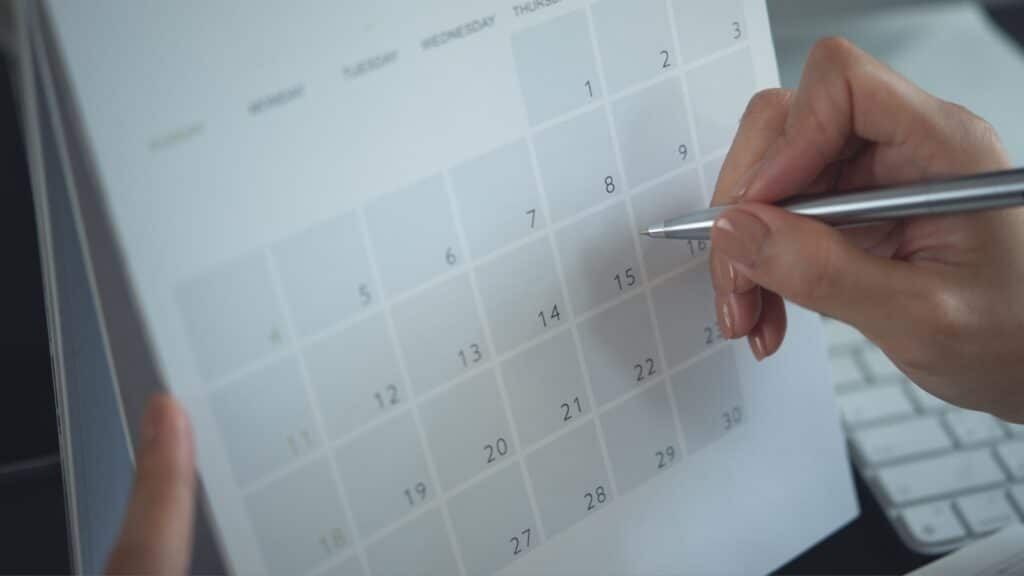
The majority of retirement income won’t arrive in a single paycheck. You’ll likely have to deal with Social Security & pensions on different days from annuities, and holidays only make the timing worse. That’s why you might want to keep track of these dates. Try writing in your calendar the exact days that you’ll get your deposit, as well as the autopay withdrawals.
You won’t need to look at the dates every day. Instead, it’d be better for you to update the calendar at least once a month, then keep an eye on it whenever you feel like the bills are “off.” Being able to quickly reference these dates should stop you from second-guessing.
Sort medical mail the day it arrives

The amount of mail you receive about healthcare will likely increase after you retire. You’ll get letters explaining your benefits, as well as information about premium notices & plan updates. It can get quite overwhelming. The way to solve this problem is by following a same-date rule, where you categorize medical mail as soon as it arrives.
You could have one spot for bills, one for statements, and one for action needed. That doesn’t necessarily mean you need to read the mail right there and then. Simply sort it into the correct folder so that you don’t miss out on any important deadlines or changes.
Do a coverage location check
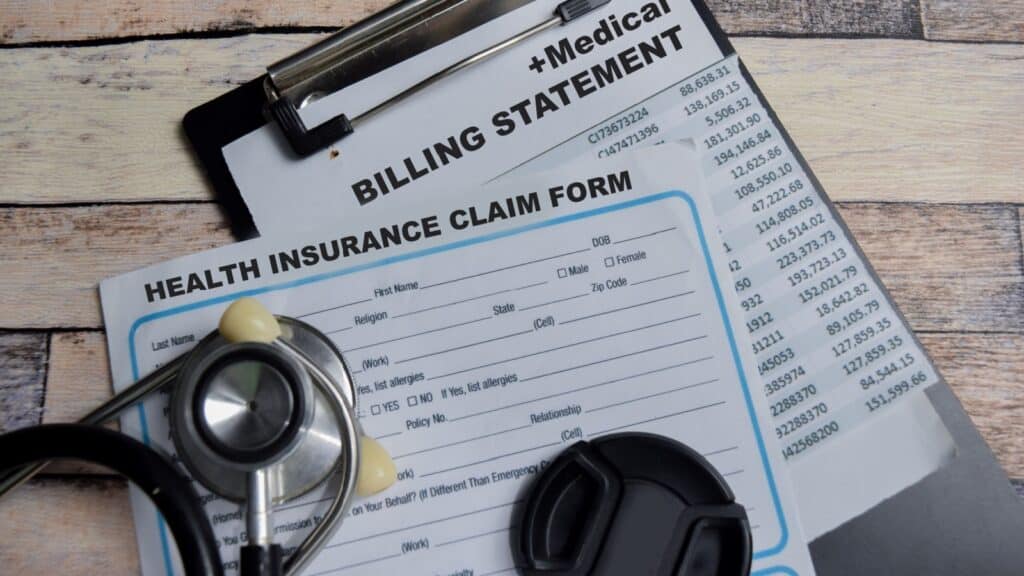
That’s not all for healthcare. Booking medical treatment often happens far ahead of time, and that’s where the trouble starts, because you might find that you’re not actually covered in certain locations. But you can avoid that. Try confirming the provider name & exact location plan so that you know it’s all okay.
It only takes a short phone call to make sure everything is how you expect it to be. Don’t forget to write down who you spoke to on the phone, as that’ll give you a physical record to refer back to. It’ll save you weeks of confusion later.
Make a benefits paperwork hour

You’re almost guaranteed to get regular notices about coverage updates & verification requests during your retirement. These may not necessarily feel urgent in the moment. But then they suddenly will be. It’s a good idea to block off the same hour each week to deal with the paperwork, where you date each document and respond to anything that needs it.
The important thing to remember is that you’re not trying to finish everything. Rather, the goal is to look through these files regularly so that your official mail doesn’t become a confusing mess of papers.
Set a recurring home service renewal day

Retiring usually involves spending more time at home, and that means the chances of issues appearing are even higher. You’ll need to do pest control and do seasonal tune-ups of your air filters & alarms, so it’s a good idea to pick one recurring day to deal with it all. It should be the same day each month.
Spend the whole day dealing with your home services, including fixing any current issues while also checking for any problems that might also emerge. Keeping the small services in check could help prevent things from building up into unmanageable issues later.
Keep a plan card album on your phone

Retirement often leads to more appointments & more paperwork. There’ll be times when someone will ask you for a card that you may not have on hand right there and then, which is why you might want to keep an album on your phone of all the plan cards. The album should contain photographs of both sides of your cards.
These include your Medicare, supplemental plans, dental, vision & pharmacy cards, as well as anything else that you’re often asked for. Make sure to keep the album relevant by replacing any photos of old cards with new ones. You’ll always have the details on hand, even when your wallet isn’t.
Reset your wallet before bed

Some retirees make sure to end each day with a short wallet reset that involves taking the receipts out & putting the cards back where they belong. They’ll also check for any cash inside. What makes it such a useful habit is the fact that it helps you stay familiar with what’s exactly in your wallet, and you’ll know when something goes missing.
Best of all, a wallet reset takes relatively little effort. You may want to make it a regular part of your routine before you go to sleep, as it’ll prevent receipts from piling up and keep everything in order.
17 Things You Should Stop Buying After Retirement

Here are 17 things you should absolutely stop buying after retirement — unless you’re okay with wasting money on things that don’t fill you with joy (or worse, actually add stress).
17 Things You Should Stop Buying After Retirement