
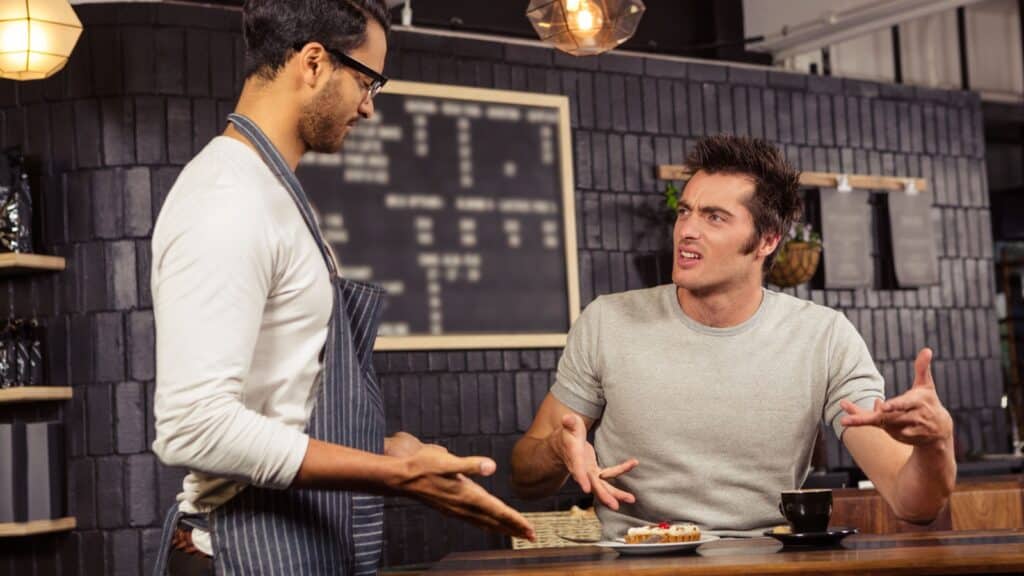
There was a time when tipping used to feel simple. Essentially, you’d leave a little extra after someone gave you good service. But the whole concept of tipping has changed over the years. More & more Americans are sick of tipping workers, and they’ve decided to put an end to it all. Here are eight reasons why they’re feeling that way.
Paying employees better

A growing number of Americans believe that businesses should stop relying on tips to pay employees, and they should pay them regular wages instead. They think the responsibility should be on the company to pay their workers better.
The issue is less about not wanting to tip because of the service. Rather, it’s the fact that people are tired of feeling like they’re covering payroll. They’d prefer for tips to be an additional form of payment for employees that the workers aren’t relying on receiving, as they’re being fairly compensated by their bosses.
Tip prompts are everywhere
You can see tip screens in places that never used to have them, like counter-service cafés & bakeries, even in self-checkouts where you’re doing all the labor yourself. It’s no longer limited to full-service restaurants or delivery drivers. Instead, it’s part of buying a muffin or grabbing a smoothie at practically every store.
Quite a lot of payment terminals show tip options as a normal part of the checkout flow. It makes these requests seem non-negotiable. That’s why, for many customers, constantly being exposed to tipping prompts makes the act of tipping seem like it’s required, rather than a reward. They’d rather not bother with it at all.
Tipping happens when the worker is watching
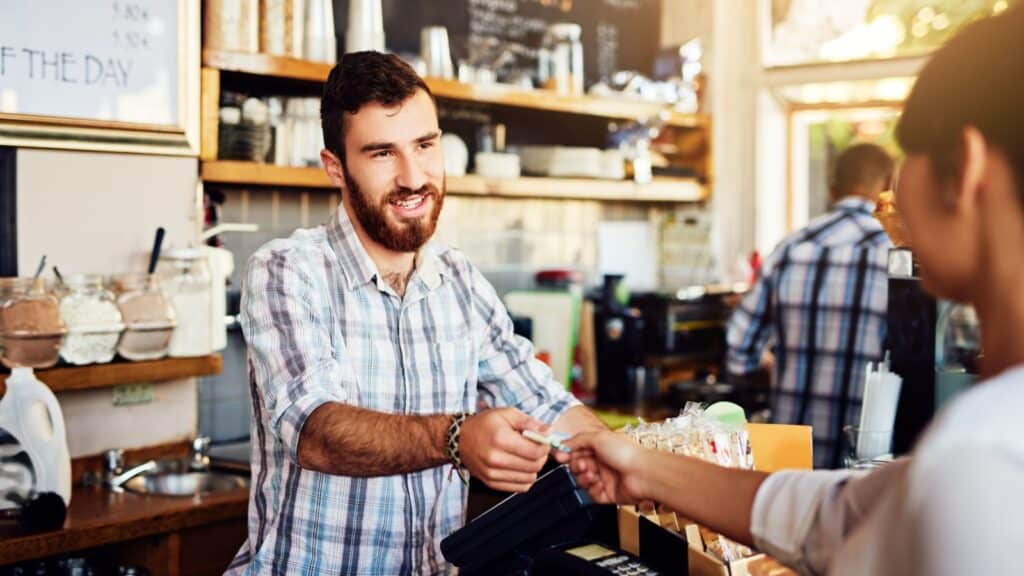
It’s completely normal for the employee to stand there waiting while you’re looking at the tip screen. It’s so awkward. What’s worse is when you have to deal with those systems that make it hard to avoid tipping without tapping extra buttons, as that only adds to the pressure of the moment.
You can’t simply decide later what to do. No, you have to make the decision right there & then at the counter while someone is watching, and that makes the whole experience feel much less comfortable. No wonder so many Americans have decided that they’d rather not deal with it at all.
Overinflated suggested tip percentages
The majority of tip screens don’t allow you to write your own amount, or at least, not without many extra steps. Instead, you have preset amounts like “18%” or “20%” to choose from. These encourage customers to give higher tips than what used to be the norm, and it’s one of the reasons that most places have a higher baseline for tipping now.
You’ll see 18% being the “normal” choice. Continually seeing these presets changes people’s expectations, especially when you have to deal with them across multiple businesses & transactions in a single day. It’s too much for some people.
Being asked to tip before receiving anything

Some places actually ask you for a tip while you’re still ordering. Before you’ve even tasted the food or received the service, they’ll ask you to tip for an experience that you haven’t even had yet. It’s quite common when you’re visiting a quick-service spot. These tend to run on an ordering system that has the payment first, and that makes some people feel uncomfortable.
They think the decision should come after the meal or service. After all, how else are you supposed to know whether it was worth giving extra for? Dealing with an early request makes the process feel rushed. They’d rather that the tip be tied to the actual service they receive, rather than it being an expectation.
Extra fees on top
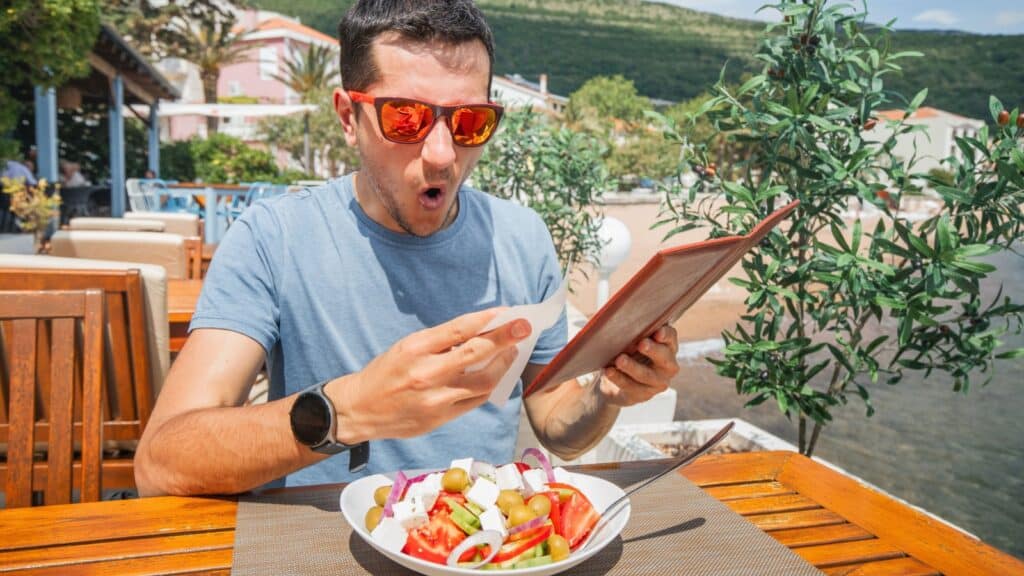
So many restaurants include extra charges, like service fees or processing charges, on top of the price before calculating the tip. Then the tip screen suggests a percentage based on the full amount. It’ll include those extra fees, which makes customers annoyed that they’re tipping on fees that they didn’t expect to deal with in the first place.
They don’t think it’s fair to pay a tip on the full amount. It’s harder for them to work out what’s going to the staff, and what’s actually going to the business. It can get rather frustrating.
Tip pooling

Tip pooling is a practice where your tip doesn’t go straight to the person who served you. It gets put into a shared pool & spread across multiple roles. As such, bussers & food runners may receive your tip, even when they’ve not directly interacted with you or helped with your meal.
Some places also require staff to tip out coworkers on total sales instead of what they personally earned. It can be rather unclear from a customer’s perspective. Sure, you tip generously, thinking that you’re helping one person, but behind the scenes, the final split is quite different.
Price increases mean tip totals rise
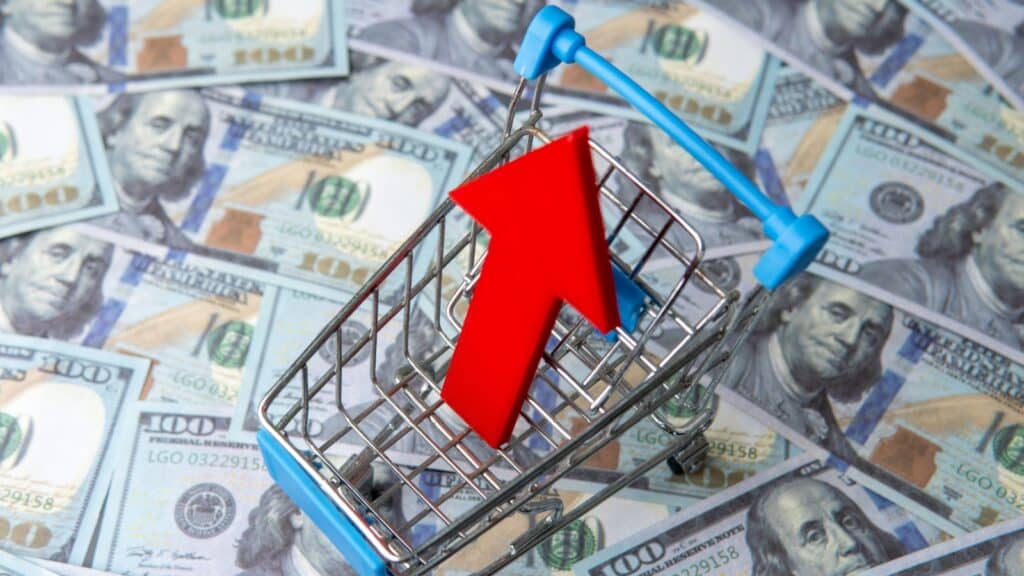
It’s no secret that menu prices are going up. Sadly, that means tips are going up right alongside them because these are based on percentages instead of the effort of the work. A $20 meal 10 years ago may cost $40 now. The standard 20% tip has now increased from $4 to $8, regardless of the fact that the service itself hasn’t changed.
Customers have to pay more on the base price & the tip at the same time. Such increases add up quite quickly over months and years. It makes tipping feel noticeably expensive when you sit down to work it all out, and some customers would rather not have to deal with any of it.
15 Phrases Scammers Use to Trick People Over 60

These scammers don’t come with flashing warning signs; they slide in with polite voices, fake urgency, and phrases scripted carefully to push emotional buttons. If you are over 60 (or have loved ones who are), you need to know the exact lines they use and why they work. Read this before you hand over your wallet.
15 Phrases Scammers Use to Trick People Over 60