

Gen Z needs quite a bit of validation. But these feelings didn’t come out of nowhere, as their generation grew up with systems where they received feedback in many ways each day. It sometimes happened automatically & completely changed how they saw approval from others. Here are seven reasons why Gen Z constantly needs validation.
Social media scoreboards
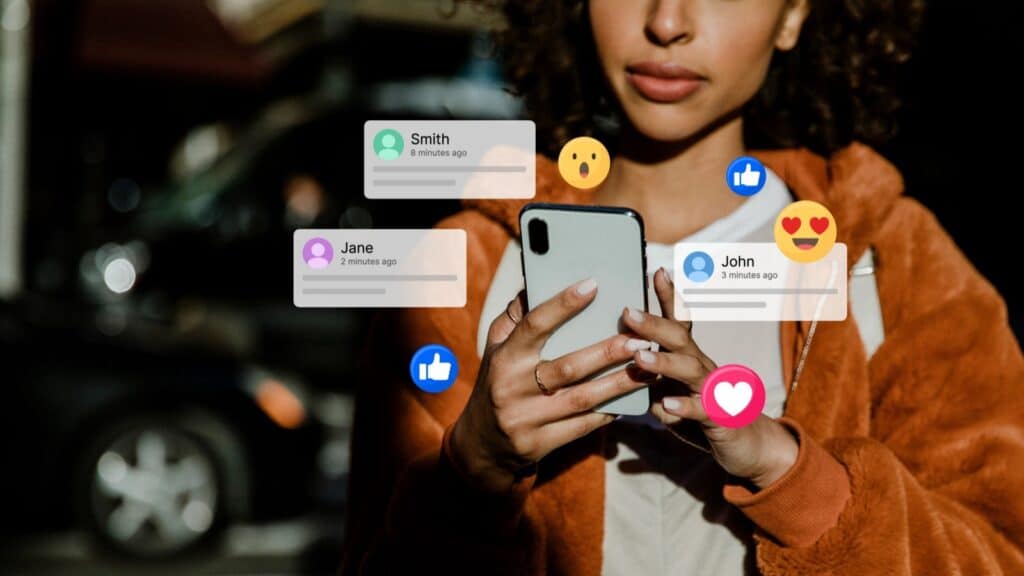
Social media apps like Snapchat changed how people talked to each other because they kept count of conversations. Users receive Snapscore numbers & streak flames, along with tallies next to people’s names. It all happened while Gen Z was young, and that affected how they think friendships work.
It’s a similar story on Instagram. The social media platform put likes in the front so it’s much easier to see other people’s approval. People naturally start looking at these numbers to see where they stand. It’s not always something that they’re thinking about consciously, but it does happen.
Professional analytics

There was once a time when only brands really cared about the analytics of posts. But now they’re part of everyday apps, and platforms like Instagram make it easy for you to see each post’s reach & engagement. It made posting online less of a form of sharing and more a kind of performance summary.
You didn’t even have to care about your account’s growth. The numbers are right there for you to see, and seeing all that data as part of regular posts became addictive for some Gen Zers. They can’t help but try to find the confirmation that people noticed.
Growing up graded on everything

Getting graded for your schoolwork is hardly anything new. But the extent to which it happened to Gen Z certainly is. They grew up seeing points everywhere at school, and they’d get points for class participation, then lose them for being late. Gen Z didn’t have to wait until the end of the term to find out how well they were doing because they knew almost immediately.
Teachers would spell out exactly what counted & what didn’t to the students. Such behavior trained the younger generation to look for approval from other people. They don’t check their work for themselves.
Too much parental involvement

The majority of Gen Zers didn’t manage school alone because their parents would be kept up-to-date each day with information from school. Adults had the chance to step in almost straight away when something went wrong. It taught young people that their decisions don’t really matter until someone signs them off.
Reassurance became part of how Gen Zers make their choices. They grew up expecting constant confirmation from other adults, so they carried the same habit forward when they got older. They need other people to give them the green light.
Being pushed to build a personal brand

Gen Zers were told from a young age that everything counts towards their personal brand. They would be told to join clubs because they were résumé material. Volunteering for something required a story, and it meant that the simplest of hobbies became a way to prove your ambition to others.
Turning everyday interests into credentials encouraged Gen Z to look for feedback about their choices. They want to make sure they’re choosing the “right” version of themselves, with smart choices that they can defend to anyone who questions them. The idea of actually enjoying their hobbies isn’t as important to Gen Z.
Therapy language became regular conversation

Conversations about mental health have become quite normal for Gen Z, and they’re willing to discuss it at school or in casual conversations with friends. It made therapy language related to boundaries & emotional safety a regular part of their speech, making reflection into a shared activity.
Gen Z thinks it’s polite to ask someone to confirm how they came across or whether something sounded ‘wrong.’ They’re looking for reassurance from others, although not necessarily because they feel doubt. They simply believe that feelings & intent are things that they should check. It’s how each of their conversations ends.
Open-ended rubrics

Flexible guidelines are the norm for Gen Z. Clear right-or-wrong answers are practically non-existent for this generation because their projects focus on originality & their presentations rewarded style over substance. Teachers judged their writing on how well they expressed their ideas. A teacher might reward one student for having a “strong voice,” but another teacher might say it was “off topic.”
Such open-endedness encouraged Gen Z to pause & ask for direction before finishing anything. They looked for validation as a way to save time because they’re worried about the expectations changing depending on who’s evaluating them. It feels quite practical for them to check in early.
17 Things Gen Z Will Continue to Blame Older Generations For

Between rising rents and insane job expectations, there’s a long list of things that didn’t exactly start with them. It’s no surprise they hold older generations responsible for these. Here are 17 things Gen Z will continue to blame older generations for, whether it’s their fault or not.
17 Things Gen Z Will Continue to Blame Older Generations For