

Adults love pretending that childhood was just all rules, bedtimes, and being told what to do. They believe they have outgrown “childhood” and can now be considered “mature,” “busy,” or “important.” Lies. We all have a longing for many aspects of our childhoods that we wouldn’t vocalize, but often miss quietly at 2 a.m. when bills, burnout, and existential dread kick in.
Being a kid was certainly not perfect, but it was simpler, lighter, and way less expensive. Here are the things adults swear they don’t miss, but they definitely do.
Getting Excited Without Feeling Embarrassed

A new pencil. A new cartoon episode. A trip to the corner shop. Random objects on the floor. Kids get excited about anything that can remotely touch their imagination and creativity. Adults try to suppress their excitement because of their feelings of embarrassment or cringe. We try to be ‘cool.’ We try not to show our joy. We pretend to be indifferent about something we are enjoying.
However, what we truly miss about being a kid is our ability to express joy at something without worrying about looking childish or desperate. At some point, we quit being excited about life and learned to manage our excitement.
Not Having to Justify Rest

There is no need for a kid to provide excuses as to why they want to lie down. They are simply tired, and that’s the end of the story. Adults, meanwhile, feel the need to justify rest like it’s a moral failing. They rationalize it with statements like “I have had a long day,” or “I didn’t sleep well,” or “I will come back to it later.”
A child can rest without feeling guilty about it, and there is no internal dialogue warning them about “taking the easy way out.” We, as adults, miss resting without mentally negotiating with ourselves.
Being Bad at Things Without Shame
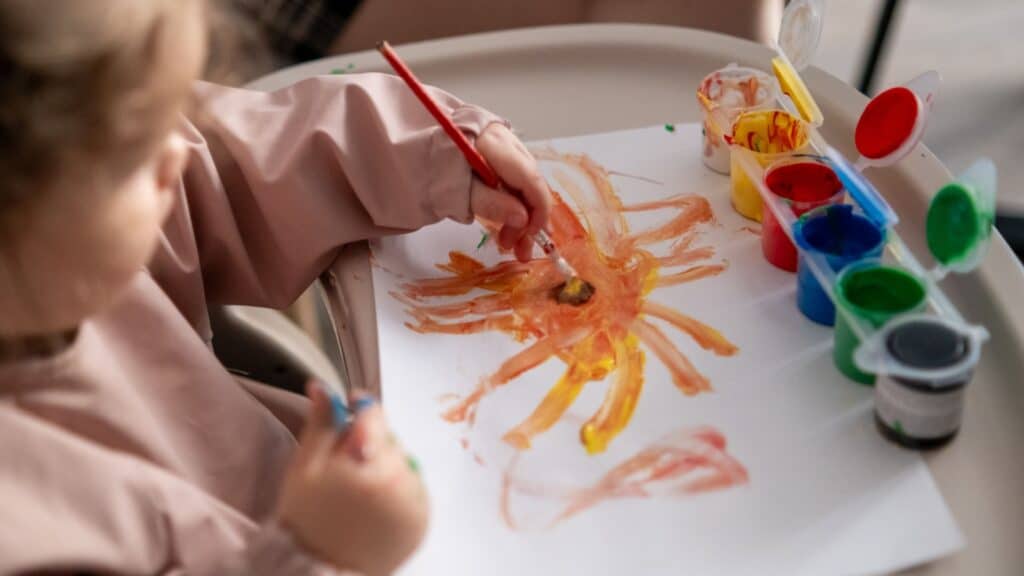
Kids can be terrible at virtually everything, and nobody has the expectation that they should not be. If you draw like a very confused possum, it’s cute, and when you are running and trip, it’s funny. On the other hand, if you are an adult and you are bad at things, it’s embarrassing. As an adult, there are expectations of how you should perform in regard to efficiency and competency.
When you’re a child, you can try things for fun, as opposed to productivity, and there’s no one asking if your hobby could become a side business. Being able to be allowed to do things badly and continue to do it was an incredible freedom.
Being Taken Care Of Without Guilt

As a kid, someone else handled food, shelter, support systems, and most of your emotional concerns. You didn’t think of yourself as a burden; you simply thought of yourself as a responsibility. Now that you are an adult, needing help feels like a sign of weakness. You apologize for everything you do.
As a child, you weren’t made to feel ashamed for being dependent on your parents. You could be tired, hungry, confused, or scared without having to explain yourself to anyone. Having that level of acceptance and safety is not something you would ever want to lose going into adulthood.
Believing Someone Older Had It Figured Out

As kids, it seemed like everyone older than you had it all figured out. While you were growing up, you saw that there were people in charge, and those people knew exactly what to do and how to take care of you. But as you grew older, that illusion shattered. You found out that there was no plan or system set out by the adults in your life.
Now we are the adults, and we know we are just winging it. We miss the comfort of believing there was an actual system, a plan, or someone who actually knew what was going on. Turns out, everyone is just improvising in real time.
Free Time That Was Actually Free

Unlike adults, kids have an abundance of free time. Free time for kids was not spent “optimizing” productivity; it was simply ‘free time’ that allowed for creativity. Kids spend hours bored or daydreaming about weird stuff, engaging in dumb games, or just staring at clouds like it was a full-time job.
In contrast, adult “free time” is filled with the guilt of being productive, self-improvement, and the need to check email throughout the day. Kids do not measure their rest time; rather, they simply live it.
Rules That Actually Made Sense
Childhood rules weren’t confusing. The rules were easy: be home by a certain time, never talk to strangers, and always finish your homework. Rules as an adult are often unclear; they frequently change and can come from an infinite number of sources, like workplace politics, societal pressures, and unwritten cultural rules.
When kids had rules that were defined, they did not need to guess what was or wasn’t acceptable. Adulthood is one long guessing game of “Was that okay?” or “Did I say the wrong thing?” Rules that were once simple have become increasingly difficult to interpret.
Believing Things Would Just Work Out

Kids assume life will eventually make sense. That adults know what they are doing. That hard work always pays off. Adulthood kills that illusion pretty fast and without warning. In adulthood, we learn that we are all living on the edge, making stuff up as we go along, and that lack of stability creates panic for most people.
The optimism kids have is not stupidity; it’s just hope based on nothing. Similarly, many people pretend to be more realistic than they were when they were kids; a lot of us would trade that realism for a little blind faith again.
17 Childhood Traditions That Don’t Exist Anymore

A few of those old school traditions were strange, insane, and actually a little bit just right. But between growing up and glowing up, they vanished. These are the childhood traditions we took for granted back in the day — and yes, some of them are due for a revival.
17 Childhood Traditions That Don’t Exist Anymore