

Being alone is not the problem. Being left alone is. There’s a difference, and your nervous system knows it. For those scared of ending up alone, this fear leaks into their behavior in sneaky, messy, very human ways. It hides behind humor, busy schedules, bad relationships, and chill vibes.
Many people aren’t afraid of solitude. They are afraid to sit with themselves when the noise stops. So they distract themselves, attach themselves to others, tolerate bad behaviors, and settle for the bare minimum.
If you’ve ever stayed too long, replied too fast, or accepted less than you deserved just to avoid emptiness… yeah, this one might sting a little.
Staying in Situationships Way Past the Expiry Date

Many people remain in a bad relationship long after they know it’s not working. They know it’s not going anywhere. They feel it every day. But they are afraid to leave because leaving feels scarier than staying, so they normalize and rationalize the bare minimum and call it “compromise,” so arguing becomes routine and affection vanishes. Yet, as long as someone is present and emotionally attached, it feels safer than silence.
Fear of being alone has convinced many people that enduring a bad relationship is better than being single. However, feeling lonely inside a relationship is often worse than being single.
Overbooking Their Life to Avoid Stillness

Their calendar is packed. They’ve plans on plans on plans. One after another, back to back. They don’t do it because they are thriving; it is just that silence scares them more than chaos. Alone time means thoughts. Thoughts mean feelings. And feelings mean questions they don’t want to answer.
So they stay busy, exhausted, socially drained… but never alone. Busy hands mean tired minds, and they prefer it that way. Productivity becomes a coping mechanism. If they stop moving, they might have to confront why solitude scares them in the first place.
Constantly Needing Someone on Speed Dial
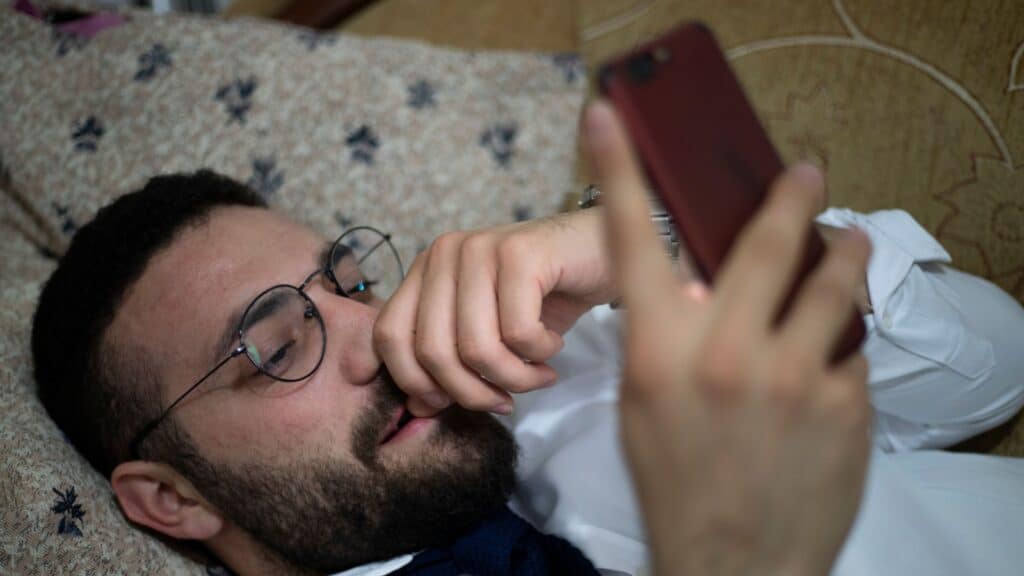
They always have to have someone to call whenever they feel lonely. They just can’t exist without texting someone. It does not matter who they text; they just have to do it. So, any moment alone must be filled with “what are you doing?” messages. And it’s not that they’re curious, it’s just because quiet feels uncomfortable. And when someone does not respond, they panic right away.
Their phone becomes their emotional life support. For them, it is not even about the connection anymore; it is just about reassurance that they are not alone, that someone is there for them, even digitally, so they don’t have to face themselves.
Accepting Attention They Don’t Even Want

They entertain people they are clearly not interested in. They even respond to DMs they don’t care about. They go on dates that feel way forced. Because to them, any attention feels better than none. The fear of being alone lowers their (or anyone’s) standards fast. They confuse validation with connection.
To them, someone wanting them (even briefly) feels like proof that they are not invisible. But deep down, it is just empty calories. It fills nothing and leaves them feeling worse afterward.
Staying “Friends” With People Who Hurt Them

These people may associate remaining friends with an ex, toxic friends, or emotional drainers with being “mature.” However, in reality, they keep those people in their lives just for the access. To cut ties would mean facing emptiness, which is too dangerous to do. So they endure disrespect in order to continue holding on to the past instead of completely ending the relationship and having a clean break.
Staying “connected” with the pain they are familiar with feels safer than facing the unknown silence of no longer being loved. Letting someone go means facing the fact that they choose to love another person and not them; that truth is too uncomfortable to accept.
Rushing Emotional Intimacy Way Too Fast

They are quick to share their story and experiences, oftentimes pouring all of their trauma out by date three. They are quick to push for closeness even before trust is built in the situationship. Why? Because they view creating an emotional bond with others as a means of creating physical security. They think as if someone knows them deeply, they are less likely to leave.
Fear of abandonment causes them to move quickly to attach themselves to others to feel safe. However, it does not create a safe environment; it just creates pressure. And for them, even the pressure feels safer than being left alone.
Settling for “Almost” Relationships

You’re not together, but you aren’t single either. There is no official commitment, but lots of emotional labor. They prefer to accept ambiguity because clarity might lead to being left alone. And being left alone scares them more than anything. So they live in situationships and keep hoping crumbs turn into meals. Their fear of solitude makes “almost” feel way safer than nothing.
But these kinds of relationships keep people miserable and emotionally stuck. They are invested enough to hurt, but never enough to feel secure.
19 ‘Nice Guy’ Behaviors That Are Actually Just Control

It may not be obvious, but beneath all that sweetness, there are a few red flags to watch out for. Here are 19 nice guy behaviors that are actually a form of control. Despite what you might think, these habits involve steering things his way, not being kind.
19 ‘Nice Guy’ Behaviors That Are Actually Just Control