

Money habits in the United States don’t necessarily always feel like a choice. Unfortunately, a lot of our spending habits come from the routines that we barely question, and they don’t tend to stand out when you’re experiencing them first-hand, which is what makes them so damaging. We simply treat them as normal behavior. Here are nine ways that American culture ruins your financial goals, no matter how much you’re trying to stay focused on them.
Employer health insurance timing traps
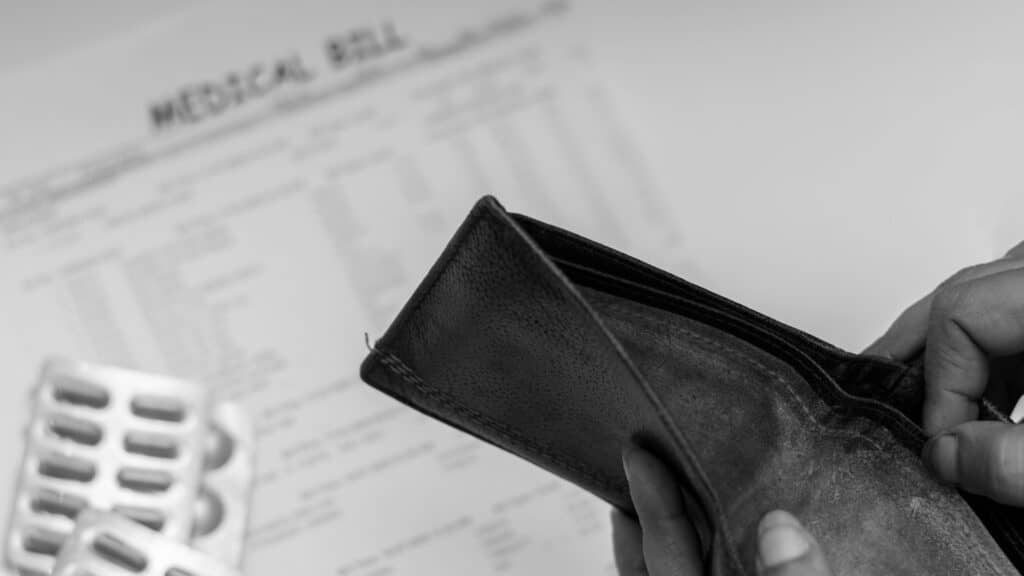
You’re unable to simply pick a doctor and go to them in the United States because, chances are, your healthcare comes from job-based insurance plans. These include networks & yearly deductibles, alongside prescription tiers. All of these depend on approval rules that can change for each plan.
Some Americans rush procedures before their benefits expire, while others delay their appointments until their coverage resets. But that’s not all, as pharmacies are also able to change pricing based on how the plan works. Essentially, healthcare costs change depending on timing instead of the service. You can’t plan for that.
Driving as the default form of travel

It’s simply not realistic to think that you can get around without a car in America. The majority of daily life is built around driving to work or school, while also running errands that could be many miles apart. That gets expensive. Sure, you have to pay for gas, but there are also insurance renewals and car maintenance fees to worry about, regardless of whether your car’s paid off.
Don’t forget about the smaller costs, like parking apps or toll roads. However, many Americans tend to view driving as a basic kind of independence here, so we don’t always think about how much these expenses are costing us. But they’re simply not optional ways of spending.
Socializing that starts with a tab

Sure, you might want to hang out with your friends. But the majority of social opportunities here begin with a bill, whether that’s paying for a meal at a restaurant or getting a concert ticket. You’ll also have to deal with the hassle of splitting checks & covering rounds when there are a few of you. Soon enough, even the most casual of hangouts becomes something more costly.
Yet it’s part of how people meet up in the United States. All that spending has become a regular part of our social lives, rather than being a separate decision, and there’s not really any way of getting around it. Socializing is spending.
Constant group spending expectations at school & work

American office culture centers around a bunch of little collections that never really stop. You’ll have to put money in a birthday envelope that’s going around one week, then contribute some cash for a retirement cake the next, followed by a last-day lunch where you need to Venmo the organizer. Schools work almost the same way.
All those spirit days & PTA fundraisers get expensive, but it’s not as though you have much of a choice to avoid paying for them. It’s much easier to pay a few dollars to keep things easy. Eventually, though, those small contributions become a regular expense that stops you from being able to save cash.
Weddings and showers as a purchase calendar
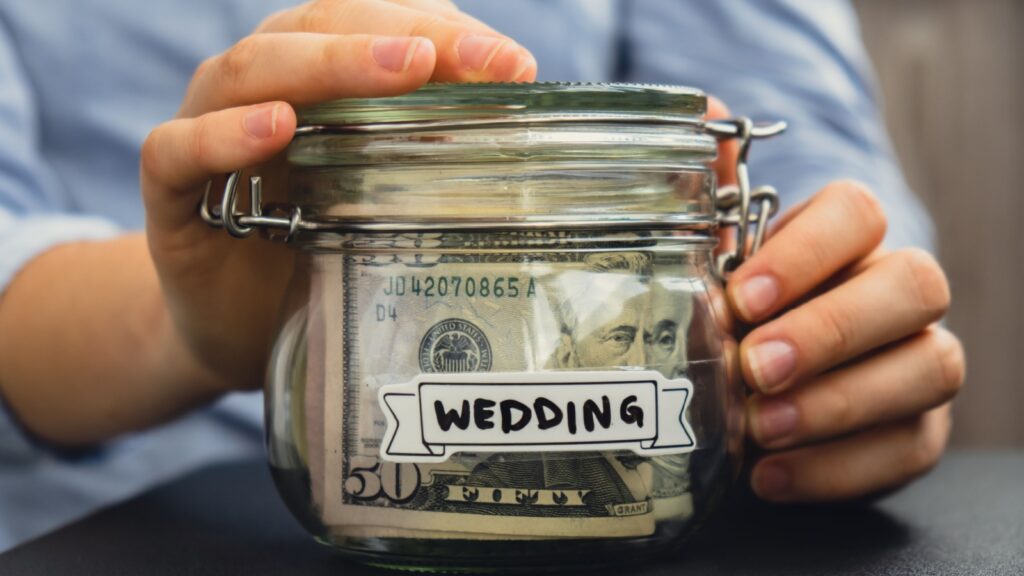
The cost of going to a wedding is simply one part of a bigger picture. You have engagement parties and bridal showers to plan for, as well as rehearsal dinners, meaning that the cost could stretch across several months before the wedding actually arrives. You’ll need to book transport & different outfits for each one.
Let’s not forget about having to pay for hair appointments, too. Sadly, none of these high costs feels completely out of place because they’re part of familiar traditions, yet you’ll be spending long before the ceremony actually begins. Staying out of it all isn’t really an option.
Credit score culture affects everyday decisions
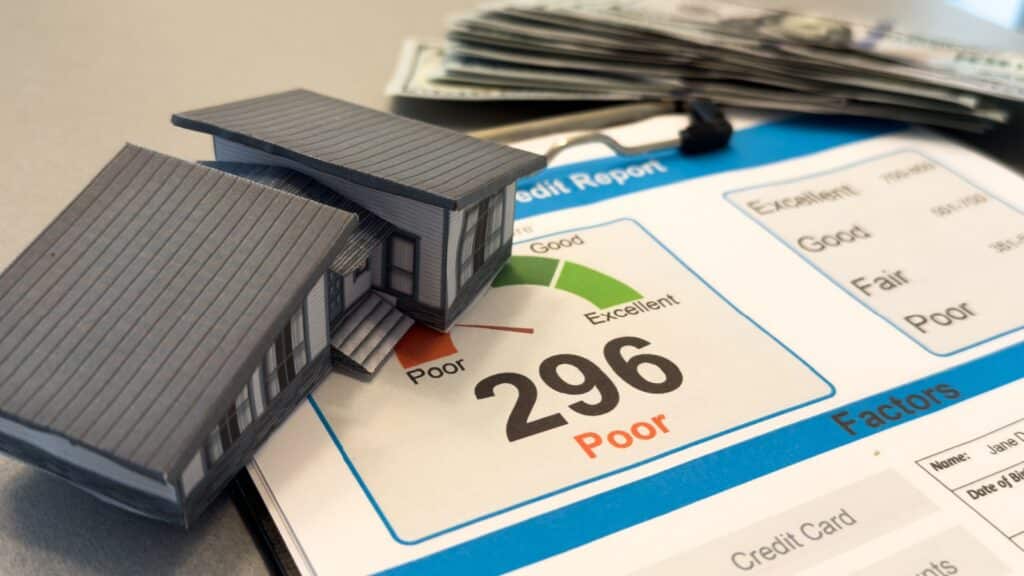
Your credit score has a much greater effect on your daily life in the United States than in other countries. All sorts of things, like your ability to rent an apartment or set up utilities, depend on your credit history & score. That’s why so many Americans keep their credit cards open. They rotate their purchases through them every so often, simply so they can boost their score.
But that’s not all. In stores, you’ll find plenty of store financing offers and buy-now-pay-later plans that encourage you to take on more credit. Most Americans use credit as though it’s a regular way of spending, rather than something they’ve saved for emergencies.
Youth milestone celebrations with big party expectations

Certain ages come with a certain checklist of celebrations that you simply have to partake in. There are dresses & photos to buy for prom, then gown rentals and catered parties to organize for graduation. Let’s not forget about sweet 16s, senior nights, and all the other celebrations. You have a lot to pay.
With each milestone, there’s likely a venue to hire and caterers to pay for. You could try to keep things simple. But really, you’ll probably end up spending more than you planned anyway because everyone’s expecting you to make an event out of it all.
Payday loans & cash-advance apps filling everyday gaps

It’s relatively normal to find payday loan shops between gas stations and discount stores in the majority of American cities. Many people turn to short-term advances when their bills arrive before their next paycheck, and they’ll pull from their future earnings to make ends meet. Such a habit is standardized here, despite the huge fees and renewal costs that come alongside.
In fact, a few workplaces offer paycheck advances as a convenience perk. It makes borrowing from your future feel as though it’s a routine fix, rather than something to save only for emergencies. Don’t be surprised that you struggle to achieve your financial goals when you’re doing this.
Constant home upgrading tied to resale culture
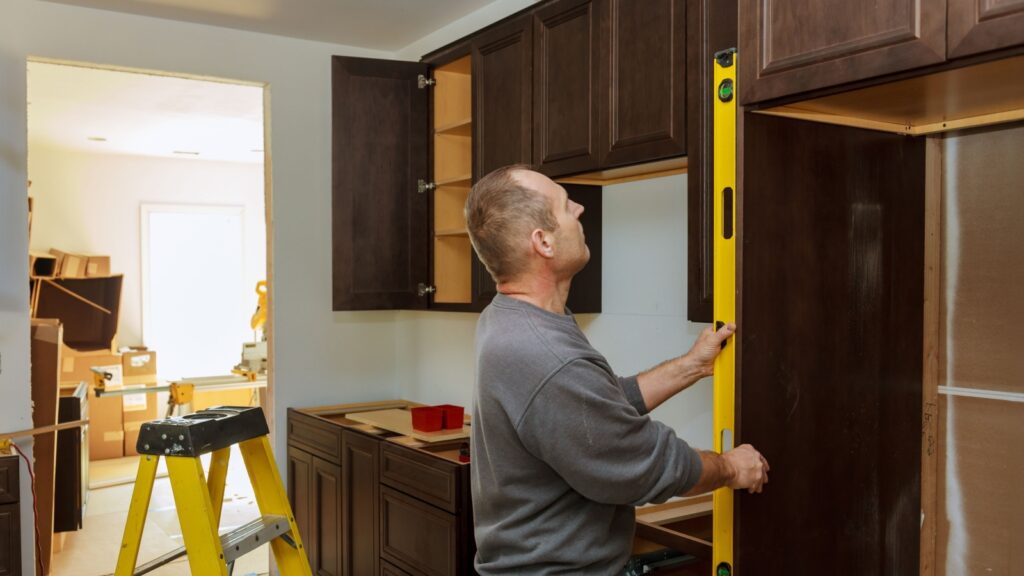
Practically all American home shows & real estate listings preach the same message, which is that you should update your home ASAP so your home stays current. We’re constantly bombarded with the idea that we should change our flooring or redo our kitchens, regardless of whether they still work.
It gets worse when you think about all those open houses that keep showing newer finishes. These encourage people to keep renovating their homes so that they can keep them in line with what buyers expect to see in that area. Who cares that you’re not thinking about selling any time soon?
18 Times Technology Made Life Worse Instead of Better

Who decided the fridge needs Wi-Fi to do its job, or that your toilet should think for itself? Not us. Here are 18 instances where technology has made life worse instead of better. That’s not to say all technology is bad, but it’s certainly not perfect.
18 Times Technology Made Life Worse Instead of Better