
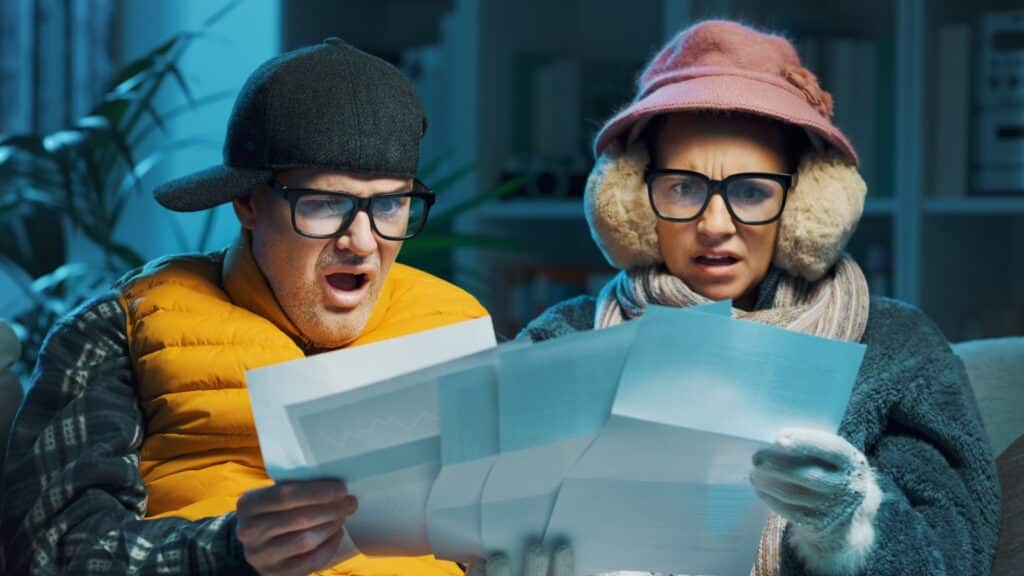
Winter’s arrival usually means that your bills are going to change without you asking. A lot of changes are relatively small, like running your heating or leaving the lights on for longer, but such small costs become expensive quite quickly. Here are eight winter money mistakes people keep making without realizing. Don’t let these happen to you.
Heating unused rooms all season
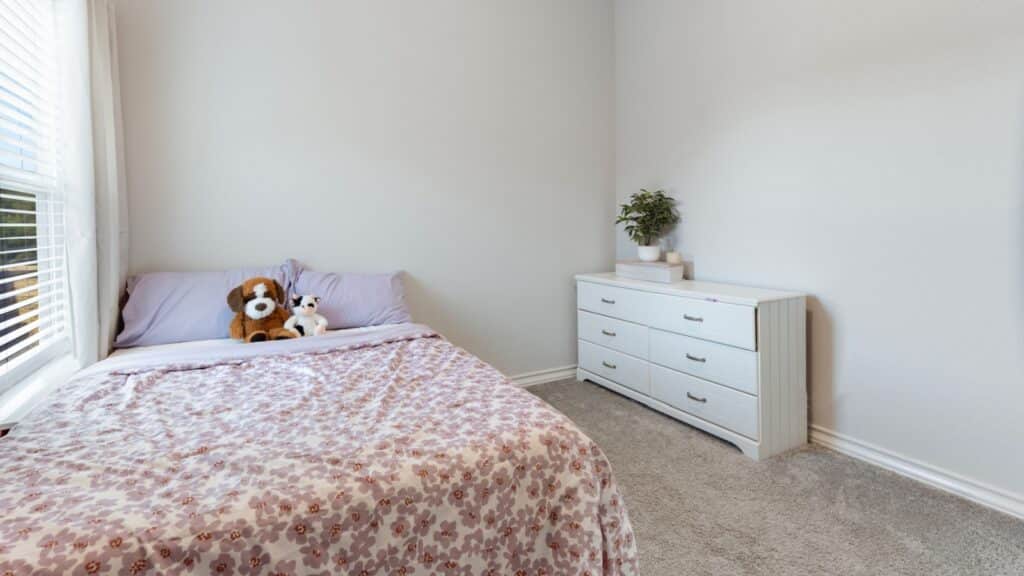
So many people usually leave their heat running in every room during winter. From December through March, they’ll heat their bedrooms as well as an empty guest room & a basement that no one sits in. It’s usually just a habit. The warm air goes through the ducts every time the furnace turns on.
However, you’re effectively burning money by doing so, since not every room needs to be hot. Try closing vents in any low-traffic spaces and reducing baseboard thermostats. You should keep the doors shut to help the heat stay in the areas where people actually spend time, and this will also stop the system from running longer than it needs to.
Ignoring attic air leaks while cranking the heat
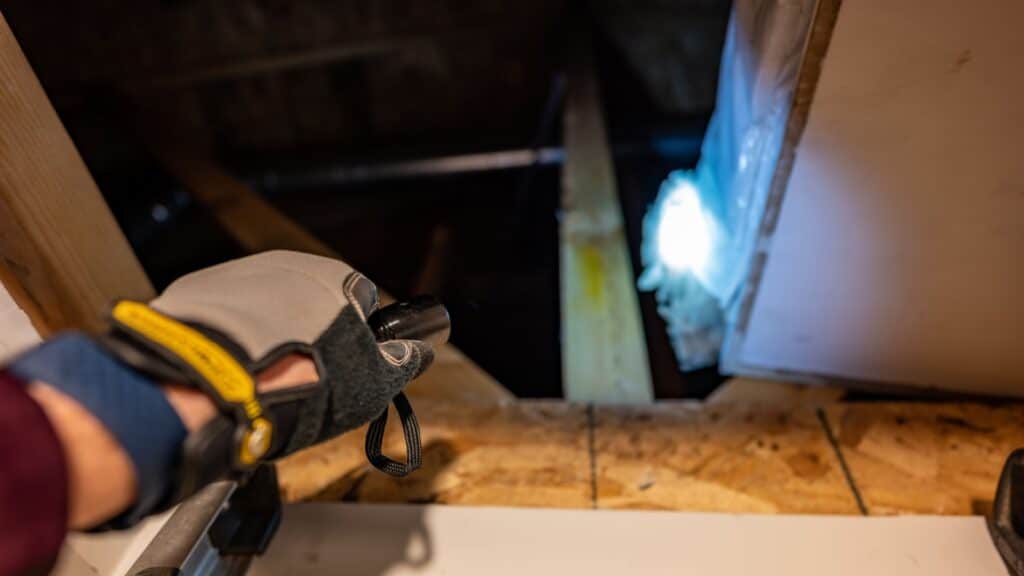
That’s not all for your heating. Warm indoor air often goes upward, and any holes that you may have in your attic are working in its favor. These don’t have to be huge holes, but simply small things like gaps around recessed lights or an unsealed attic hatch. Even little plumbing cutouts that may not look like much can let heated air drift into your attic.
You should seal these areas by using foam gaskets or by installing insulation covers. These will make the furnace cycle less often, saving you valuable money. Don’t be like other homeowners and assume that insulation alone can handle the problem. The leaks will keep happening underneath all of that.
Remote-starting cars for long warm-ups

Quite a few drivers press the remote-start button far too early on cold mornings, thinking that it’ll warm their car up more quickly. But that’s not necessarily true. Letting a gas car sit and idle for ten minutes, or sometimes more, will burn your fuel without you actually moving an inch. A delay to your plans will only cause you to repeat the same warm-up.
The truth is, most modern engines only require a couple of minutes before you can start driving gently to finish the job. Those with a plug-in hybrid or electric vehicle may want to try preheating their car while it’s still plugged in. Why? Because it avoids extra battery drain.
Using one winter filter schedule all year
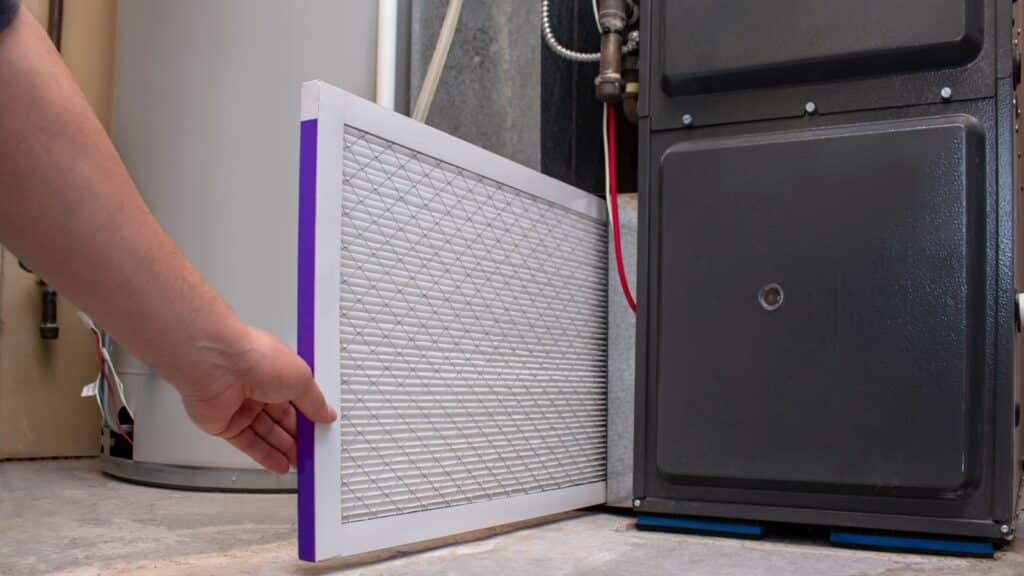
You’re naturally going to be using the furnace more during the winter, and that means the blower will run far more often. However, many people continue to use the same three-month filter routine that they follow in spring or fall. That’s a mistake.
The filter picks up dust way more quickly in January, and once it becomes clogged, the system needs to work harder to move the warm air. You should hold the filter up to the light every few weeks to check it. A filter that looks gray and blocks most of the light is a filter that needs to be changed, no matter what the calendar says.
Forgetting about pipes in cold corners of the house
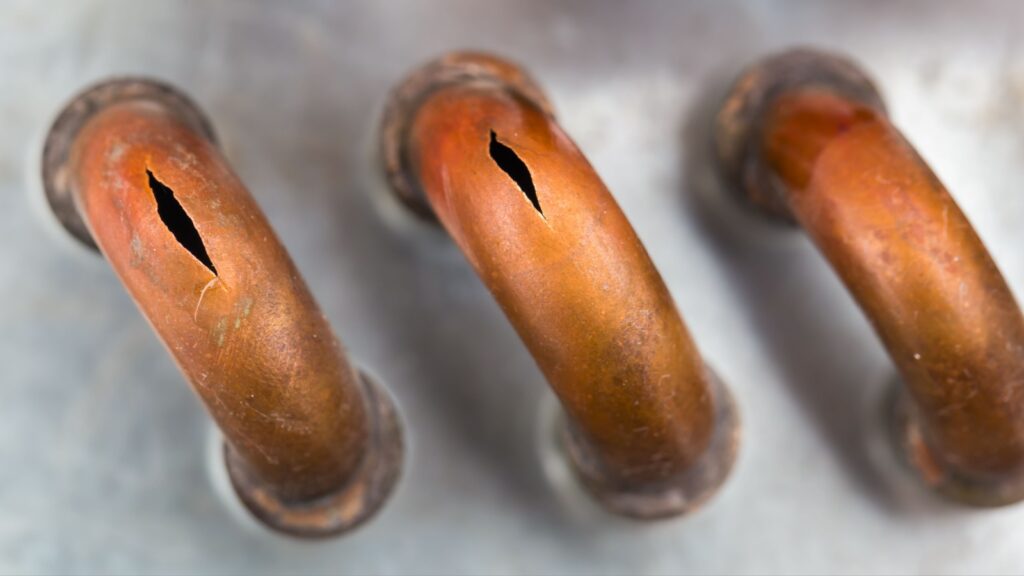
Some homes have water lines hidden in rather awkward places, like in the back of a kitchen cabinet or a crawl space that most people ignore. These will quickly become icy once winter begins, and as soon as these areas drop below freezing, the pipes can lock up or burst. You don’t need us to tell you how expensive that will be to fix.
To avoid these issues, try putting some foam sleeves on any exposed sections and sealing the gaps that you can actually see. You should let a small stream of water run through the pipes on the coldest nights to keep things moving. It will reduce the odds of you facing any winter plumbing troubles.
Cranking the water heater way up all winter
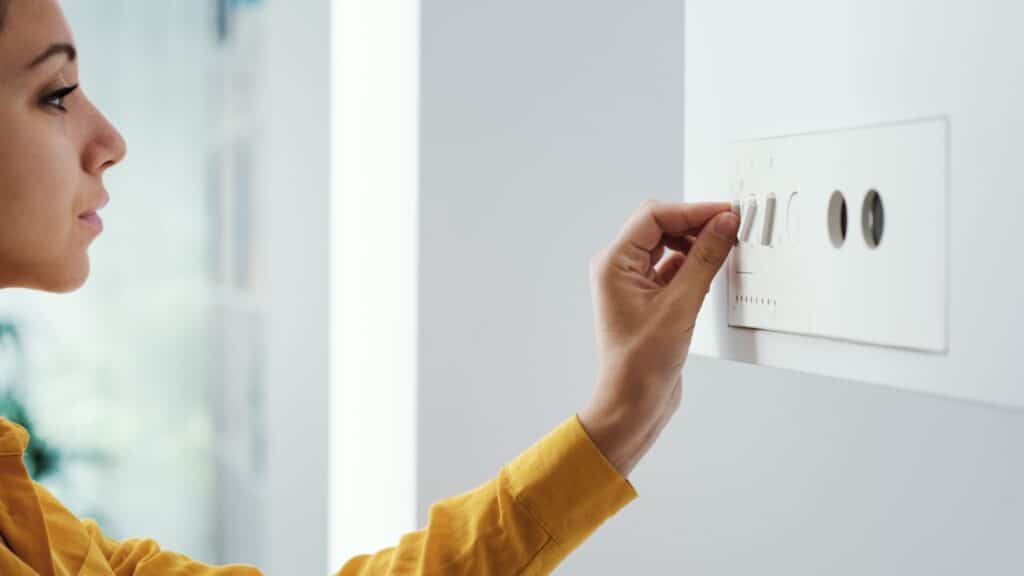
You might think that it’s a good idea to turn the water heater up during the winter. After all, it’ll keep the water warmer and should stop you from having to keep turning it back up. However, the problem is that people often leave the temperature high for months without thinking about how often it makes the heater turn on. Taking a long shower is only going to increase the cost.
The majority of heating units work fine around the 120°F mark. You should try to keep it at this number, and also stick to taking shorter showers, no matter how good the warm water feels. You may also want to invest in a good low-flow showerhead so that the hot water stays steady. This way, you won’t be constantly heating extra degrees you don’t actually use.
Paying convenience-store prices for ice melt and winter gear
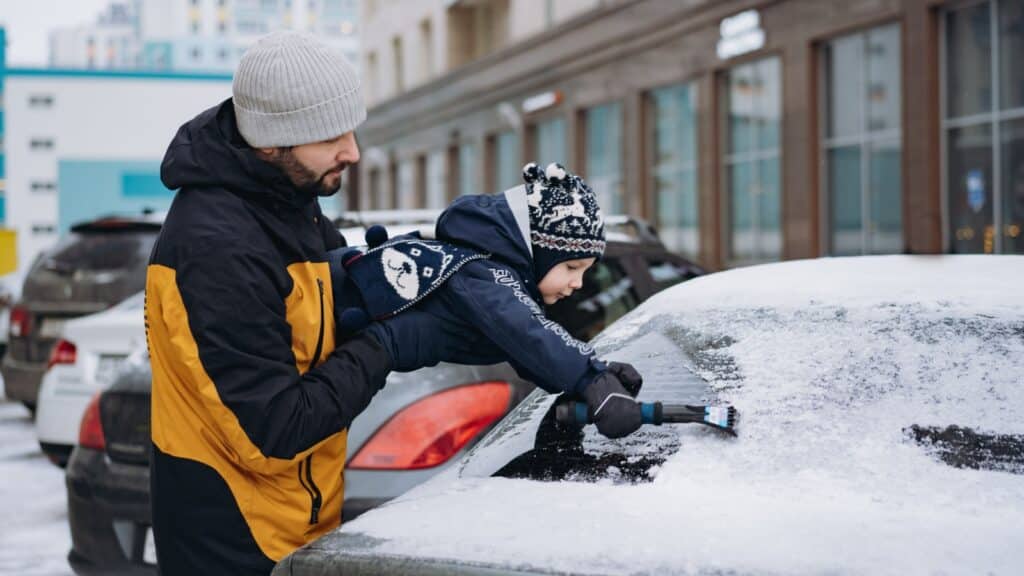
Winter storms can come almost out of nowhere, and when that happens, most people will get ice melt or a scraper from the nearest place that’s open late. These are usually gas stations or small shops. But those quick stops are almost guaranteed to have higher prices, and the cost of a few rushed purchases can become quite expensive.
Instead, you should pick up a bigger tub of ice melt and a solid snow brush much earlier. Don’t forget to get a good scraper. Your best bet is to visit a hardware store because they’ll save you money and keep you stocked, preventing you from shopping at the last minute when prices spike.
Leaving the fireplace damper open after occasional fires

What’s cozier than a fire during the winter? But you may want to keep an eye on your fireplace because so many people forget to close the damper once the flames die out. Leaving the damper open allows warm indoor air to drift straight up the chimney. Cold air will come in to replace it faster than you might expect.
You’re better off making sure to check the damper as part of your nighttime routine, once the embers are completely out. Doing so will keep the heat inside, rather than escaping through the chimney all night.
18 Things People Who Grew Up Poor Still Do
Even when the money’s better, and the fridge stays full for the first time in years, those survival skills from childhood? They linger. Deep. If you came up poor, this list may strike a bit too close to home.
18 Things People Who Grew Up Poor Still Do