
Most people picture anti-aging routines as a shelf full of serums or a stack of supplement bottles. Yet some of the most researched tools for slowing visible and cellular aging are sitting quietly in ordinary kitchens, in the fridge, the pantry, or the spice rack. Nutrition science over the past two years has kept circling back to a familiar list of foods, not because they’re trendy, but because the data keeps holding up.
None of these foods reverse aging on their own, and no single meal changes much. What the research does support is a pattern: eaten consistently, certain everyday ingredients appear to influence oxidative stress, inflammation, and even markers tied to cellular aging. Here’s a closer look at ten of them, and why scientists keep studying them.
1. Blueberries
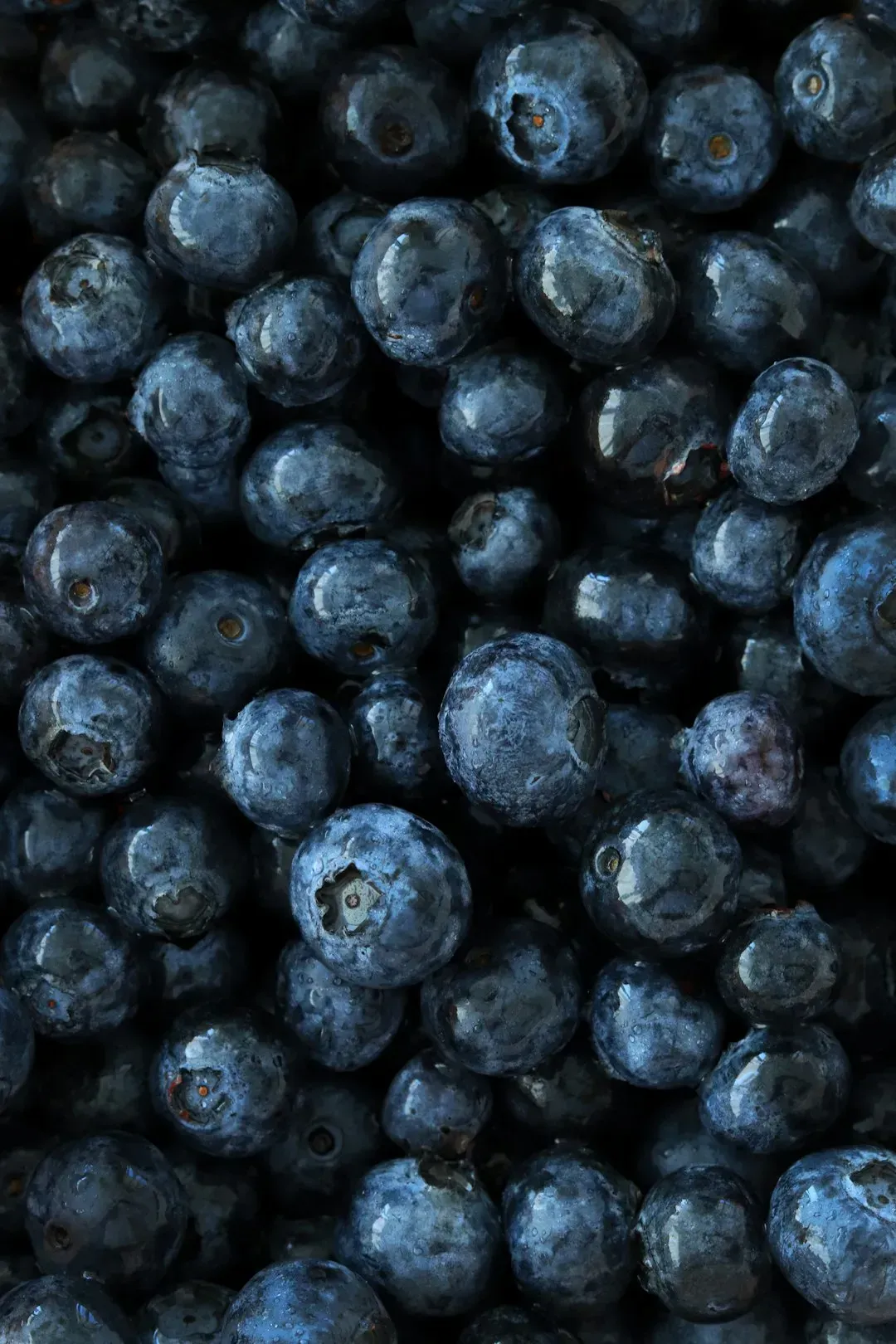
1. Blueberries (Image Credits: Unsplash)
Blueberries owe much of their reputation to anthocyanins, the pigments that give them their deep blue color. Research published in Molecular Nutrition and Food Research points to phytonutrients within blueberries as the source of most of their anti-aging properties, with anthocyanins like peonidin, cyanidin, delphinidin, and malvidin being the most studied. These compounds do more than sit in the berry looking pretty.
Once absorbed into the bloodstream after eating blueberries, anthocyanins appear to help balance oxygen levels inside skin cells, which results in less damage to surrounding tissue. Beyond skin, there’s growing interest in brain effects too. A 2024 review found that eating blueberries daily for a month could significantly improve blood flow and blood vessel dilation. Separately, a 2023 study found that consuming blueberry powder equivalent to about a cup of fresh blueberries each day could help maintain brain function and improve memory in older adults.
2. Extra Virgin Olive Oil
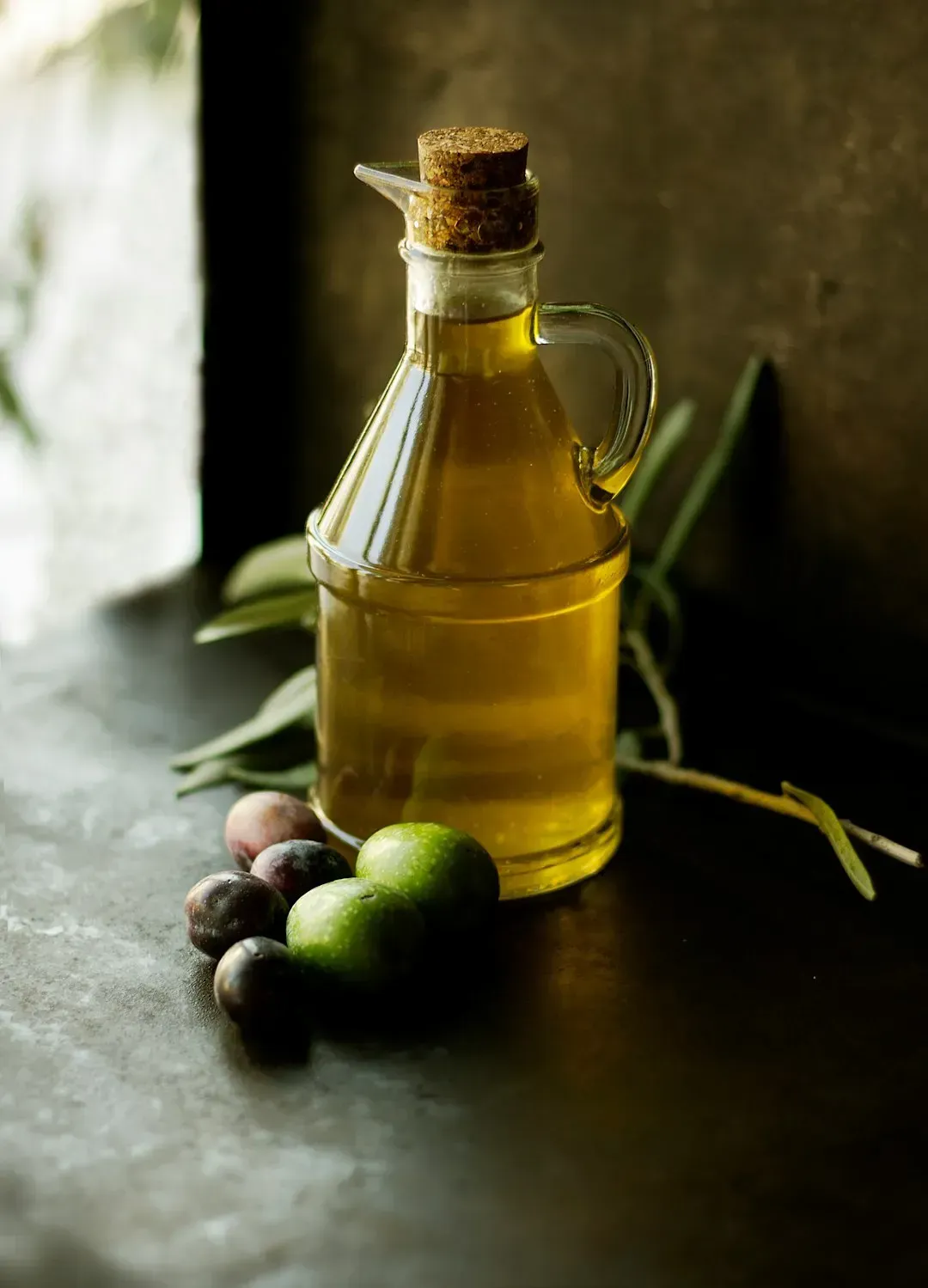
2. Extra Virgin Olive Oil (Image Credits: Unsplash)
Olive oil isn’t just a cooking staple in Mediterranean kitchens, it’s one of the most studied fats in longevity research. Extra virgin olive oil is rich in monounsaturated fatty acids, polyphenols, and antioxidants, which may help slow age-related physical decline. That combination is part of why it keeps showing up in dietary guidelines aimed at healthy aging.
Extra virgin olive oil can reduce inflammation, largely through antioxidants like oleocanthal, and this anti-inflammatory effect may be one of the main reasons for its broader health benefits. Large observational studies have tried to quantify this over decades. In one long-term clinical study, people who consumed the most olive oil-derived polyphenols lived roughly nine and a half years longer after age sixty-five. It’s worth noting that not all olive oil qualifies. Olive oil that isn’t extra virgin is often commercially produced in a way that degrades its polyphenols, and a significant amount of oil sold as extra virgin doesn’t actually meet the legal standard.
3. Turmeric
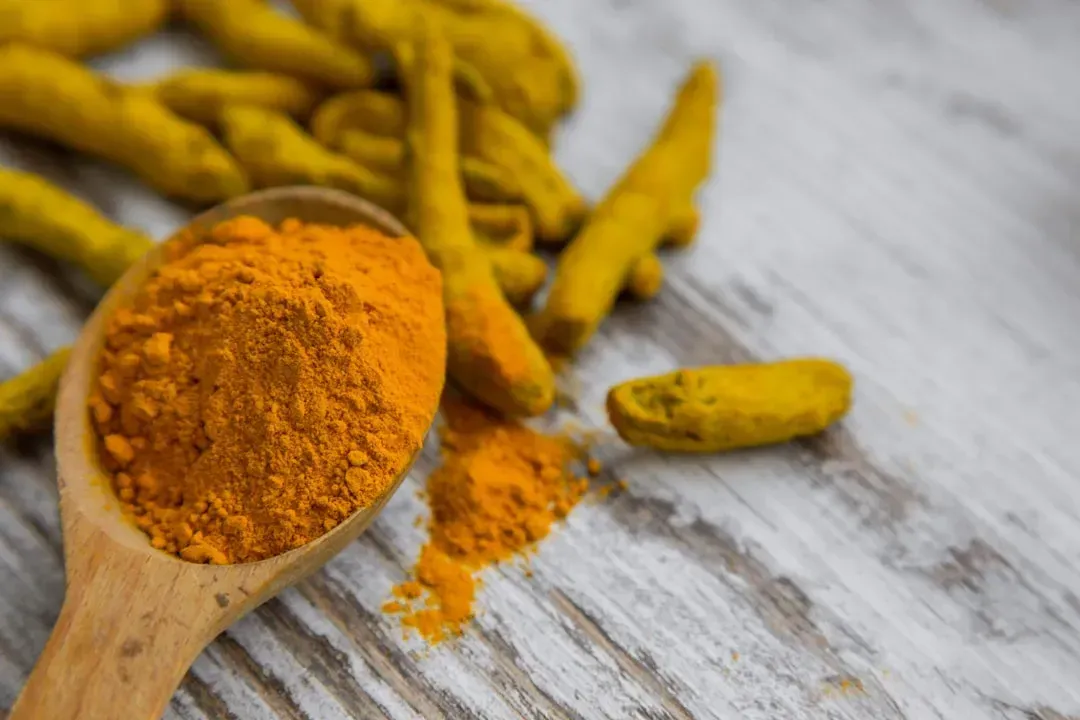
3. Turmeric (Image Credits: Unsplash)
Turmeric’s yellow color comes from curcumin, a compound that has drawn steady scientific attention for its role in skin aging specifically. Turmeric is recognized for demonstrated effects in reducing inflammation, combating microbes, providing antioxidant benefits, slowing the aging process, and showing anticancer potential. Much of the newer research zeroes in on sun-related skin damage.
Growing evidence suggests curcumin can help prevent ultraviolet radiation-induced skin photoaging and the inflammation that comes with it. A 2025 review in the Journal of Cosmetic Dermatology reinforced this, noting that turmeric and its active compound curcumin have shown potential in dermatology for various skin conditions, including photoaging. It’s a modest spice with an outsized research footprint, and it works best paired with a fat source like olive oil or a pinch of black pepper to help the body absorb it.
4. Green Tea
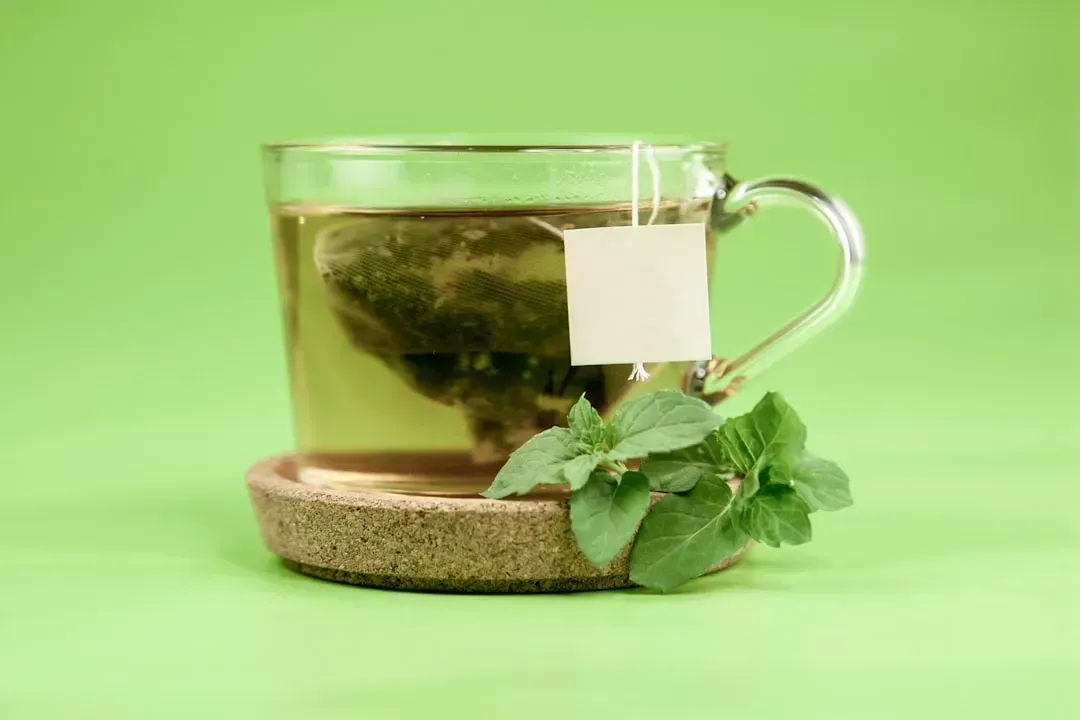
4. Green Tea (Image Credits: Unsplash)
Green tea’s catechins, especially one called EGCG, have become a favorite subject for skin aging researchers. Studies show green tea catechins possess potent antioxidant properties that help neutralize free radicals generated by oxidative stress, which supports the skin’s own repair mechanisms. That’s a mechanism, not a miracle, but it’s a consistent one across multiple studies.
Skincare products often lean on antioxidant compounds to protect skin from the free radicals that cause premature aging, and researchers have specifically investigated whole green tea and its polyphenol EGCG for these effects on human skin. A 2025 study went further, pairing green tea with turmeric extract and finding the combination showed promise as an agent in the direction of antiaging, antipigmentation, and anti-inflammatory skincare applications. Whether sipped as tea or eaten as matcha in food, the plant shows up again and again in aging research.
5. Walnuts
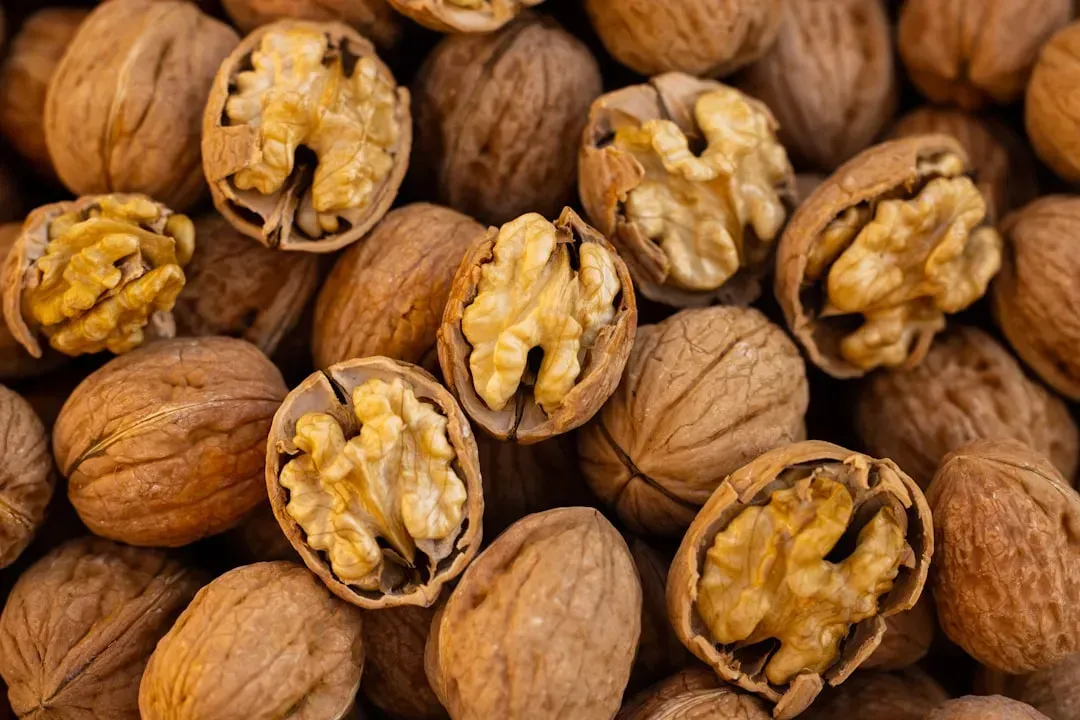
5. Walnuts (Image Credits: Unsplash)
Walnuts are an easy one to overlook, but their fat profile does a lot of quiet work. Healthy fats are essential for maintaining skin hydration and elasticity, and walnuts are among the best plant-based sources available, providing omega-3 fatty acids, vitamin E, zinc, and selenium, all nutrients associated with skin repair and barrier function. That’s a fairly complete nutritional package for a food you can eat straight from the bag.
Regular consumption of walnuts may help support smoother, healthier-looking skin over time. Unlike some superfoods that require careful preparation or specific dosing, walnuts fit easily into daily eating, tossed into oatmeal, salads, or eaten on their own as a snack. The research is still building, but the nutrient profile alone makes a strong case for keeping a jar of them on the counter.
6. Spinach
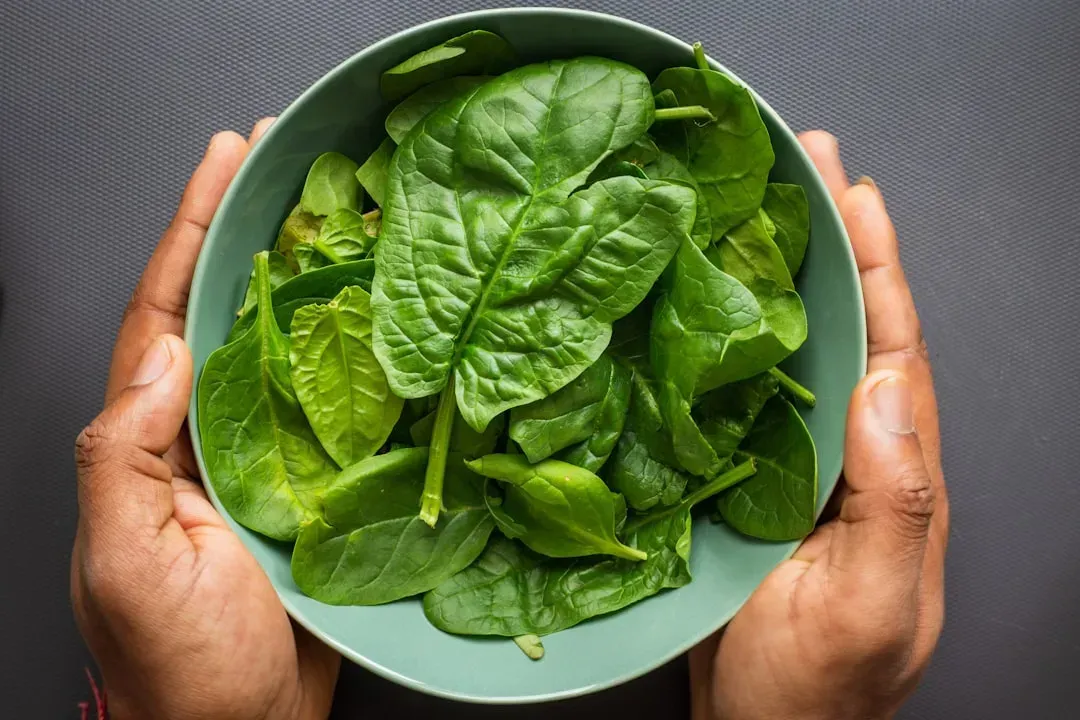
6. Spinach (Image Credits: Unsplash)
Leafy greens rarely get the spotlight compared to flashier superfoods, but spinach carries a dense nutritional load. Often referred to as a superfood, spinach provides an impressive array of vitamins, minerals, and phytonutrients that support skin health, and its vitamins A, C, and E contribute to collagen synthesis, cellular repair, and protection against environmental damage. Collagen synthesis in particular matters more as people age, since natural collagen production slows over time.
Vitamin C plays a particularly important role in collagen production, helping maintain skin firmness and elasticity. On top of that, spinach contains lutein and beta-carotene, antioxidants that may help protect the skin against UV-related damage and oxidative stress. It’s a food that’s easy to underestimate simply because it’s so common, tossed into smoothies, sandwiches, and sautés without much thought.
7. Salmon
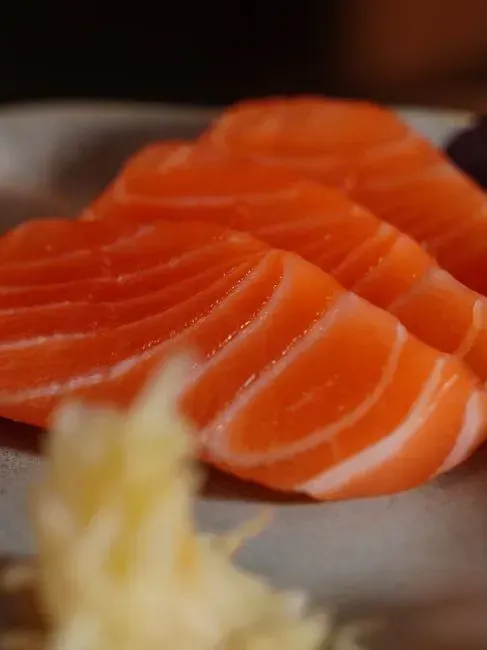
7. Salmon (Image Credits: Pexels)
Salmon’s reputation rests largely on its omega-3 content, and that reputation is well earned. Salmon is widely recognized for its high omega-3 content and exceptional nutritional profile. Omega-3 fatty acids play a role in maintaining cell membrane flexibility, which matters for both skin and cardiovascular health as people age.
Beyond the fats, salmon delivers high-quality protein and astaxanthin, a pigment antioxidant that gives the fish its color and has drawn interest for its role in protecting cells from oxidative stress. Two servings a week is the general guidance nutritionists tend to recommend, whether it’s wild-caught or farmed, grilled, baked, or added cold to a salad. It’s one of the simpler substitutions people make when trying to eat in a way that supports long-term health rather than just short-term satisfaction.
8. Nuts and Seeds Rich in Vitamin E
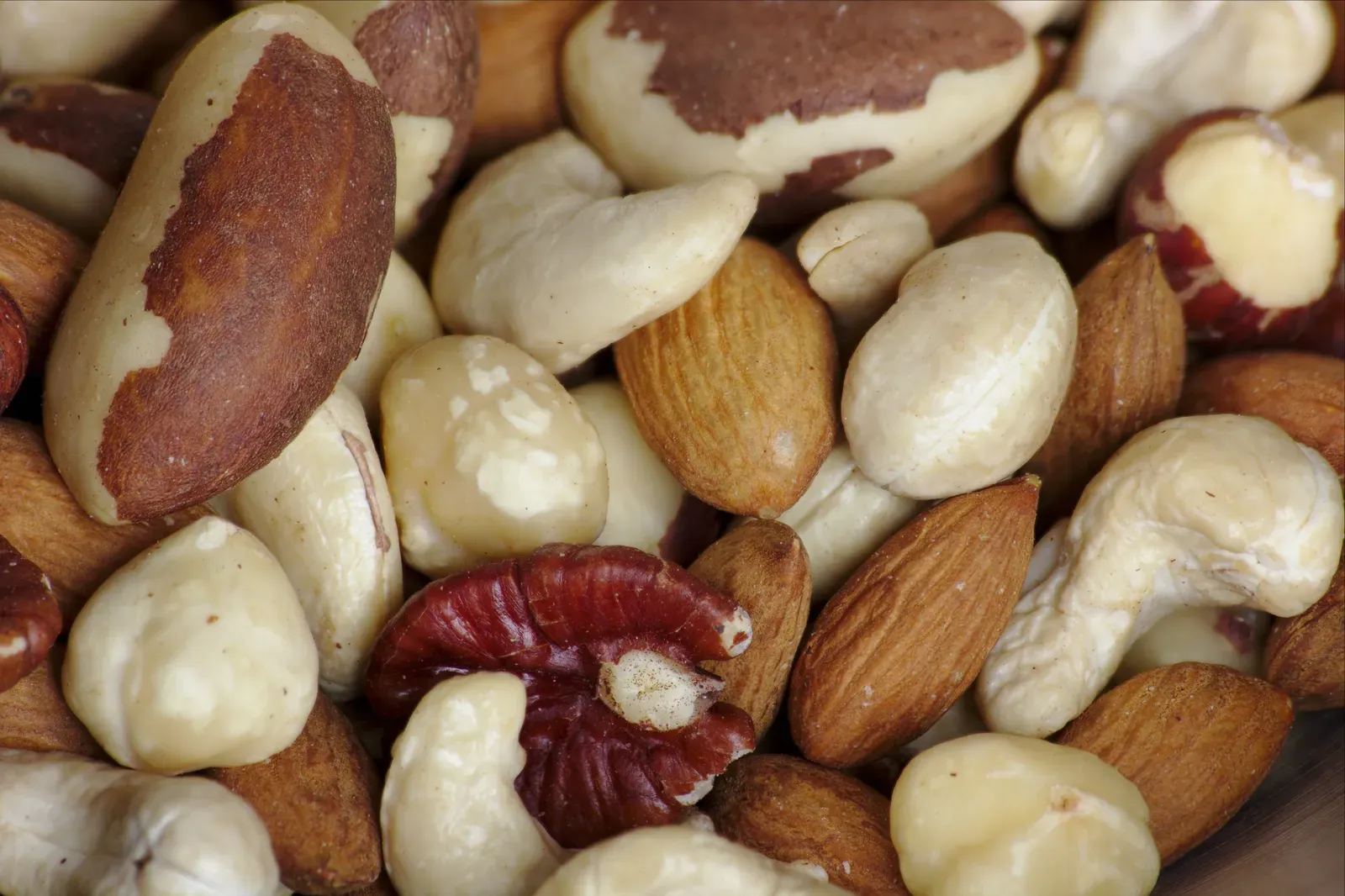
8. Nuts and Seeds Rich in Vitamin E (By Sage Ross, <a href="https://commons.wikimedia.org/w/index.php?curid=30392736" target="_blank" rel="noopener">CC BY-SA 3.0</a>)
Beyond walnuts specifically, a broader category of nuts and seeds, almonds, sunflower seeds, and hazelnuts among them, share a common thread: vitamin E. This fat-soluble antioxidant works alongside vitamin C to help neutralize free radicals before they damage skin cells, a mechanism that dermatology researchers have flagged repeatedly. Antioxidants such as vitamins A, C, and E, carotenoids, flavonoids, resveratrol, curcumin, and green tea polyphenols can effectively decelerate skin aging processes.
A small handful of mixed nuts or seeds a day is a low-effort way to bring vitamin E into a diet without relying on supplements. The fat content also helps the body absorb other fat-soluble antioxidants from the same meal, which is one reason nutritionists often recommend eating nuts alongside vegetables rather than as a separate snack. It’s a small habit, but one that compounds over months and years rather than delivering anything overnight.
9. Garlic
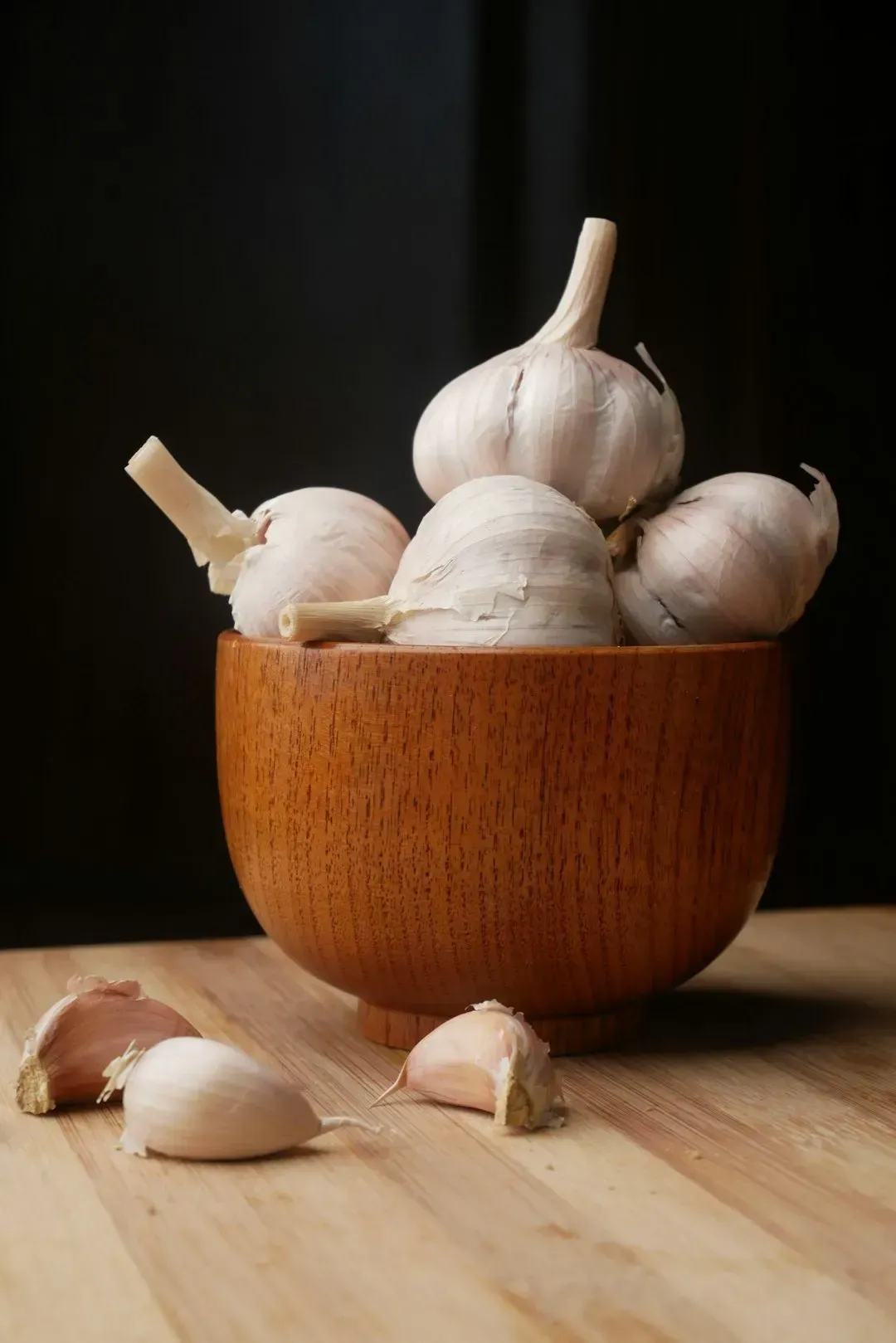
9. Garlic (Image Credits: Unsplash)
Garlic tends to get filed under “flavor” rather than “nutrition,” but it has a place in recent epigenetic aging research that’s worth noting. A 2025 study in the journal Aging looked at dietary patterns linked to methylation, a biological marker tied to cellular aging. Foods investigated as polyphenolic modulators of DNA methylation, including green tea, oolong tea, turmeric, rosemary, garlic, and berries, showed significant associations in the analysis.
That doesn’t mean garlic reverses aging by itself, and the researchers were careful to frame it as one dietary factor among many. Still, it’s notable that garlic keeps appearing in this kind of research alongside more famous “superfoods” like berries and turmeric. It’s cheap, it’s already in most kitchens, and it’s easy to add to nearly anything cooked on a stove.
10. Berries Beyond Blueberries
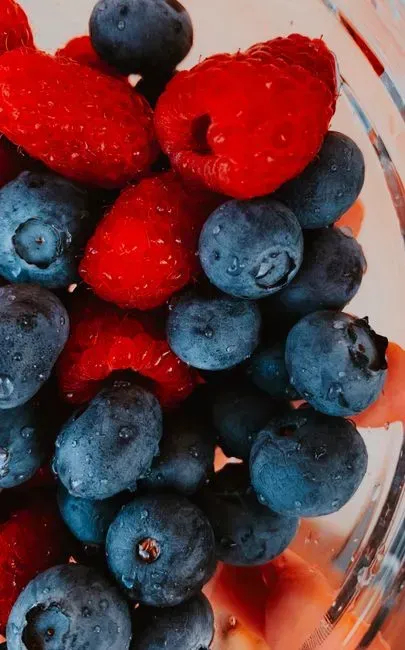
10. Berries Beyond Blueberries (Image Credits: Pexels)
Strawberries, raspberries, and blackberries share much of the same anthocyanin and polyphenol profile that makes blueberries so heavily researched. The same 2025 methylation study that flagged garlic and turmeric also grouped berries broadly among the foods linked to a decrease in epigenetic age, based on their natural polyphenolic compounds. That’s a meaningful data point, since epigenetic age is one of the more direct biological measures researchers use to track aging at the cellular level.
Rotating through different berries rather than sticking to just one variety may be a reasonable way to get a broader mix of polyphenols, since each type carries a slightly different balance of anthocyanins and vitamin C. They’re also one of the easiest superfoods to work into daily eating, requiring no preparation beyond rinsing them. A bowl of mixed berries with breakfast is a low-friction habit that lines up well with what the research keeps suggesting.
Taken together, these ten foods share a few common threads: they’re rich in antioxidants, they tend to reduce inflammation, and several show up repeatedly in research tied to cellular and skin aging specifically. None of them work as a quick fix, and the science behind most of them points to consistency over time rather than occasional use. What’s encouraging is that none of this requires a specialty grocery run. Blueberries, olive oil, spinach, garlic, and walnuts are already common kitchen items for a lot of people, which makes the shift less about buying something new and more about reaching for what’s already there a little more often.