
Home used to feel like the one place where the chaos of the outside world stayed outside. For most people, it was the anchor, the constant. Over the past few years, though, that sense of stability has quietly eroded, replaced by a steadily growing list of pressures that follow people right through the front door.
From skyrocketing ownership costs to the strange creep of digital disconnection inside the very walls where families gather, the home environment in 2026 looks quite different from even five years ago. These aren’t isolated inconveniences. They’re overlapping, compounding challenges, and understanding them is the first step to pushing back.
1. The Housing Affordability Crisis Has Reached a Breaking Point
1. The Housing Affordability Crisis Has Reached a Breaking Point (Image Credits: Unsplash)
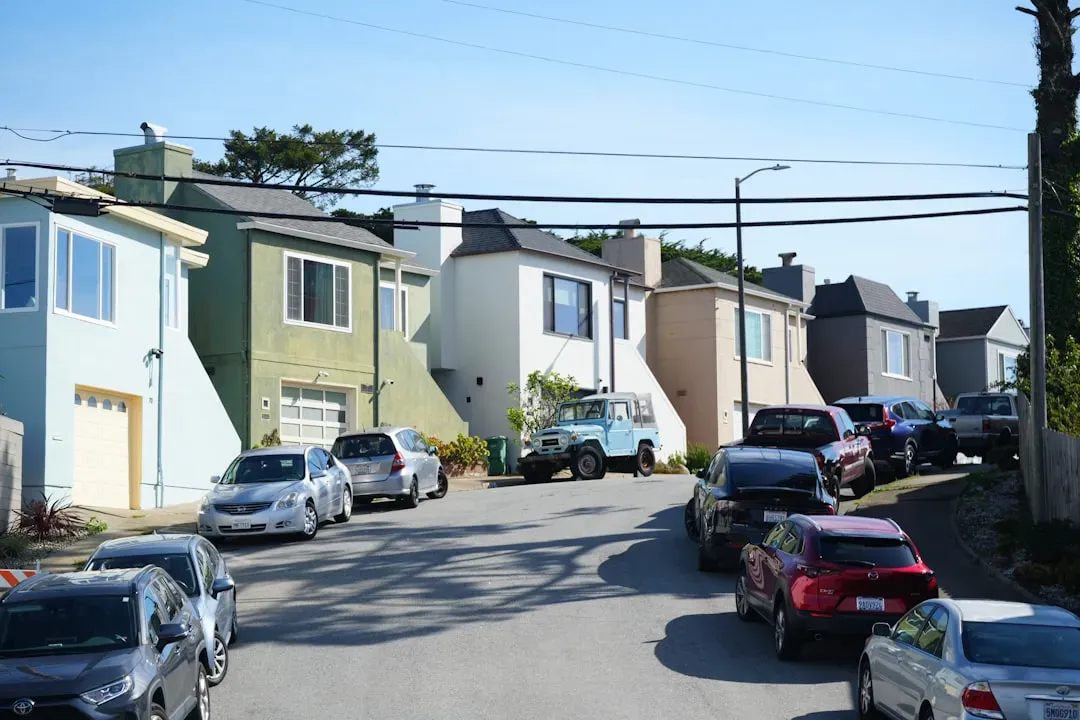
As of early 2025, home prices are up roughly sixty percent nationwide since 2019 and still climbing year over year. High home prices and elevated interest rates have pushed sales to their lowest level in thirty years. The Atlanta Fed's Housing Ownership Affordability Monitor shows that owning a median-priced home now consumes nearly half of the median household's income, a level that has hovered in that punishing range for two consecutive years.
According to the National Association of Home Builders, nearly three quarters of U.S. households cannot afford a median-priced new home in 2025. With a median price around $460,000 and a thirty-year mortgage rate of six and a half percent, roughly one hundred million households are effectively priced out of the market. The long-standing assumption that a median-income household could afford a median-priced home is, for the foreseeable future, broken.
2. Rising Insurance and Property Tax Costs Are Squeezing Homeowners

2. Rising Insurance and Property Tax Costs Are Squeezing Homeowners (Image Credits: Unsplash)
Home insurance premiums jumped roughly fifty-seven percent from 2019 to 2024, with the sharpest increases in areas most exposed to climate-related disasters. The scale and frequency of those disasters has prompted private insurers not only to raise premiums, but in some cases to reduce coverage or pull out of markets entirely, as in California, Florida, and Louisiana.
Cost-burdened households are becoming the norm rather than the exception. For homeowners, unexpected increases in taxes and insurance costs are adding hundreds of dollars to monthly mortgage payments, a burden that arrives without warning and compounds existing financial strain. The insurance crisis has evolved from a matter of cost to one of access. In many climate-exposed regions, the issue is no longer just the price of a policy but its sheer availability, as insurers exit high-risk markets and a growing number of properties become effectively uninsurable.
3. Utility Bills Keep Climbing with No Clear Relief in Sight

3. Utility Bills Keep Climbing with No Clear Relief in Sight (Image Credits: Pexels)
Americans across the country are facing higher and higher utility bills, with electricity and natural gas prices not only outpacing general inflation but surpassing groceries, gasoline, and medicine as the fastest drivers of price increases. Analysis finds that at least 242 electric and natural gas utilities have already implemented increases, been approved for increases, or are proposing an increase between 2025 and 2027.
These increases will affect more than 111.5 million electricity customers, representing roughly sixty-eight percent of all U.S. electric utility customers, and nearly fifty-five million natural gas customers. The national average residential electricity rate has climbed roughly twenty-one percent in five years, a sustained increase driven by fuel cost inflation, grid modernization investments, and surging demand from data centers and electric vehicle adoption.
4. Grocery Costs Have Quietly Reshaped How Families Eat

4. Grocery Costs Have Quietly Reshaped How Families Eat (Image Credits: Unsplash)
Almost half of Americans say it's harder to afford groceries today than it was a year ago, according to a survey by Axios and the Harris Poll. Overall, food prices are now more than eighteen percent higher than they were in early 2022, according to CBS News price tracking data. The cumulative weight of those increases is very real, even when headline inflation numbers look comparatively mild.
Shoppers don't assess food costs the same way economists do. They focus on their day-to-day spending and compare what they pay today with what they paid several years ago. People's lived experience of inflation may not mesh with official economic measures that paint a more optimistic picture. Roughly fourteen percent of U.S. households reported food insecurity on average between January and October of one recent tracking period, up from twelve and a half percent the year prior.
5. Child Care Costs Have Become a Household Budget Emergency

5. Child Care Costs Have Become a Household Budget Emergency (Image Credits: Pexels)
The challenge of affording child care is one of the sharpest pain points for families today. In 2024, the average annual cost of care for one child topped $13,000, up thirty percent from 2020, according to Child Care Aware America. That kind of increase affects not just budgets but careers, as one parent in many households quietly withdraws from the workforce to cover what they can no longer pay for.
Seven in ten Americans say raising children is now unaffordable, according to the 2025 American Family Survey. That figure reflects something deeper than the cost of daycare alone. It captures a broad anxiety about whether it's even possible to give children a stable start while managing everything else. The math, for many families, simply doesn't add up anymore.
6. Health Care Expenses Are Hitting Households at Home

6. Health Care Expenses Are Hitting Households at Home (Image Credits: Pexels)
Medical care prices rose over three percent in 2025, following a similar increase in 2024. Prices for hospital and related services rose nearly seven percent, their largest year-over-year increase since 2010. These costs don't stay at the hospital; they come home in the form of bills, premium notices, and hard conversations about what to cut.
Low- and middle-income households that previously qualified for ACA tax credit subsidies could see their premiums more than double in 2026. Employees who receive insurance through employer-based plans are likely to see their health care costs rise as much as seven percent for their 2026 plans. As housing costs have outpaced local incomes, households face difficult trade-offs in meeting basic needs. When the majority of a paycheck goes toward rent or a mortgage, it becomes difficult to afford doctor visits, healthy foods, and reliable transportation.
7. The Loneliness Epidemic Is Playing Out Inside the Home

7. The Loneliness Epidemic Is Playing Out Inside the Home (Image Credits: Pexels)
The World Health Organization Commission on Social Connection has found that one in six people worldwide is affected by loneliness, with significant impacts on health and well-being. Loneliness is linked to an estimated one hundred deaths every hour, more than 871,000 annually. The domestic environment, once synonymous with connection, has become for many a space where that isolation quietly deepens.
A November 2025 APA poll found that more than six in ten U.S. adults say societal division is a significant source of stress. Research has found that social isolation is associated with roughly a fifty percent increased risk of dementia, a twenty-nine percent increased risk of heart disease, and a thirty-two percent increased risk of stroke. The Surgeon General has noted that lacking adequate social connection carries health risks equivalent to smoking fifteen cigarettes a day.
8. Excessive Screen Time Is Disrupting Family Dynamics

8. Excessive Screen Time Is Disrupting Family Dynamics (Image Credits: Unsplash)
Research from Oregon State University found that adults in the upper quarter of social media usage frequency were more than twice as likely to experience loneliness. Two different measures of social media use, time and frequency, each correlated with loneliness. Many short "checks" are just as apt to be associated with loneliness as a few long sessions. Inside the home, this translates to family members sitting in the same room while remaining effectively unreachable.
Developmental psychologists warn that excessive screen time could have long-term effects on children. Children need in-person interactions to build empathy and emotional regulation, and without those formative experiences, they risk becoming adults who struggle to navigate complex relationships. The WHO report underscores the need for vigilance around the effects of excessive screen time or negative online interactions on the mental health and well-being of young people.
9. The Rental Market Offers Shrinking Options at Rising Prices

9. The Rental Market Offers Shrinking Options at Rising Prices (Image Credits: Pixabay)
The median monthly owner costs for U.S. homeowners with a mortgage increased to $2,035 in 2024, up from $1,960 the prior year, according to American Community Survey estimates from the U.S. Census Bureau. High rents have left record numbers of people with severe cost burdens and contributed to a sharp rise in homelessness. Renters who hoped that owning would eventually ease the pressure are now watching that window close further.
A poll from the National Alliance to End Homelessness and Morning Consult reveals that half of all U.S. adults report an increase in homelessness in their community in the past year, with nearly seven in ten citing rising housing costs as the top reason for the surge. This crisis affects first-time homebuyers, working families, and seniors on fixed incomes, while creating ripple effects throughout the broader economy.
10. Energy Price Spikes Are Adding Urgent Financial Pressure in 2026
10. Energy Price Spikes Are Adding Urgent Financial Pressure in 2026 (Image Credits: Pixabay)
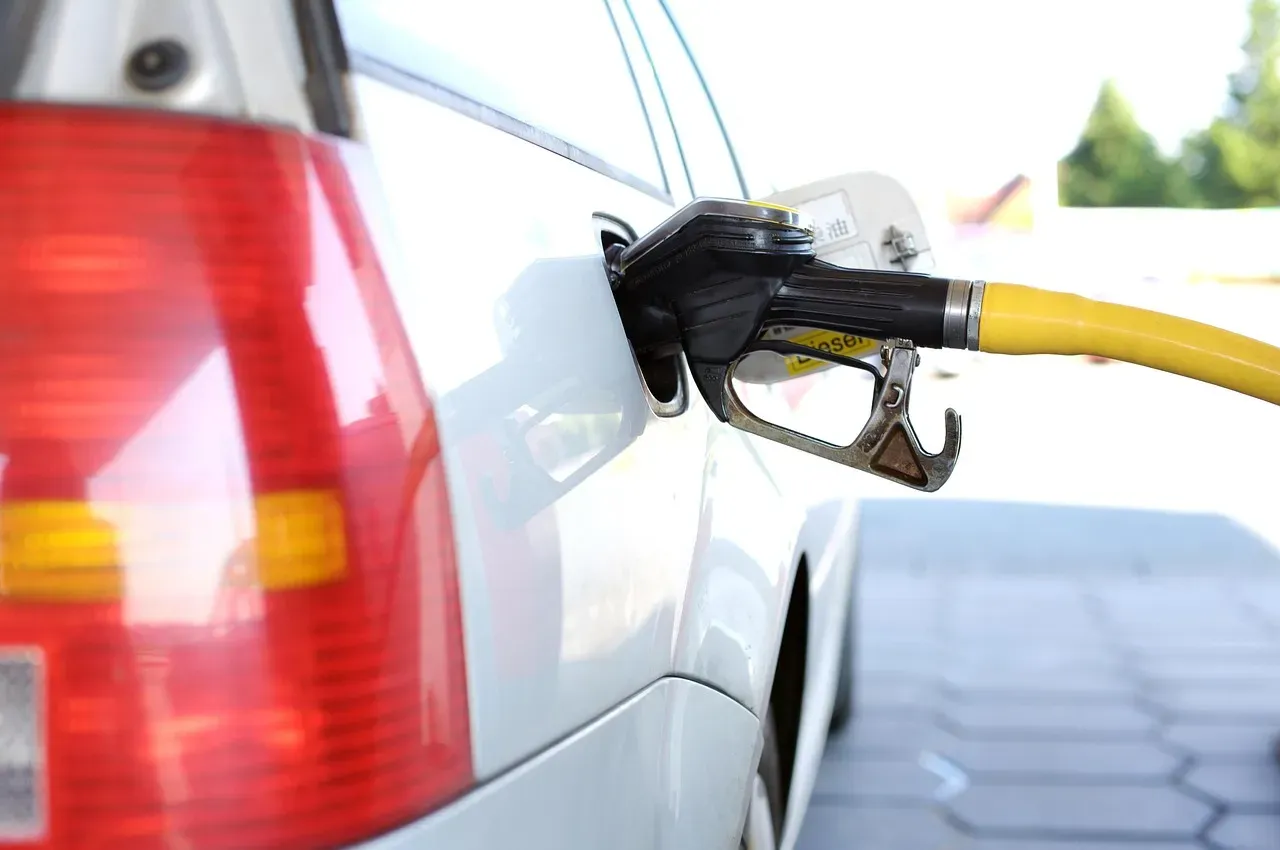
U.S. inflation accelerated in March 2026, with the Consumer Price Index rising nearly one percent for the month and three and a third percent year over year. The increase was driven by a spike in energy prices, especially gasoline, which surged more than twenty-one percent and accounted for most of the monthly gain.
The average U.S. household will absorb an additional $740 in gasoline costs this year because of the jump in oil prices, according to economists at the Stanford Institute for Economic Policy Research. Spread across twelve months, that amounts to roughly $62 a month pulled directly from spending that might otherwise cover groceries or other household essentials. For a household on a fixed income, that drain arrives without a corresponding raise. For a young renter already stretching to cover elevated housing costs, it crowds out nearly every non-essential line item.