
There’s a particular kind of memory that lives in the stomach. Ask anyone who grew up in a middle-class American home in the 1980s what they ate for dinner, and the same handful of dishes will surface almost every time. They weren’t exotic. They weren’t photogenic. They were practical, filling, and cooked by parents who had just worked a full day and still needed to feed a hungry table.
As the 1980s progressed, a dual income household was increasingly needed to stay part of the middle class, forcing wives across the United States to put in a forty-hour work week on top of all the daily chores. The meals that filled those weeknight dinner tables were shaped directly by that reality. These are the ten dishes that showed up again and again, rotating through kitchens coast to coast like a comforting, carb-heavy clock.
1. Meatloaf with Mashed Potatoes and Green Beans
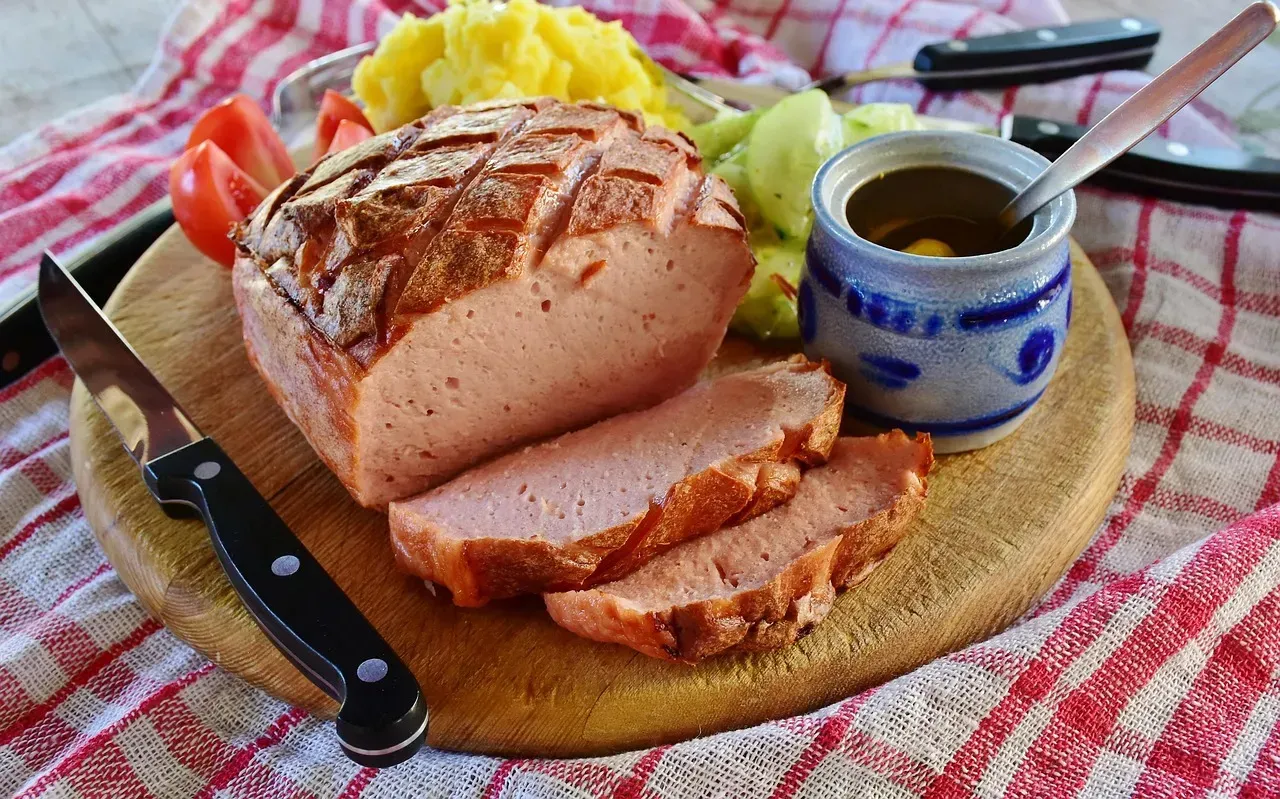
1. Meatloaf with Mashed Potatoes and Green Beans (Image Credits: Pixabay)
No dish screams “1980s family dinner” like meatloaf. It was humble, hearty, and endlessly customizable, and it wasn’t anyone’s favorite, but it always got eaten. Made from whatever ground meat was on sale, mixed with breadcrumbs, eggs, and often topped with a sweet ketchup glaze, meatloaf represented stability in uncertain times. The ketchup or BBQ sauce on top would caramelize in the oven, giving the exterior a sticky, sweet crust that was arguably the best part.
The genius of 1980s meatloaf was its versatility: moms could sneak chopped onions, carrots, and even spinach into the mixture without the kids being any wiser. Served with mashed potatoes and green beans, it was the definition of comfort food. Cold meatloaf sandwiches the next day were practically a bonus meal, which made this one of the most economical options in any family’s weekly rotation.
2. Spaghetti with Jar Sauce and Ground Beef
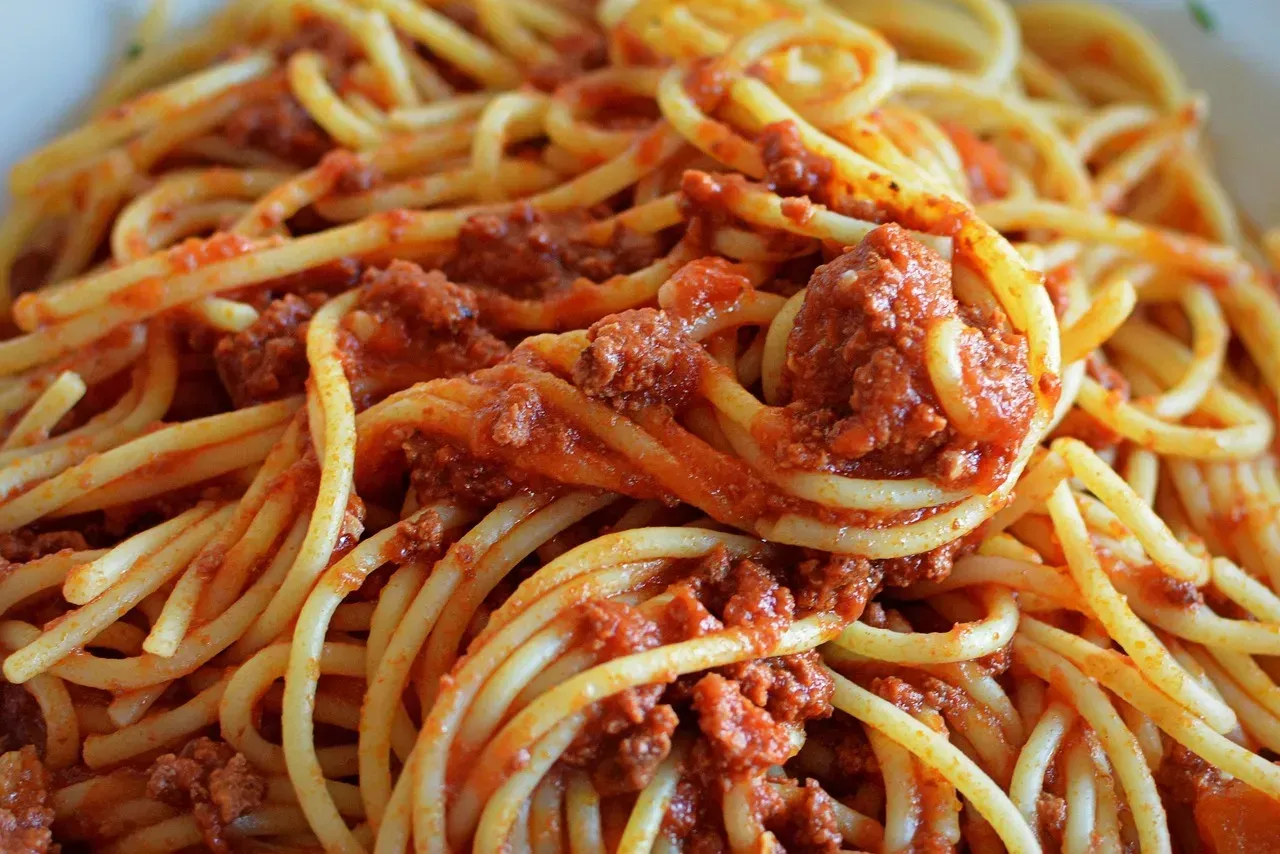
2. Spaghetti with Jar Sauce and Ground Beef (Image Credits: Pixabay)
Premade spaghetti sauces hit the mainstream in the U.S. in the 1970s and were well entrenched by the 1980s, thanks in part to the proliferation of multiple variants of Prego and Ragu. Developed specifically to meet the tastes of Americans, those sauces moved spaghetti night out of being an all-day process into an inexpensive weeknight meal option. Browned ground beef stirred into the jar made it hearty enough to hold a family of four together.
Spaghetti was topped with a massive spoonful of marinara-inspired sauce that came from a jar made by the likes of Ragu or Prego, with some thickening and protein-provided browned ground beef added in while it simmered. The final finishing touch: parmesan cheese, but nothing authentic, rather Kraft’s powdered parmesan shaken out of a can. Research shows our brains associate comfort foods with nostalgia and feelings of belonging. The ritual of twirling noodles and passing garlic bread created connection, even when the ingredients came from cans and jars.
3. Tuna Noodle Casserole
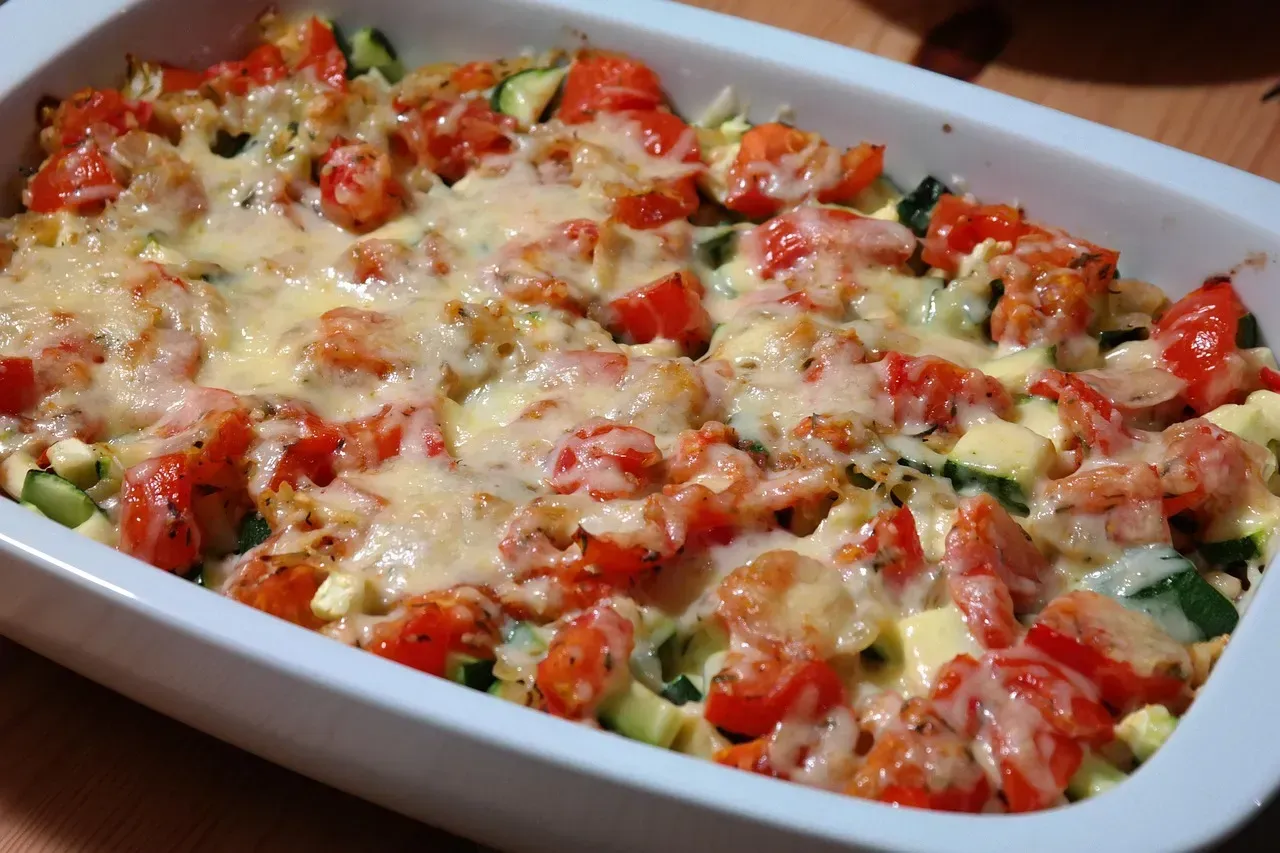
3. Tuna Noodle Casserole (Image Credits: Pixabay)
By the mid-1980s, tuna noodle casserole was featured in nearly every community cookbook, thanks to its low cost and reliance on pantry staples. A 1984 Campbell’s Soup Company sales report noted that over roughly three in five households used condensed cream soups in casseroles, with tuna noodle being one of the most common. Egg noodles, canned tuna, and cream of mushroom soup made it an easy, filling choice.
Mom would mix canned tuna with egg noodles, peas, and the miracle worker of 1980s cooking, cream of mushroom soup. The crowning glory was always crushed potato chips or those crispy fried onions sprinkled on top. It was resourceful cooking at its best, repurposing leftovers, stretching protein, and still producing something that felt like love. The Pyrex dish it baked in practically had its own permanent spot on the kitchen counter.
4. Hamburger Helper
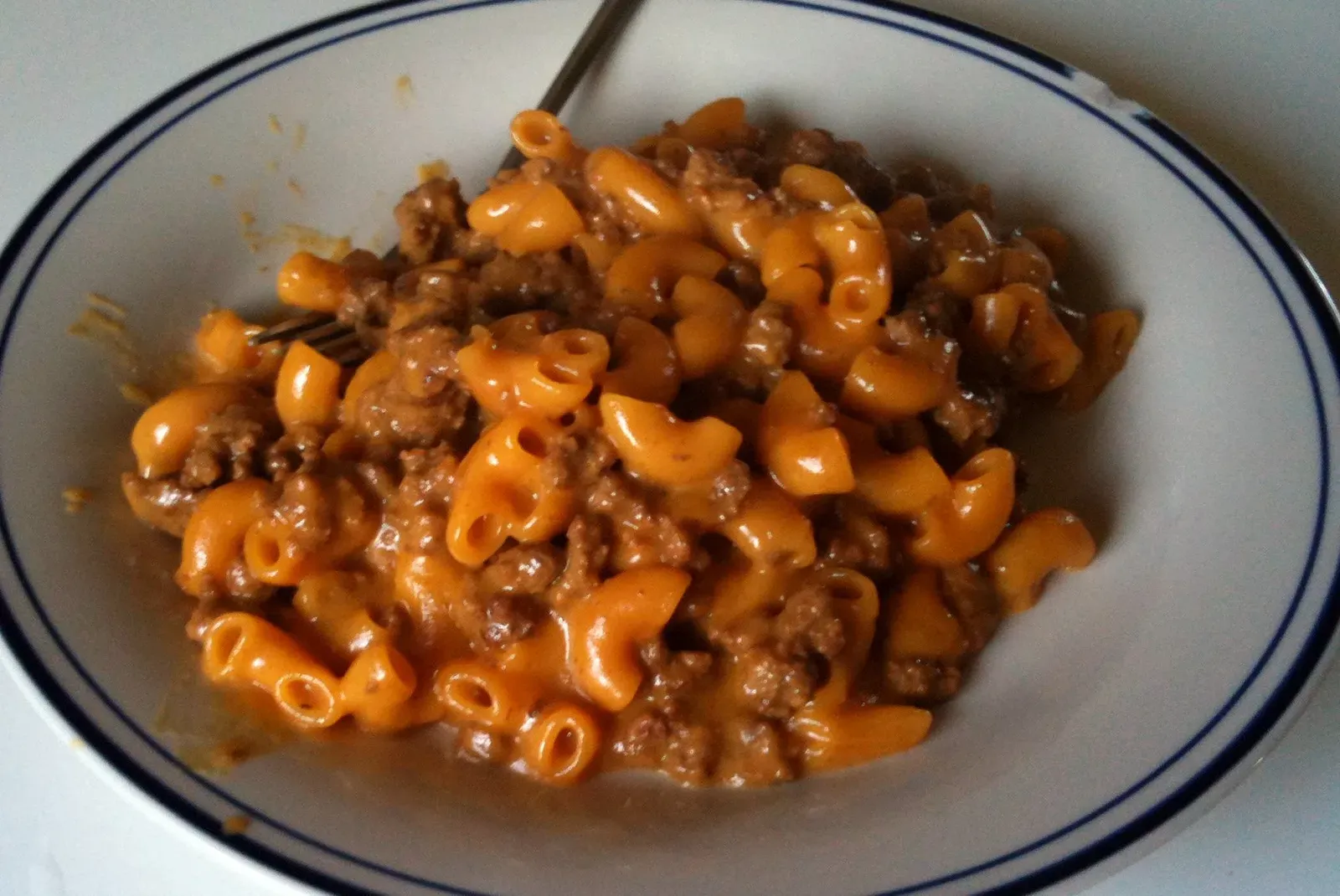
4. Hamburger Helper (Image Credits: My first ever Hamburger Helper, <a href="https://commons.wikimedia.org/w/index.php?curid=59327164" target="_blank" rel="noopener">CC BY 2.0</a>)
If you can still picture that cheerful glove mascot, you know exactly what we’re talking about. Hamburger Helper was the 1980s answer to “I’m tired, we need to eat, and payday’s not until Friday.” This boxed miracle turned a single pound of ground beef into a full meal for an entire family. Hamburger Helper became a go-to for families seeking an easy and filling dinner option.
One box represented one entire hot meal, often made in just one pan, that could feed a whole family. It contained some pasta and a sauce, and required the addition of a pound of cheap ground beef to be transformed into a casserole that could be served in minutes. Cheeseburger macaroni, chili tomato, four cheese lasagna, chili mac, and stroganoff varieties proved particularly popular in the 1970s and 1980s with American families led by working parents who didn’t have the time or energy to make a meal from scratch.
5. Ground Beef Stroganoff over Egg Noodles
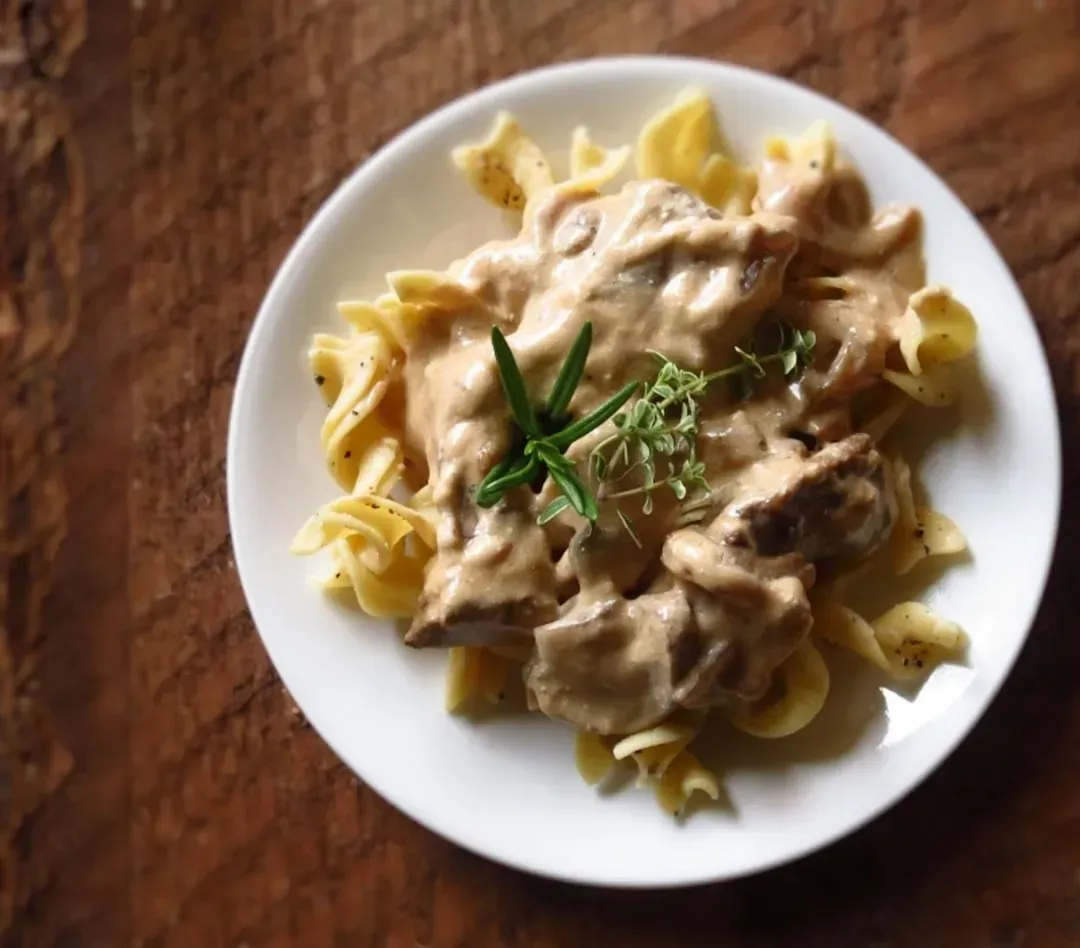
5. Ground Beef Stroganoff over Egg Noodles (Image Credits: Unsplash)
Stroganoff gained traction in the U.S. after Campbell’s began marketing cream of mushroom soup as the “secret ingredient” in the 1970s. By the 1980s, ground beef stroganoff was a standard family meal, offering a cheaper twist on the original Russian dish. According to USDA reports, ground beef averaged just $1.29 per pound in 1985, making it one of the most affordable proteins and a key driver of stroganoff’s popularity.
Ground beef stroganoff, swimming in cream of mushroom soup and ladled over egg noodles, served as the economical solution to feed hungry families without going into debt doing it. It was Americanized, mass-produced in all its convenience and economy over the more traditional sort. The finished dish came out rich and creamy, landing somewhere between a proper European recipe and pure American convenience food, which was exactly the sweet spot 1980s kitchens were always chasing.
6. Taco Night
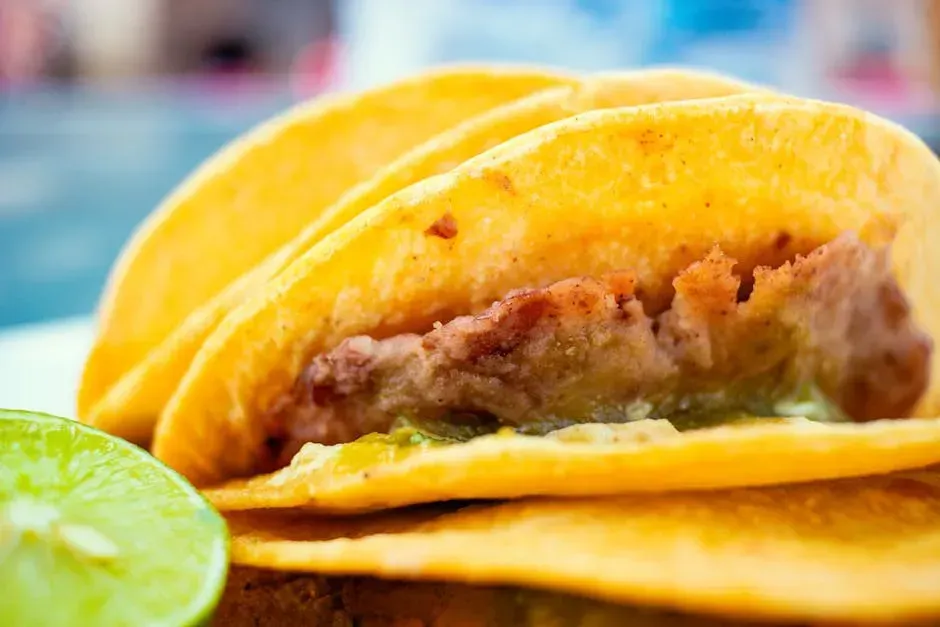
6. Taco Night (Image Credits: Pexels)
Tacos are so associated with the 1980s in part because that’s when the concept of “Taco Tuesday” emerged. Restaurants far and wide had taco specials on that night of the week, and the alliterative fun extended to households, who stocked up on boxes of taco shells and ground beef. The rise of Tex-Mex cuisine, combined with easy-to-use kits, made tacos a fun, customizable dinner where every family member could assemble their own plate.
Mainstream American tacos were prepared largely the same way that Taco Bell did: ground beef simmered in water and a packet of mildly spicy taco seasoning, spooned into tortillas fried until crispy and then packaged, and topped with non-historically Mexican ingredients like shredded cheddar cheese and iceberg lettuce. Families with lots of kids especially loved it since everyone made their own. The assembly-line spread across the kitchen counter made taco night feel less like cooking and more like an event.
7. Sloppy Joes
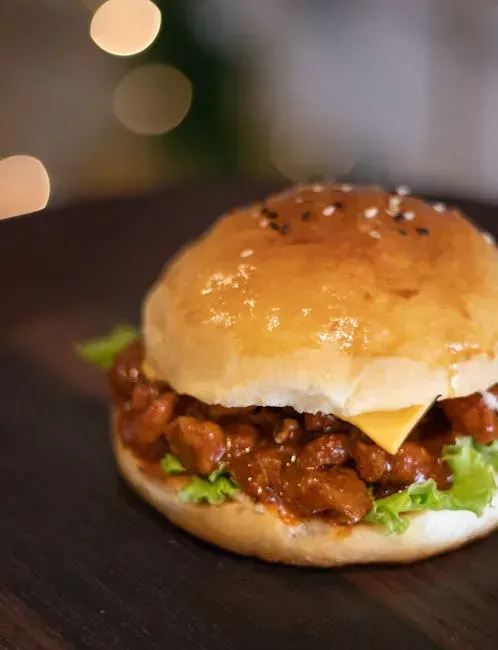
7. Sloppy Joes (Image Credits: Pexels)
Sloppy Joes became iconic in the 1980s largely due to the rise of Hunt’s Manwich sauce, first introduced in 1969 but aggressively marketed during the decade. By 1985, sales of canned sloppy joe sauce were up roughly a quarter compared to the previous decade. Moms appreciated how a pound of ground beef could stretch to feed the whole family, while kids loved the tangy-sweet flavor on hamburger buns.
The name was shorthand for a hot, dinner-worthy, cooking-required sandwich made from cooked and pebbled ground beef swimming in a thick and messy sweetened tomato sauce, derived from tomato sauce, barbecue sauce, or ketchup. Served on a hamburger bun and possibly with chopped onions and peppers fortifying and stretching the meat, and maybe a slice of cheese melting over the filling, sloppy Joes really took off as something pleasant that parents could make for kids. The name warned you it was messy. Nobody cared.
8. Chicken and Rice Casserole
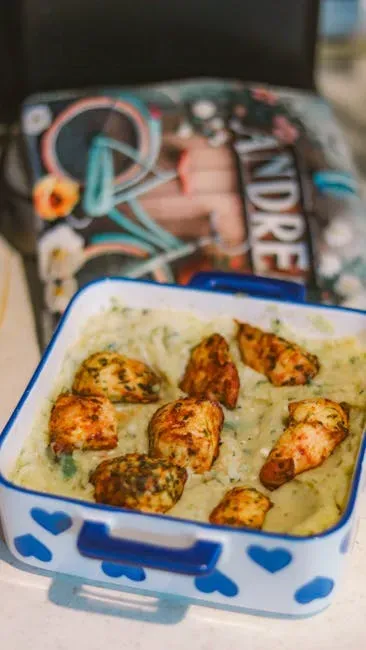
8. Chicken and Rice Casserole (Image Credits: Pexels)
Chicken and rice casserole was the definition of set it and forget it. You mixed rice, condensed soup, broth, and chicken pieces or shredded leftovers, then slid it into the oven. The dish baked for an hour or more, filling the house with comforting smells while parents helped with homework or folded laundry.
More formally known as One-Dish Chicken and Rice Bake, this casserole is hot, soft, plentiful, and inoffensive. It’s also predictable enough in flavor to appeal to almost any palate, making it a great dinner for a large number of families. That predictability was actually the point. After a complicated day, nobody wanted a complicated dinner, and this dish delivered warmth and quiet satisfaction with almost no effort at all.
9. Shake 'N Bake Pork Chops
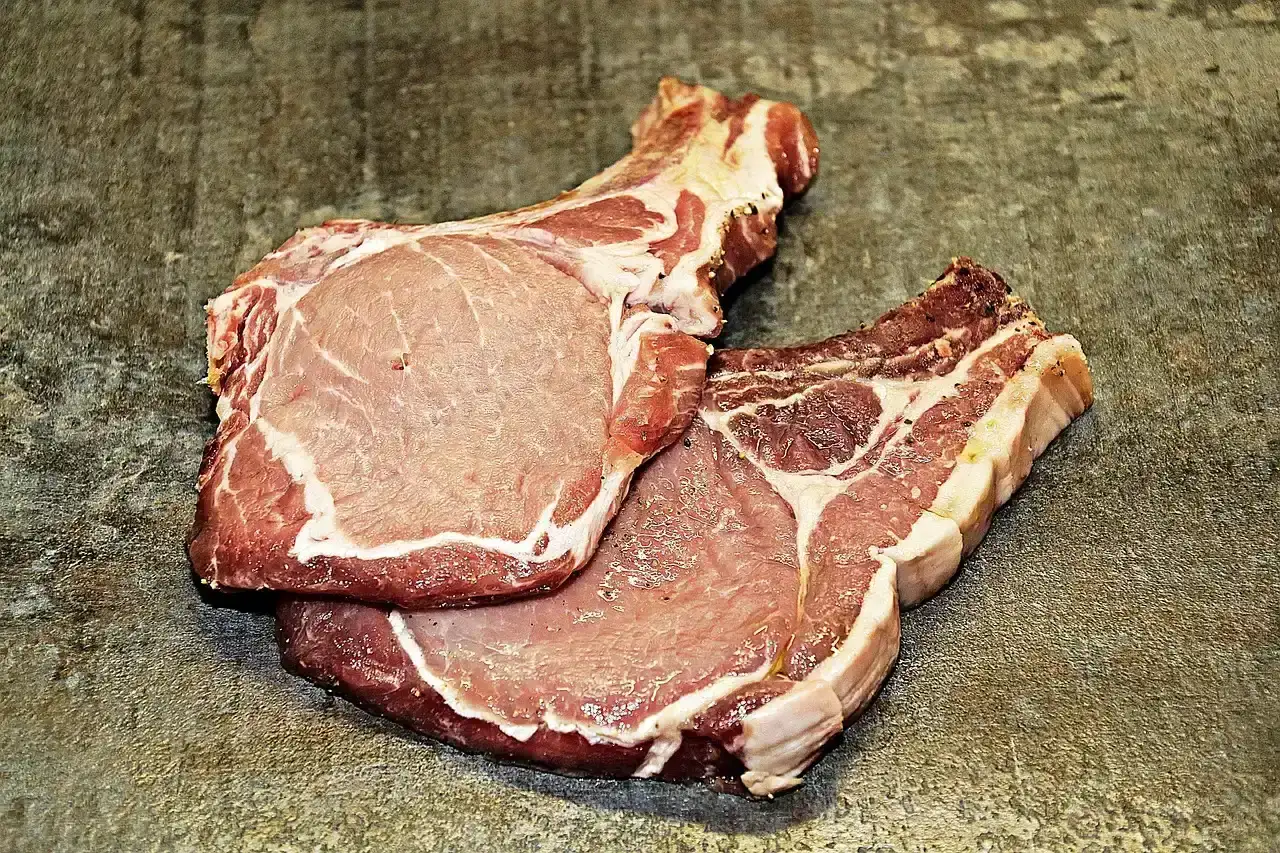
9. Shake 'N Bake Pork Chops (Image Credits: Pixabay)
Kraft’s Shake ‘N Bake, introduced in 1965, reached peak popularity in the 1980s, with pork chop recipes leading sales. Market research from Kraft in 1983 revealed that the vast majority of Shake ‘N Bake purchases were used for pork, highlighting its place on the dinner table. The product promised a crispy, oven-baked result without the mess of frying, which was a genuine selling point for any household without a lot of time.
There were plenty of other, more homemade ways to give pork chops a nice breading, but Shake ‘N Bake was so undeniably and irresistibly simple that it became a regular dinnertime tool from the 1960s through the 1980s and beyond. Moms loved it for providing a crispy, oven-baked alternative to frying without the mess, while commercials cemented its association with easy family dinners. The kids shaking the bag was a signature moment that turned dinner prep into something almost fun.
10. TV Dinners and Frozen Salisbury Steak
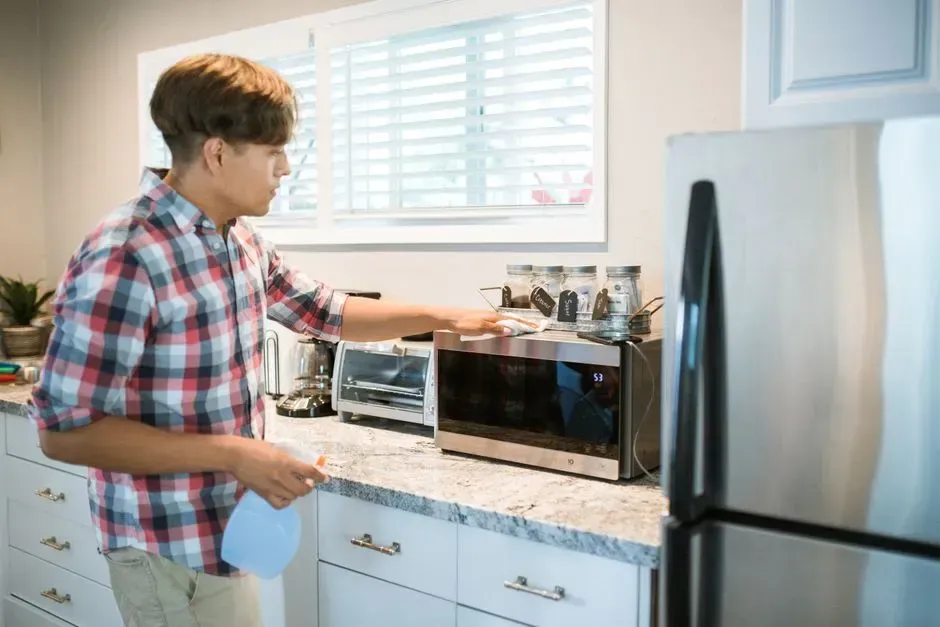
10. TV Dinners and Frozen Salisbury Steak (Image Credits: Pexels)
Frozen dinners, pioneered by Swanson in the 1950s, exploded in popularity in the 1980s as dual-income households sought convenience. Salisbury steak was among the most purchased options, with Stouffer’s and Banquet dominating freezer aisles. A 1987 Nielsen report recorded frozen entrée sales topping $1.6 billion, with Salisbury steak consistently ranking as one of the top-selling flavors due to its hearty appeal and affordable price point.
Microwave ovens, which were becoming more common in households, revolutionized meal preparation. These handy machines promised quick, no-fuss cooking, and they did not disappoint. Meals like TV dinners became staples, providing everything from Salisbury steak to chicken and vegetables in one neat, pre-packaged tray. Kids loved the independence of heating their own dinner, peeling back the film, and eating while watching cartoons. Microwave dinners were the future, or at least they felt like it – they symbolized convenience, independence, and modern living.
These ten meals weren’t accidental. They were the practical result of a decade that asked a lot of working families and gave them processed cheese, condensed soup, and seasoning packets in return. In the 1980s, home cooking in middle-class households reflected a balance of affordability, convenience, and family appeal. Grocery store advertising data, recipe book trends, and surveys from sources like Better Homes & Gardens and Good Housekeeping archives show that quick casseroles, one-pan meals, and pre-packaged mixes dominated dinner tables. These dishes became weeknight staples due to their budget-friendly ingredients, ease of preparation, and heavy promotion by major food companies.
What’s worth remembering, though, is that the meals themselves were rarely the point. The table was the point. The sitting down together, the passing of garlic bread, the kids complaining about green beans while secretly finishing everything on their plates. The food was just the reason to gather, and it turns out that reason didn’t need to be fancy.