
Open houses are carefully staged performances. The sellers have cleaned, decluttered, and vacated. The listing agent is standing by with a smile and a sign-in sheet. Everything is designed to create one feeling: possibility. Then a buyer opens their mouth and says the wrong thing, and just like that, a deal begins to unravel before it ever really started.
Making an offer on a home is more of an art than a science, and savvy real estate agents know that what you say at an open house can be an unexpected deal breaker. The agent hosting the event isn’t just there to hand out flyers. The agent hosting the open house represents the seller, not you, and every detail you share can work against you during negotiations. These are the ten comments that realtors say they hear far too often, and the ones that can quietly derail a sale on the spot.
1. "This Is Absolutely Perfect – It's Exactly What We've Been Looking For!"
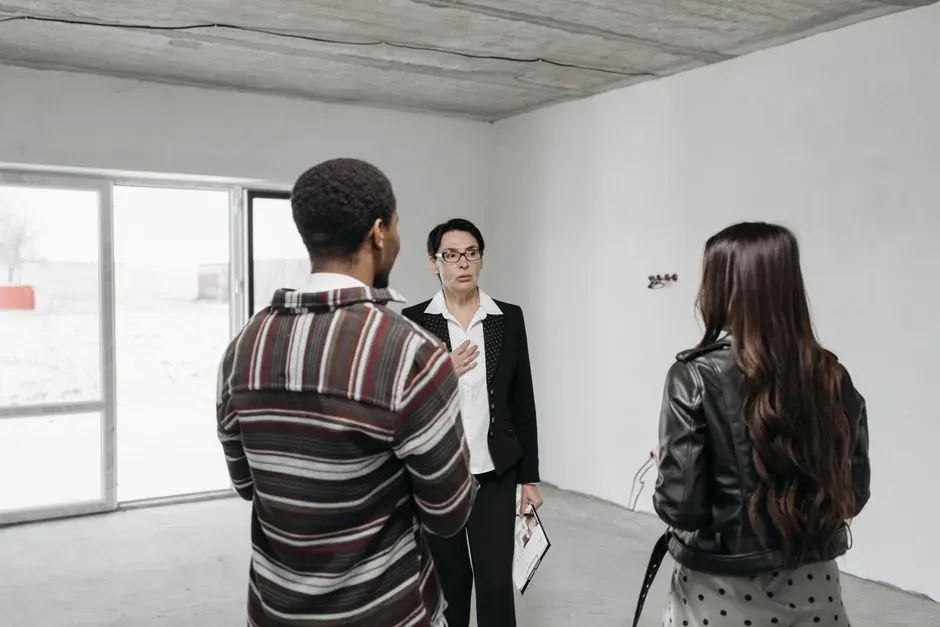
1. "This Is Absolutely Perfect – It's Exactly What We've Been Looking For!" (Image Credits: Pexels)
The more you enthuse about a house, the more you’re giving up negotiation leverage when the buyer knows that you’re motivated to buy. It feels natural to gush when you finally find a home that checks every box. Emotions run high, and the excitement is real. The problem is that the listing agent is listening carefully, and that enthusiasm goes straight into their mental file on you.
Saying you love the backyard or the kitchen is a signal you’ll pay more. Even if you’re excited, save your reactions for conversations with your own agent later. The less interested you appear, the more likely the seller will negotiate on price or repairs. Keeping a neutral expression during a tour isn’t dishonesty, it’s strategy.
2. "We'd Rip Out This Kitchen and Start From Scratch"
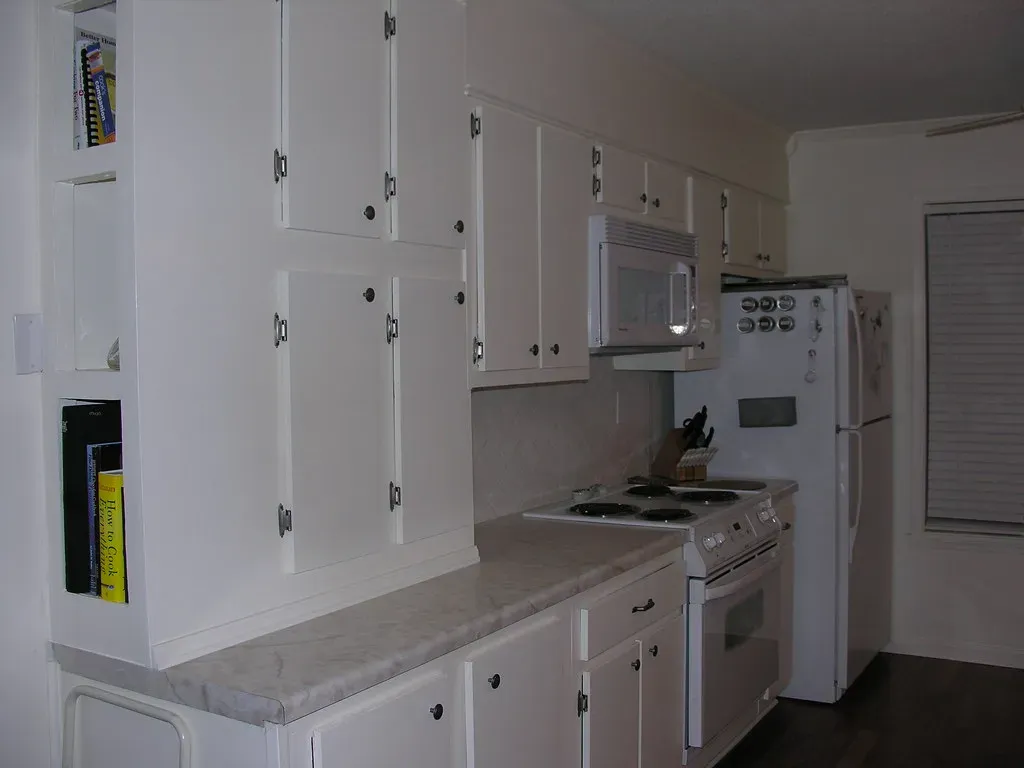
2. "We'd Rip Out This Kitchen and Start From Scratch" (dani0010, Flickr, <a href="https://creativecommons.org/licenses/by-sa/2.0/" target="_blank" rel="noopener">CC BY-SA 2.0</a>)
Realtors strongly advise always refraining from mentioning any changes you’d make to the house. This comment tends to come from buyers who are genuinely enthusiastic about a property and are already mentally redesigning it. The impulse is understandable. The consequences, though, can be serious, especially when the seller is still emotionally attached to every choice they ever made.
For many this is an emotional sale. Sellers raised their family there, built the cabinets in the kitchen by hand, and had their first Christmas as a family in that home. A buyer coming in and saying they would rip everything out might upset the sellers because they see it as a personal assault on their history. A seller who feels personally insulted is far less likely to negotiate in good faith.
3. "We're Running Out of Time – School Starts Soon"

3. "We're Running Out of Time – School Starts Soon" (Image Credits: Unsplash)
Realtors advise against making any remarks regarding your moving timeline. Mentioning a deadline, whether it’s a school enrollment cutoff, a lease ending, or a job relocation, is one of the most common ways buyers unknowingly hand over their leverage at an open house. The listing agent absorbs this information and the seller benefits directly from it.
Mentioning that your lease ends next month or you’re relocating for work tells the seller you’re under pressure. Urgency weakens your position because the seller knows you need to move quickly. This type of sensitive information could make you vulnerable in the midst of negotiations for repairs and cause the seller to call your bluff if you threaten to walk away.
4. "The Price Seems Way Too High for This Neighborhood"
4. "The Price Seems Way Too High for This Neighborhood" (Image Credits: Pexels)
Some potential buyers feel the open house is an opportunity to set the groundwork for placing an offer, like a psychological operation campaign. They’ll disparage items in the house, make comments about what they’ll have to pay to have something replaced or renovated, and badmouth the price in an effort to grease the skids for submitting a low-ball offer. Agents see through this tactic immediately, and it rarely works the way buyers intend.
Potential buyers who walk through the house insulting it loudly will irritate the listing agent because that kind of behavior is just unnecessary and nasty. A buyer who openly criticizes the price or the property damages their own credibility. Sellers and their agents are far more likely to favor a respectful buyer when comparing multiple offers.
5. "We're Approved for $600,000, So This Is Well Within Our Range"
5. "We're Approved for $600,000, So This Is Well Within Our Range" (Image Credits: Unsplash)
Telling the agent how much you’re approved for gives the seller leverage. If the home lists at $400,000 and you mention you’re approved for $450,000, the seller knows they have room to push for a higher price. Buyers often share their pre-approval ceiling thinking it signals seriousness. It does, but it also signals exactly how high a seller can push before losing the deal.
Remember, the agent at open houses usually represents the seller and the seller’s interests. You don’t want to give the agent information that could be useful during negotiations later, such as the price you are willing to pay for a home and when you want to buy. Being vague about finances is not a red flag; it’s simply protecting your position before negotiations begin.
6. "We've Already Looked at 30 Houses – We Just Need to Pick One"
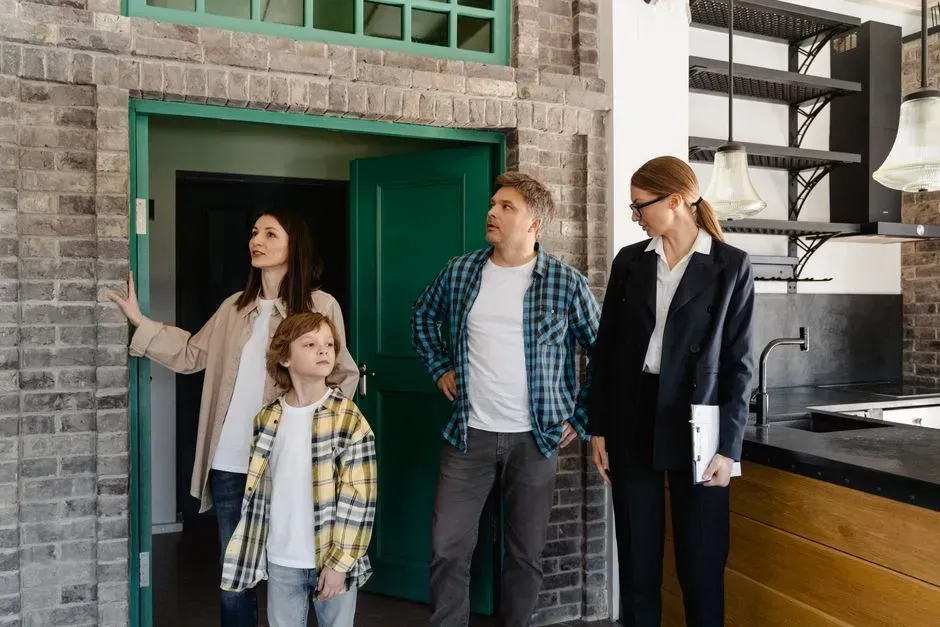
6. "We've Already Looked at 30 Houses – We Just Need to Pick One" (Image Credits: Pexels)
Expressing decision fatigue at an open house is a quiet way of telling a seller you’re desperate to stop searching. It signals that you’re emotionally exhausted, that your standards may have softened, and that you might accept terms you’d normally push back on. Experienced listing agents pick up on buyer fatigue quickly and relay exactly that to their clients.
If negotiating a much better deal is a goal, don’t offer too much information about how excited you are about buying or selling. Framing yourself as someone who has been searching endlessly and is nearly ready to settle removes your negotiating power before the first offer is even written. Walk in fresh, regardless of how long the search has actually been.
7. "I'm Planning to Throw Big Parties – This Backyard Is Perfect for That"
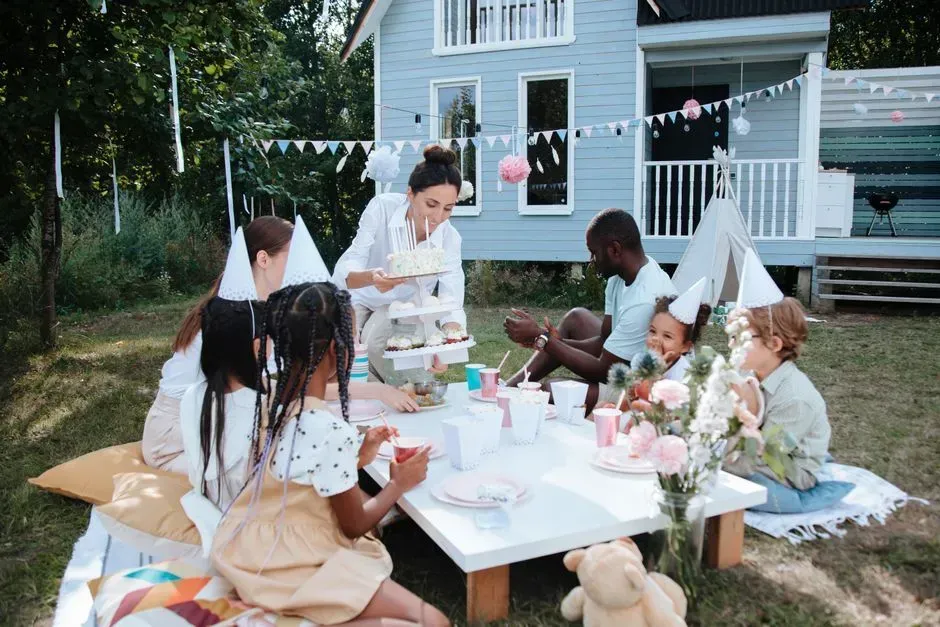
7. "I'm Planning to Throw Big Parties – This Backyard Is Perfect for That" (Image Credits: Pexels)
Avoid talking about atypical uses for the listing. Mentioning parties you plan to have or how perfect the garage will be for band practice might give a seller who is friends with the neighbor second thoughts about your offer. Sellers are people too, and many of them care about what happens to their home after they leave. Describing loud or disruptive plans can trigger hesitation, particularly in close-knit neighborhoods.
This comment is especially risky when the listing agent has a relationship with neighbors or adjacent community members. In a hot seller’s market, behavior at the open house could influence the ultimate outcome as to whether or not buyers will be the successful bidders when it comes time to present the contracts. Keeping your lifestyle plans private until after closing costs nothing.
8. "We Don't Have an Agent – Can You Just Handle Both Sides?"
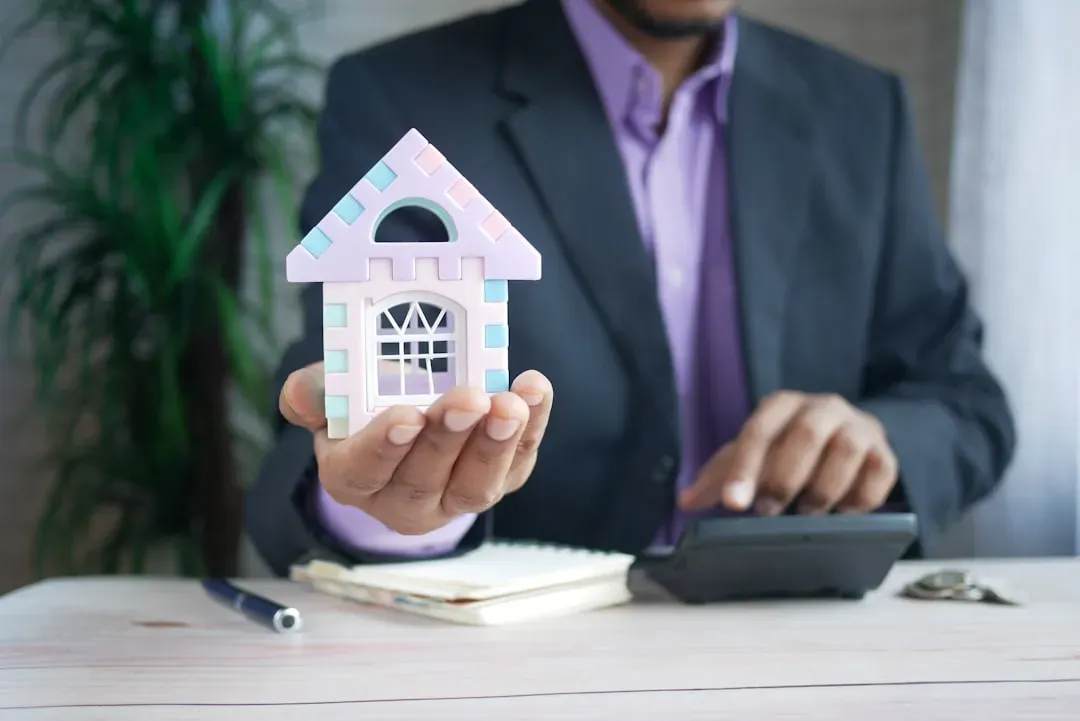
8. "We Don't Have an Agent – Can You Just Handle Both Sides?" (Image Credits: Unsplash)
Sometimes total strangers will approach the person holding the house open and say things that imply that they do not value the agent’s expertise at all, suggesting the agent is only an order taker who will complete the paperwork and get a huge commission, of which the buyer wants a slice. This is not a heart-warming comment to make and in fact is pretty insulting. It can set a negative tone for the entire relationship between buyer and listing agent.
Beyond the interpersonal dynamics, buyers without their own representation are genuinely at a disadvantage in negotiations. The agent hosting the open house represents the seller, not you, and every detail you share can work against you during negotiations. In a dual-agency scenario, there is no one in the room whose primary job is to look out for your interests.
9. "We Noticed the Neighbors' House Looks a Bit Rough…"
9. "We Noticed the Neighbors' House Looks a Bit Rough…" (Image Credits: Pexels)
Brokers are not legally allowed to speak about location demographics, so buyers should do their own research and spend time in the neighborhood. Making comments about specific neighbors at an open house can put the listing agent in a legally sensitive position and signal a kind of judgment that reflects poorly on the buyer. Agents consistently flag this type of remark as one of the most uncomfortable things they hear during showings.
Beyond the legal dimensions, the seller may be friendly with those very neighbors. Criticizing the surrounding block or speculating about who lives nearby is a quick way to create friction where none existed before. Save those observations, valid or not, for a private conversation with your own buyer’s agent after the tour.
10. "How Much Did They Pay for It Originally?"
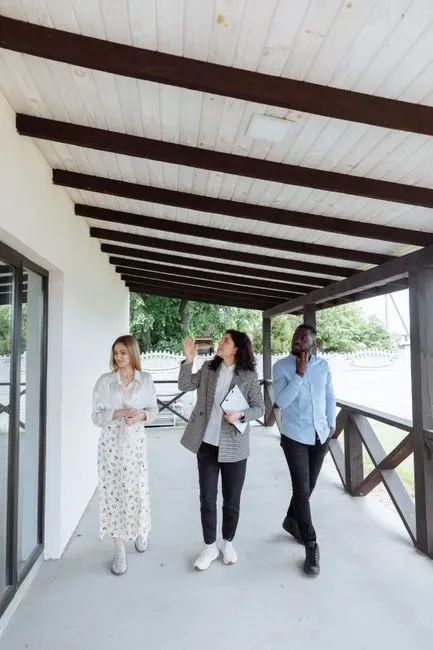
10. "How Much Did They Pay for It Originally?" (Image Credits: Pexels)
Asking about the seller’s original purchase price is something buyers do casually, often without realizing how it reads in the room. It signals that you’re sizing up the seller’s profit margin rather than evaluating the home on its current market merit. It’s easy to let emotions cloud judgment, but keeping a level head is crucial. This is a business transaction, and the focus should be on facts and outcomes rather than personal feelings.
Open houses are an opportunity to ask why the homeowner is selling, how long the home has been on the market, about repairs and upgrades, about the neighborhood and schools, and more. These questions can also show that you are a serious buyer. Asking about original purchase price doesn’t do any of that. It tends to feel intrusive, and it shifts the conversation away from the property’s actual value toward the seller’s financial history, which is rarely useful and almost always unwelcome.
There’s a version of the open house tour that works well for buyers: ask practical questions, observe closely, and keep your cards close. Be polite, but vague, with your answers. When you love a home, it might be a good idea to keep that information to yourself. The things you don’t say at an open house can matter just as much as the offer you eventually put in writing.