
Most people walk into a grocery store with a list and a rough budget in mind, and walk out having spent more than planned. It happens almost every trip, and it doesn’t feel like an accident once you understand what’s actually going on. The store you visit each week is not a neutral environment. It’s a carefully constructed system designed to shape your behavior from the moment you grab a cart.
Former grocery employees know this better than anyone. They’ve seen the playbook from the inside, and the things they describe are both unsurprising and quietly eye-opening. Here are ten of the most commonly overlooked tricks, straight from the people who used to run the aisles.
1. The Shopping Cart Is Bigger Than It Needs to Be
1. The Shopping Cart Is Bigger Than It Needs to Be (Image Credits: Unsplash)
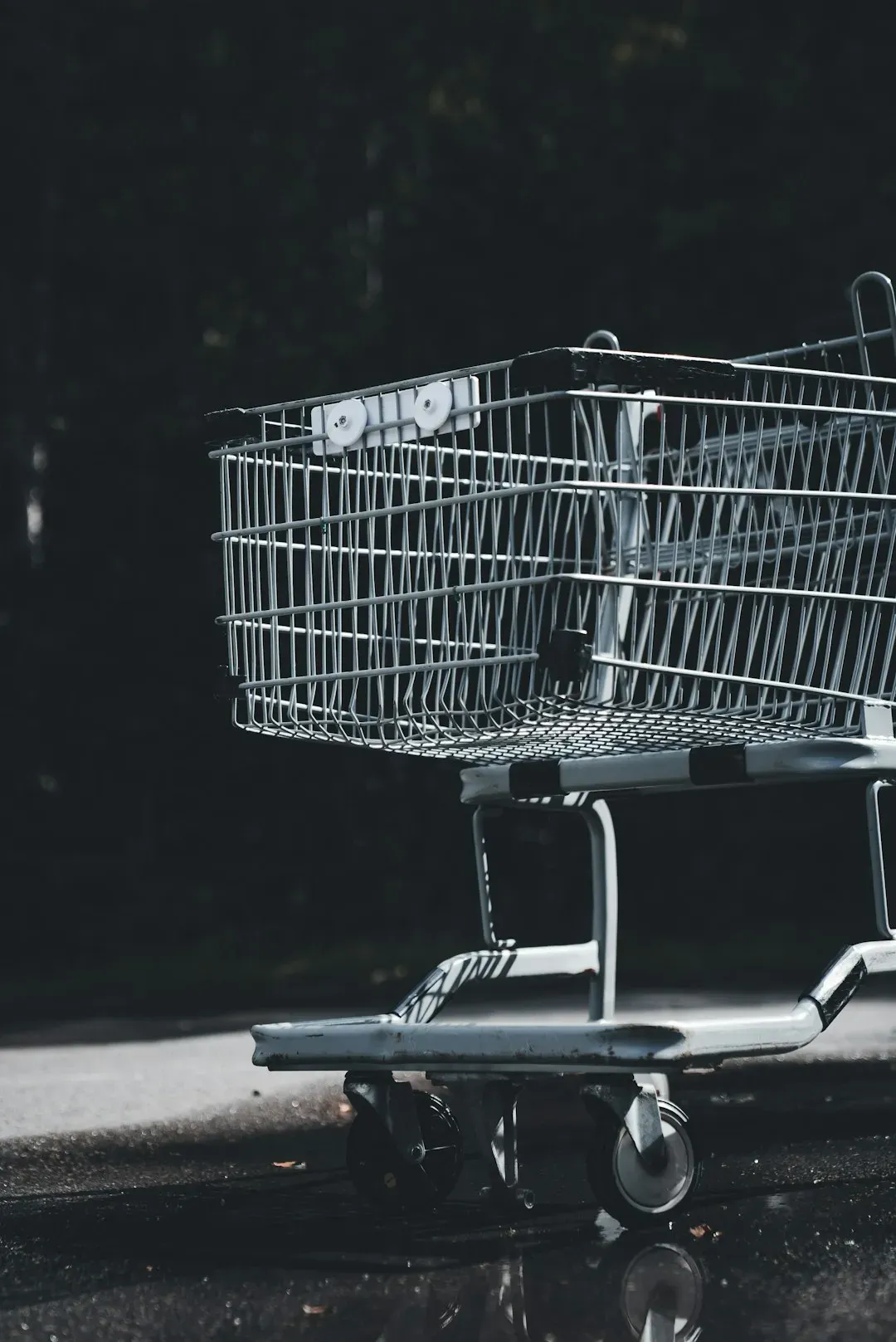
Larger shopping carts aren't designed for your convenience. One experiment found that shoppers buy more when using bigger carts, since they're often tempted to fill them. A half-empty cart creates a kind of low-level anxiety that nudges you to keep adding items, even ones that weren't on your list. It's a simple, physical prompt that works almost every time.
The fix is straightforward: if you're doing a smaller or midweek shop, grab a basket instead. From the placement of items to the size of shopping carts to the music playing overhead, many elements in a grocery store are intentional. The cart is just the first layer.
2. The Freshest Items Are Always at the Back of the Shelf
2. The Freshest Items Are Always at the Back of the Shelf (Image Credits: Pixabay)
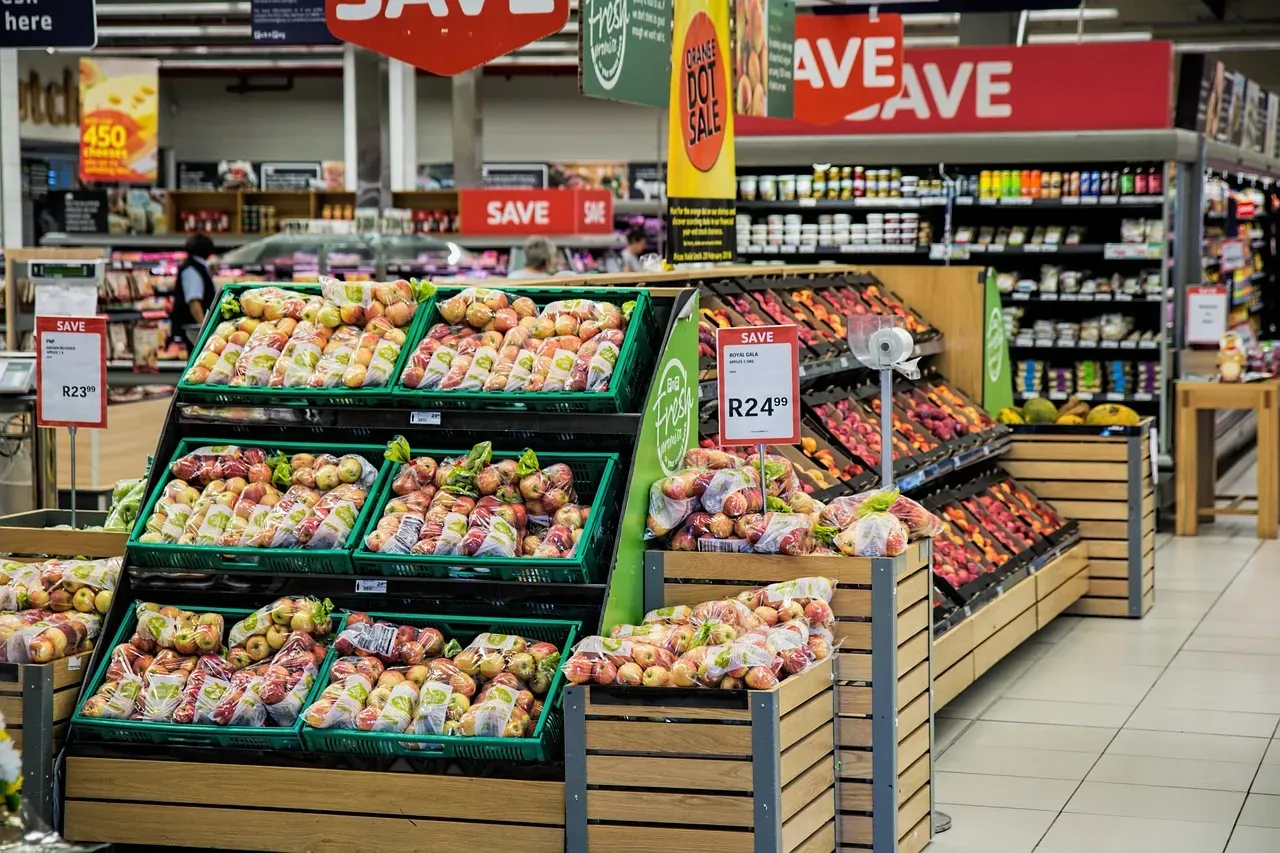
Grocery workers know this practice by its shorthand: FIFO, which stands for First In, First Out. It describes the system grocery workers use to stock shelves. When new stock arrives, workers don't place new products at the front. Instead, they're instructed to place older items at the front so they sell sooner, and relegate just-arrived items to the furthest back.
In retail and especially with produce, this restocking practice means the newer product always sits behind the older product. Shoppers will most likely grab the closest item first and not check the best-buy dates on anything beyond that. This grab-and-go shopping can lead to you having to toss spoiled items well before you'd want to. Reaching to the back of the shelf for the item with the latest use-by date is one of the simplest things you can do to reduce food waste at home.
3. Eye-Level Shelves Are Reserved for the Priciest Products
3. Eye-Level Shelves Are Reserved for the Priciest Products (Image Credits: Pexels)
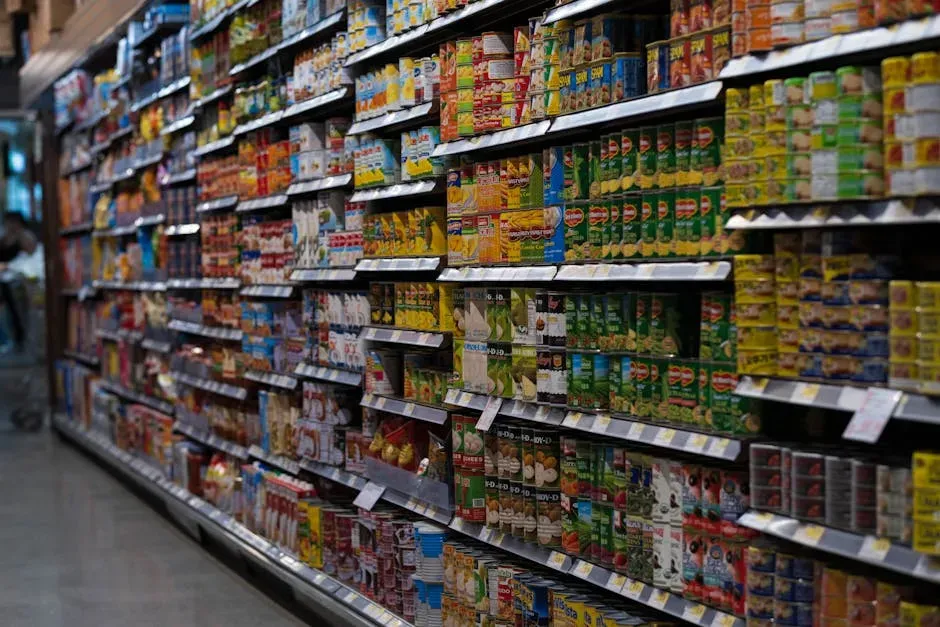
Grocery shelves are typically designed so that you need to look high or low to find less expensive brands. Pricey name brands are usually placed at the average shopper's eye level, since more people look left and right when shopping, while cheaper options such as store brands and generics are placed out of sight on higher and lower shelves.
Supermarkets place high-margin products at eye level, making them more noticeable and accessible. Meanwhile, less expensive or generic brands are positioned on the lower shelves, requiring shoppers to look harder for these options. This strategic positioning plays on our natural tendency to reach for what's directly in front of us. A quick glance up or down the same shelf can reveal a nearly identical product for noticeably less.
4. Markdowns Follow a Hidden Weekly Schedule
4. Markdowns Follow a Hidden Weekly Schedule (Image Credits: Unsplash)
Most grocery stores mark down meat three to five days before the sell-by date, typically in the early morning or evening. Markdowns often happen on specific days of the week depending on the store, with many chains offering the best discounts on Mondays, Wednesdays, and Sundays. These markdown schedules help stores minimize waste while offering shoppers significant savings of thirty to fifty percent on quality meat products.
Most stores have two primary markdown windows: early morning between 7 and 9 AM when staff first evaluates inventory, and evening between 7 and 9 PM for final daily markdowns. You can simply ask a department employee what time of day they do their markdowns. The meat and dairy sections may follow different schedules, so it's worth asking someone from that specific department. Regular shoppers who learn their store's rhythm can save a surprising amount on protein alone.
5. The "Fresh Baked" Bread Wasn't Made From Scratch
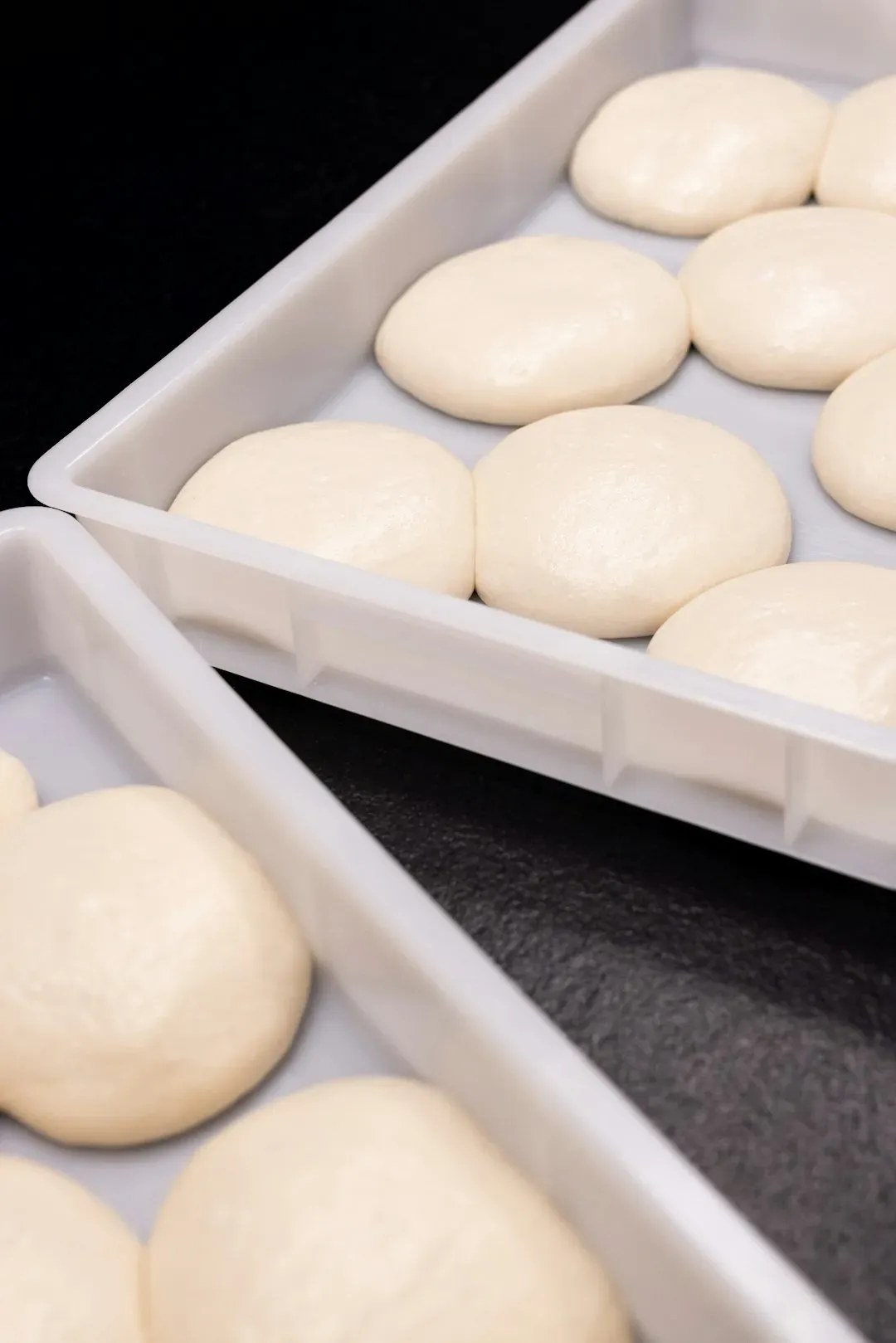
5. The "Fresh Baked" Bread Wasn't Made From Scratch (Image Credits: Unsplash)
The enticing smell from the in-store bakery is often by design. Many freshly baked breads, cookies, and pastries arrive at the store as frozen, pre-made dough or par-baked items. Employees then simply bake them off in ovens. While technically baked fresh on-site, they aren't usually made from scratch in that location, which is a common misconception.
The dough is made more efficiently at an off-site facility using huge mechanical mixers and standardized recipes. The items are then frozen, boxed, and shipped straight to the store bakery, ready for workers to unpack and bake. It's something few shoppers are actually aware of about their favorite local grocery store bakery. This also explains why all those loaves can look so perfectly identical. The smell is real. The "from scratch" part often isn't.
6. The Store's Background Music Is Controlling Your Pace
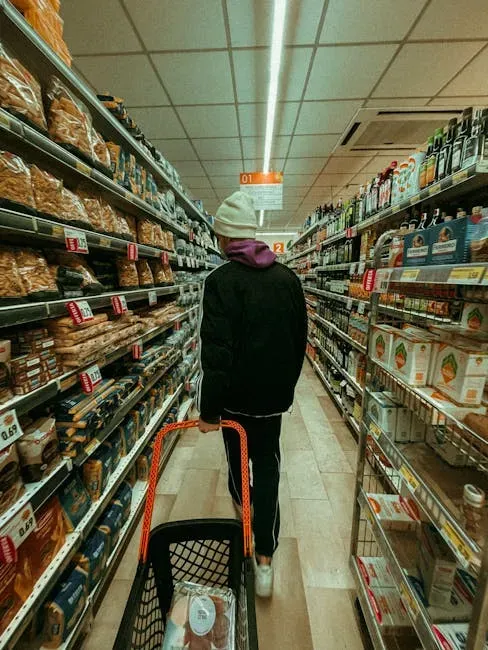
6. The Store's Background Music Is Controlling Your Pace (Image Credits: Pexels)
The music in your grocery store is often a deliberate tool used to steer your mood, pace, and how much you spend. Retailers carefully choose playlists, tempo, and volume to nudge shoppers into lingering longer, buying more, or moving more steadily through aisles. Most shoppers assume the soundtrack is just ambient noise. It's not.
Slow-tempo music slows customers down as they shop, and people purchase more during their visit as a result. Significantly higher daily profits have been recorded by supermarkets simply by playing slower background music. Some grocery chains choose not to play music at all. Aldi's zero-music policy is a deliberate cost and psychological strategy: they avoid the overhead and speed up shopping trips. Without music, there's less encouragement to linger or browse impulse aisles.
7. Unit Pricing Tells the Real Story – and Most People Ignore It
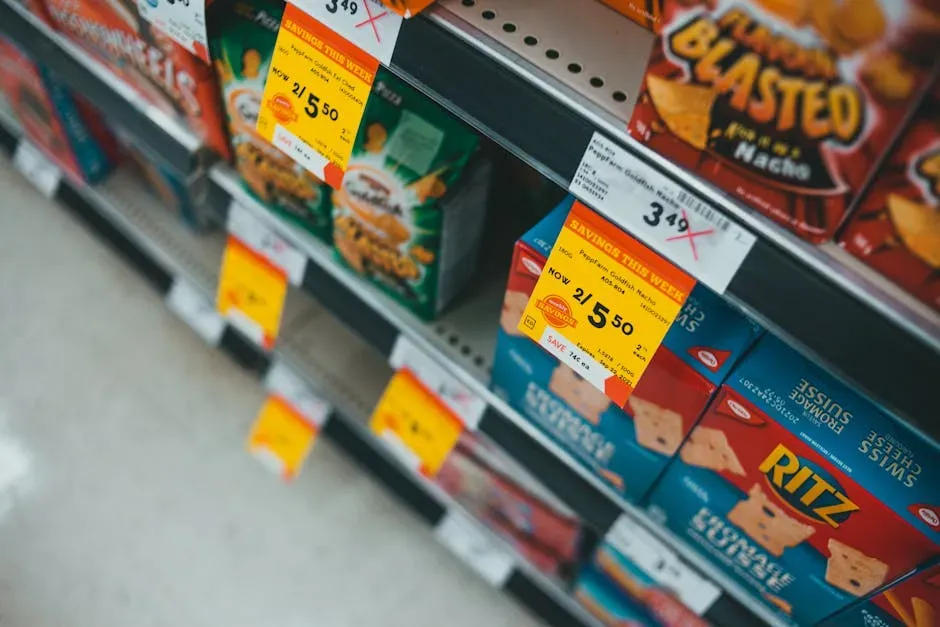
7. Unit Pricing Tells the Real Story – and Most People Ignore It (Image Credits: Pexels)
A smaller number on shelf tags tells you the price per ounce, pound, liter, or cookie you'll pay when you buy that package. This unit price is there to help you compare products when they come in different-sized packages, breaking down the cost without doing any math. Most shoppers ignore this completely. In one example, the big box costs more per pound while the smaller box costs less per pound, making the smaller box the better buy – showing that many people believe larger sizes are always the best buy, but that's not always the case.
The unit price is one of the most consistently useful numbers in the entire store. It levels the playing field between bulk sizes, promotional packs, and everyday options. Before tossing any large pack into your cart, don't just look at the price tag. Look at the unit cost. That single habit can quietly shave dollars off every weekly shop.
8. Sale Signs Don't Always Mean the Best Price in the Aisle
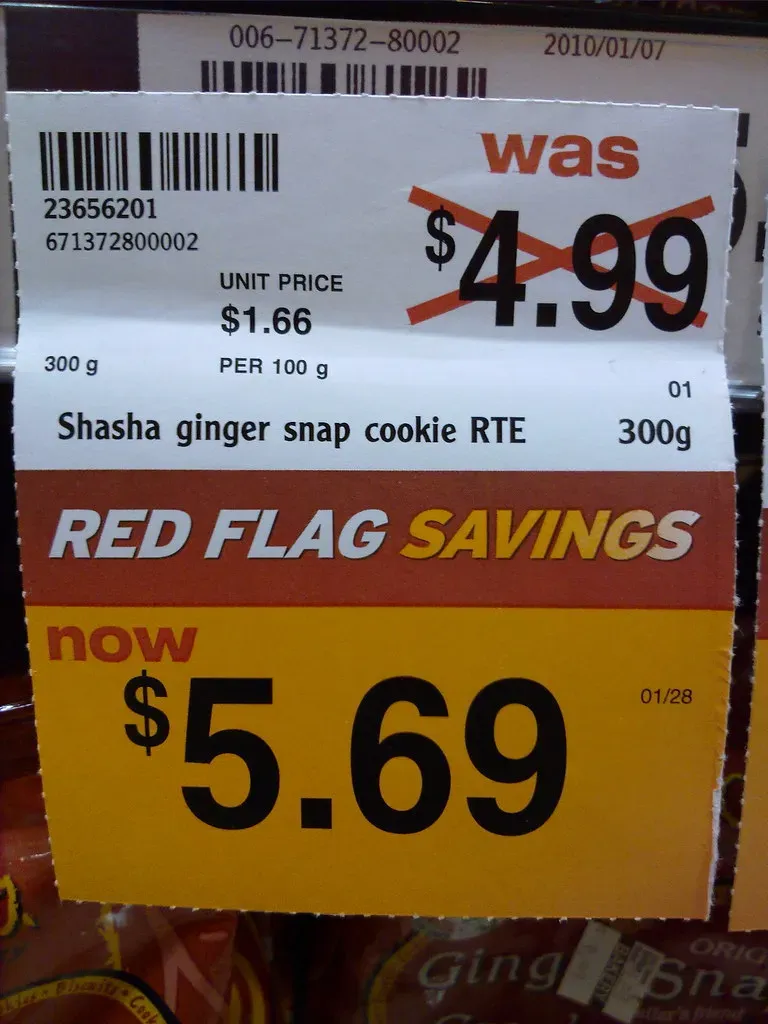
8. Sale Signs Don't Always Mean the Best Price in the Aisle (Andrew Currie, Flickr, <a href="https://creativecommons.org/licenses/by/2.0/" target="_blank" rel="noopener">CC BY 2.0</a>)
Supermarkets advertise sales to attract customers to the store. But these discounted items are often placed, strategically, next to products that are expensive or marked up. If you're heading in for a deal on a certain item, try to resist the surrounding products. The sale item draws your eye and lowers your guard.
With flashy signs or stickers, it's hard for your eyes not to go straight to the sale items. This takes your attention away from similar products on the same shelf, which could be cheaper. So although that sticker is saying it's a sale, there may be a cheaper alternative right in front of you that you've been distracted from. A quick scan of the full shelf, including the generic options above and below the promoted product, usually reveals the real best value.
9. Non-Food Items Carry Some of the Highest Markups in the Store

9. Non-Food Items Carry Some of the Highest Markups in the Store (Image Credits: Pixabay)
Grocery stores are incentivized to keep food and drink prices reasonable in order to keep people coming back. They are far less incentivized in their pharmaceutical aisle, their paper goods aisle, or their pet aisle. More often than not, anything that doesn't fall under food and drink is going to have a markup in a grocery store.
Buying kitchen staples like foil, plastic wrap, and paper towels at the grocery store is usually a costly mistake. Unless your supermarket is offering a buy-one-get-one deal, you'll find much better discounts at your local dollar store or warehouse club. Some over-the-counter medications also carry a significant markup, especially brand-name products that can be substantially more expensive than generic ones. The markup on certain products has been reported as ranging from three hundred fifty percent to nearly four hundred percent for common items like antacids, allergy medication, and vitamins.
10. The Self-Checkout Lane Can Actually Help You Spend Less
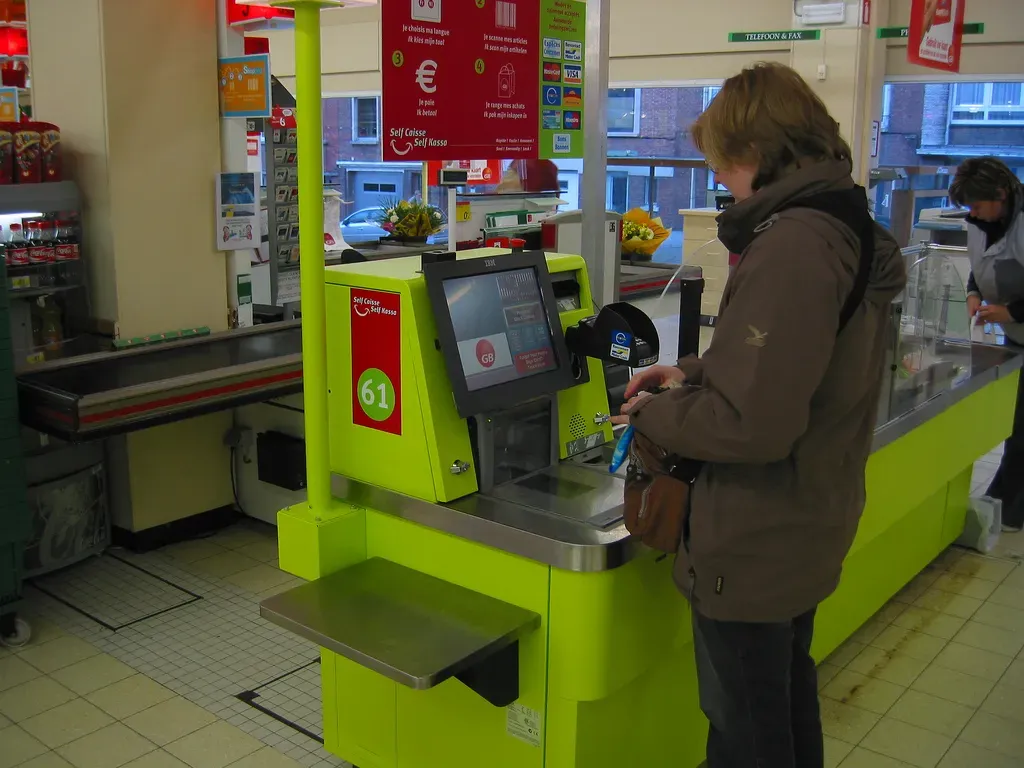
10. The Self-Checkout Lane Can Actually Help You Spend Less (self serve checkout
Uploaded by SchuminWeb, <a href="https://commons.wikimedia.org/w/index.php?curid=15503643" target="_blank" rel="noopener">CC BY-SA 2.0</a>)
Research shows shoppers who use self-checkout lanes are more likely to stick to their shopping list and make fewer impulse purchases. One study found that women made around thirty-two percent fewer impulse purchases and men around seventeen percent fewer impulse purchases when using self-checkout instead of staffed lanes. The conversational flow of a staffed checkout, while friendly, keeps you engaged with the store environment for longer.
The checkout area is strategically designed as a last-minute temptation zone. With small, often indulgent items lining the queue, supermarkets capitalize on the psychology of waiting. Shoppers are more likely to make impulsive snack purchases or grab a magazine when they're queued up and ready to pay. Skipping that queue by scanning your own items removes one final layer of engineered temptation that most people never even notice.
None of this means grocery shopping has to become an exercise in paranoia. Most of these tactics are well within the normal boundaries of retail. Knowing they exist, though, changes how you move through the store. You look a little higher on the shelf. You reach a little further to the back. You check the unit price before assuming the bigger pack is the better deal. Small shifts, but they add up consistently over time.