
There's a particular kind of relief that comes from planting something once and never having to think about it again, at least not in the way you think about lettuce or tomatoes every spring. Perennial crops quietly rebuild themselves from roots, crowns, or bulbs that survive the winter underground, then push back up when the soil warms. Some gardeners stumble onto this by accident, inheriting a patch of chives or rhubarb from a previous owner that simply refuses to quit.
The plants below have earned their reputations through decades of use in home gardens across very different climates. A few need patience before they produce anything worth eating, while others practically take over a bed if you look away for a season. Either way, understanding how each one grows makes it much easier to decide what belongs in your own soil.
Asparagus
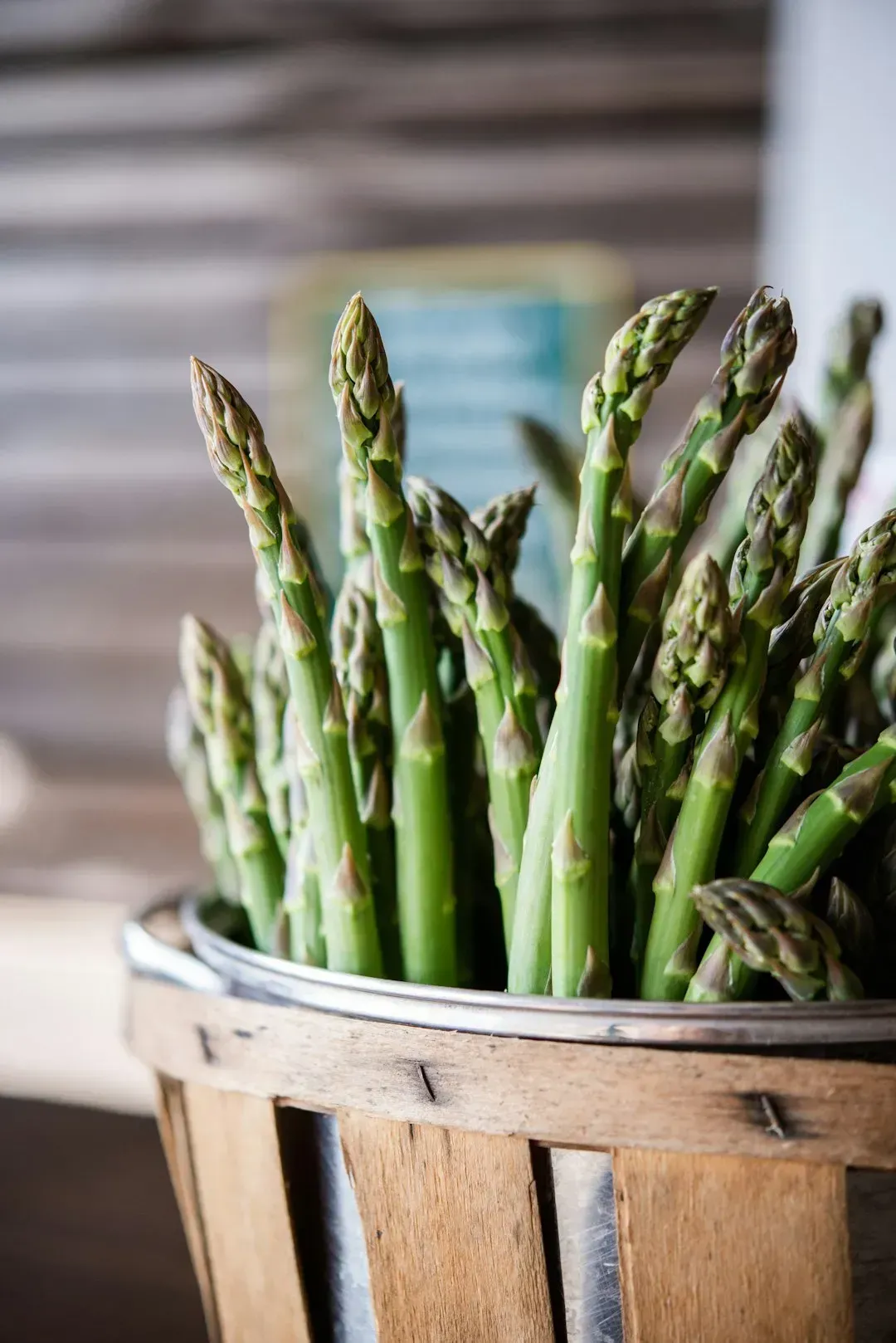
Asparagus (Image Credits: Unsplash)
Asparagus is often the first plant people mention when perennial vegetables come up in conversation, and for good reason. This crop, likely originally found in Europe and western Asia, is very hardy and can be grown between USDA Zones 3 to 8, depending on the exact variety. Once a bed is established, it tends to stick around for a very long time, with some sources noting that plants can live twenty years or more in the right conditions.
The catch with asparagus is patience during the early years. It can take the plants a while to get going, but once they do, gardeners can expect a sizable harvest every spring even from a relatively small bed. One detail worth remembering as the crowns mature is that spears allowed to grow will develop leaves and can create tall ferns which can shade the rest of the garden, so it pays to be thoughtful about where the bed goes.
Rhubarb
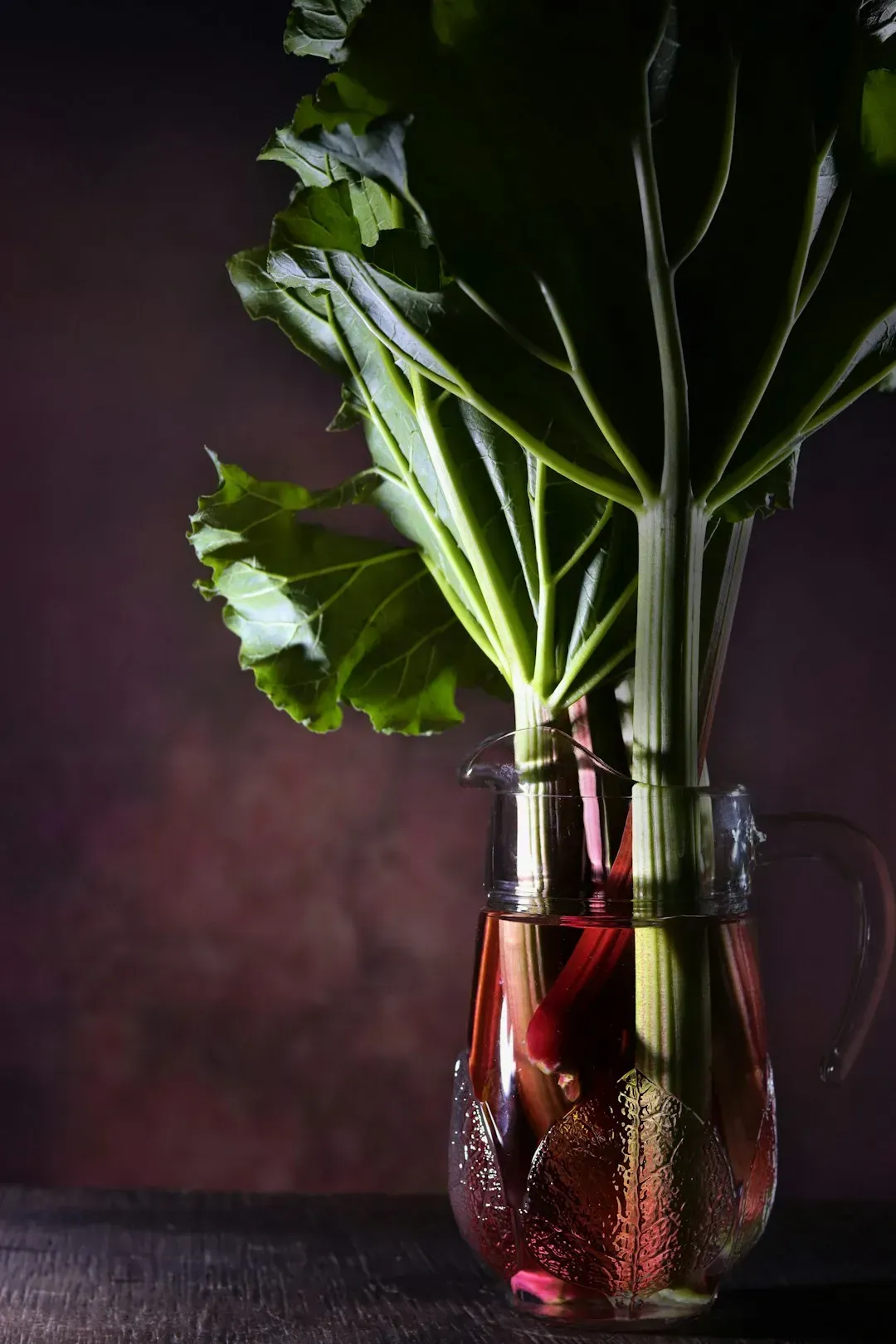
Rhubarb (Image Credits: Unsplash)
Rhubarb has a reputation for outlasting almost everything else in a garden, including the gardener who planted it. Its tart stalks show up early in spring and the plant itself is remarkably tough once settled in. Much like asparagus, rhubarb takes a couple of years to become a permanent member of the garden, though unlike asparagus, some can be harvested the very next year after planting.
Longevity is really the standout trait here. Asparagus can live twenty or more years, and rhubarb can live half a century in the right spot. There’s even folklore around abandoned homesteads where rhubarb plants continue growing decades after everything else has vanished, a small but telling sign of how resilient the crowns are once established in well drained, sunny soil.
Chives
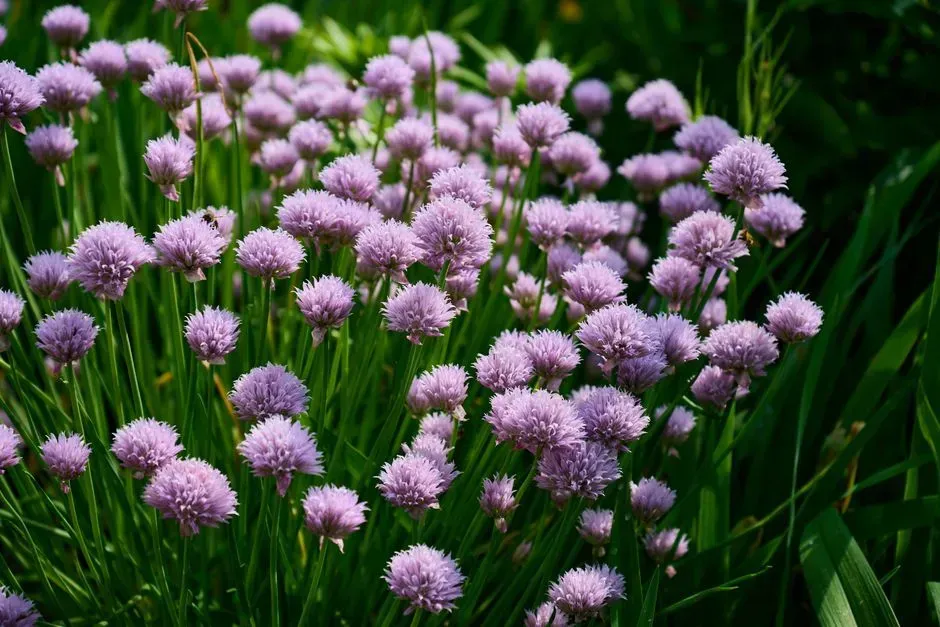
Chives (Image Credits: Pexels)
Chives are about as low maintenance as perennial herbs get, and they tend to be among the first green things to appear after winter. Gardeners across very different climates report the same pattern, small clumps of grassy leaves pushing up while most of the garden is still bare. Many gardeners can count on garlic chives coming up in late winter, along with other members of the perennial onion family.
Beyond their reliability, chives are forgiving about soil and neglect in a way that few other herbs manage. They spread slowly by division rather than aggressively self-seeding everywhere, which makes them easy to contain in a border or raised bed. Their mild onion flavor also makes them one of the more versatile perennial herbs in everyday cooking, showing up in everything from omelets to soups.
Oregano
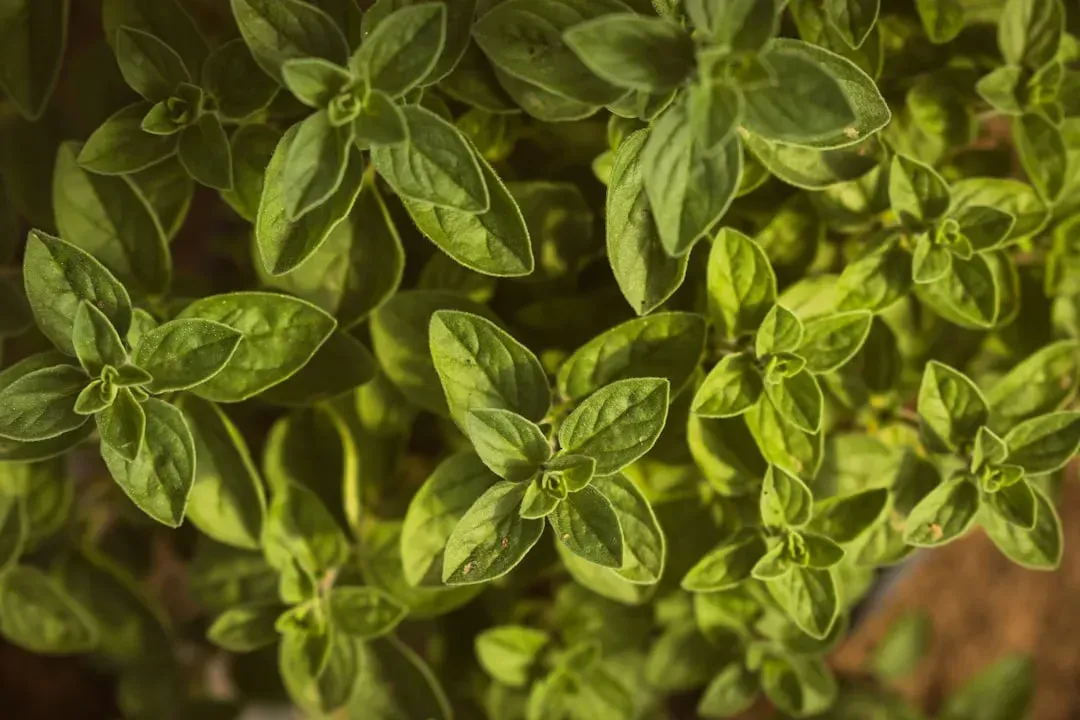
Oregano (Image Credits: Unsplash)
Oregano is a Mediterranean native that adapts surprisingly well to a wide range of North American climates once it has a season to root in. Though some kitchen herbs are annuals, many will easily regrow year after year, and oregano belongs on that list alongside chives, mint, lemon balm, sage, and thyme. It spreads through underground rhizomes, slowly filling in bare patches without becoming unmanageable in most home gardens.
What makes oregano particularly appealing is how little it asks for in return. Planting herbs like this in well drained soil and full sun locations helps ensure they make a comeback each year, though plants left in containers generally do not survive a hard winter freeze. Gardeners in colder regions sometimes move potted oregano indoors for winter or simply plant it directly in the ground where its roots are better insulated.
Thyme
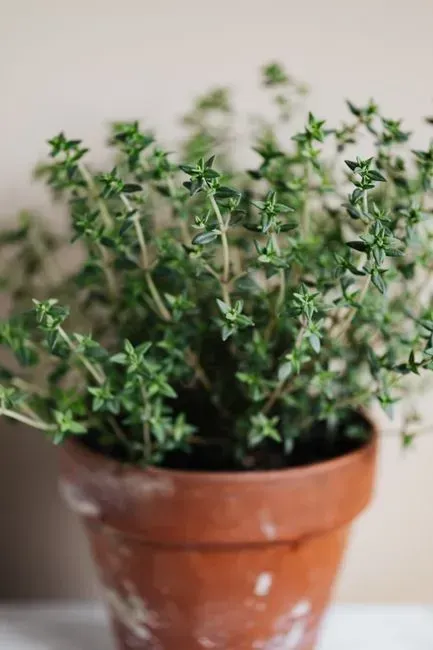
Thyme (Image Credits: Pexels)
Thyme shares oregano’s Mediterranean roots and a similar preference for lean, well drained soil rather than rich garden loam. It forms low, woody mats that survive cold winters far better than most herbs its size, especially once established for a full growing season. Gardeners often use it as a border plant precisely because it tolerates being stepped on occasionally without much complaint.
Its resilience does have geographic limits worth knowing about. Quite a few perennial herbs hail from the Mediterranean, so they may not survive winters below USDA hardiness zone 8, though thyme tends to be hardier than many of its relatives. Even in colder zones, a thick layer of mulch over winter often helps thyme survive conditions that would otherwise kill it.
Sage
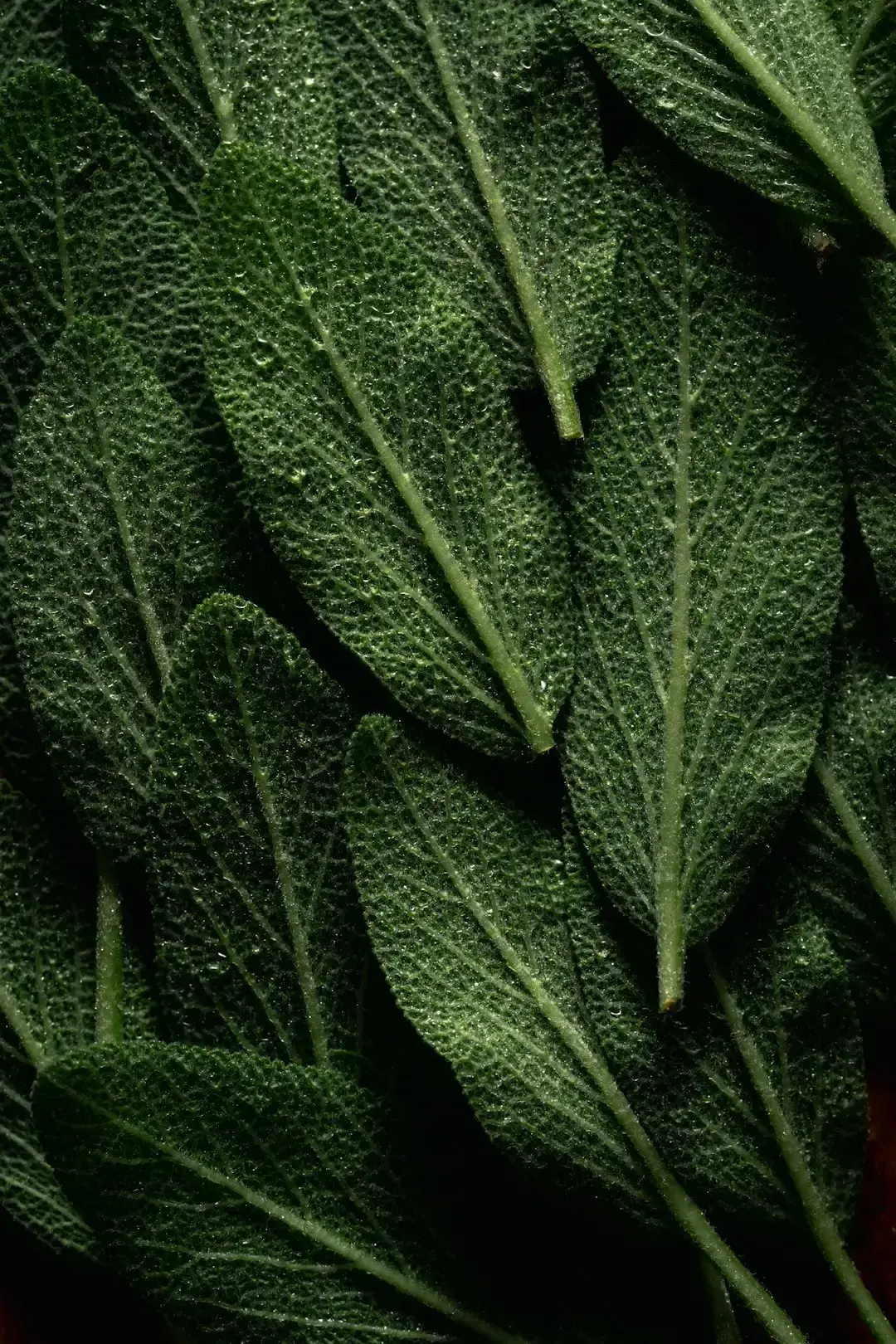
Sage (Image Credits: Unsplash)
Sage brings a woody, almost shrubby structure to the herb garden that sets it apart from softer perennials like chives or mint. Its silvery leaves and sturdy stems suggest a plant built for tougher conditions, and that impression holds up in practice. Sage is regularly listed among the herbs that easily regrow year after year rather than needing to be replanted each spring.
Full sun and sharp drainage matter more for sage than for most other perennial herbs, since soggy winter soil is usually what kills it rather than cold temperatures alone. Established plants can grow into small shrubs over several years, eventually needing an occasional hard pruning to stay productive. Many gardeners find that sage actually improves with age, developing a stronger flavor as the woody base matures.
Horseradish
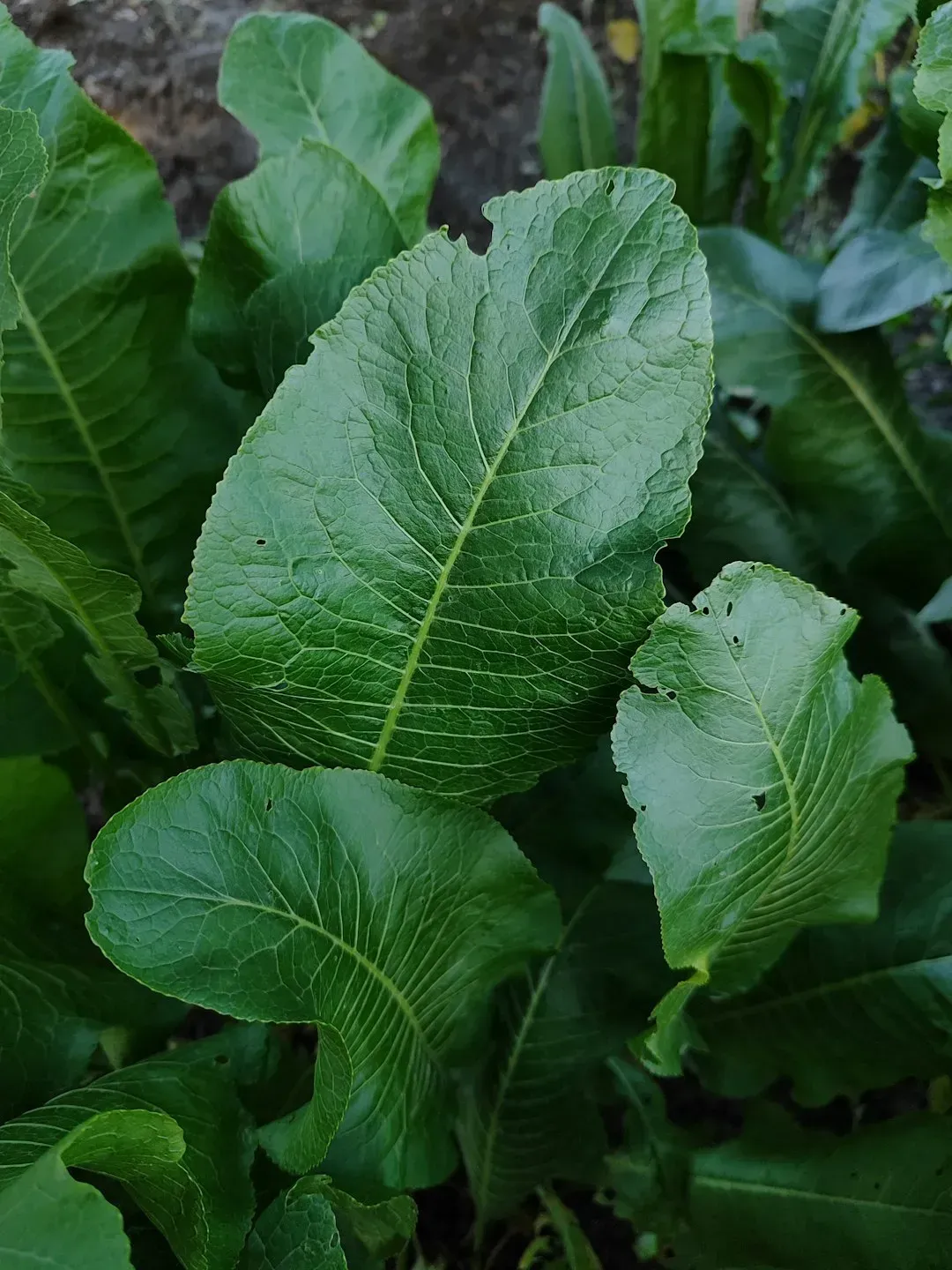
Horseradish (Image Credits: Unsplash)
Horseradish rarely gets the attention that asparagus or rhubarb receive, yet it might be one of the toughest perennial vegetables a gardener can grow. Its thick roots survive winters that kill far more delicate plants, and once planted, horseradish has a well earned reputation for spreading if left unchecked. Many gardeners choose to grow it in a bottomless container sunk into the ground specifically to keep its roots from wandering into neighboring beds.
Harvesting typically happens in fall after the first frost has sweetened the roots slightly, though a portion is usually left in the ground to regrow the following year. Because the plant regenerates from even small root fragments left behind, complete removal can be surprisingly difficult once it’s established. That same stubbornness is exactly why it belongs on a list of vegetables gardeners can count on returning without fail.
Sorrel
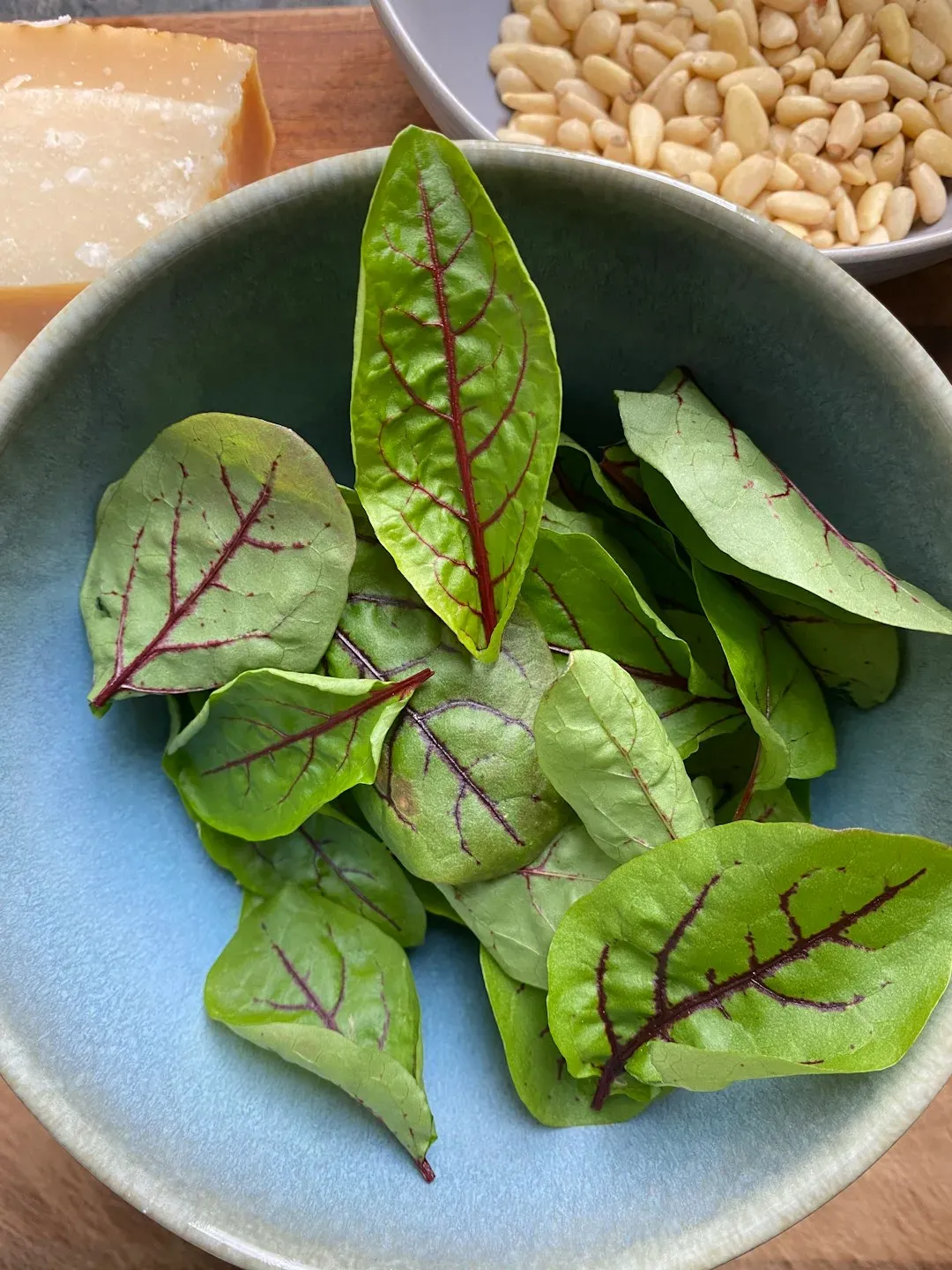
Sorrel (Image Credits: Unsplash)
Sorrel brings a bright, lemony tang to salads and soups that few other perennial greens can match, and it happens to be one of the easier crops to keep alive across a wide range of climates. This zesty, lemony flavored leaf is easy to grow and does well in zones 3 to 9, adding a bright, robust taste to a wide range of dishes. Its cold tolerance makes it a practical choice for gardeners in northern states looking for something green to harvest early in the season.
Care requirements are refreshingly simple compared to some other perennials on this list. Sorrel requires little maintenance beyond about one inch of water per week and grows best when planted roughly six inches apart in a well drained garden bed. Regular weeding matters more than most other interventions, since crowded conditions tend to weaken the plant over time rather than encourage it.
Egyptian walking onions
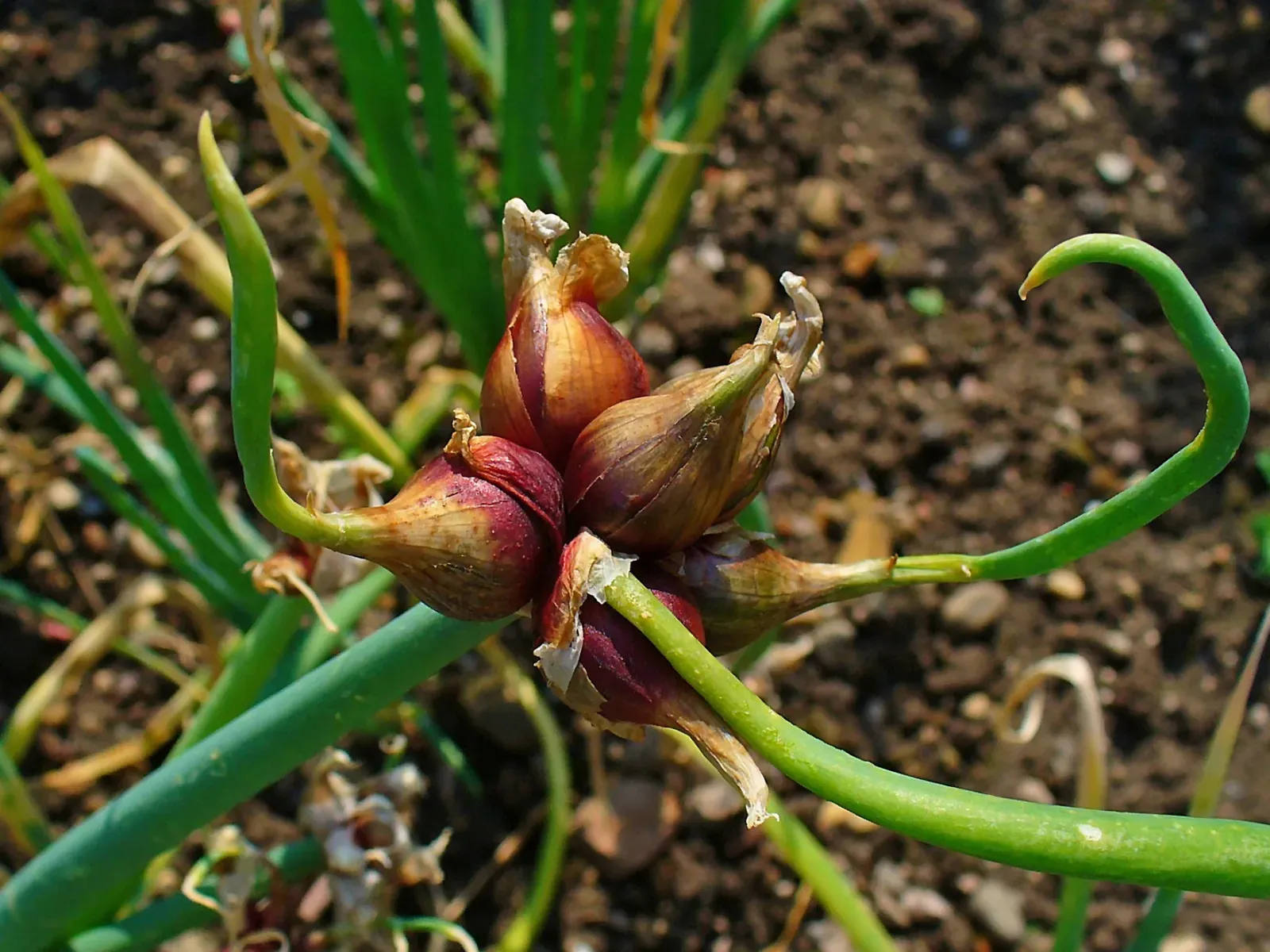
Egyptian walking onions (By H. Zell, <a href="https://commons.wikimedia.org/w/index.php?curid=8982605" target="_blank" rel="noopener">CC BY 3.0</a>)
Egyptian walking onions might be the strangest looking plant on this list, and also one of the most reliable. Instead of producing seeds at the top of their stalks like typical onions, Egyptian walking onions grow a cluster of bulblets where other onions would just grow flowers. When those bulblet clusters get heavy enough, the stalk bends over and roots wherever it touches soil, letting the plant slowly spread itself across a garden bed without any help from the gardener.
Their hardiness is a big part of the appeal. Egyptian walking onions are hardy for USDA planting zones 3 through 9, and they’re hardy enough to emerge every year before many other edibles, often pushing green spikes up from the earth as early as February. Every part of the plant is edible, from the tender spring greens through the mature bulbs harvested later in the season.
Mint
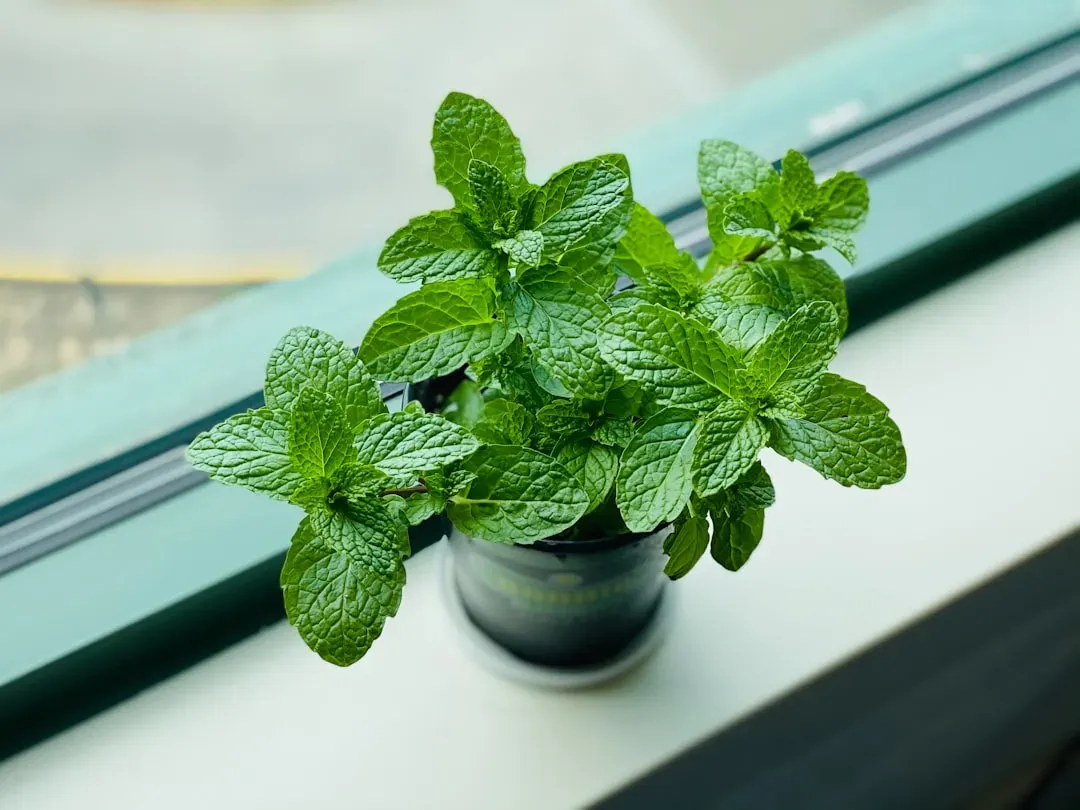
Mint (Image Credits: Unsplash)
Mint deserves a spot on any list of dependable perennials, though it comes with a well known caveat: it spreads aggressively through underground runners and can quickly overtake a garden bed if left unrestrained. Mint is regularly counted among the kitchen herbs that regrow year after year without needing to be replanted, alongside chives, oregano, sage, and thyme. Most experienced gardeners plant it in containers or sink a bottomless pot into the ground specifically to keep its roots contained.
Despite its reputation for taking over, mint’s toughness is exactly why it remains popular decade after decade. It tolerates partial shade better than most herbs on this list, survives neglect, and bounces back from being cut hard multiple times in a single season. For anyone who wants a guaranteed harvest with almost no effort, mint is about as close to foolproof as perennial herbs get.
Choosing even three or four of these plants for a garden bed can noticeably cut down on how much replanting happens every spring. Most of them ask for little beyond decent drainage, a sunny spot, and a bit of patience during their first year or two in the ground. Once established, they tend to reward that patience with the kind of quiet, reliable harvest that annual vegetables rarely offer.