
Closing day is supposed to feel like a finish line. You’ve found the home, survived the negotiation, cleared the inspection, and locked in your rate. Then you sit down at the table and someone slides a stack of documents in front of you with a final number that’s noticeably larger than expected. It happens more often than most buyers realize.
Nearly 91 percent of buyers in the Zillow Consumer Housing Trends Report 2024 said they encountered at least one unexpected cost during the closing process. Some of those costs are genuinely unavoidable. Others, though, are inflated, duplicated, or simply slipped in without much explanation. Here are the ten upcharges worth scrutinizing before you sign anything.
1. Loan Origination Fees That Exceed the Estimate
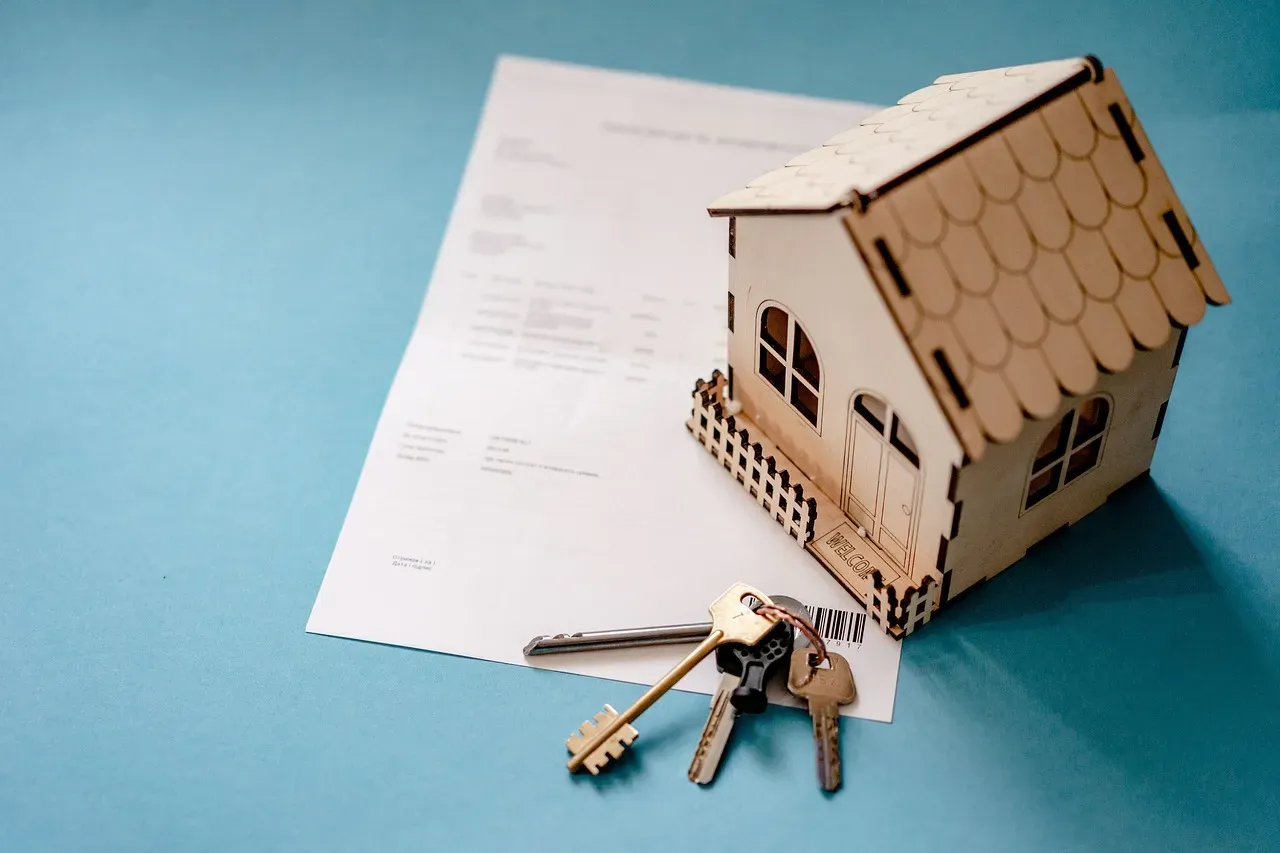
1. Loan Origination Fees That Exceed the Estimate (Image Credits: Pixabay)
For roughly two-thirds of homebuyers, the loan origination fee was the most unexpected cost at closing. It covers the lender’s administrative costs for processing your loan and can range from 0.5 percent to 1 percent of the loan amount. Many buyers don’t fully anticipate it, and it can add thousands to your closing costs.
The loan origination fee is often the most expensive closing cost, and on a $500,000 mortgage, it could reach around $5,000. The problem isn’t just the fee itself – it’s when the final figure on your Closing Disclosure doesn’t match what was on your original Loan Estimate. Lenders are legally required to stay within certain tolerances, so a jump of several hundred dollars without explanation is worth challenging before you sign.
2. Inflated Title Insurance Premiums

2. Inflated Title Insurance Premiums (Image Credits: Unsplash)
Title-related fees at a residential closing generally total around 0.5 to 1 percent of the purchase price, with the median running about 0.67 percent for title insurance and settlement services combined. On a $400,000 home, that translates to roughly $2,500 to $4,000 once you add up the insurance premiums, search fees, settlement charges, and smaller administrative items.
Federal law gives you the right to choose your own title company for services marked as “shoppable” on your Loan Estimate. Agents sometimes steer clients toward affiliated or preferred title companies, which can carry higher rates. Buyers typically have the right to choose their title company, though recommendations often come from the agent or lender. Shopping around independently can produce real savings, especially in states without regulated title rates.
3. Padded Escrow Fees

3. Padded Escrow Fees (mikecohen1872, Flickr, <a href="https://creativecommons.org/licenses/by/2.0/" target="_blank" rel="noopener">CC BY 2.0</a>)
In many states, escrow companies charge either a flat fee, a percentage of the sale price, or both, and you can generally expect escrow fees at closing to range from 1 to 2 percent of the home’s purchase price. For a $400,000 home, the escrow fee could range from $4,000 to $8,000. Those numbers reflect a real range, not a fixed standard, and the gap between providers can be substantial.
Every lender and closing agent bundles closing costs differently. Some may bundle fees like recording fees, courier fees, and notary fees into one line item called “administrative fees.” When fees are bundled this way, it’s harder to compare them against competing providers. Federal law allows you to shop around for certain third-party services, and items like title services or settlement fees may have alternatives. Ask your agent to itemize every escrow-related line before the final disclosure arrives.
4. HOA Transfer Fees and Capital Contributions

4. HOA Transfer Fees and Capital Contributions (Image Credits: Pexels)
An HOA transfer fee is a one-time administrative charge, commonly $100 to $500, for moving ownership records from seller to buyer. It is separate from a capital contribution, a non-refundable buy-in often equal to two to three months of dues that goes to the association’s reserves. Add move-in deposits and per-document portal fees, and a typical condo buyer can face roughly $1,000 to $2,000 in HOA charges at closing that never appeared in the listing.
The HOA transfer fee isn’t always listed in the real estate contract because it is a non-negotiable fee, meaning the buyer can’t negotiate the amount with the seller. According to a January 2026 report by Realtor.com, nearly 44 percent of homes are now subject to a monthly HOA fee, up from 34.3 percent in 2019. The median fee reached $135 in 2025, and many buyers don’t realize they are liable not only for the monthly fee, but also for special assessments and capital contributions at closing. Ask for the full HOA fee schedule in writing before your contingency period ends.
5. Document Preparation Fees

5. Document Preparation Fees (Image Credits: Unsplash)
Sometimes referred to as the Closing Fee, the Settlement Fee covers costs associated with closing operations. Some title companies list out each cost separately, while others bucket everything together. Costs bundled under the Settlement Fee may include escrow fees, survey fees, notary fees, deed preparation fees, and search abstract fees.
A title settlement fee covers document preparation, fund collection and disbursement, signatures, and neutral third-party oversight needed to transfer ownership cleanly. That’s a legitimate service. The problem surfaces when a document preparation fee appears as a separate line item on top of an already-charged settlement fee, effectively billing you twice for the same work. Ask your closing agent to confirm what’s included in each bundled charge to avoid overlapping fees.
6. Rate Lock Extension Fees
6. Rate Lock Extension Fees (Image Credits: Unsplash)
Mortgage rate locks have a defined expiration date, typically 30 to 60 days from the application. When closing gets delayed – even by a day or two – lenders can charge a rate lock extension fee to hold your agreed interest rate in place. These fees are rarely mentioned proactively, and buyers often discover them only when they appear on the final Closing Disclosure.
The closing timeline varies by loan type, lender, and how fast documentation is supplied. As of October 2025, it took the average borrower 41 days to close a conventional purchase mortgage. That’s tight enough that any hiccup – a slow title search, a seller delay, an inspection re-negotiation – can push you past the lock window. Extension fees typically run between 0.25 and 0.50 percent of the loan amount per additional period. Always ask your lender what happens if closing is delayed and what that extension will cost before you need to find out the hard way.
7. Courier and Wire Transfer Fees

7. Courier and Wire Transfer Fees (Image Credits: Unsplash)
The courier fee covers the cost of transporting mortgage documents, and you can expect to pay around $30 if your lender charges it. Individually, that sounds minor. The issue is that courier fees, wire fees, overnight delivery charges, and electronic document fees can appear as multiple separate line items for what is effectively one communication process. The total can quietly add up to several hundred dollars.
Wire transfer fees for sending your down payment and closing funds are charged by both sending and receiving banks, and the amounts vary. Some lenders also tack on processing fees for electronic fund handling that aren’t broken out on the initial Loan Estimate. At least three days before your closing, you’ll receive a Closing Disclosure from your lender. Take the time to compare it line by line with your Loan Estimate, and ask your lender to explain any items that have changed.
8. Prepaid Interest Padding
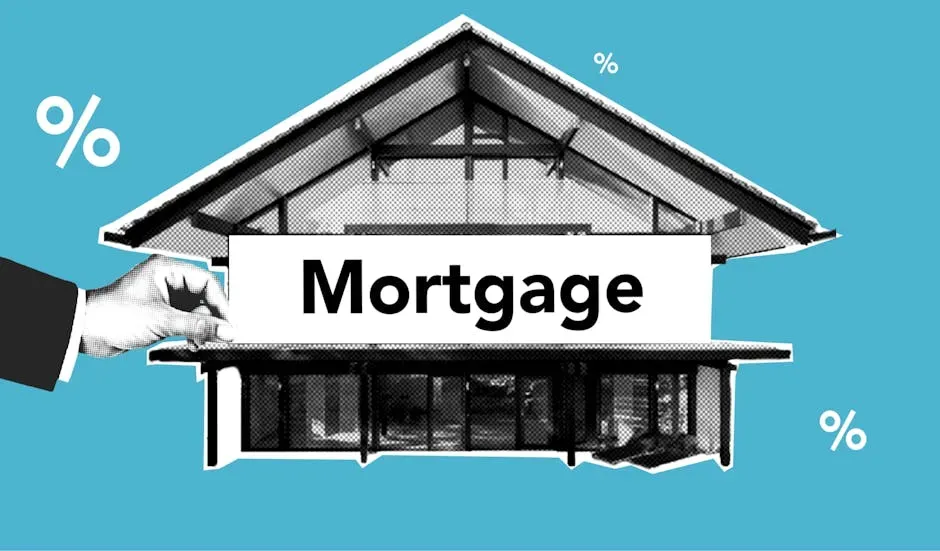
8. Prepaid Interest Padding (Image Credits: Pexels)
Prepaid interest covers the interest that accrues on your mortgage from the day you close through the end of that calendar month. The charge itself is legitimate and required. The surprise comes from when your closing date is scheduled. Closing at the end of the month means you owe only a day or two of prepaid interest. Closing at the beginning of the month means you’re prepaying nearly a full month of interest before your first mortgage payment is even due.
Closing costs typically range from 3 to 6 percent of your loan amount, and buyers receive advance notice of fees via two disclosure documents required by federal law: a Loan Estimate within three business days of the mortgage application, and a Closing Disclosure provided at least three business days prior to closing. What many buyers don’t realize is that the closing date itself is often negotiable. Requesting a closing date toward the end of the month can meaningfully reduce the prepaid interest line on your settlement statement.
9. Credit Report and Underwriting Fee Duplication

9. Credit Report and Underwriting Fee Duplication (Image Credits: Unsplash)
Lenders charge a credit report fee of approximately $30, which covers collecting your credit report from all three credit bureaus. During underwriting, lenders may also charge a credit supplement fee to verify that information on your loan application is up to date. This doesn’t occur on every loan, but sometimes the initial report occurred in the prior month and the lender requires a more recent one.
Credit report fees typically run $30 to $50 to review your credit history, and underwriting fees range from $400 to $600 to evaluate your application and financial documents. When both fees appear as separate line items and a credit supplement charge is added on top, you can find yourself paying three separate charges for what is essentially credit verification. Ask your lender to confirm whether each fee is distinct work or whether any charges overlap before closing day.
10. Agent Commission Charged to Buyers Under New Rules

10. Agent Commission Charged to Buyers Under New Rules (Image Credits: Unsplash)
Buyers are now responsible for their real estate agent’s compensation, which was traditionally paid by the seller until 2024. This fee is entirely negotiable, but may add another 2 to 3 percent of the purchase price if the seller is unwilling to help cover this expense. Many buyers don’t realize this shift has happened, and the fee can land on their side of the closing statement as a surprise.
A Redfin analysis found that average buyer’s agent commissions barely budged after the new rules took effect. In October 2024, the rate was 2.34 percent, nearly identical to the prior period. By the first quarter of 2025, commissions had actually ticked up to 2.40 percent. Adding to the lack of transparency, most states didn’t require buyers to sign an agreement with the agent representing them, meaning many buyers had no idea how much their agent was being paid from the transaction. Under the current rules, buyers must now sign written agreements upfront, so the commission should never be a closing-day discovery – but confirm it explicitly before your deal moves forward.
The total dollar impact of these ten charges combined can easily run into several thousand dollars above what buyers initially budgeted. According to a 2025 report from Lodestar, a closing cost data provider, closing costs for a borrower buying a single-family home average $4,661 – and that figure doesn’t include real estate agent commissions. Reviewing your Loan Estimate carefully, comparing it line by line to your Closing Disclosure, and asking direct questions about every unfamiliar charge are the most effective tools a buyer has. The closing table is not the place to be polite about fees you don’t understand.