
There’s a certain kind of humor that seems to travel through generations without ever losing its punch. Grandfathers everywhere seem to draw from the same mental playbook of jokes, groaners, and gentle jabs that make kids roll their eyes and laugh at the same time. These lines aren’t clever in a sophisticated sense, but they work because they’re delivered with impeccable timing and a straight face that only decades of practice can produce.
What follows is a collection of the classic one-liners that seem to show up at nearly every family gathering, road trip, or bedtime story session involving a grandfather figure. Each one carries its own little history and reason for sticking around this long.
1. "I'm not saying I'm old, but my birth certificate has expired"

1. "I'm not saying I'm old, but my birth certificate has expired" (Image Credits: Pexels)
This line plays on the absurd idea that a birth certificate could somehow have an expiration date, which of course it doesn’t, making the joke land purely on its silliness. Grandfathers love this one because it lets them poke fun at their own age without sounding bitter or self pitying about it. The humor comes from stretching a mundane bureaucratic document into something dramatic and slightly ridiculous.
Kids often respond with confused laughter the first time they hear it, since birth certificates obviously don’t expire, and that confusion is part of the charm. It’s a low stakes way for older generations to acknowledge aging while keeping the mood light. Variations of this joke have circulated in stand up comedy and greeting cards for years, cementing its place in the grandfather joke canon.
2. "Go ask your grandmother, she's the boss around here"
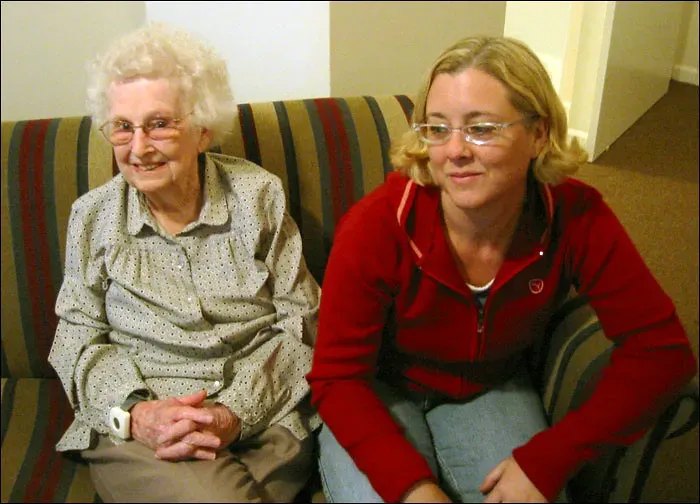
2. "Go ask your grandmother, she's the boss around here" (faster panda kill kill, Flickr, <a href="https://creativecommons.org/licenses/by/2.0/" target="_blank" rel="noopener">CC BY 2.0</a>)
This deflection line is a household classic that lets grandpa sidestep decision making while simultaneously giving grandma a good natured ribbing. It works because it plays into a familiar domestic dynamic that many families recognize, whether or not it’s actually accurate in that specific household. The joke isn’t really about undermining anyone’s authority, it’s about the comedic shorthand of a stereotypical marriage dynamic.
Grandkids often catch on quickly that this is a bit, especially if grandma rolls her eyes or plays along with an exaggerated sigh. The line has stuck around because it requires zero setup and can be dropped into almost any conversation about chores, treats, or bedtime rules. It’s less about the content and more about the comedic rhythm of passing the buck with a wink.
3. "Back in my day, we had to walk uphill both ways to school"
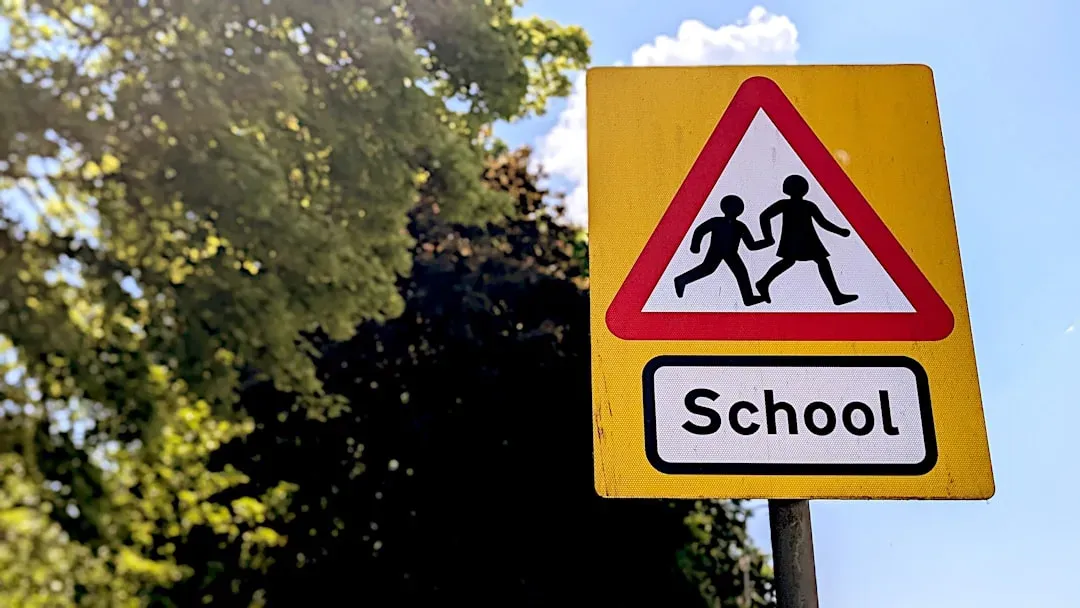
3. "Back in my day, we had to walk uphill both ways to school" (Image Credits: Unsplash)
This exaggeration has been used by older generations for so long that it’s become something of a cultural shorthand for old fashioned toughness stories. The geographic impossibility of walking uphill in both directions is precisely what makes it funny, since kids immediately recognize the logical flaw. It taps into a broader tradition of older generations exaggerating the hardships of their youth for comedic and sometimes nostalgic effect.
The phrase has appeared in various forms across decades of American pop culture, often referenced in movies and television as shorthand for a certain kind of grandfatherly storytelling. Grandkids tend to groan and laugh simultaneously, partly because they’ve likely heard some version of it from multiple older relatives. Its staying power comes from being infinitely adaptable, since the story can be about school, chores, or entertainment depending on the moment.
4. "I used to be indecisive, now I'm not so sure"

4. "I used to be indecisive, now I'm not so sure" (Image Credits: Pexels)
This one is a favorite because it’s a joke that explains itself through its own contradiction, which gives it a satisfying little loop of logic. Grandfathers often use it when grandkids ask them to make a quick decision about dinner, games, or plans for the day. The line rewards kids who are paying close enough attention to catch the wordplay, making it feel like a small shared victory when they laugh at the right moment.
It belongs to a broader category of paradox based humor that has circulated in joke books and internet meme culture for years. Because it’s short and doesn’t rely on any particular context, it can be used repeatedly without feeling stale. Many grandfathers deploy it as a stalling tactic disguised as a joke, which somehow makes it funnier every time.
5. "Why did the chicken cross the road? To get away from you kids"
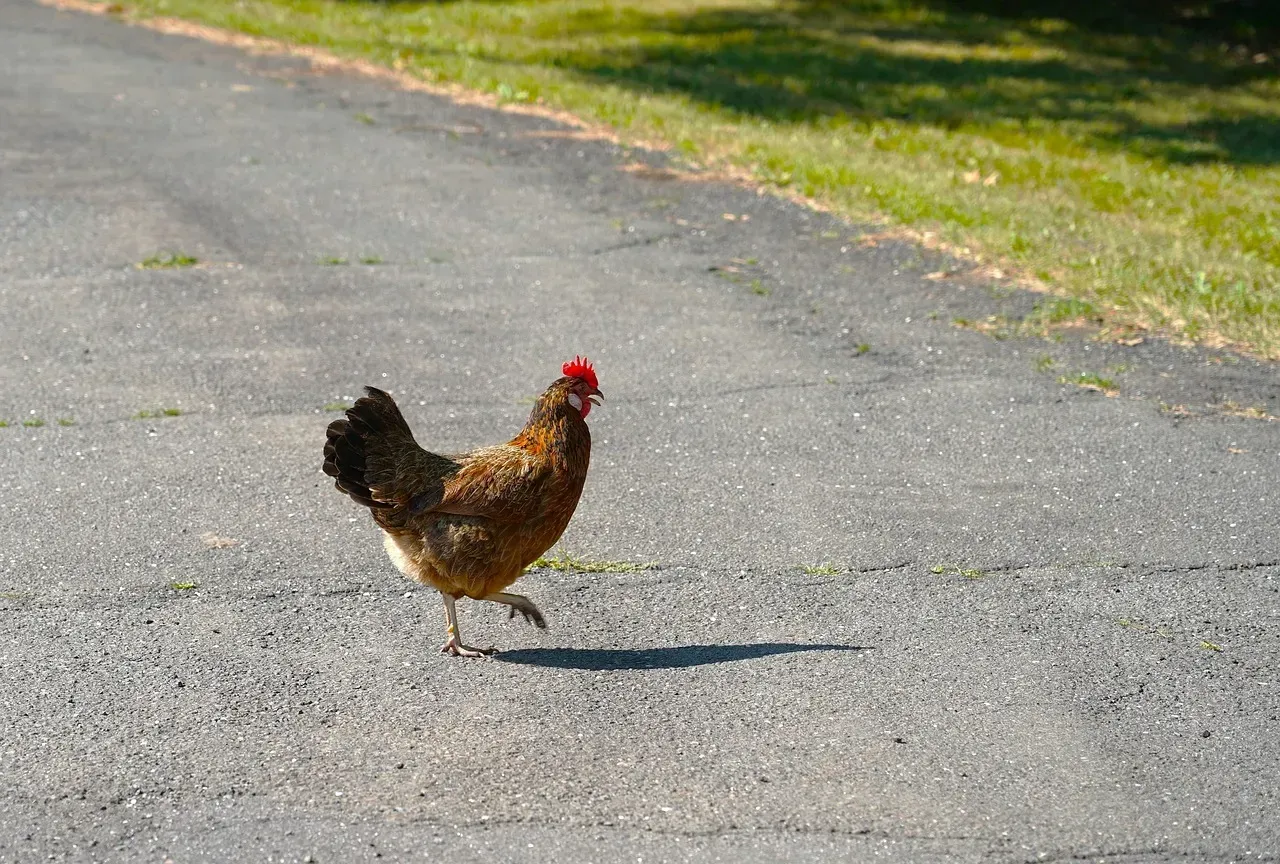
5. "Why did the chicken cross the road? To get away from you kids" (Image Credits: Pixabay)
Taking one of the oldest and most recognizable jokes in the English language and flipping the punchline is a classic move that plays on audience expectations. Kids grow up hearing the traditional chicken crossing the road joke, so the subversion catches them off guard in a genuinely funny way. Grandfathers often personalize the ending further, substituting names or specific mischief the grandkids have caused recently.
The original joke’s roots trace back to the nineteenth century, giving grandfathers a nearly two hundred year old template to riff on. Because the joke format is so universally known, the twist requires almost no explanation, making it an efficient laugh generator. This flexibility is likely why so many grandfathers gravitate toward this particular joke structure for family teasing.
6. "I'd tell you a joke about pizza, but it's a little cheesy"
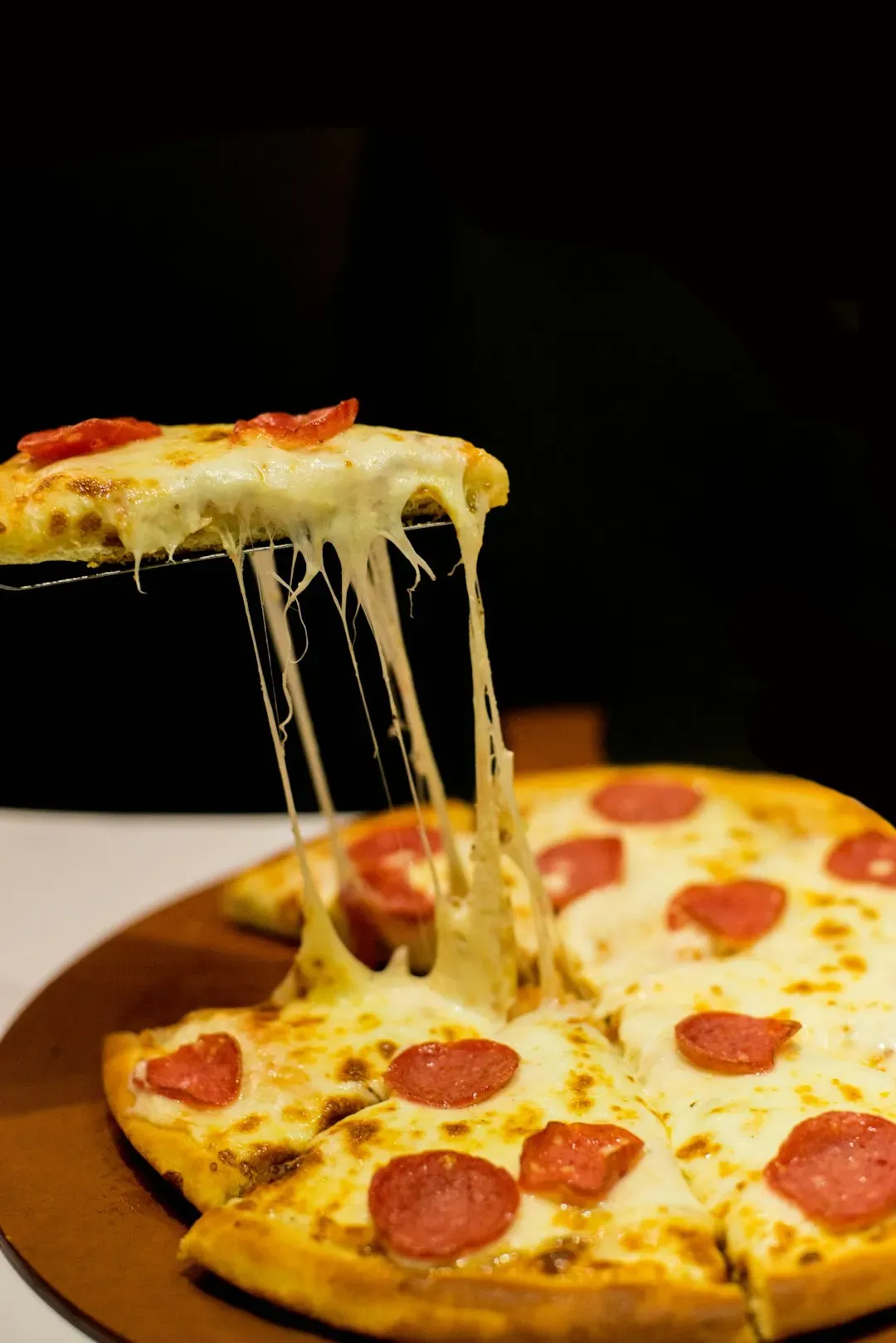
6. "I'd tell you a joke about pizza, but it's a little cheesy" (Image Credits: Unsplash)
Pun based humor like this thrives in intergenerational settings because it doesn’t rely on cultural references that might feel dated to younger listeners. The groan it produces is almost as satisfying to the grandfather as an actual laugh, since eliciting a theatrical eye roll is its own kind of victory. This particular joke follows a well worn pattern of setting up an expectation and subverting it with wordplay tied to food.
Dad jokes and grandpa jokes of this style have become something of an internet phenomenon in recent years, with entire social media accounts dedicated to cataloging them. Their simplicity is part of their appeal, since they can be told in under ten seconds and still land. Grandfathers often collect several of these puns and rotate through them depending on whatever topic comes up in conversation, whether it’s food, weather, or everyday objects.
7. "I'm on a seafood diet, I see food and I eat it"

7. "I'm on a seafood diet, I see food and I eat it" (Image Credits: Unsplash)
This wordplay joke relies on the homophone confusion between the phrase seafood diet and the literal act of seeing food, which is exactly the kind of simple linguistic trick that tends to appeal across age groups. Grandfathers often deliver this one while reaching for a second helping at dinner, using the timing of the meal itself as part of the punchline. It’s become such a widely recognized joke that many people can’t pinpoint exactly where they first heard it, which speaks to how deeply embedded it is in casual humor culture.
The joke works particularly well with younger kids because the pun is easy to understand once explained, giving them the satisfaction of getting it. Its self deprecating angle, poking fun at overeating, adds a layer of relatability that keeps it from feeling mean spirited. Because it requires a plate of food as a natural prop, it tends to resurface at nearly every family meal or holiday gathering.
8. "You're not losing a grandson, you're gaining a place to keep your stuff"
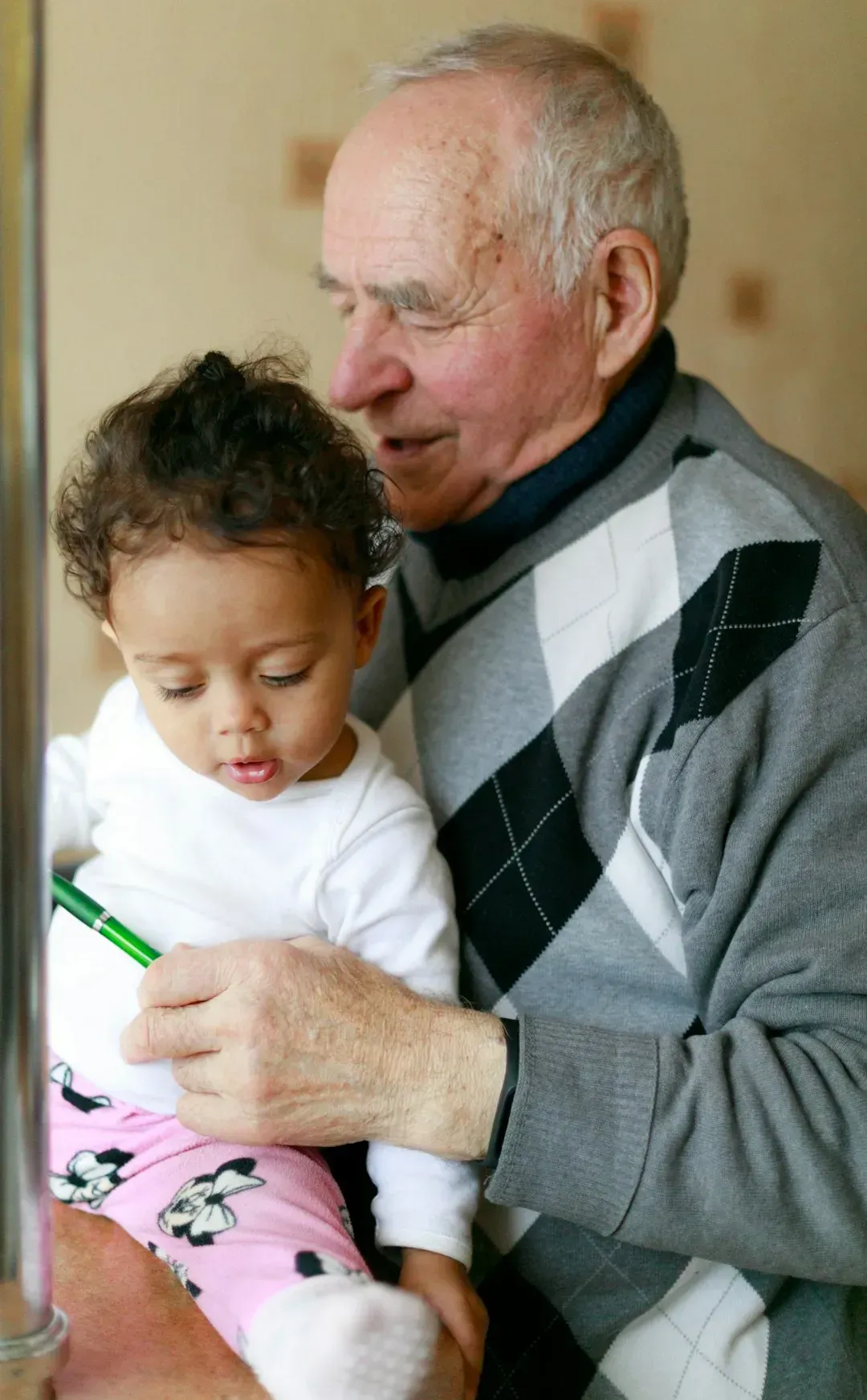
8. "You're not losing a grandson, you're gaining a place to keep your stuff" (Image Credits: Unsplash)
This line often gets rolled out during moments of separation, whether it’s a grandkid heading off to college, a trip, or just walking to their own room after a visit. It flips the sentimental idea of loss into something transactional and slightly absurd, which is exactly where the humor lives. Grandfathers use it partly to soften an emotional moment by injecting some lightness rather than dwelling on the sadness of goodbyes.
The joke also works because it subtly acknowledges the reality that grandparents’ homes often do become storage spaces for grandkids’ old toys, clothes, and keepsakes over the years. That grounding in a relatable truth is part of what makes the exaggeration funny rather than just random. It’s a line that tends to get repeated at different life stages, from childhood sleepovers all the way through young adulthood moves.
9. "I'm not arguing, I'm just explaining why I'm right"
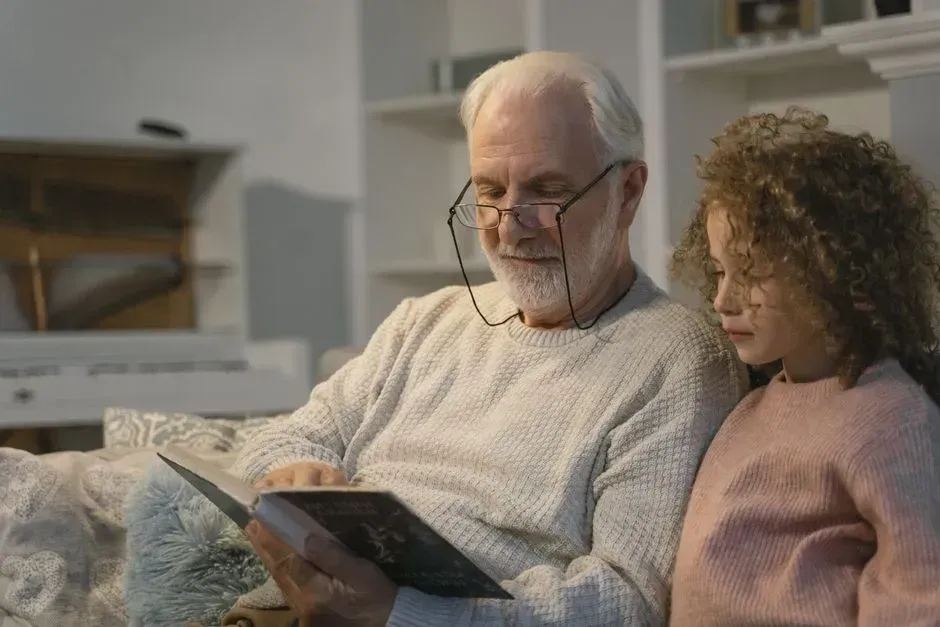
9. "I'm not arguing, I'm just explaining why I'm right" (Image Credits: Pexels)
This one plays on the fine line between a disagreement and a discussion, which is a distinction most kids and even adults recognize instantly. Grandfathers often use it during playful debates about sports, trivia, or family history, where the stakes are low but the pride is high. The humor comes from the self aware admission that the speaker knows exactly how stubborn they’re being, and they’re leaning into it rather than hiding it.
It’s a line that works well because it doesn’t actually resolve the disagreement, it just adds a layer of comedy on top of it. Grandkids often use the line right back at their grandfather during future arguments, which becomes its own inside joke over time. This kind of self referential humor tends to strengthen family bonds because it gets repeated and reshaped across different conversations and contexts.
10. "When I was your age, dinosaurs still roamed the earth"
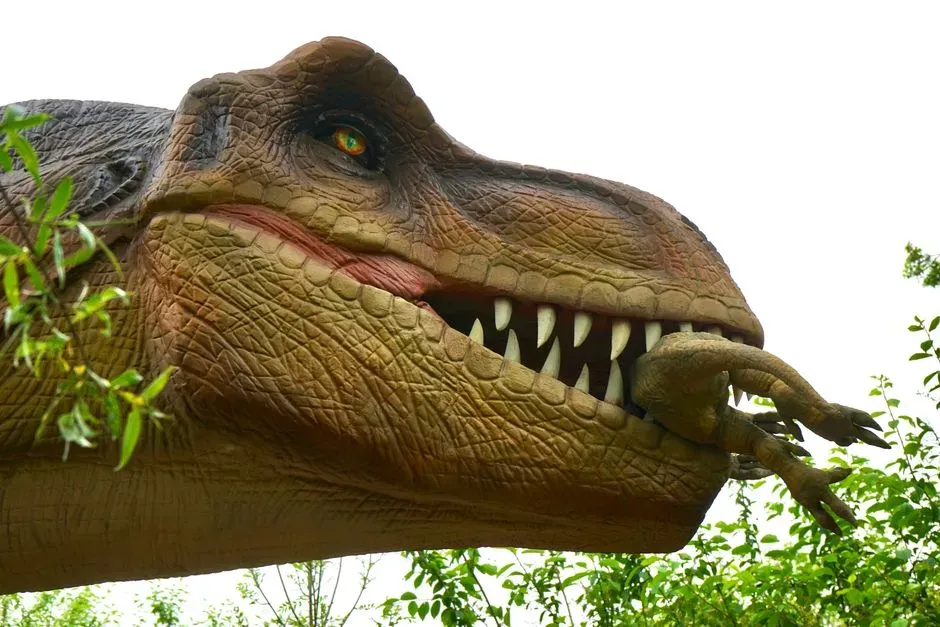
10. "When I was your age, dinosaurs still roamed the earth" (Image Credits: Pexels)
This exaggerated claim about age plays on the extreme end of the same joke family as the uphill both ways school story, pushing the timeline into prehistoric territory for maximum comedic effect. The obvious historical impossibility is the entire point, since everyone involved knows grandpa isn’t actually millions of years old. It’s a joke that works especially well with younger grandkids who are just starting to grasp concepts of deep time and dinosaurs from school or books.
The line often gets used in response to questions about grandpa’s childhood, giving him a chance to dodge a real answer with something clearly ridiculous. Because dinosaurs are such a universally recognized topic among kids, the joke lands across a wide age range without needing much explanation. It remains one of the more enduring grandfather jokes precisely because it combines relatable subject matter, kids love dinosaurs, with an obviously false premise that never fails to get a reaction.
These lines endure not because they’re groundbreaking comedy, but because they’re passed down, repeated, and slightly modified by each new grandfather who picks them up. The timing, the straight face, and the willingness to tell the same joke for the tenth time are really what make them work. That consistency, more than the content itself, is probably why these one-liners keep getting laughs generation after generation.