
Every parent remembers the moment reality didn't match the parenting books. The advice sounded reasonable on paper, yet somehow the baby had other plans, the toddler had a different agenda, and the teenager wrote their own rulebook entirely. Ask parents who've been through it all what they wish someone had told them sooner, and the same themes keep surfacing, quiet lessons learned the hard way, usually at two in the morning or during a meltdown in a grocery store aisle.
What follows isn't a list of rigid rules. It's a collection of hard won insights from parents who've raised kids through toddlerhood, elementary school chaos, and the teenage years, the kind of wisdom that only shows up after you've made a few mistakes first.
1. Sleep training doesn't have to be all or nothing
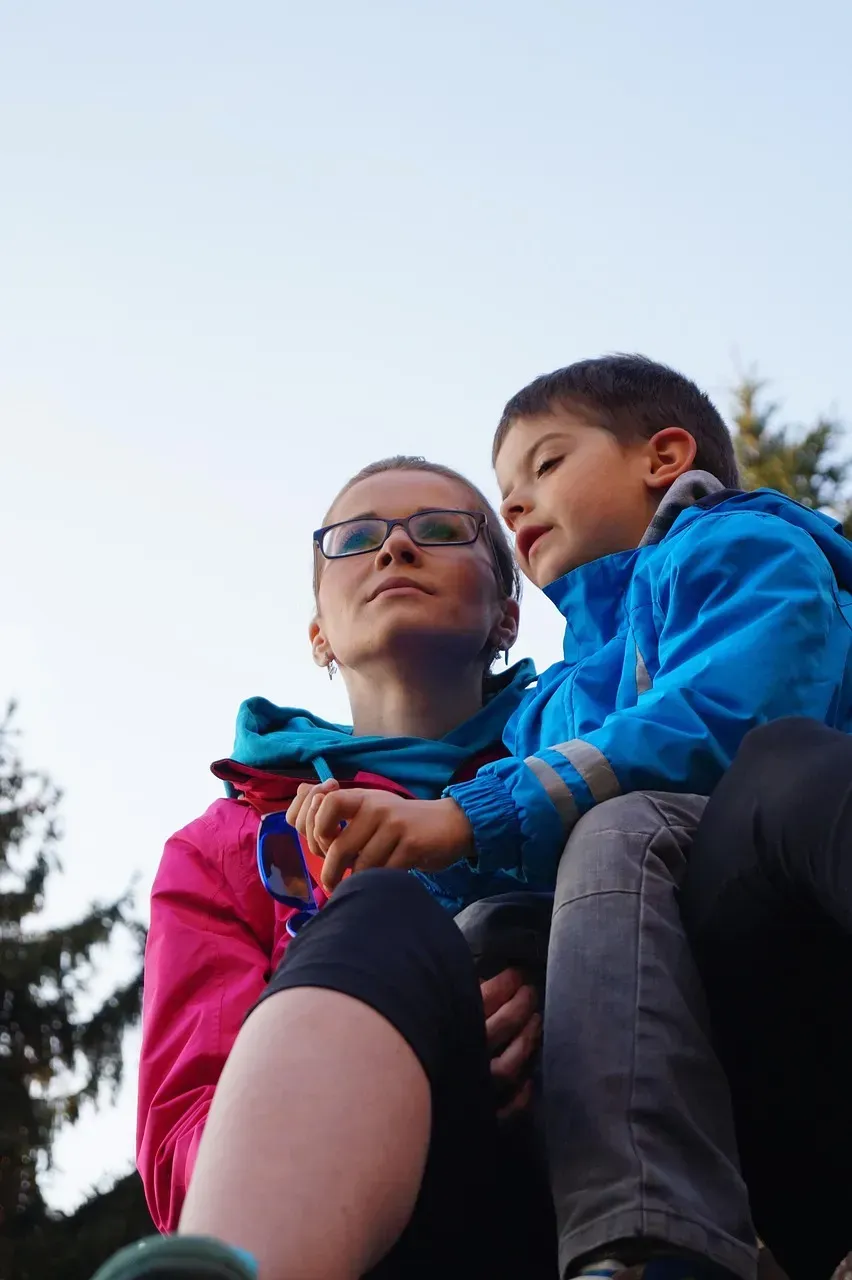
1. Sleep training doesn't have to be all or nothing (Image Credits: Pixabay)
Many first time parents assume there’s one correct sleep method and everything else is failure. Pediatric sleep specialists have increasingly pushed back on this idea, noting that responsive and gradual approaches can work just as well as stricter methods for most families. The American Academy of Pediatrics has emphasized safe sleep practices over any specific training philosophy, leaving plenty of room for parents to find what actually fits their child’s temperament.
Experienced parents often say they wasted months feeling guilty for not following one rigid system perfectly. Once they let go of the idea that there was a single right way, sleep improved because everyone was less stressed. Flexibility, it turns out, matters more than adherence to any particular script.
2. Screen time guilt is often misplaced

2. Screen time guilt is often misplaced (Image Credits: Unsplash)
For years, parents braced themselves against every minute of screen time as if it were a countdown to disaster. The American Academy of Pediatrics has since shifted its guidance to focus less on strict time limits and more on content quality and context, especially for children over two. Co-viewing, discussing what’s on screen, and balancing it with other activities matter more than a magic number of minutes.
Veteran parents frequently admit they spent years in unnecessary conflict over screens that could have been avoided with a calmer, more nuanced approach. Not every show is harmful, and not every non-screen activity is automatically better. Context, as it turns out, does more work than blanket bans ever did.
3. Praise the effort, not just the outcome

3. Praise the effort, not just the outcome (Image Credits: Pexels)
Psychologist Carol Dweck’s research on growth mindset has shaped how many educators and parents now think about praise. Telling a child they’re smart after a good grade can backfire, making them more fragile in the face of failure, while praising effort and strategy tends to build resilience instead. This distinction seems small but changes how kids respond to setbacks later in life.
Parents who learned this later than they wanted often say they spent years accidentally reinforcing the wrong thing. Switching the language, even slightly, toward acknowledging persistence rather than talent alone made a noticeable difference in how their kids handled failure. It’s a subtle shift, but one that compounds over years.
4. Consistency beats perfection every time

4. Consistency beats perfection every time (Image Credits: Pexels)
New parents often chase the perfect response to every tantrum or rule broken, agonizing over getting it exactly right. Child development experts have long pointed out that predictability matters more than precision, kids thrive when they know what to expect, even if the response isn’t flawless. A consistent but imperfect approach tends to build more security than a perfect approach applied inconsistently.
Experienced parents describe letting go of the need to handle every situation ideally as one of the biggest relief points in their parenting journey. Once they focused on being reliably fair rather than flawlessly correct, both they and their kids relaxed. Perfection was never really the goal, even though it felt that way early on.
5. Kids need boredom more than constant activities
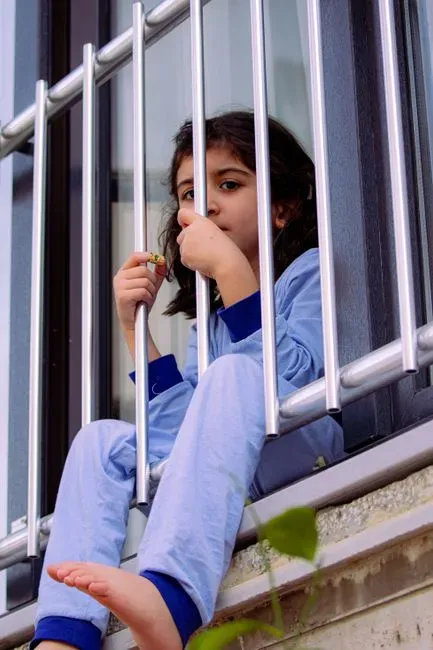
5. Kids need boredom more than constant activities (Image Credits: Pexels)
The instinct to fill every hour with enrichment, playdates, and lessons is understandable, but researchers studying childhood development have noted that unstructured time supports creativity and problem solving in ways structured activities don’t. Boredom, uncomfortable as it feels to watch, often pushes kids toward imaginative play they wouldn’t otherwise discover. Overscheduling can quietly crowd out the mental space kids need to figure out how to entertain themselves.
Parents who over scheduled their children early on often say they regret not building in more downtime. Watching a child stare at the ceiling and then invent an elaborate game from nothing taught them that idle moments aren’t wasted time. It’s counterintuitive, but doing less sometimes gives kids more.
6. Your own stress affects them more than you think

6. Your own stress affects them more than you think (Image Credits: Pexels)
Children are remarkably attuned to parental mood, often picking up on tension long before a word is spoken. Studies on family stress and child wellbeing have shown that chronic parental stress correlates with increased anxiety and behavioral issues in children, independent of specific parenting techniques used. This doesn’t mean parents need to be perpetually calm, but it does mean stress management isn’t a purely personal issue.
Parents further along in the journey often wish they’d prioritized their own mental health sooner, not out of guilt but out of practicality. Taking care of themselves wasn’t selfish, it was part of taking care of their kids. That reframe alone changed how many of them approached self care.
7. Every child truly is different, even in the same house

7. Every child truly is different, even in the same house (Image Credits: Pexels)
Siblings raised in the same household with the same rules often turn out remarkably different, and this isn’t a parenting failure, it’s simply how temperament and individual personality work. What calms one child might agitate another entirely. Applying the exact same strategy across multiple kids can create friction that has nothing to do with fairness and everything to do with fit.
Parents with more than one child frequently mention this as their biggest late lesson, that treating kids identically isn’t the same as treating them fairly. Once they adjusted their approach to match each child’s personality rather than applying a single formula, household tension dropped noticeably. It took time to unlearn the instinct toward sameness.
8. Saying no to yourself matters as much as saying no to them
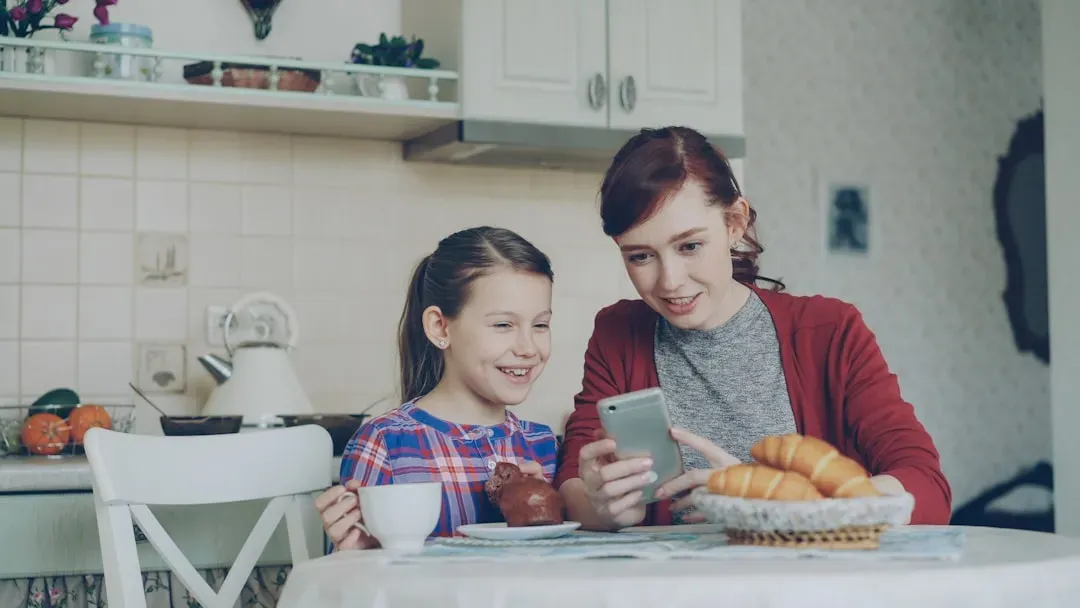
8. Saying no to yourself matters as much as saying no to them (Image Credits: Unsplash)
Modeling behavior turns out to carry more weight than lecturing about it. Kids notice when a parent talks about limiting phone use while scrolling at dinner, or preaches patience while losing their temper in traffic. Behavioral psychologists have long noted that children learn far more from observed behavior than from direct instruction alone.
Parents further into the journey often admit they underestimated how closely their kids were watching them, not listening to them, watching. Adjusting their own habits, even imperfectly, did more to shape behavior than any conversation ever did. It’s humbling, and also oddly motivating.
9. Asking for help isn't a parenting failure
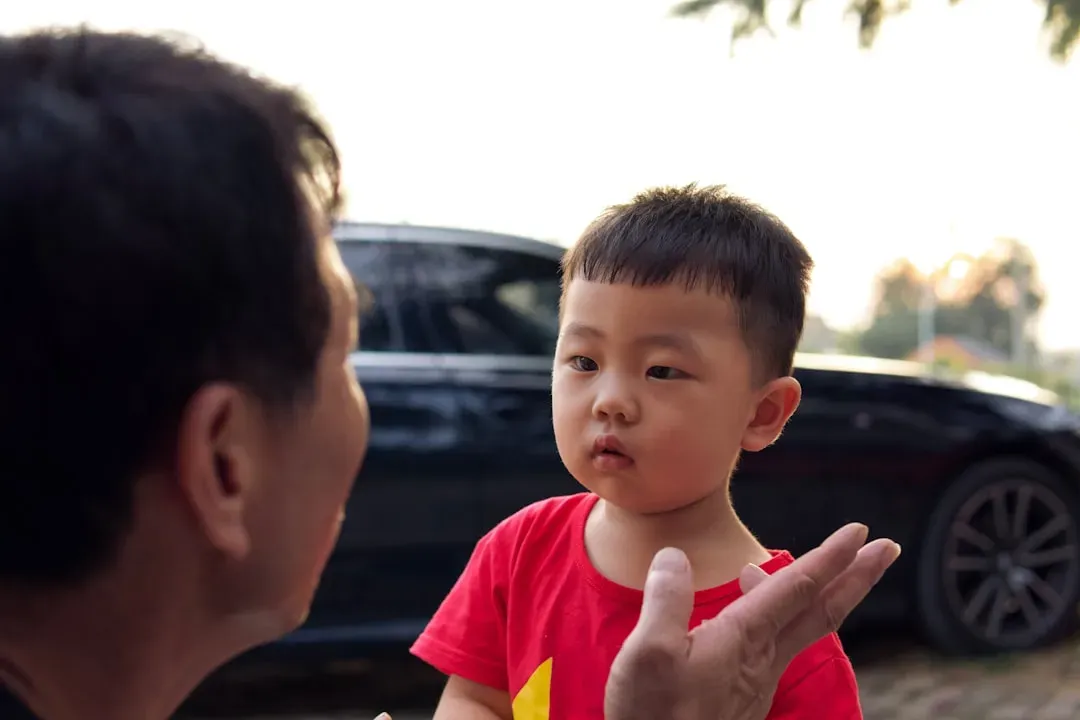
9. Asking for help isn't a parenting failure (Image Credits: Unsplash)
The instinct to handle everything solo runs deep, especially among first time parents determined to prove they’ve got this. Family therapists and pediatricians alike have pushed back on this mindset, noting that isolated parenting tends to increase burnout and reduce the quality of parent child interactions over time. Support networks, whether family, friends, or professional help, aren’t a sign of inadequacy.
Many experienced parents say their biggest regret is waiting too long to ask for help, whether that meant therapy, childcare support, or simply admitting they were overwhelmed. Once they let others in, parenting felt less like survival and more like something sustainable. Pride, it turns out, is an expensive thing to hold onto.
10. The hard phases really do pass, even when they feel permanent

10. The hard phases really do pass, even when they feel permanent (Image Credits: Unsplash)
In the middle of a sleepless newborn stretch or a particularly rough toddler phase, it can feel like the difficulty is the new permanent state of life. Developmental psychologists point out that most challenging phases are tied to specific stages of brain and emotional development, meaning they are, by nature, temporary. This doesn’t make the phase easier in the moment, but it does offer a kind of context that helps some parents cope.
Parents further along consistently mention this as the lesson they wish they’d internalized sooner, that the exhausting stretch they were in wouldn’t last forever, even when it felt endless. Looking back, most describe the difficult phases as surprisingly short in hindsight, even though they felt endless while living through them. Perspective, apparently, only shows up after the fact.
These ten lessons don’t come with guarantees, and no two families will apply them in exactly the same way. What connects them is a simple thread: parenting rewards flexibility over rigidity, and self compassion over self judgment, more often than the early advice suggests.