
There's a particular kind of confidence that comes from eating out in your own city, a rhythm you don't even notice until you're somewhere new and suddenly every move feels slightly off. Locals can spot an out-of-towner within seconds, often before a single word is spoken. It usually comes down to small, unconscious habits rather than anything dramatic.
Some of these tells are practical, tied to how a country's dining culture actually works. Others are more about pacing, body language, or simply not knowing the unwritten rules. Either way, they're worth knowing before your next trip.
1. Asking for the check before you're actually ready to leave
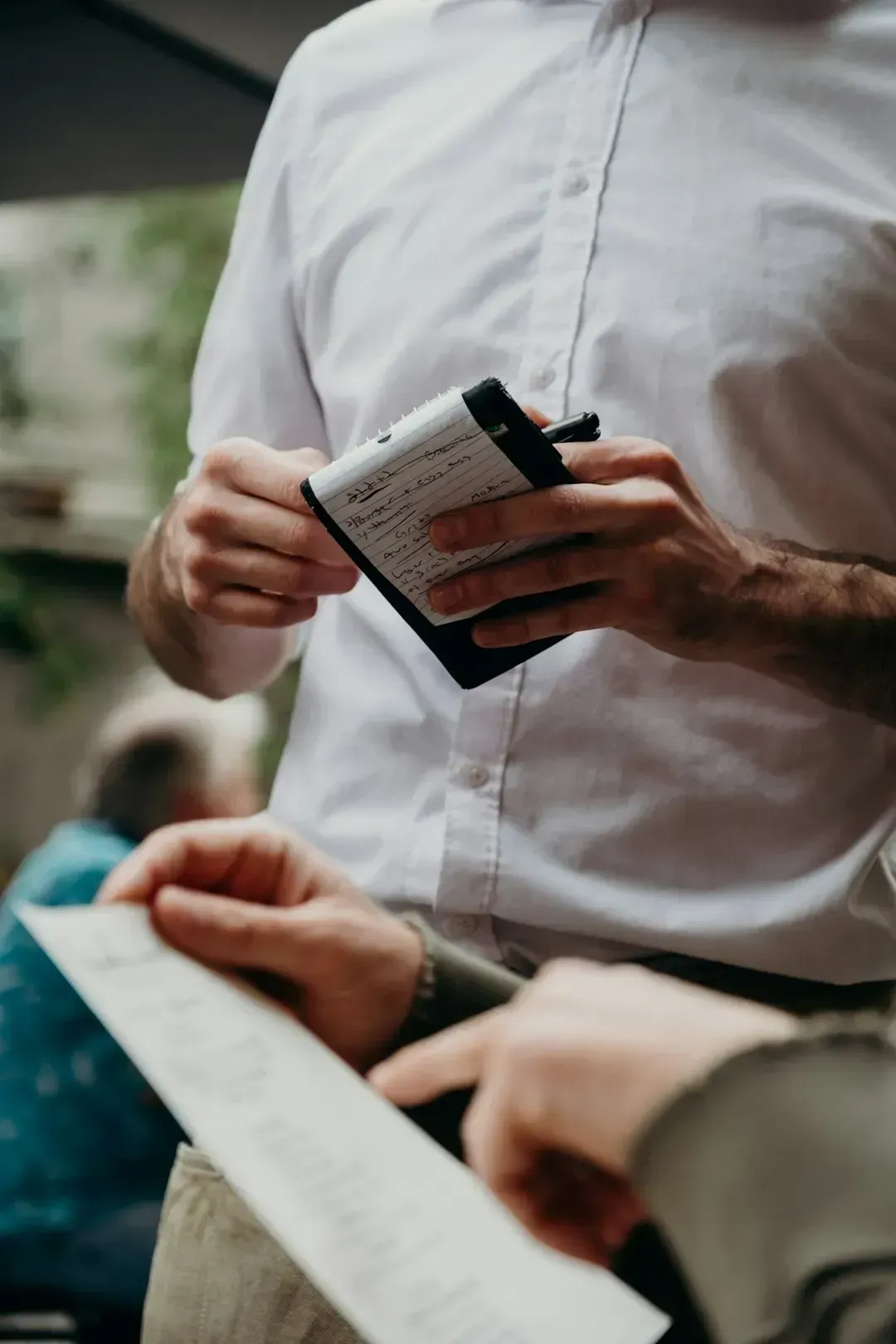
1. Asking for the check before you're actually ready to leave (Image Credits: Unsplash)
In much of the United States, servers bring the bill quickly, sometimes before dessert plates are even cleared, because faster table turnover means more tips. Visitors from that culture often ask for the check the moment they finish eating, assuming the same urgency applies everywhere. In many European countries, this comes across as rushed and slightly rude, since a meal is meant to unfold slowly.
In places like France, Italy, or Spain, tables are considered yours for the evening once you sit down. Servers deliberately avoid bringing the check unprompted because doing so would feel like they’re pushing you out the door. Asking too early signals that you don’t understand this pacing, and locals notice immediately.
2. Tipping the same percentage everywhere

2. Tipping the same percentage everywhere (Image Credits: Unsplash)
Tipping norms vary enormously by country, and applying a flat habit regardless of location is one of the fastest ways to stand out. In the United States, a tip between fifteen and twenty percent is standard practice for sit-down service. In Japan, however, tipping is not customary and can even be seen as confusing or slightly awkward for staff.
In much of Europe, a service charge is frequently already built into the bill, so an additional large tip isn’t expected the way it is in North America. Travelers who tip generously everywhere, or who tip nothing where it’s customary, both reveal themselves as unfamiliar with local norms. A little research beforehand goes a long way here.
3. Sitting down at a counter-service spot
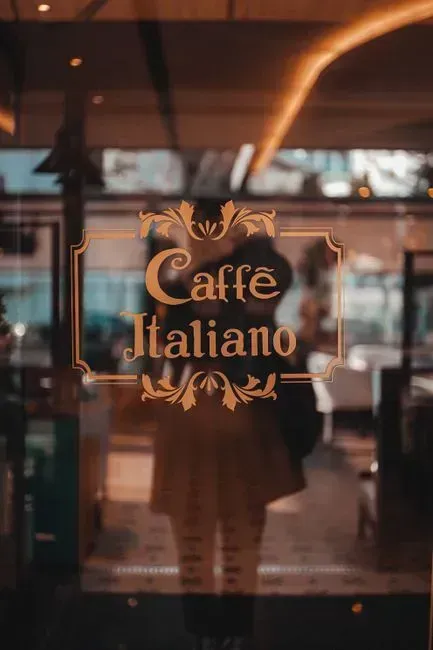
3. Sitting down at a counter-service spot (Image Credits: Pexels)
Many casual eateries, especially in parts of Europe and Asia, operate on a counter-first model where you order and sometimes pay before finding a seat. Tourists often walk in, sit at an empty table, and wait for someone to take their order, not realizing that’s not how the system works. Staff usually have to walk over and explain the process, which is a dead giveaway.
This mix-up is especially common in Italian cafes, where standing at the bar to drink an espresso is standard and sitting at a table can even trigger a different pricing tier. The habit isn’t really about manners so much as missing a structural detail of how the place runs. Once you notice it, it becomes obvious how many small businesses are built around this quick, standing-room culture.
4. Ordering cappuccino after breakfast hours in Italy
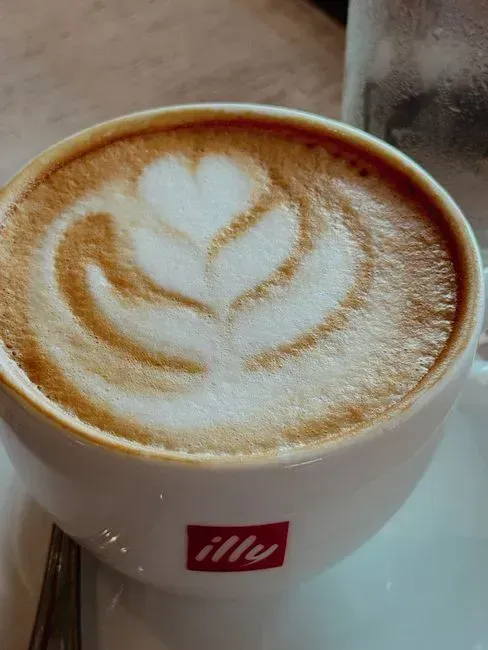
4. Ordering cappuccino after breakfast hours in Italy (Image Credits: Pexels)
This one is almost a cliché at this point, yet it still happens constantly. In Italy, cappuccino and other milk-based coffee drinks are traditionally consumed only in the morning, generally before eleven, because heavy dairy is considered unsuitable for digestion later in the day. Ordering one after lunch or dinner is one of the most recognizable tourist markers in the entire country.
Locals will usually still serve it without comment, since Italians are generally polite about it, but the order itself signals unfamiliarity with local custom. Espresso, on the other hand, is considered appropriate at any hour and is the far more common choice after a meal. Adjusting this one small order can make a noticeable difference in how a visitor is perceived by staff.
5. Photographing every single dish before eating

5. Photographing every single dish before eating (Image Credits: Unsplash)
Taking a quick photo of a beautifully plated dish is common everywhere now, locals included, so this alone isn’t necessarily suspicious. What stands out is when someone rearranges the table, moves candles, or asks a dining companion to hold a phone at a specific angle for several minutes before anyone touches their food. That level of production, especially at a modest neighborhood restaurant, reads very differently than a casual snapshot.
In cities with heavy tourist traffic, staff have grown used to seeing this play out multiple times a night, and they can tell within seconds who is filming for social media versus who just wants a memory. It isn’t against any rule, but it does shift how a table is perceived by everyone around it. A single quick photo blends in far more than an extended set-up.
6. Speaking loudly in a quiet dining room
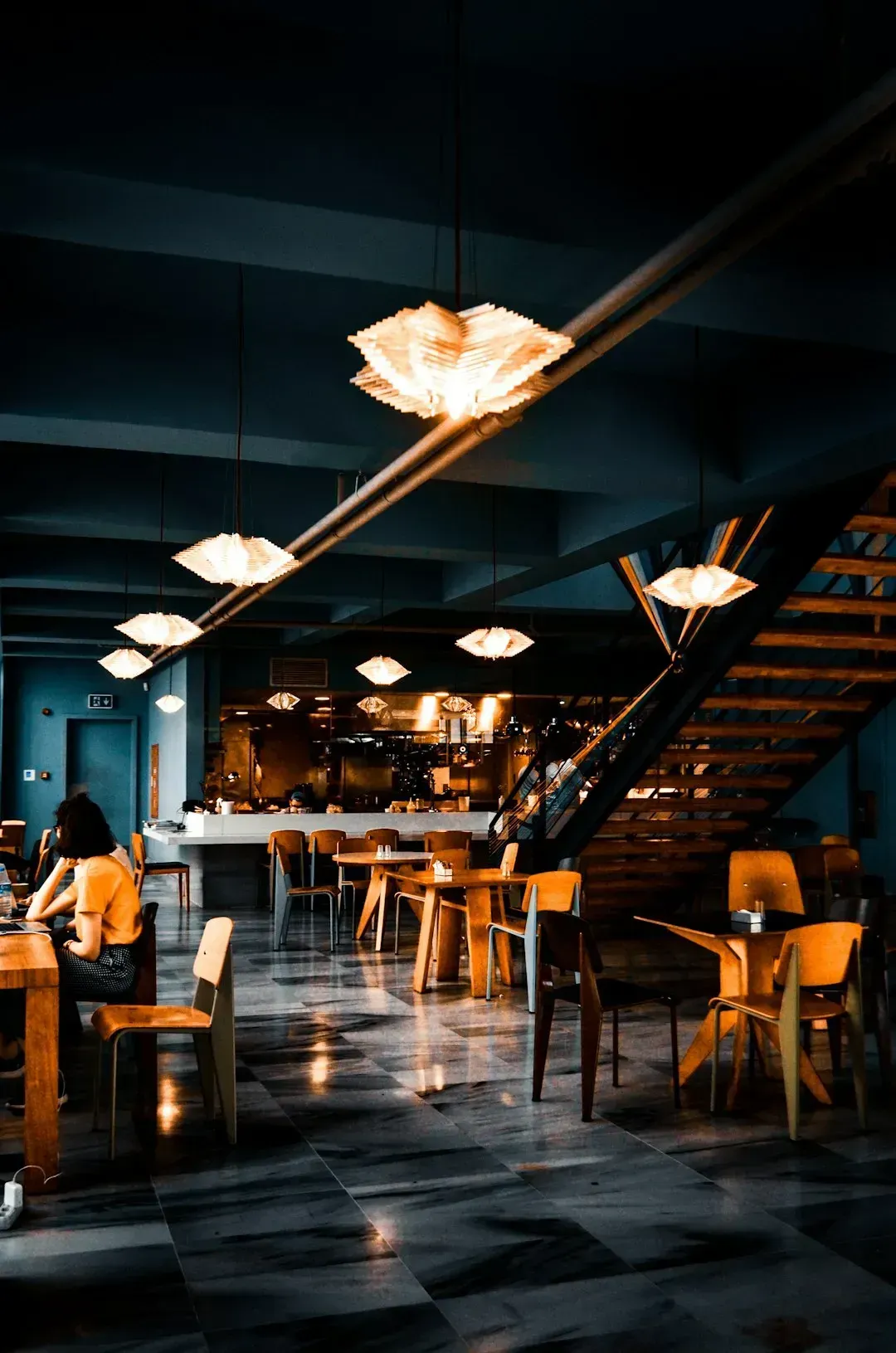
6. Speaking loudly in a quiet dining room (Image Credits: Unsplash)
Volume is one of the more universal tells, and it isn’t tied to any particular nationality. Restaurants in countries like Japan, Germany, and much of Scandinavia tend to have a noticeably lower ambient noise level than what many North American diners are used to. A group speaking at a volume that feels perfectly normal back home can dominate an entire quiet room elsewhere.
This isn’t about being loud in general, since lively, boisterous dining exists in plenty of cultures too, particularly in parts of Southern Europe and Latin America. The mismatch happens specifically when the room’s baseline is quiet and one table doesn’t adjust. Locals tend to modulate quickly based on the room; visitors sometimes don’t notice the cue at all.
7. Expecting free water or unlimited refills
7. Expecting free water or unlimited refills (Image Credits: Pexels)
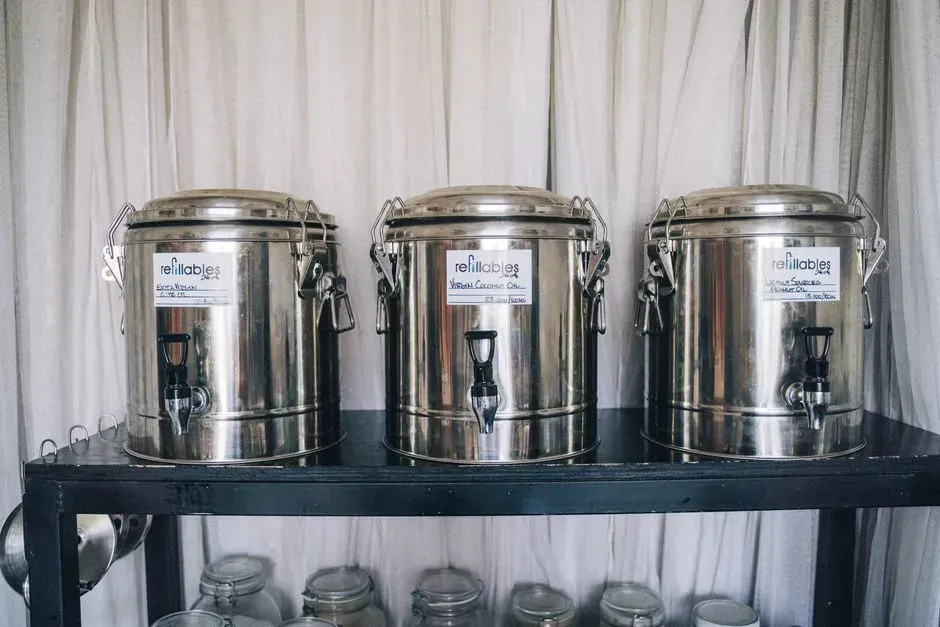
In the United States and Canada, tap water is typically brought to the table automatically and refilled without being asked. That expectation doesn’t travel well. Across much of Europe, water is often a paid item, and asking for free tap water can sometimes be met with a slightly puzzled look, though it’s becoming more accepted in casual spots.
Refills on soft drinks or coffee are another area where habits clash. Free refills are common in American diners and fast-food chains but are far less standard elsewhere, where each drink is usually billed individually. A visitor who assumes refills are automatic, or who seems surprised by a water charge, is signaling unfamiliarity with local billing norms.
8. Wearing gym clothes or flip-flops to a mid-range restaurant
8. Wearing gym clothes or flip-flops to a mid-range restaurant (Image Credits: Pixabay)
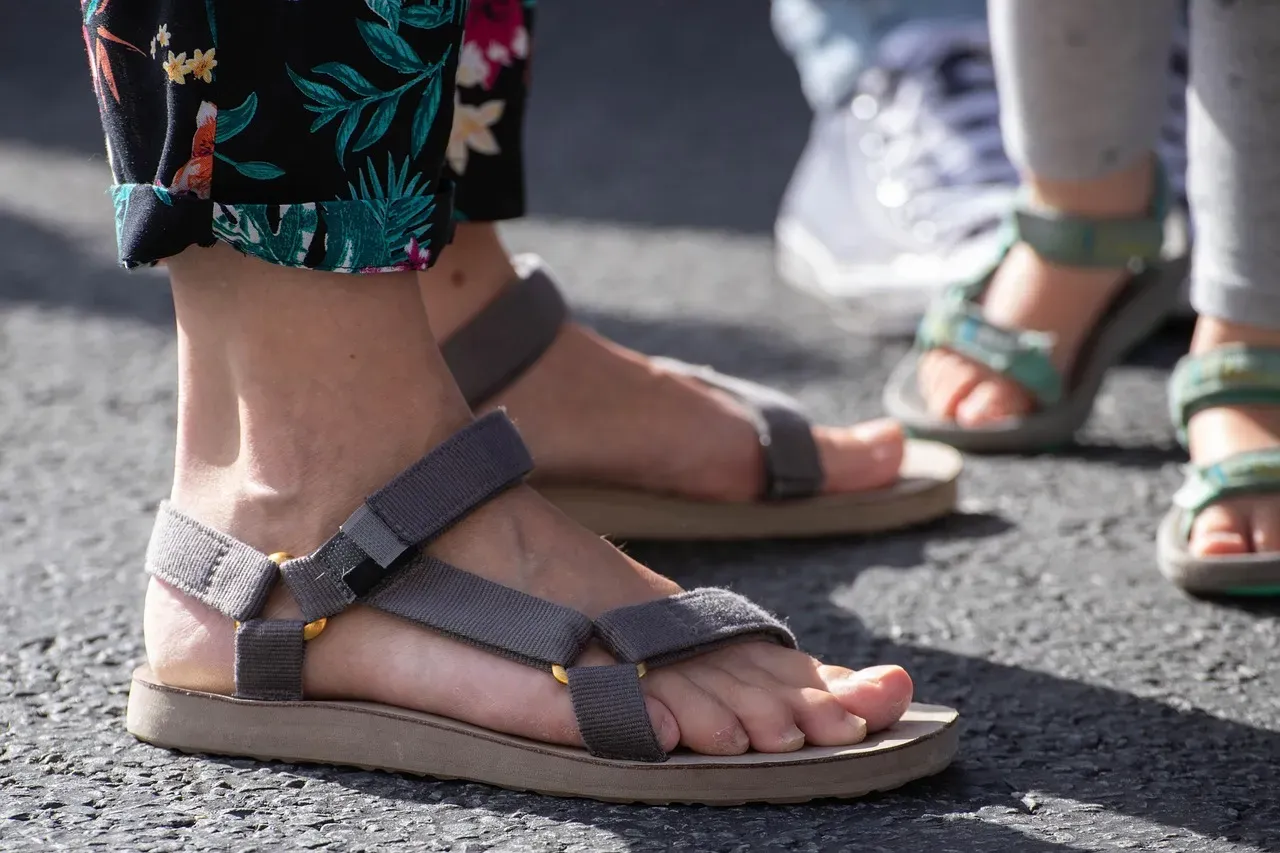
Dress codes have loosened almost everywhere over the past decade, but there’s still a noticeable gap between what counts as acceptable casual wear in different countries. In parts of Italy, France, and much of Latin America, even a casual dinner tends to involve slightly more put-together outfits than the athleisure that’s common in much of North America. Showing up in workout gear or beach sandals at a restaurant that isn’t explicitly casual can mark someone as visiting from outside that local norm.
This isn’t about strict formality so much as local expectations around effort. Many restaurants won’t turn anyone away over it, but staff and other diners notice the contrast immediately. Packing one slightly nicer outfit for dinners abroad tends to smooth this over without much effort.
9. Ordering the most "exotic-sounding" item without asking questions
9. Ordering the most "exotic-sounding" item without asking questions (Image Credits: Pexels)
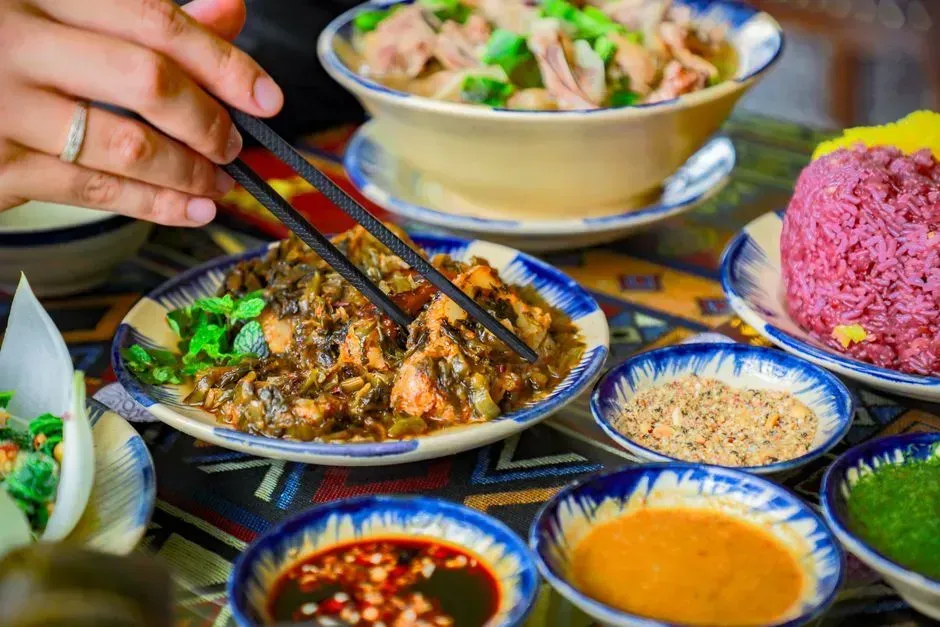
There’s a certain instinct to order the dish with the most unfamiliar name, treating it as an adventurous choice, without asking a server anything about it first. This often results in confusion when the dish arrives, whether it’s spicier, richer, or simply different than expected. Locals ordering the same dish usually know exactly what they’re getting because it’s part of their regular rotation, not a novelty.
Asking a quick question, such as how spicy something is or what the portion size looks like, is completely normal in most dining cultures and rarely seen as odd. Skipping that step and then visibly reacting with surprise at the first bite is one of the more entertaining, and obvious, tourist signals for staff watching from nearby tables. A little curiosity expressed out loud actually blends in better than staying silent and guessing.
10. Trying to pay with cash in a fully cashless country
10. Trying to pay with cash in a fully cashless country (Image Credits: Unsplash)
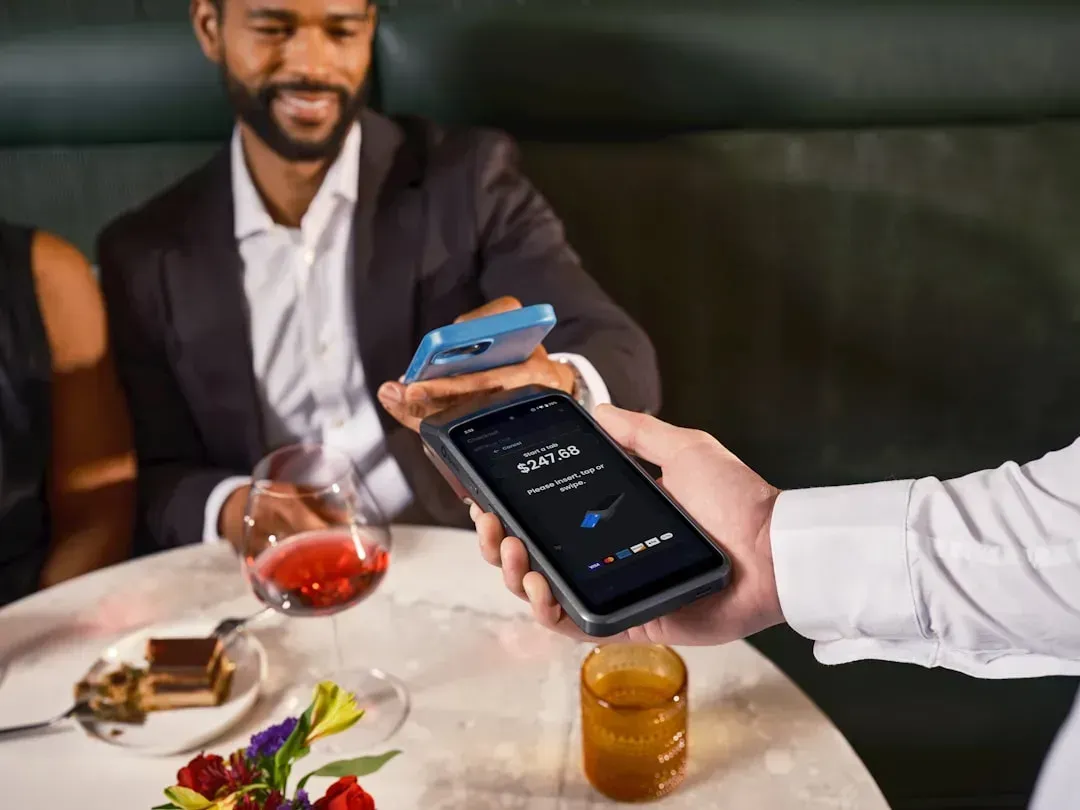
Digital payment adoption varies widely by country, and this gap has only grown since 2023. Sweden, for instance, has moved so far toward cashless transactions that many restaurants no longer accept physical currency at all. Pulling out bills at a register in a country like this often results in a slightly apologetic explanation from staff that they simply can’t process it.
The reverse also happens. In countries where cash remains dominant for smaller, family-run restaurants, tourists relying entirely on tap-to-pay cards can be caught off guard when a machine isn’t available. Checking local payment norms ahead of a trip, rather than assuming home habits will transfer, avoids one of the more logistically awkward moments a traveler can have at a restaurant table.
None of these habits are dealbreakers, and most restaurant staff around the world have seen every version of them more times than they can count. They’re rarely met with real judgment, more often just a knowing glance or a small adjustment made on the spot. Paying attention to local pacing, payment norms, and a few unwritten rules tends to make the whole experience smoother, and occasionally even earns a warmer welcome at the table.