
Most people spend more time researching a new phone than they do preparing for a salary negotiation. That imbalance has real consequences. Not negotiating your starting salary at a new job could cause you to miss out on thousands of dollars a year, and when you add that amount up over multiple years or decades, the financial loss becomes substantial. The math is hard to ignore.
Despite overwhelming evidence that asking for more actually gets results, roughly 55% of job candidates don’t even try to negotiate their starting salary. That gap between what workers accept and what they could earn is where careers quietly lose ground. The following ten mistakes are among the most common, and the most costly.
1. Not Negotiating at All

1. Not Negotiating at All (Image Credits: Unsplash)
Around two thirds of U.S. employees who negotiate their initial salaries get the pay they ask for, yet many people still avoid negotiations entirely, often due to discomfort or a lack of confidence, which can result in missing out on higher earnings. The fear of asking tends to be far worse than the reality of the conversation itself.
Research tends to treat offer withdrawals during negotiations as very rare, focusing instead on the lost benefits of not negotiating. According to a 2024 literature review of several studies, researchers found that managers withdrew offers after counteroffers far less often than job candidates believe they do. Skipping negotiation entirely is, statistically, the costliest choice a candidate can make.
2. Accepting the First Offer Without a Counteroffer

2. Accepting the First Offer Without a Counteroffer (Image Credits: Pixabay)
People who negotiate their salary get an average of nearly 19% more than those who accept the first offer, with some even securing increases of up to 100%. Accepting an opening number without pushing back, even politely, leaves that upside entirely on the table.
Seventy-eight percent of those who negotiate receive a better offer, and more than half get an offer matching exactly what they asked for. Only about 22% of those who negotiate don’t receive a better offer at all. That success rate makes the reluctance to counteroffer one of the most straightforward mistakes to fix.
3. Revealing Your Current Salary Too Early

3. Revealing Your Current Salary Too Early (Image Credits: Pexels)
Revealing your current salary too early in the negotiation process can severely limit your bargaining power. Employers may use that figure as a benchmark, potentially capping your offer below what you might have achieved had you kept it confidential. It’s a natural impulse to be transparent, but timing matters here.
One of the biggest mistakes candidates make is sharing information too early in the process. Once you share it, you can’t undo it, and sharing information actually has no upside, only downside. Keeping salary history close until the right moment preserves leverage that can meaningfully shift the final number.
4. Anchoring Too Low From the Start

4. Anchoring Too Low From the Start (Image Credits: Pexels)
The biggest misstep is anchoring yourself to a low number and never updating that value in your mind, so you end up undervaluing your own contributions. This often happens not through bad strategy but through a genuine underestimation of market value, especially among people early in their careers.
The anchoring effect is powerful, and recent research proves it works in salary negotiations. A University of Idaho study tested this with 200 participants acting as managers making job offers. When a candidate had asked for $100,000, they were offered an average of $35,383, compared to $32,463 in the control group. The direction of your opening number shapes the entire conversation that follows.
5. Negotiating Based on Personal Need Rather Than Market Value

5. Negotiating Based on Personal Need Rather Than Market Value (Image Credits: Unsplash)
A costly pattern observed across salary negotiations is that many candidates anchor their requests on personal needs rather than market value and role impact, explaining what they need for rent or student loans instead of demonstrating why their skills warrant that compensation. Employers are making a business decision, not a personal one.
Many people make the mistake of trying to convince employers they should receive a salary that accommodates their needs, when they should focus on their qualifications instead. The stronger approach is to come prepared with arguments about how you will contribute to the company during salary negotiations. Framing your ask around value delivered almost always lands better than framing it around personal circumstances.
6. Failing to Do Market Research Beforehand

6. Failing to Do Market Research Beforehand (Image Credits: Unsplash)
Salary misalignment is now the single biggest deal-breaker at the offer stage. For candidates, this underlines the value of researching market rates and pushing for transparency before progressing to interviews. Walking into a negotiation without knowing what comparable roles pay is a bit like haggling without knowing the price of the item.
With pay transparency laws expanding to roughly 15 states by late 2025, workers have access to more salary data than ever before. Resources like the Bureau of Labor Statistics, Levels.fyi, ZipRecruiter, and Payscale all publish salary ranges and averages for various roles and industries. There’s little excuse now for going in uninformed, and hiring managers notice when you’ve done the work.
7. Bringing Up Salary Too Early in the Hiring Process

7. Bringing Up Salary Too Early in the Hiring Process (Image Credits: Pexels)
Asking too early about salary is a common misstep. The longer you wait, the more advantage you have in the negotiation process, and the ideal time to discuss salary is when you’ve actually received a job offer. Before that point, your leverage is limited because the employer hasn’t fully committed to wanting you yet.
Making a big pitch when there are still other candidates in the running could mean bidding yourself out of the race. Accepting or rejecting a figure too quickly can also lead to regret. Patience in the timing of compensation conversations is a skill in itself, and it pays off in concrete terms.
8. Ignoring the Full Compensation Package

8. Ignoring the Full Compensation Package (Image Credits: Pexels)
A common mistake is focusing only on base pay, both during negotiation and when making a final offer decision. There are many other factors in a compensation package that may ultimately be more important to you. Bonuses, equity, remote work flexibility, paid leave, and retirement contributions all add up in ways that a base salary number alone won’t reveal.
If you receive a low offer but still want to proceed with the opportunity, consider whether you can bridge the gap through other forms of compensation. If the company can’t increase the base pay, negotiating stock options or retirement contributions can be worthwhile. These can add up too. A skilled negotiator looks at the total picture rather than a single line item.
9. Caving Too Quickly Under Pushback

9. Caving Too Quickly Under Pushback (Image Credits: Pexels)
While a boss may secretly be hoping you don’t push back, they won’t become offended when you do. Rather than quickly giving in, restating your value and getting their buy-in is the stronger move. The first “no” in a negotiation is often just a reflexive response rather than a final answer.
As far back as May 2025, recruiters noticed a rise in employers characterizing their first offer as “best and final” to stave off negotiations. In the past, recruiters considered that practice highly unusual, and the trend coincided with a rise in the percentage of new hires who simply took the first offer without negotiating. Recognizing that framing as a negotiating tactic, rather than a hard limit, can make a significant difference in your outcome.
10. Not Getting the Offer in Writing
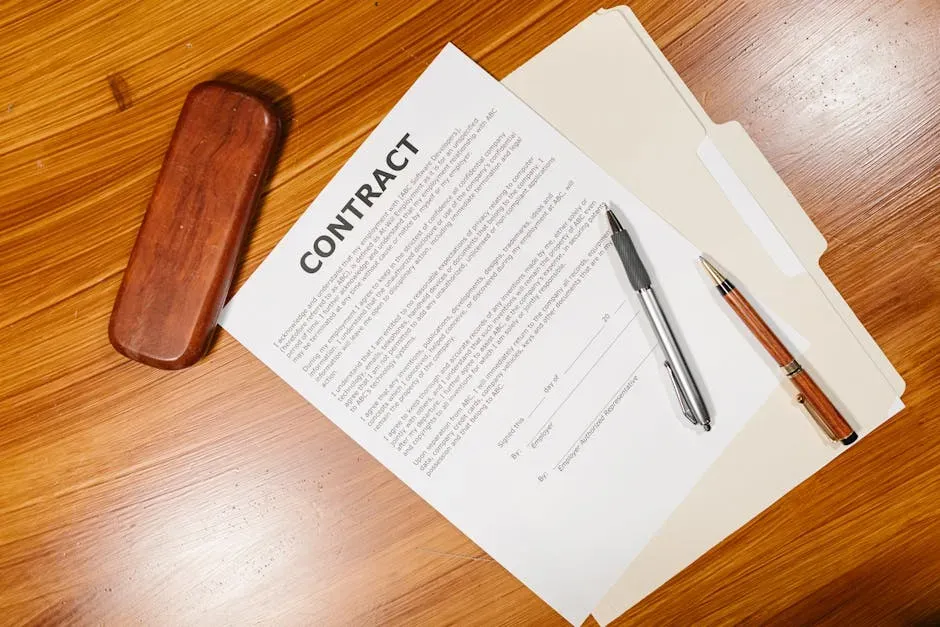
10. Not Getting the Offer in Writing (Image Credits: Pexels)
If you receive an oral salary offer, you should ask for it in writing. Verbal agreements in hiring can shift between the conversation and the contract, and the discrepancy rarely favors the employee. What was discussed and what gets formalized can diverge in ways that are difficult to challenge without documentation.
When you negotiate salary, you’re not just negotiating the number that will appear on your next paycheck. Because most employers give raises in the form of a percentage increase based on current pay, you’re also determining how much you’ll be earning next year, and the year after that. A confirmed written offer is the starting line for every salary increase that follows it. Getting it right at the beginning matters far more than most people realize.
The financial stakes in salary negotiation are real and documented. As economist Linda Babcock of Carnegie Mellon University has noted, failing to negotiate at the beginning of a career can mean leaving anywhere between $1 million and $1.5 million on the table in lost earnings over a lifetime, and that figure doesn’t even include company retirement contributions based on a percentage of salary. The good news is that every one of these ten mistakes is avoidable with preparation, timing, and a clearer sense of your own worth in the market.