
Most people assume they’re nowhere near ready for retirement. It’s a common feeling, partly because the financial media tends to amplify the worst-case stories: not enough saved, too much debt, Social Security in question. The reality, as recent data consistently shows, is more nuanced than that.
A growing body of research from 2024 and 2025 points to a significant gap between how prepared people actually are and how prepared they feel. If you’ve been quietly checking certain financial boxes without giving yourself credit, some of these signs may already apply to you.
1. You're Contributing to a 401(k) – and Your Employer Matches It

1. You're Contributing to a 401(k) – and Your Employer Matches It (Image Credits: Pexels)
This one sounds basic, but the numbers behind it are striking. A recent Betterment report found that roughly nine in ten employees now contribute to a 401(k), reflecting a significant shift in how workers approach long-term saving. Simply being enrolled and contributing consistently puts you ahead of a meaningful portion of the population.
What makes this especially powerful is the employer match. Skipping an employer retirement match means forfeiting an instant 50 to 100 percent return on those matched dollars, which is hard to beat anywhere else. If you’re capturing the full match, you’re building momentum that compounds over decades in ways that are easy to underestimate in the short term.
2. Your Savings Rate Has Reached a Record High
2. Your Savings Rate Has Reached a Record High (Image Credits: Unsplash)
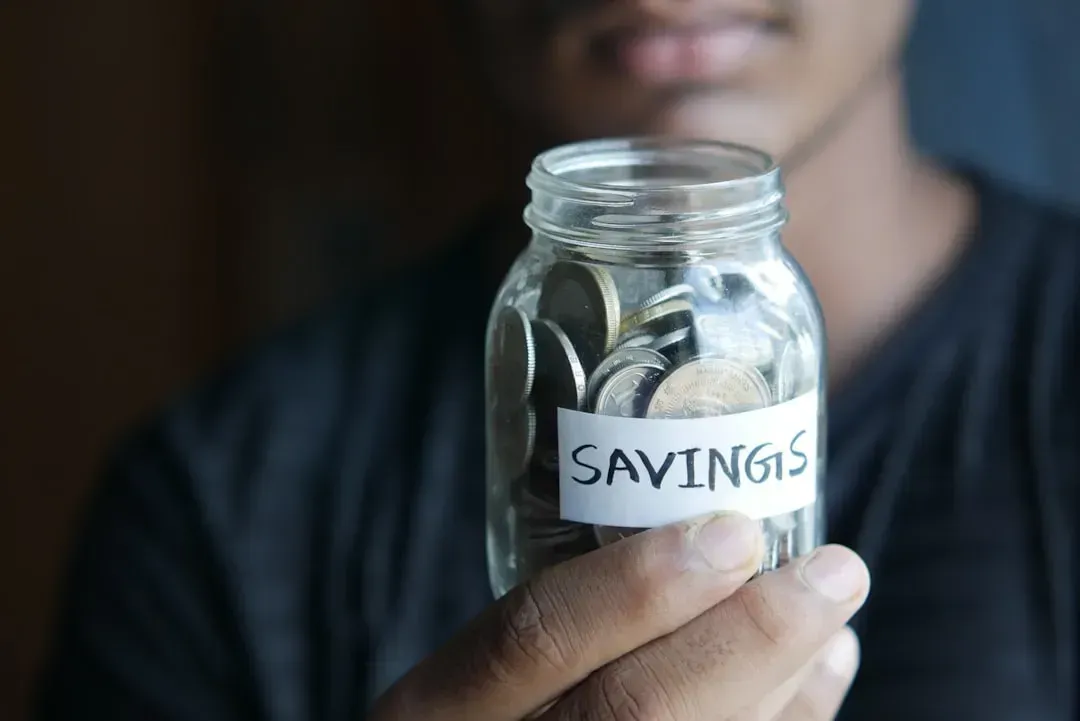
The savings rate among people who actually contribute to retirement accounts has hit a landmark figure. The total 401(k) savings rate for those who contribute is 14.3%, a record high that highlights a wide gap in retirement readiness between savers and non-savers. If you’ve been steadily increasing your contribution percentage over the years, you’re part of this upward trend.
For those in their 60s, the picture is closer to the finish line than many realize. Average balances for people in their 60s reach roughly 88 percent of the recommended ten-times-salary target. At this point, some savers may already be drawing down their accounts, reflecting the natural shift from accumulation to withdrawal, while others still working have balances that remain close to the goal, offering a real measure of readiness as retirement approaches.
3. You've Built a Solid Emergency Fund

3. You've Built a Solid Emergency Fund (Image Credits: Pexels)
An emergency fund might seem unrelated to retirement readiness, but it’s actually one of its most reliable indicators. When unexpected costs arise, people without a buffer tend to raid retirement accounts, triggering taxes and penalties that set them back significantly. Having liquid savings acts as a firewall that keeps retirement funds intact.
According to Betterment’s 2025 retirement readiness report, roughly two thirds of employees report having an emergency fund, marking a five-year high and signaling growing interest in short-term financial stability. The standard recommendation is to have three to six months of living expenses set aside. An emergency fund is a financial safety net that can protect you from unexpected expenses, and the target is at least three to six months’ worth of living expenses.
4. You Have Little to No High-Interest Debt

4. You Have Little to No High-Interest Debt (Image Credits: Pexels)
Debt doesn’t just drain your monthly cash flow. It competes directly with your ability to save and invest. High-interest consumer debt, particularly credit card balances, can silently erode retirement readiness over years and even decades. Getting ahead of this is a bigger accomplishment than most people acknowledge.
Research has found that having little to no debt was cited by 38 percent of financially ready retirees as one of the key factors contributing to their readiness. That’s a substantial share of people pointing to debt elimination as a direct cause of their confidence. Eliminating debt, building a sound budget, and putting adequate insurance coverage in place all come into play in getting retirement-ready.
5. Your Retirement Savings Are Diversified Across Account Types

5. Your Retirement Savings Are Diversified Across Account Types (Image Credits: Pexels)
Holding savings across different account types, such as a traditional 401(k), a Roth IRA, and taxable brokerage accounts, gives you flexibility in how and when you draw down your money in retirement. This kind of tax diversification is something many people stumble into over time without realizing how valuable it is.
How retirement savings are invested has a direct impact on retirement readiness. Having a diversified portfolio not only helps to guard against investment risk but can also lead to asset growth, helping workers achieve their retirement saving goals. Setting aside money in a taxable account can provide flexibility for different goals and improve the tax diversification of your retirement savings. If you’ve been building across multiple account types, even gradually, that’s a quiet sign of real readiness.
6. You Own Your Home and Have Built Equity

6. You Own Your Home and Have Built Equity (Image Credits: Unsplash)
Homeownership isn’t right for everyone, but for those who do own property, the equity built up over years can serve as a meaningful retirement resource. Whether through downsizing, a reverse mortgage, or simply reduced housing costs relative to renters, home equity adds a layer of financial cushion that doesn’t always show up in retirement account statements.
Home equity or ownership was cited by 37 percent of financially ready retirees as a contributing factor to their sense of preparedness. A 2025 Retirement Readiness Index that ranked all 50 states using publicly available data found that key indicators include seniors’ 401(k) balances, retirement income, and homeownership, with the methodology balancing financial stability, affordability, and quality of life to ensure a holistic view of readiness rather than focusing solely on savings.
7. You Have a Realistic Sense of Your Expected Retirement Age

7. You Have a Realistic Sense of Your Expected Retirement Age (Image Credits: Pexels)
Knowing roughly when you plan to retire, even with some flexibility, puts you miles ahead of people who have never thought about it concretely. Having a target helps you calculate how much you need, how long your savings need to last, and whether your current trajectory will get you there. Vagueness is one of the biggest enemies of retirement planning.
Nearly half of Americans say they retired or plan to retire between the ages of 60 and 69, which suggests that most people who have thought about this at all are working with a realistic window. For workers in every generation, saving for longer, delaying Social Security to receive higher benefits later, and reducing the length of the retirement period could each help improve retirement readiness by between seven and sixteen percentage points.
8. You Understand How Social Security Fits Into Your Plan
8. You Understand How Social Security Fits Into Your Plan (aag_photos, Flickr, <a href="https://creativecommons.org/licenses/by-sa/2.0/" target="_blank" rel="noopener">CC BY-SA 2.0</a>)
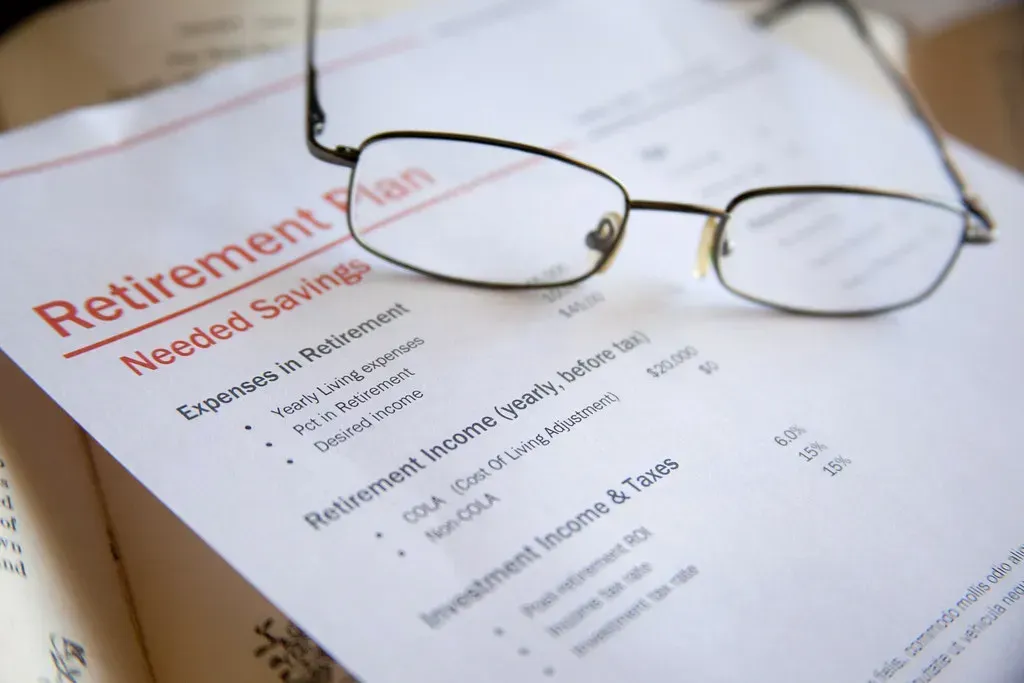
Social Security isn’t a retirement plan on its own, but understanding how it fits into your overall income picture is a sign of genuine financial awareness. With Social Security replacing only about 40 percent of pre-retirement income on average, Americans who rely primarily on it face a meaningful income gap in retirement. Knowing this and planning for it separates thoughtful savers from those who haven’t yet done the math.
Your Social Security retirement benefit increases for every year you delay retiring, up until age 70. People who are aware of this and are actively deciding when to claim based on their own financial picture are demonstrating a level of planning sophistication that directly improves retirement outcomes. The median age for claiming Social Security benefits is 62, but waiting until age 70 can increase monthly benefits significantly.
9. You're Taking Advantage of Catch-Up Contributions

9. You're Taking Advantage of Catch-Up Contributions (Image Credits: Pexels)
For workers in their 50s and early 60s, catch-up contributions are one of the most underused tools available. Many people in this age range feel like they’ve fallen behind, but the tax code specifically provides a mechanism to accelerate savings in the final stretch of a career. Using it signals both awareness and action.
When you hit your 50s, you become eligible to make larger contributions toward your retirement accounts, known as catch-up contributions. In 2025, catch-up contributions are $7,500, meaning that if you contribute the annual limit of $23,500 plus your catch-up contribution of $7,500, that’s a total of $31,000 in tax-advantaged dollars you could be directing toward retirement. Workers aged 60 to 63 can contribute an extra $11,250 to their 401(k) each year through a new increased catch-up provision introduced in 2025.
10. You've Thought Seriously About Healthcare Costs in Retirement

10. You've Thought Seriously About Healthcare Costs in Retirement (Image Credits: Unsplash)
Healthcare is one of the most overlooked and most expensive parts of retirement planning. People who have already factored it into their projections are genuinely ahead. This is an area where even financially savvy savers often have a blind spot, and acknowledging it means you’re working with a more honest version of your retirement picture.
A 65-year-old retiring in 2025 may need roughly $172,500 in after-tax savings just to cover healthcare and medical expenses throughout retirement, a figure that does not include long-term care, which can add tens of thousands more depending on the situation, according to Fidelity’s 2025 Retiree Health Care Cost Estimate. One in five Americans has never even considered healthcare costs in retirement, according to Fidelity’s research, which means that if you have, you’re already in the minority in a meaningful way.
Retirement readiness rarely arrives as a single dramatic moment of clarity. For most people, it builds slowly through accumulated decisions: staying enrolled, resisting the urge to tap savings early, paying down debt one year at a time, and quietly learning how the different pieces fit together. The data suggests that more people are further along than they realize. The gap between readiness and confidence is real, but it’s also something that tends to close once people actually look at the evidence in front of them.