
Every generation of parents thinks they've got it figured out, right up until their kids hand them a phone and ask why they're still doing it "the old way." Parenting styles shift as fast as slang does, and what felt like solid advice twenty years ago can look pretty out of step next to how Gen Z kids actually think, communicate, and cope. Some of these habits are harmless quirks. Others might be quietly creating friction at home without anyone noticing why.
1. You still think "because I said so" is a valid answer

1. You still think "because I said so" is a valid answer (Image Credits: Unsplash)
For a lot of Boomer and even Gen X parents, authority didn’t need explaining. If a kid asked why they had to do something, the answer was often simply that a parent said so, end of discussion. That worked fine in households where obedience was the primary currency of respect.
Gen Z kids, by contrast, are raised in a culture that prizes explanation over command. Mental health awareness and emotional literacy are baked into how younger generations were taught to communicate, so a flat refusal to explain reasoning can feel dismissive rather than authoritative. Kids today are more likely to push back, not out of disrespect, but because they genuinely want to understand the “why” behind a rule.
2. You measure success by grades and degrees alone

2. You measure success by grades and degrees alone (Image Credits: Pexels)
Boomer-era parenting often treated a college degree as the single ticket to a stable life, and grades were the scoreboard that mattered most. That mindset made sense in an economy where a four-year degree reliably led to steady employment and rising wages.
Today’s landscape looks different, with many Gen Z young adults exploring trades, content creation, entrepreneurship, or hybrid paths that didn’t exist a generation ago. Parents who still equate a report card with a kid’s entire future can end up creating unnecessary tension, especially when their child is thriving in a nontraditional lane that doesn’t fit the old formula.
3. You dismiss mental health struggles as "just stress"

3. You dismiss mental health struggles as "just stress" (Image Credits: Pexels)
Older generations were frequently taught to push through emotional difficulty quietly, treating anxiety or sadness as something to be toughened out rather than talked about. That’s part of why terms like therapy or burnout weren’t part of everyday household vocabulary decades ago.
Gen Z, meanwhile, talks openly about mental health, and many see therapy as a normal form of self-care rather than a last resort. When a Boomer-style parent brushes off a teen’s anxiety as laziness or overreaction, it doesn’t just miss the point, it can actively discourage a kid from seeking help when they genuinely need it.
4. You think screen time is inherently the enemy

4. You think screen time is inherently the enemy (Image Credits: Gallery Image)
It’s an easy trap: phones and tablets get lumped together as distractions that rot attention spans, full stop. That blanket view made more sense in the early smartphone era, when screens really were mostly passive entertainment.
For many Gen Z kids, though, screens are where homework gets done, friendships get maintained, and creative skills like video editing or digital art actually develop. Treating all screen time as equally bad ignores the difference between mindless scrolling and genuinely productive digital activity, and it can make a parent seem out of touch rather than protective.
5. You expect respect to be automatic, not earned

5. You expect respect to be automatic, not earned (Image Credits: Pexels)
In many Boomer households, respect flowed one direction: down from parent to child, simply by virtue of age and role. Questioning that hierarchy was often seen as backtalk, regardless of the reasoning behind it.
Gen Z tends to view respect as something built through mutual trust and honest communication, not something owed automatically. A parent who insists on deference without ever extending the same courtesy back is likely to find their teenager quietly checking out of conversations rather than engaging with them.
6. You treat "kids need to toughen up" as timeless wisdom

6. You treat "kids need to toughen up" as timeless wisdom (Image Credits: Pexels)
There’s a familiar refrain in older parenting circles about resilience being built through hardship, discomfort, and not being coddled. It’s not entirely wrong, but it’s often applied without nuance, as a one-size-fits-all response to any sign of struggle.
Modern child psychology draws a clearer line between healthy resilience building and dismissing genuine distress. Gen Z parents and mental health professionals increasingly emphasize validating feelings first, then building coping skills, rather than assuming toughness alone will sort everything out.
7. You believe privacy is a privilege parents can override anytime
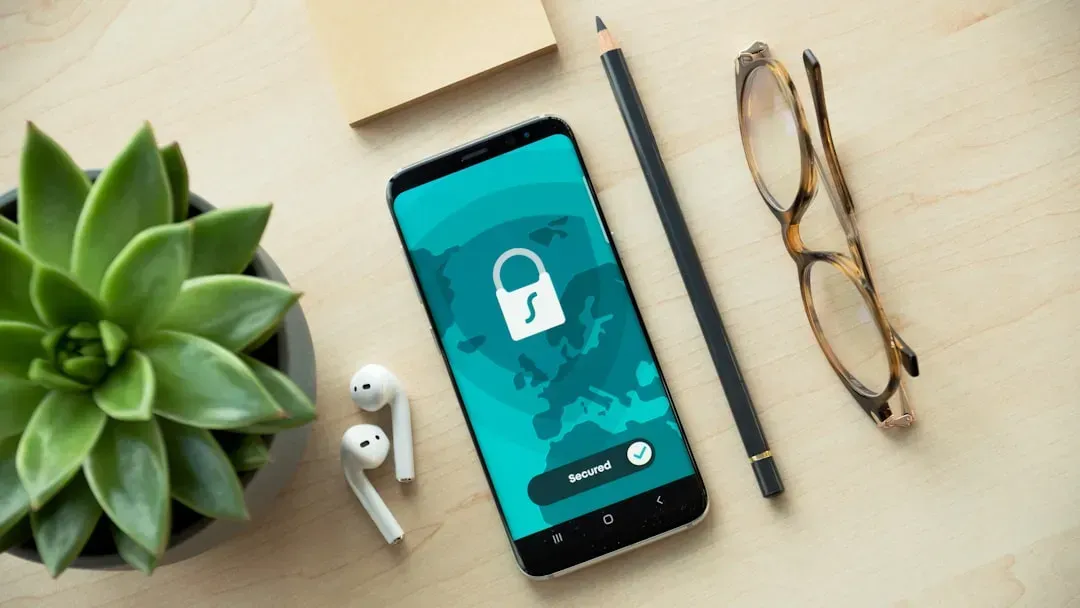
7. You believe privacy is a privilege parents can override anytime (Image Credits: Unsplash)
Reading a teenager’s diary or checking their room without asking used to be considered a normal parental prerogative, part of keeping tabs on a household under one roof. Boundaries around a kid’s personal space weren’t really up for negotiation.
Gen Z kids, having grown up amid heavy conversations about consent and digital privacy, tend to expect some baseline respect for their personal space, including their phones and social accounts. Parents who ignore that shift, snooping without any discussion, often find it damages trust far more than it protects safety.
8. You see career passion as a nice-to-have, not a priority

8. You see career passion as a nice-to-have, not a priority (Image Credits: Unsplash)
For many Boomer parents, work was fundamentally about stability and providing for a family, and enjoying the job itself was a bonus, not a requirement. That practical framing came out of economic realities where job security often mattered more than personal fulfillment.
Gen Z workers, shaped by a labor market with more flexibility and more visibility into alternative careers, frequently prioritize meaning and mental well-being alongside a paycheck. A parent who pushes a kid toward stability at the total expense of interest or passion may be optimizing for a version of security that looks less certain than it used to.
9. You think discipline should be strict and one-directional

9. You think discipline should be strict and one-directional (Image Credits: Pexels)
Traditional discipline models leaned heavily on punishment, consequences, and clear top-down rules with little room for discussion. It was straightforward, predictable, and rarely up for debate once a decision was made.
Gen Z parenting conversations, by contrast, lean toward collaborative discipline, where consequences are explained and kids are included in understanding the reasoning behind boundaries. This doesn’t mean rules disappear, but the delivery matters more now, and a purely rigid, non-negotiable approach can come across as harsh rather than firm.
10. You assume your own upbringing is the gold standard

10. You assume your own upbringing is the gold standard (Image Credits: Pexels)
It’s natural to parent the way you were parented, especially when it felt like it worked out fine. But treating one’s own childhood as the universal blueprint ignores just how much the world, the economy, and even basic social norms have shifted since then.
Gen Z is growing up in a genuinely different environment, shaped by different technology, different economic pressures, and a different cultural conversation around emotional health. Parents who stay curious about that shift, rather than assuming their own experience is the only valid reference point, tend to connect with their kids more easily than those who don’t.
Parenting styles aren’t really about right or wrong so much as fit, matching the approach to the kid and the world they’re actually growing up in. Recognizing a few Boomer habits creeping into daily routines isn’t a failure, it’s just useful information for adjusting course.