
There’s something almost immediate about walking into a well-run home. It’s not about square footage or expensive furniture. It’s the sense that things have a place, routines are quietly working, and nothing feels like it’s one bad day away from falling apart. The signals are subtle but unmistakable.
What separates a household that just gets by from one that genuinely functions well isn’t some grand organizational overhaul. It’s a handful of small, consistent habits that compound over time. Here are the ten that tend to matter most.
1. Every Item Has a Designated Home

1. Every Item Has a Designated Home (Image Credits: Unsplash)
The simplest indicator of an organized house is that things live somewhere specific. Keys go on the hook by the door. Scissors return to the same drawer every time. Entryway stations for keys and bags, homework corners for children, and office zones for remote work all improve organization significantly, and labeling containers while assigning storage areas encourages better daily habits throughout the household.
When there’s no designated spot, every small search becomes a minor stressor that adds up. Every misplaced item represents work that needs to be done and a choice that needs to be made, and all those micro-decisions create a type of cognitive overload known as decision fatigue. Homes where things have permanent addresses avoid this entirely.
2. The Kitchen Counter Stays Mostly Clear
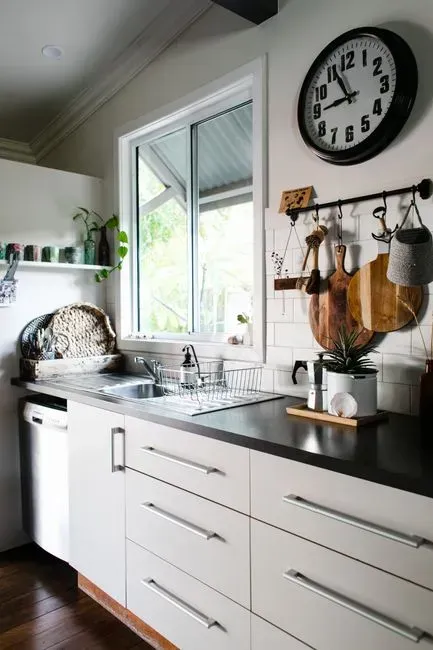
2. The Kitchen Counter Stays Mostly Clear (Image Credits: Pexels)
Kitchen counters are the single most visible surface in most homes, and their state tells you a lot about how the rest of the house operates. Modern homes often struggle with one common problem, which is clutter, and from overflowing closets to crowded kitchen counters, everyday items can quickly make a living space feel stressful and disorganized.
A well-run kitchen doesn’t mean a sterile one. It means surfaces are used for cooking, not for storing things that don’t belong there. A clutter-free environment improves both comfort and productivity, and when belongings are organized properly, daily tasks become easier and less time-consuming, allowing people to locate items quickly, maintain cleaner rooms, and enjoy a more peaceful atmosphere.
3. A Weekly Meal Plan Is a Normal Part of Life

3. A Weekly Meal Plan Is a Normal Part of Life (Image Credits: Pexels)
Households that plan their meals weekly operate on a fundamentally different rhythm than those that don’t. Meal organization and planning turn daily chaos into a predictable rhythm, and over time, it creates more than just efficient cooking – it creates calm. That calm is obvious to anyone who walks through the door.
Peer-reviewed research shows a strong link between meal planning skills and healthier family habits, with planners significantly more likely to prepare over half of their evening meals at home. Beyond the health benefits, meal planning saves trips to the grocery store, means you only buy what you need, relieves the stress of wondering what to cook at the last minute, and ensures no time or energy is wasted frantically searching through the pantry.
4. Small Tidying Happens Daily, Not Just on Weekends

4. Small Tidying Happens Daily, Not Just on Weekends (Image Credits: Pexels)
Households that only clean in big weekend sessions spend most of the week living in a slowly accumulating mess. The well-run alternative is short, consistent daily tidying. Short, consistent cleaning rituals help form habits, and spending five minutes each day, implementing a weekly reset routine, and focusing on more extensive monthly purges help combat clutter before it accumulates, keeping spaces functional.
Regularly engaging in small organizational tasks, such as making the bed each morning or doing dishes right after meals, builds a habit of tidiness, and research from the Journal of Personality and Social Psychology suggests that such habits can decrease feelings of anxiety, highlighting the psychological benefits of a clutter-free environment. These micro-habits don’t feel like effort after a while. They just become part of the day.
5. The "One In, One Out" Rule Is Actually Followed
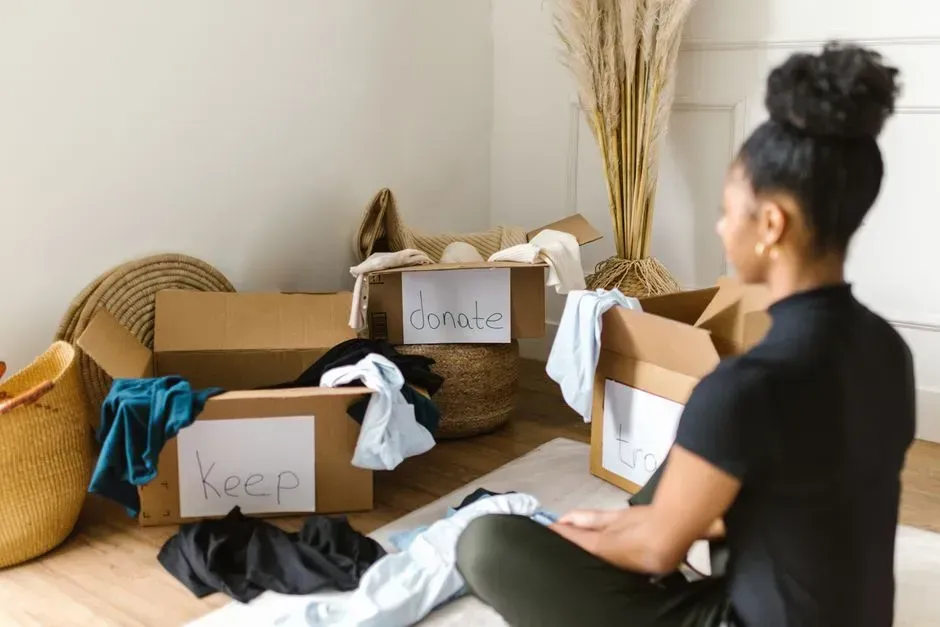
5. The "One In, One Out" Rule Is Actually Followed (Image Credits: Pexels)
This is one of those habits that sounds almost too simple to matter, but households that follow it stay naturally balanced over time. Decluttering is the heart of effective household organization, and using the “one in, one out” rule means that for every new item brought home, one is removed, with belongings sorted into donate, recycle, and discard piles, focusing on responsible disposal.
The rule works because it prevents the slow accumulation that gradually makes a home feel smaller and more chaotic. It also changes how people think before buying. Key drivers of intentional home management include the rising trend of decluttering and minimalist lifestyles, alongside increasing demand for specialized and customized organization solutions. The one-in, one-out approach is essentially a personal version of that same philosophy.
6. Shared Calendars Keep Everyone on the Same Page

6. Shared Calendars Keep Everyone on the Same Page (Image Credits: Unsplash)
In households with more than one person, invisible schedules are a constant source of friction. Well-run homes solve this with a shared system that anyone can check. To manage household tasks well, you need a system built on a few core elements, and first among them are shared calendars and scheduling tools that keep everyone in sync, while centralized information management makes contacts, documents, and passwords easy to find.
According to Statista data from 2024, roughly three in five households use at least one digital organization tool, and this shift reflects the desire to manage household duties efficiently and with greater flexibility. Whether it’s a digital app or a whiteboard on the kitchen wall, the specific tool matters less than the commitment to actually using it together.
7. Laundry Gets Done Before It Becomes Overwhelming
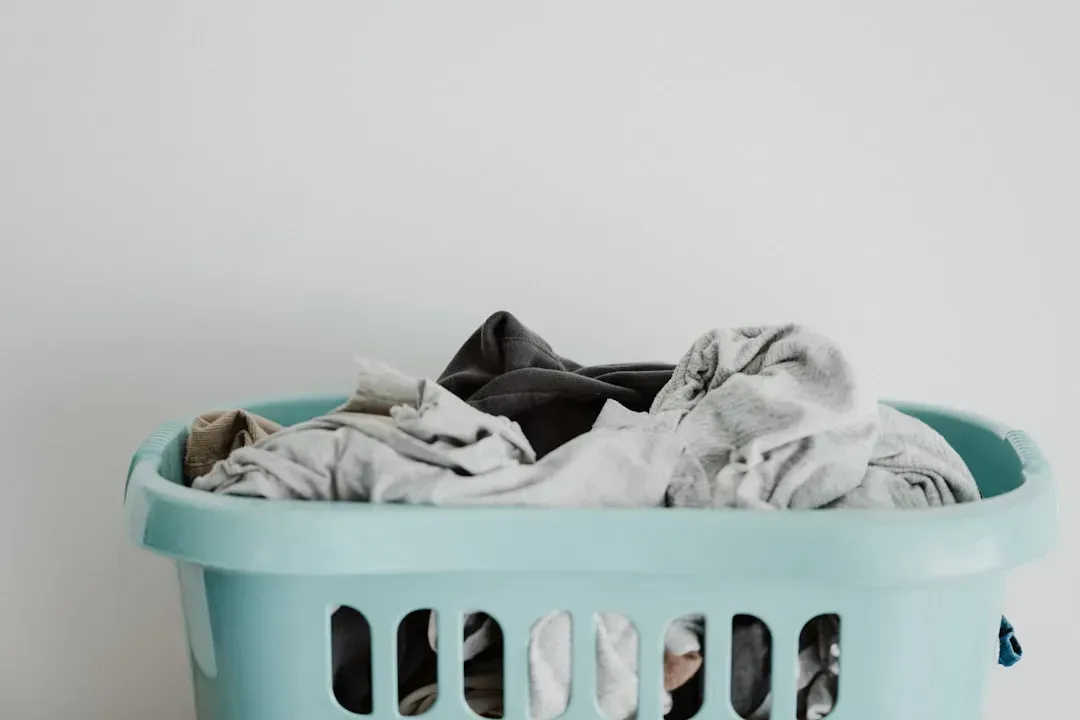
7. Laundry Gets Done Before It Becomes Overwhelming (Image Credits: Unsplash)
Laundry is the household chore most likely to spiral. A well-run home treats it like a routine maintenance task rather than a project. The difference is that it gets handled in small, regular cycles instead of being left until every piece of clothing is dirty at once.
Successful household organization means breaking big projects into bite-sized tasks, and setting clear, achievable goals for each area – such as reorganizing the pantry this weekend or decluttering the entryway by next week – keeps momentum steady. Laundry is no different. One load per day or a fixed laundry day works because it removes the mental weight of a task that’s always looming.
8. The Entryway Is Clean and Functional

8. The Entryway Is Clean and Functional (Image Credits: Unsplash)
The entryway is both the first thing you see when you come home and a signal of what the rest of the house is like. In well-run homes, it’s an intentional, functional space. Keeping items out of sight instantly creates a cleaner and more relaxing environment, and even compact entryways can benefit from hidden storage benches where bags, umbrellas, and footwear can be neatly stored without creating visual clutter.
The entryway also plays a behavioral role. When there’s a clear spot for shoes, coats, bags, and keys at the door, people naturally use it. Labeling containers and assigning storage areas for family members encourages better daily habits, and these systems reduce frustration while making household routines easier for everyone.
9. Clutter Is Treated as a Stress Signal, Not Just a Mess
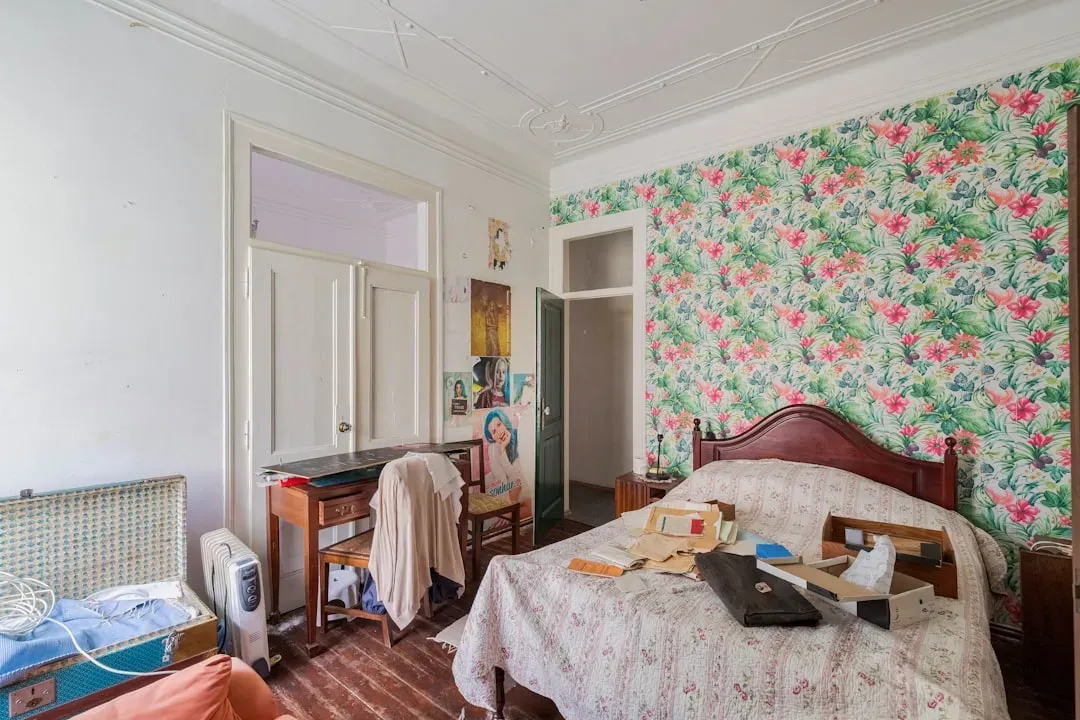
9. Clutter Is Treated as a Stress Signal, Not Just a Mess (Image Credits: Unsplash)
Organized households tend to understand, consciously or not, that clutter has a real cost beyond aesthetics. A study in the Journal of Environmental Psychology found that clutter not only reduces psychological wellbeing but also decreases the feeling of psychological home, which can be described as the sense of belonging associated with a living space.
Research found that women who saw their homes as cluttered had high levels of the stress hormone cortisol throughout the day, while those who described their space as well-organized and restful had lower levels. Well-run households address clutter proactively because they recognize it as an environmental stressor, not just an inconvenience to deal with eventually. A study exploring the impact of clutter found that having lower levels of subjective clutter in the home was linked to higher levels of positive emotion, improved relationships, and increased wellbeing.
10. Household Tasks Are Shared and Distributed
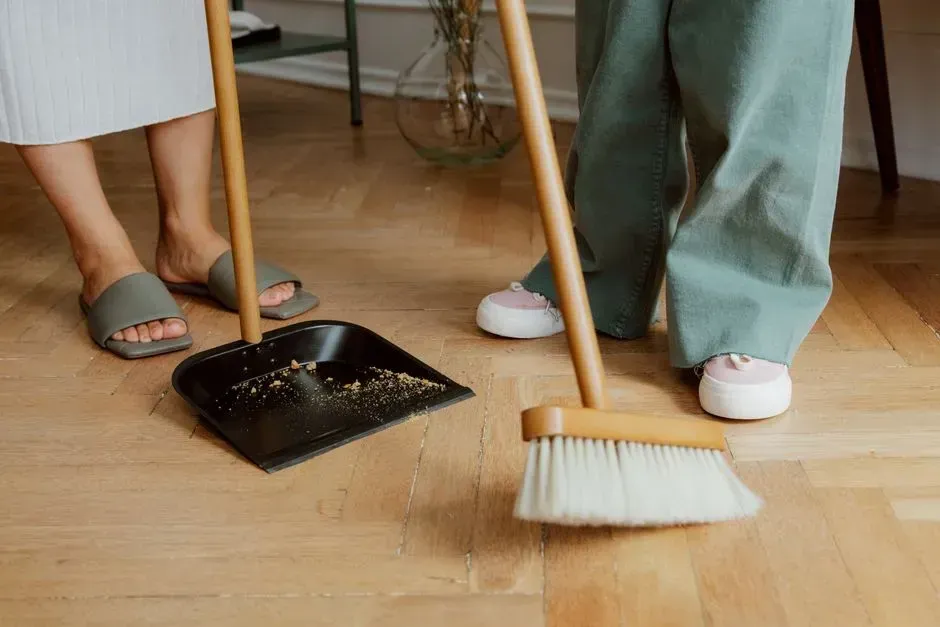
10. Household Tasks Are Shared and Distributed (Image Credits: Pexels)
One person running a household entirely on their own is a recipe for burnout, resentment, and eventual breakdown of all the good systems. Well-run homes distribute the load. Delegating tasks ensures accountability and prevents burnout, and financial planning, home maintenance, and emergency protocols all round out a complete system – when household responsibilities are managed with these components, a structure is created that supports every member of the home.
No two households are the same, and to manage household tasks effectively, customization is key – singles may prefer minimalist tools, couples thrive on shared calendars, families with kids benefit from visual aids, and multigenerational homes need accessible tech, with the system adapting as the household evolves. The shared ownership of the home is what makes every other habit sustainable in the long run.
None of these habits require a complete lifestyle transformation. Most of them start small and become automatic fairly quickly. The interesting thing about a well-run household is that it rarely looks effortful from the outside, which is precisely the point. The structure is there, working quietly in the background, so that the people inside it don’t have to think about it much at all.