
Southern cooking is often summed up in a handful of familiar names: fried chicken, biscuits, shrimp and grits. Those dishes earned their fame, no question. Beneath those beloved favorites, though, lies a fascinating world of forgotten dishes that were once beloved staples at potlucks, Sunday dinners, and seasonal celebrations, only to fade into obscurity over time due to changing tastes, the rise of convenience food, or shifts in dietary preferences.
These dishes tell stories of resourcefulness, cultural exchange, and the rich heritage that makes Southern cooking so special. There’s a renewed focus on telling the stories behind Southern dishes, with chefs and historians shedding light on the diverse cultural influences that shaped them. The ten dishes below represent exactly that: flavors that deserve a seat at the modern table.
1. Chicken Mull
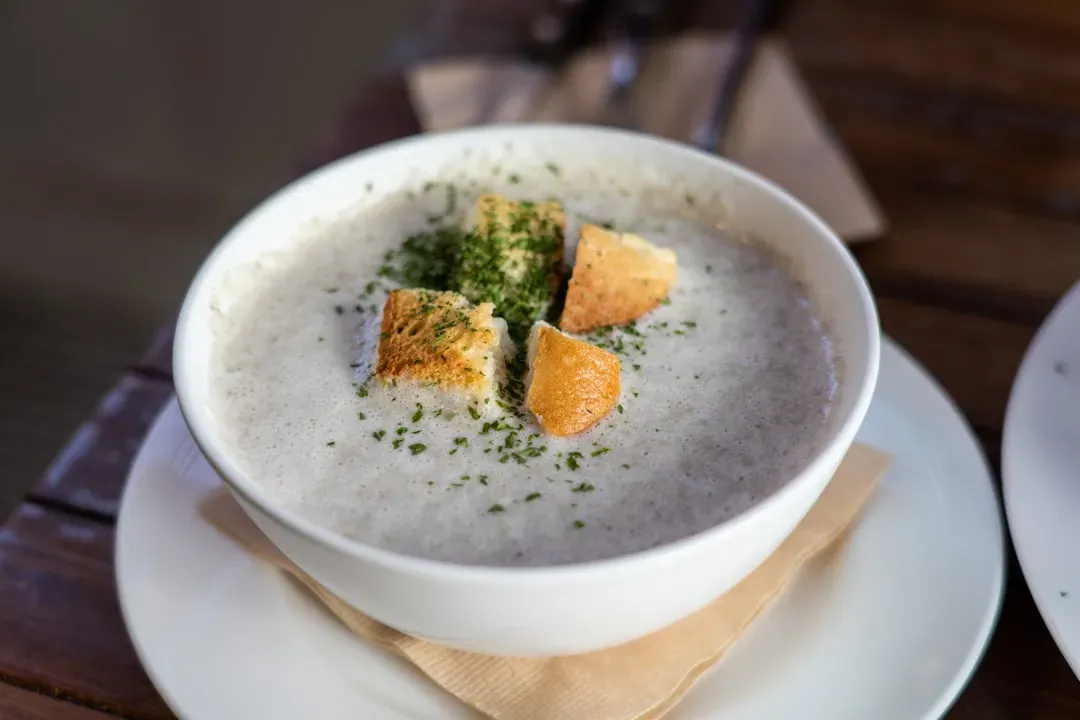
1. Chicken Mull (Image Credits: Unsplash)
Chicken mull is a buttery, shredded-chicken dish simmered in a rich, creamy broth thickened with crushed saltines, often considered a traditional barbecue stew prepared in huge communal pots. Its roots are believed to be tied to 19th-century fish cookouts called “muddles” held by Atlantic coast fishermen, which typically included a savory mush of bass, potatoes, onions, and spices, with the tradition moving inland through the Southern states and replacing fish with poultry.
Strangers to Northeast Georgia might never encounter chicken mull, a hearty stew where crushed saltine crackers and milk transform simple chicken into something magical, appearing at church fundraisers and community gatherings rather than restaurant menus. Today, chicken mull is still served at some Southern eateries, particularly in Georgia, where it’s commonly accompanied by saltine crackers, and this dish represents the evolution of Southern cooking as traditions moved from coastal to inland regions.
2. Spoonbread
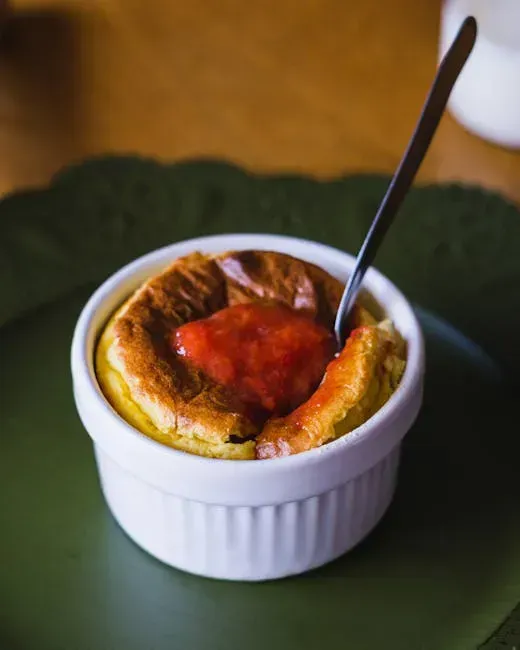
2. Spoonbread (Image Credits: Pexels)
Spoonbread is a moist cornmeal-based dish prevalent in parts of the Southern United States. While the basic recipe involves the same core ingredients as cornbread, namely cornmeal, milk, butter, and eggs, the mode of preparation creates a final product with a soft texture, and its name refers to the fact that its consistency is soft enough that it must be served and eaten with a spoon. The earliest versions of spoonbread are believed to be of Native American origin, and settlers in South Carolina commonly called it Owendaw or Awendaw in reference to the local Sewee tribe town.
The elevated technique of separating eggs to create a risen, soufflé-style spoonbread originated with enslaved African American chefs trained in French culinary method, and it subsequently became a traditional side dish in soul food, epitomizing the three-part blending of Indigenous, European, and African American cuisines that characterize Southern food. Since 1997, Berea, Kentucky, has been home to an annual Spoonbread Festival held each September, a quiet reminder that this dish still has its devoted following.
3. Tomato Pudding
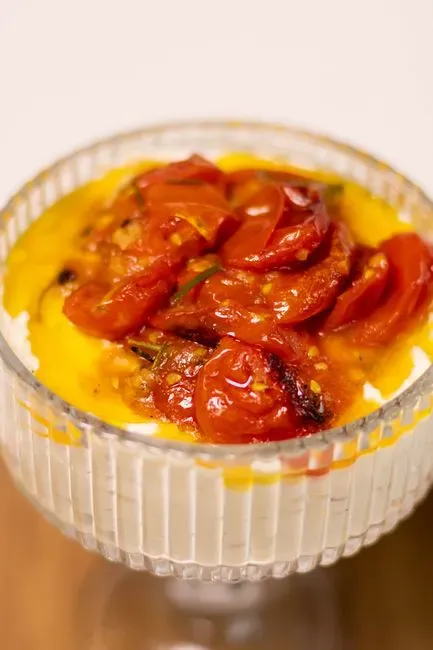
3. Tomato Pudding (Image Credits: Pexels)
When you hear “tomato pudding,” you might think of chocolate or vanilla pudding, but this forgotten Southern dish is more akin to bread pudding, a kind of casserole invented back in the 1800s, possibly in Bertie County, North Carolina, to use up big gluts of tomatoes at the end of the season. Recipes vary slightly, but fresh tomatoes always play a major role, combined with either cubed or crumbled white bread or biscuits, sugar, and a range of herbs and spices, with all ingredients baked in the oven to create an almost custard-like texture.
The result usually has a sweet-savory vibe like sweet potato casserole, though some people treat it like a fruity dessert, adding sweet spices like nutmeg, cinnamon, and extra sugar, creating an acquired taste that may explain why tomato pudding isn’t as common as it once was. This dish perfectly exemplifies Southern ingenuity in preventing food waste while creating something unexpectedly delicious from simple ingredients.
4. Kentucky Burgoo
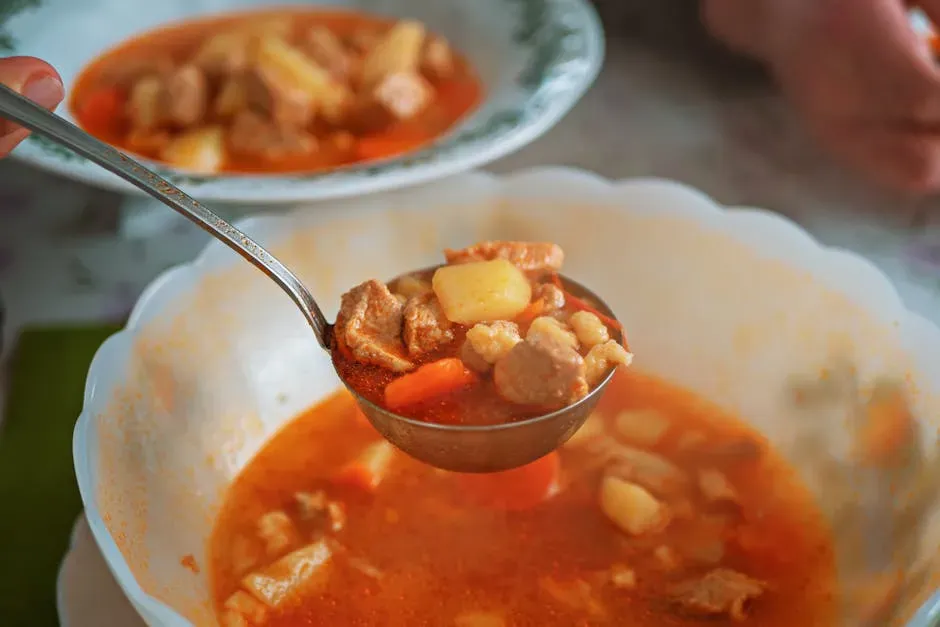
4. Kentucky Burgoo (Image Credits: Pexels)
Burgoo is a stew, similar to Irish or Mulligan stew, often served with cornbread or corn muffins, one form of which originated in Kentucky. It is often prepared communally as a social gathering and is popular as the basis for civic fundraisers in the Upland South. While it likely came from a porridge-like substance that nourished Scottish and French sailors on their journey to the new world, its rise to prominence in the American South, specifically Kentucky, is largely credited to French chef Gustav Jaubert, who earned the moniker of “Burgoo King.”
In its early days, burgoo consisted of squirrel, rabbit, opossum, and other bounties of the hunt; today it features chicken, beef, and pork. One constant has always been the community attached to it, from feeding soldiers en masse to being on the menu at the Kentucky Derby, political rallies, and church gatherings. It is said that there are as many versions of burgoo as there are Kentuckians, and cooks take secret recipes to the grave.
5. Calas (New Orleans Rice Fritters)
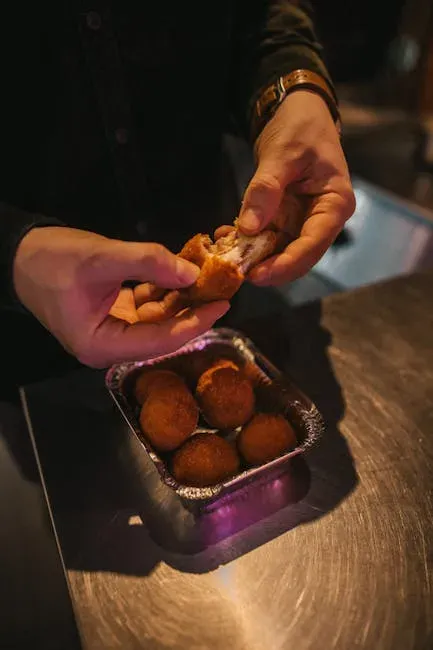
5. Calas (New Orleans Rice Fritters) (Image Credits: Pexels)
Calas are sweet rice fritters from New Orleans, once made and sold by African American women in the 19th century. These vendors often earned a living, and sometimes even their freedom, through the trade. The fritters were a staple of the French Quarter morning streets, fragrant with frying batter and powdered sugar, once as common as beignets are today.
By the 1940s, only one calas vendor remained, as beignets took over as the city’s favorite sweet treat. Today, a few local cafés are bringing calas back, celebrating them as a heritage breakfast and a link to African and Creole traditions. Food historians have noted that the decline of calas erased a meaningful piece of Black economic history alongside a genuinely delicious food.
6. Country Captain Chicken
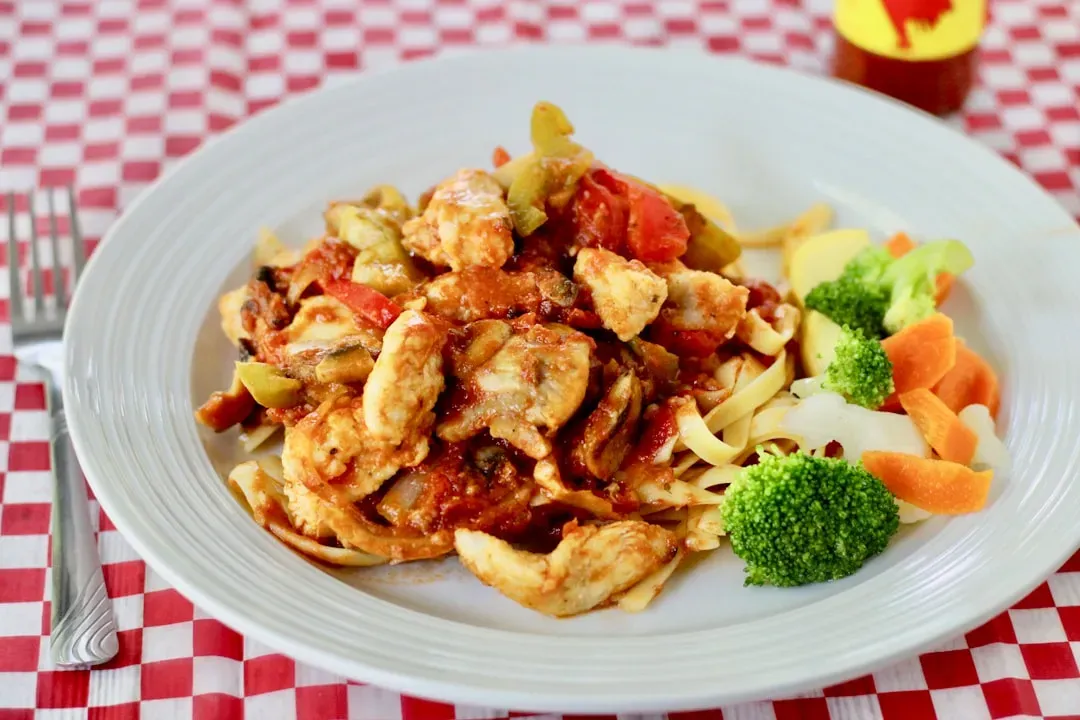
6. Country Captain Chicken (Image Credits: Unsplash)
Country Captain Chicken, a curried chicken stew with tomatoes, bell peppers, and raisins, arrived in the American South from British colonial India by way of Savannah, Georgia. Its story is closely tied to the city’s maritime connections, becoming a favorite among officers at Fort Benning and families seeking signature entertaining dishes in the mid-20th century.
Globalization and the loss of home spice blends led to its decline in popularity. Much of the dish’s historical charm lies in its capacity to bring new flavors to Southern comfort, and food historians point to its international ingredients as a reason for revival, especially as Savannah’s cross-cultural cuisine becomes celebrated again. It’s a dish that proves Southern food was never just one thing.
7. Beaten Biscuits
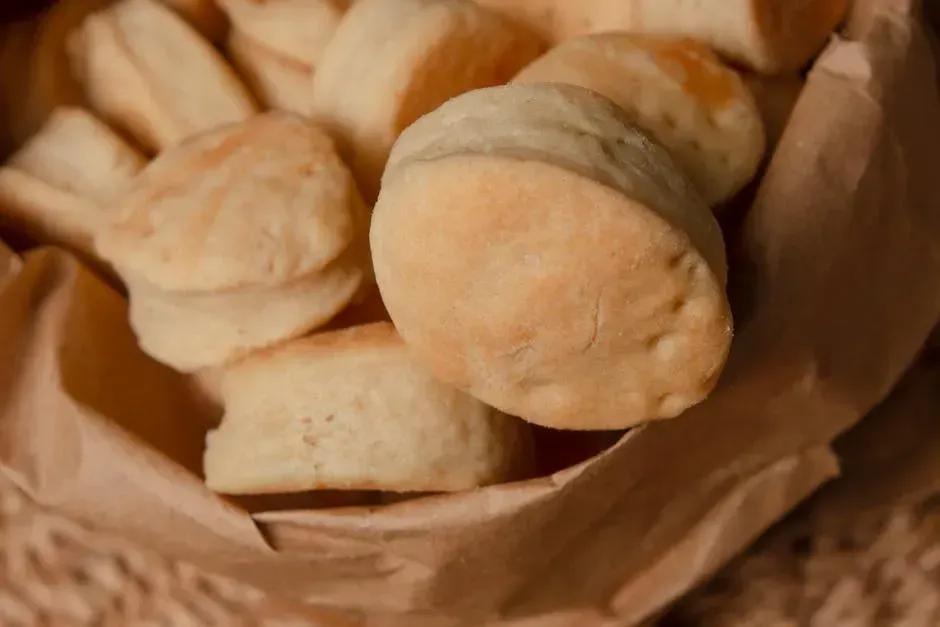
7. Beaten Biscuits (Image Credits: Pexels)
While today most bakers use baking powder rather than brute force to give their biscuits texture, beaten biscuits are a noteworthy relic of traditional Southern cooking. America’s first biscuits were much sturdier than today’s delicate specimens, getting their leavening and smooth texture from being vigorously beaten and folded, often the duty of enslaved cooks or domestic servants taking well over an hour. Traditionally, beaten biscuits have been more common in the Upper South, where they’re eaten with country ham and gravy.
A machine invented in 1877 “not only saved beaten biscuits from extinction but actually made them smoother, prettier, and more popular than before.” The technique required tremendous physical effort, but the results were biscuits that could last for days without spoiling. That longevity made them a practical essential on long journeys and at church gatherings, something no quick-rise biscuit has ever quite matched.
8. Hoppin' John
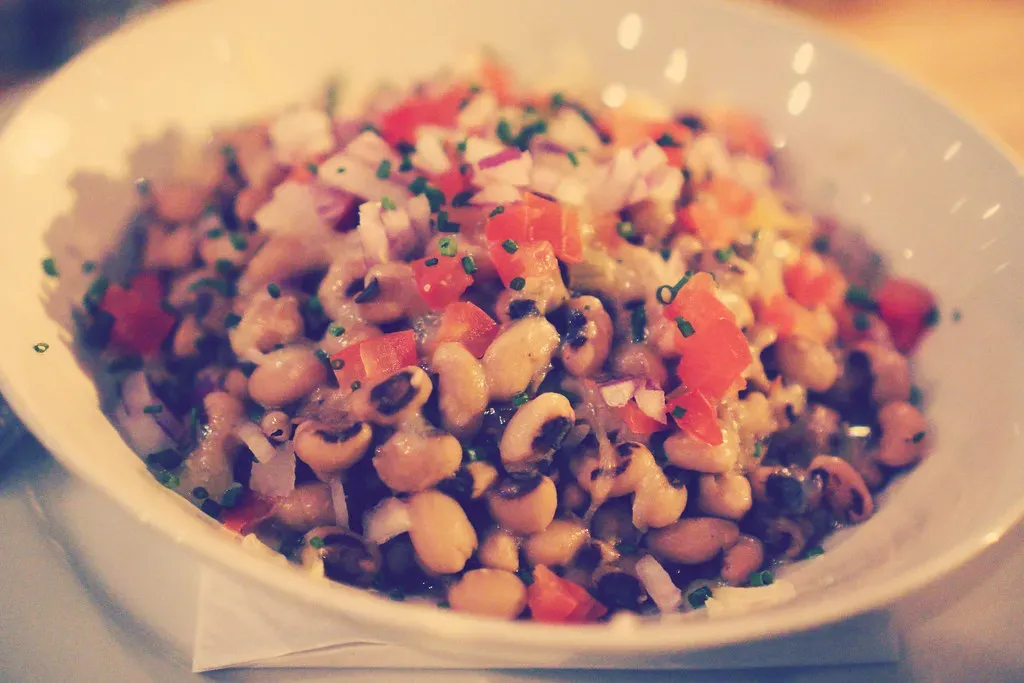
8. Hoppin' John (adamdachis, Flickr, <a href="https://creativecommons.org/licenses/by/2.0/" target="_blank" rel="noopener">CC BY 2.0</a>)
This simple mix of black-eyed peas, rice, and pork holds a special place in Lowcountry cooking. It dates back to the early 1800s and the Gullah people, whose rice and bean traditions shaped what became Hoppin’ John. The dish is most often eaten on New Year’s Day as a symbol of luck and prosperity, perfectly blending West African flavors with Southern ingredients and carrying generations of meaning and ritual.
In its current form, Hoppin’ John dates back to at least the 1840s, when it appeared in a cookbook called “The Carolina Housewife,” though it is likely much older and was probably brought to the U.S. through the culinary traditions of enslaved Africans. Rice became prominent in many dishes in the Lowcountry region of South Carolina because the enslaved people who settled the region, now known as the Gullah people, were already quite familiar with the crop.
9. Chess Pie
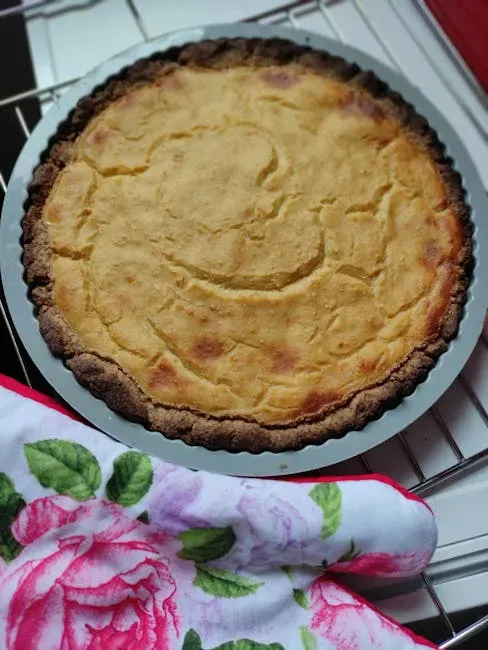
9. Chess Pie (Image Credits: Pexels)
Chess pie might not be completely forgotten, but it’s certainly not as common as some more popular Southern desserts like pecan pie or banana pudding, and is made with a simple filling of eggs, sugar, butter, and a bit of cornmeal or flour, rich and sweet, with an almost custard-like texture. The origins of chess pie are a little murky, with some saying the name comes from an old-fashioned way of saying “just pie,” while others believe it’s derived from the word “cheese,” as the pie has a texture similar to cheesecake.
It requires just a handful of pantry staples and barely any effort, yet the result is a rich, sweet pie with a perfectly tender filling. Food historians point to chess pie as a near-perfect example of Depression-era Southern cooking: nothing wasted, everything transformed. Its simplicity is exactly what makes it worth reviving, because not every great dish needs a long ingredient list to prove its worth.
10. Lane Cake
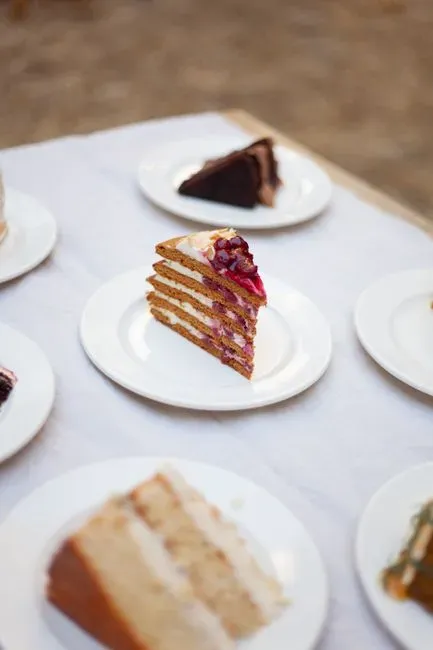
10. Lane Cake (Image Credits: Pexels)
Lane cake is an elaborate dessert famously mentioned in Harper Lee’s “To Kill a Mockingbird” and represents the height of Southern celebration baking. Four layers of delicate white cake sandwich a rich filling of raisins, coconut, pecans, and bourbon-soaked candied fruit, and the entire creation gets wrapped in a cloud-like white frosting, creating a dessert that is both elegant and indulgent. The bourbon isn’t just for flavor; traditionally, it helped preserve the cake before refrigeration. The cake was created by Emma Rylander Lane of Clayton, Alabama in the late 1800s and quickly became a regional favorite.
Making it properly requires patience and precision, which is why it has historically been reserved for weddings, Christmas, and other milestone events. The cake actually improves with age as the flavors meld together. That quality alone, a dish that rewards waiting, feels like a quiet argument for everything these forgotten Southern recipes stand for: food made with intention, passed forward with care.
James Beard Award-winning culinary historian Michael W. Twitty has noted that Southern food better reflects the region’s complex, messy, and still-evolving history than most people realize. Each of these ten dishes carries that complexity. Some are humble, born from scarcity. Others are elaborate, born from celebration. All of them are worth knowing.