
Retirement looks different in 2026 than it did for any previous generation. Nearly 10,000 baby boomers are reaching retirement age daily, bringing with them different expectations, longer lifespans, and a very different economic reality than their parents faced. The shopping decisions they make now aren’t just about comfort. They’re about staying financially secure, physically healthy, and genuinely engaged with life.
Baby boomers and seniors spend more of their personal income shopping for essentials than other generations, but less on nice-to-have retail purchases. That practical mindset is exactly what shapes a smart retirement shopping list. What follows are ten things worth putting on yours.
1. Comprehensive Health Insurance Beyond Basic Medicare

1. Comprehensive Health Insurance Beyond Basic Medicare (Image Credits: Pexels)
Health insurance plays a critical role in covering medical expenses, while long-term care insurance can protect retirement assets from the high costs of assisted living or nursing care. Basic Medicare, while valuable, was never designed to cover everything. Boomers should also assess their potential health care needs and consider purchasing supplemental insurance, such as Medicare Advantage plans or Medigap policies, to fill gaps in coverage.
According to the Employee Benefit Research Institute, more than two in five retirees report that their health care expenses in retirement are higher than they expected, and a 2025 estimate shows a 65-year-old would need roughly $172,500 on healthcare and medical expenses through their retirement. That’s not a number to take lightly. Getting the right supplemental coverage in place early is one of the most consequential items on any retirement shopping list.
2. Long-Term Care Insurance

2. Long-Term Care Insurance (Image Credits: Pexels)
According to the U.S. Department of Health and Human Services, the vast majority of people over the age of 65 will need some form of long-term care in their lifetime. That’s a sobering statistic, and one that catches many retirees off guard when costs arrive. Long-term care insurance can protect retirees’ savings and provide more choices for care settings, and it’s considered a prudent buy considering the peace of mind it brings.
The financial exposure here is real. Assisted living, in-home care, and nursing facilities can drain even well-funded retirement accounts within a few years without proper coverage. Purchasing a long-term care policy while still in good health generally means lower premiums and fewer exclusions, so this is one item where waiting tends to cost more.
3. A Reliable, Safe Vehicle
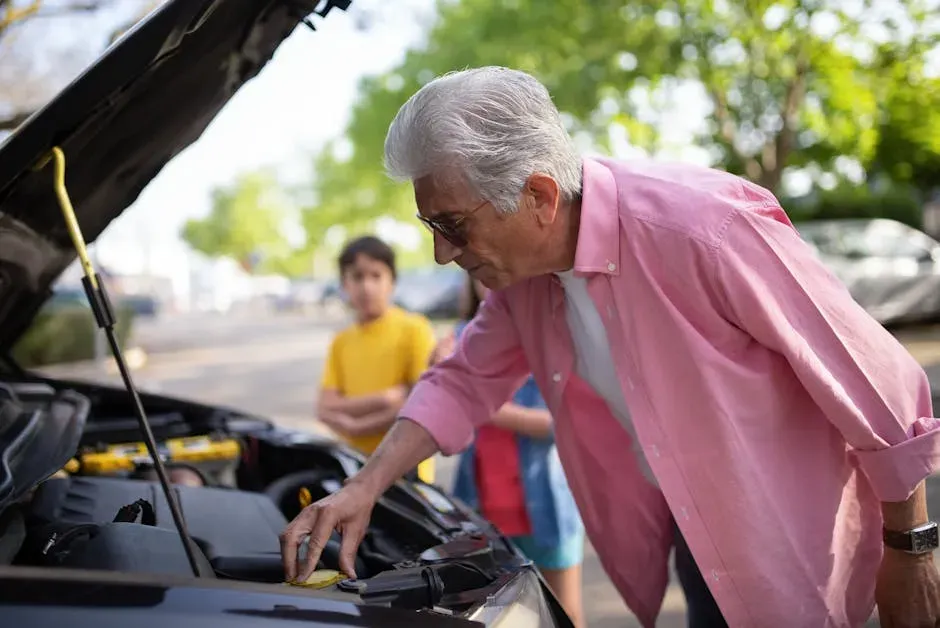
3. A Reliable, Safe Vehicle (Image Credits: Pexels)
Independence in retirement relies heavily on being able to get around. Boomers should always make sure they have a reliable mode of transportation, which could mean purchasing a new car with modern safety features or investing in regular maintenance for an older vehicle. Modern vehicles come equipped with lane-departure warnings, automatic emergency braking, and blind-spot monitoring, all of which become progressively more useful as reflexes naturally slow with age.
For those who continue to drive, vehicle adaptations such as pedal extenders, seat cushioning, or hand controls can be essential for maintaining independence and safety on the road. Mobility isn’t just about convenience. It’s directly tied to mental health, social connection, and the ability to attend medical appointments independently. Keeping reliable transportation on the list is simply smart planning.
4. Fitness and Wellness Program Memberships
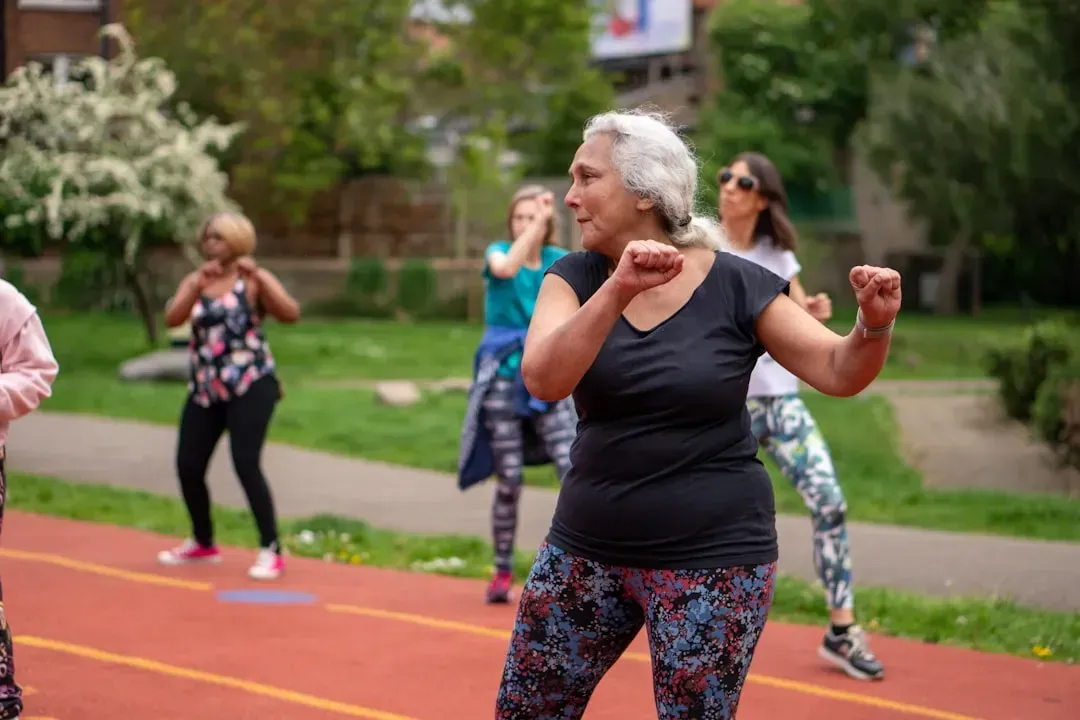
4. Fitness and Wellness Program Memberships (Image Credits: Unsplash)
Staying active is crucial at any age, especially in retirement. Programs tailored to older adults can help maintain mobility, strength, and mental health. Many gyms, YMCAs, and senior centers offer programs specifically designed for older adults, covering everything from water aerobics to strength training and balance work. The investment is small compared to the health dividends it pays over the years.
Retirement wellness now extends far beyond gyms and salads. On-site yoga, mindfulness classes, holistic therapies, and nutrition coaching are increasingly standard offerings, and mental health support and stress management programs are becoming part of the package too. Treating a gym or wellness membership as a non-negotiable line item, rather than a luxury, reflects the way most health professionals now think about active aging.
5. Quality Nutritional Supplements

5. Quality Nutritional Supplements (Image Credits: Pexels)
As boomers approach retirement age, they are hoping to continue to live active lives, focusing on preventive medicine and healthy aging, and with this trend comes a strong interest in nutritional supplements, especially those that may reduce the risk of age-related diseases or the physical signs of aging. This isn’t about chasing trends. It’s about addressing real, documented nutritional gaps that emerge with age.
Supplements for joint health such as glucosamine, heart health, and cognitive support are among the most widely used, alongside functional foods with probiotics, omega-3s, and adaptogens. Studies have shown that boomers are the most frequent users of supplements globally. The key is choosing products backed by clinical research and consulting with a physician before adding anything new, particularly if you’re managing chronic conditions or taking prescription medications.
6. Home Modifications for Aging in Place

6. Home Modifications for Aging in Place (Image Credits: Pexels)
As mobility becomes limited, investing in home modifications can significantly improve quality of life and independence, and items like stairlifts, walk-in tubs, and ramps are not just conveniences but are essential for safe aging in place. Planning these modifications before they become urgent is far less stressful and usually less expensive than addressing a fall or injury after the fact.
Many boomers prefer to stay in their own homes, prompting a surge in aging-in-place services, with companies now offering bundled packages including home retrofits, visiting nurses, and social programs to deliver community without relocation, making the home the hub for both comfort and care. Grab bars, improved lighting, non-slip flooring, and widened doorways are relatively modest investments that can extend years of safe, independent living at home.
7. Estate Planning Services

7. Estate Planning Services (Image Credits: Pexels)
Regular consultations with financial advisors and legal experts can help boomers navigate the complexities of estate planning, tax strategies, and retirement savings management, and estate planning should be a top priority just in case the worst-case scenario happens. A proper will, healthcare proxy, and durable power of attorney aren’t morbid documents. They’re the most thoughtful gift you can give your family.
Estate planning services have become more accessible and affordable in 2026, with many attorneys offering flat-fee packages for basic documents. The cost of not having them in place, however, can be enormous. Probate proceedings, family disputes, and unintended tax consequences are all avoidable with a few hours of professional guidance. This belongs near the top of any financial to-do list in retirement.
8. Health and Safety Wearable Technology
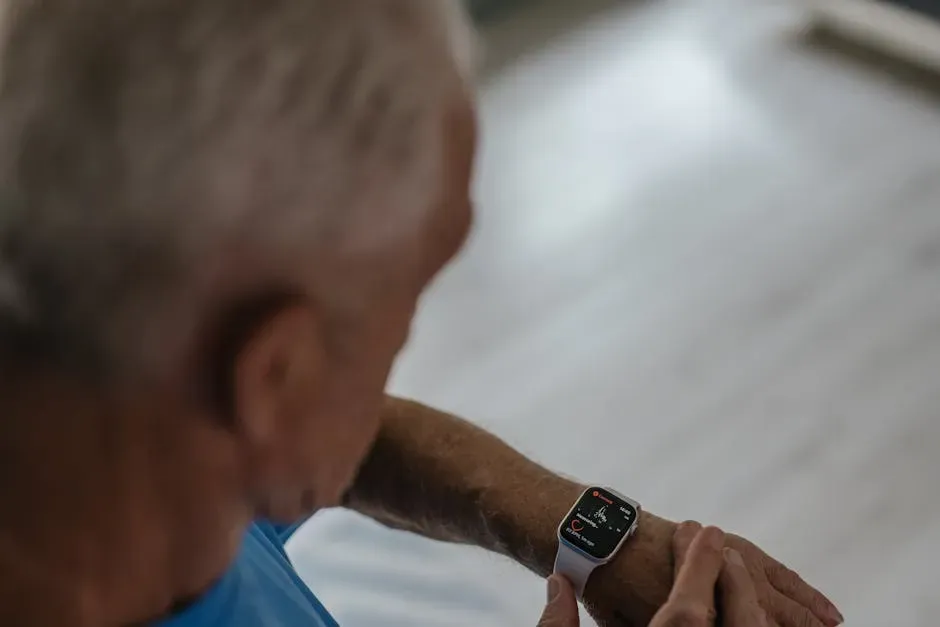
8. Health and Safety Wearable Technology (Image Credits: Pexels)
Modern smartwatches come packed with helpful features like heart rhythm and ECG monitoring, sleep apnea detection, fall and crash alerts, and even reminders to move, making them like having a health assistant right on your wrist, and for baby boomers, the safety alerts alone can be a lifesaver. The practical value of these devices has grown considerably in recent years, and the price points have become much more accessible.
Voice assistants, wearable monitors, and AI-powered fall detection are improving safety without sacrificing privacy, while virtual health visits and medication management apps are streamlining care. For boomers who live alone or have a history of health concerns, a wearable device isn’t just a gadget. It’s a layer of real security that can make a measurable difference in an emergency.
9. Travel and Leisure Budget Allocation

9. Travel and Leisure Budget Allocation (Image Credits: Unsplash)
Boomers should always budget for travel and leisure activities to stay physically and mentally active and to create lasting memories with loved ones, and travel, often overlooked as a luxury, can be an essential aspect of retirement, offering relaxation and cognitive and social stimulation. The research supporting leisure activity in reducing cognitive decline is substantial. Treating it as a discretionary afterthought is a mistake.
With retirement giving more time for travel than most boomers may have had before, luggage and travel gear are more important than ever. Whether the plan involves international trips or weekend drives to see grandchildren, having a dedicated travel fund that’s treated as a real budget line, not a leftover, changes how freely and how often those experiences actually happen. Memories, it turns out, are one of the best returns on investment retirement has to offer.
10. Community Memberships and Social Engagement Programs

10. Community Memberships and Social Engagement Programs (Image Credits: Pexels)
Participating in community events, taking classes, or maintaining club memberships can provide social engagement that is essential for mental health and well-being, particularly through fitness and wellness programs beneficial for post-work life. Loneliness and social isolation are recognized health risks among older adults, with effects comparable to smoking in terms of long-term health outcomes. Investing in social connection is genuinely a health decision.
Recent data on baby boomers shows that they overwhelmingly desire communities that can keep them independent, active, and self-sufficient, and senior living operators are responding by packing communities with new amenities that cater to those desires. Whether it’s a fitness class, a book club, a pickleball league, or a museum membership, regularly showing up somewhere with familiar faces turns out to be one of the most powerful things any retiree can put on a shopping list.
The ten items above aren’t all flashy. Some are purchases you make once. Others are ongoing commitments that quietly support everything else in retirement. What they share is a focus on the fundamentals: health, safety, connection, and financial protection. Today’s generation of baby boomers is more concerned with self-care and healthiness than previous generations, and that orientation toward proactive living is, in itself, one of the most valuable things any boomer can carry into this next chapter.