
Packing a lunchbox feels routine until you actually stop and think about what's going into it. Most parents are doing their best on a rushed morning, grabbing whatever's in the pantry and calling it good. Yet some everyday lunchbox staples carry more risk, or less nutrition, than they appear to on the surface, and pediatric health groups have been flagging the same offenders for years without much change in habits.
1. Whole grapes
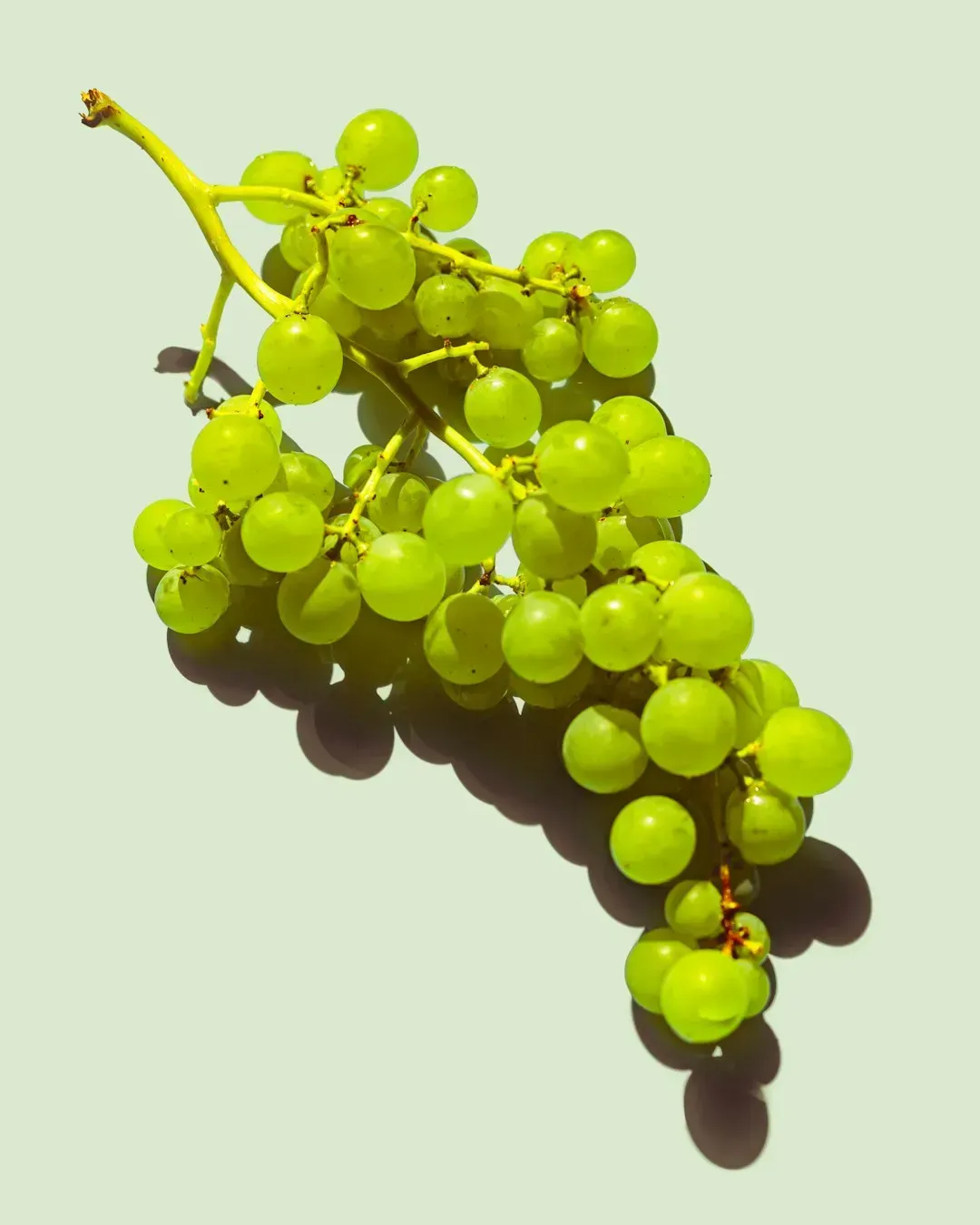
1. Whole grapes (Image Credits: Unsplash)
Grapes seem like the easy, healthy choice for a lunchbox, which is exactly why they keep showing up whole and uncut. The problem is shape, not nutrition. Whole grapes are fine for babies as long as they’re prepared correctly, but they should be cut length wise and quartered for all young children, since grape skin can lead to choking when it separates from the grape.
This isn’t a minor caution. In the United States, more than 2,100 children died from choking between 1999 and 2013, and grapes were the third most common cause following hot dogs and candy. A few extra seconds with a knife at the counter turns a genuine hazard into a safe, easy snack.
2. Whole or sliced hot dogs

2. Whole or sliced hot dogs (Image Credits: Pexels)
Hot dogs are a lunchbox regular, especially for picky eaters who won’t touch much else. Unfortunately, their shape makes them uniquely dangerous for younger kids. Hot dogs pose the greatest risk, as they cause more choking deaths than any other food.
If a hot dog is going into the box at all, it needs to be handled differently than most parents assume. This cookout staple is a choking hazard due to the tube shape and compressibility, so if you do choose to give hot dogs to children, it is safest to cut them length wise and in small pieces. Round coin slices, even small ones, don’t solve the problem the way a lengthwise cut does.
3. Hard candy and cough drops
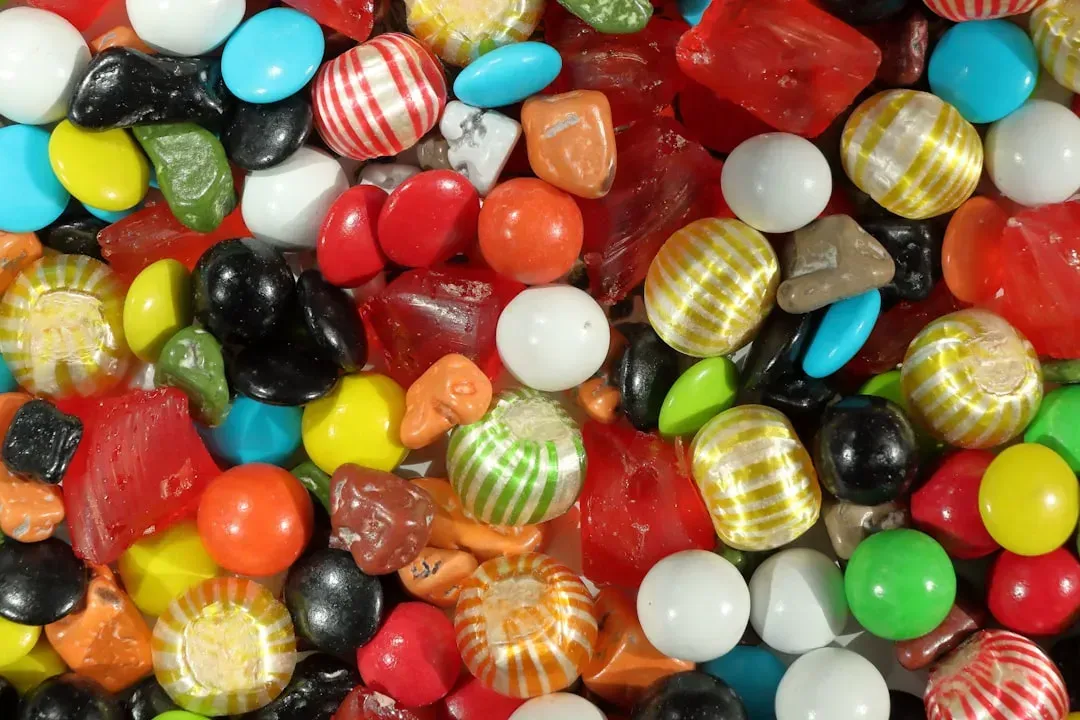
3. Hard candy and cough drops (Image Credits: Unsplash)
A piece of hard candy tucked in for a treat feels harmless, but it’s one of the riskiest things a young child can put in their mouth unsupervised. To help prevent choking, health guidance advises against serving small, sticky, or hard foods that are difficult to chew and easy to swallow whole, including hard candy such as caramels, cough drops, jelly beans, and lollipops.
The lunchbox setting makes this worse, not better, since a child is often eating quickly, distracted, and without an adult standing right next to them. Saving hard candy for moments with direct supervision at home is a simple swap that removes the risk entirely.
4. Chunky peanut butter or spoonfuls of nut butter
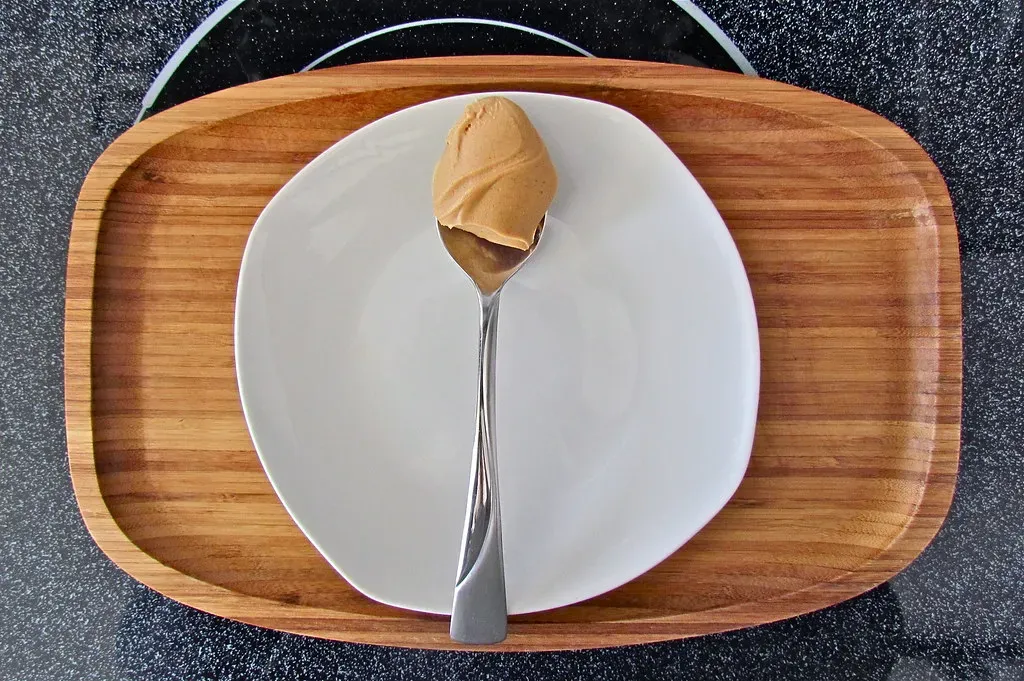
4. Chunky peanut butter or spoonfuls of nut butter (robinmcnicoll, Flickr, <a href="https://creativecommons.org/licenses/by/2.0/" target="_blank" rel="noopener">CC BY 2.0</a>)
Peanut butter itself isn’t the enemy here. It’s how it’s served. Spoonfuls of peanut butter or other nut butters are flagged as choking hazards, so the recommendation is to spread nut butters thinly on other foods like toast or crackers, and to serve only creamy, not chunky, varieties.
A thick glob of peanut butter can stick to the roof of a young child’s mouth and block the airway in a way that’s genuinely hard to clear. Spreading it thin on bread or crackers keeps the nutrition and cuts the risk down dramatically.
5. Marshmallows and gummy fruit snacks

5. Marshmallows and gummy fruit snacks (Image Credits: Pexels)
These show up in lunchboxes constantly because they’re marketed as fun, kid-friendly treats. The soft, squishy texture that makes them appealing is also what makes them dangerous. Guidance specifically lists gummy fruit snacks and marshmallows among foods that are sticky or hard to chew and easy to swallow whole.
Unlike a hard candy, which a child might at least try to chew, a marshmallow can compress and mold to the shape of the airway. That combination of softness and stretch is precisely why pediatric guidelines single it out, even though it looks like the least threatening item in the box.
6. Cherry tomatoes and grape tomatoes, uncut
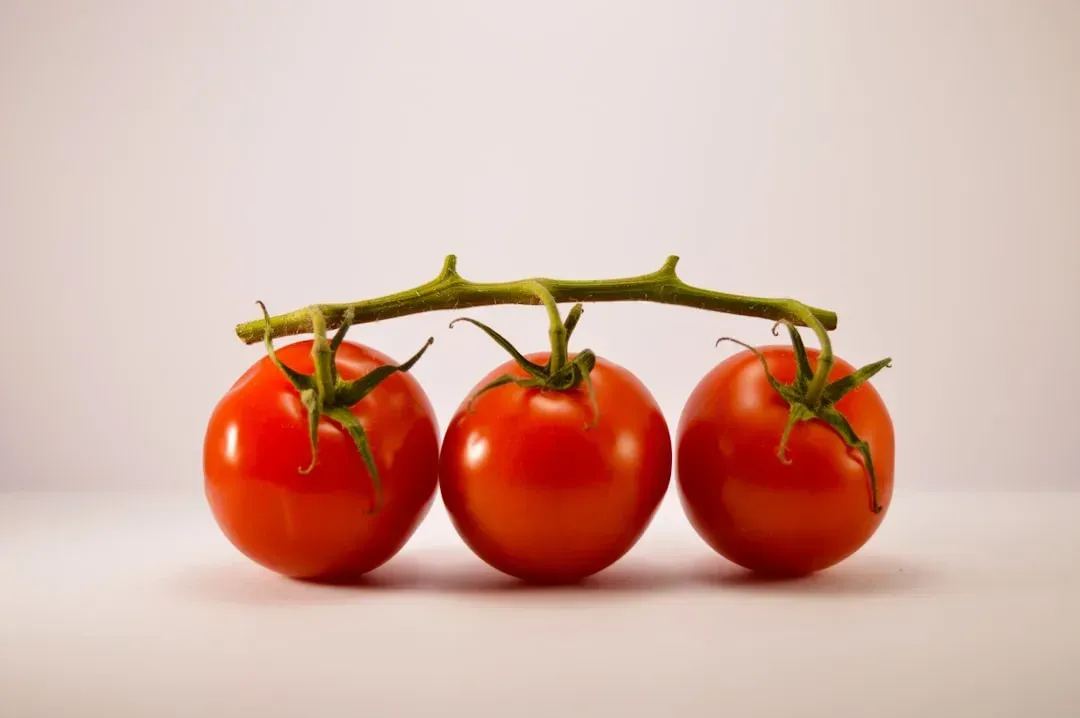
6. Cherry tomatoes and grape tomatoes, uncut (Image Credits: Unsplash)
Cherry tomatoes get packed into lunchboxes as a quick vegetable option, often without a second thought. They belong on the same list as grapes for a reason. Uncut cherry or grape tomatoes are named directly among fruits and vegetables to avoid due to choking risk.
The skin resists chewing in a similar way to grape skin, and the size fits neatly into a small airway. Slicing them in half or quarters before they go in the container removes the danger while keeping the vegetable in the meal.
7. Raw carrots and other hard raw vegetables
7. Raw carrots and other hard raw vegetables (Image Credits: Unsplash)
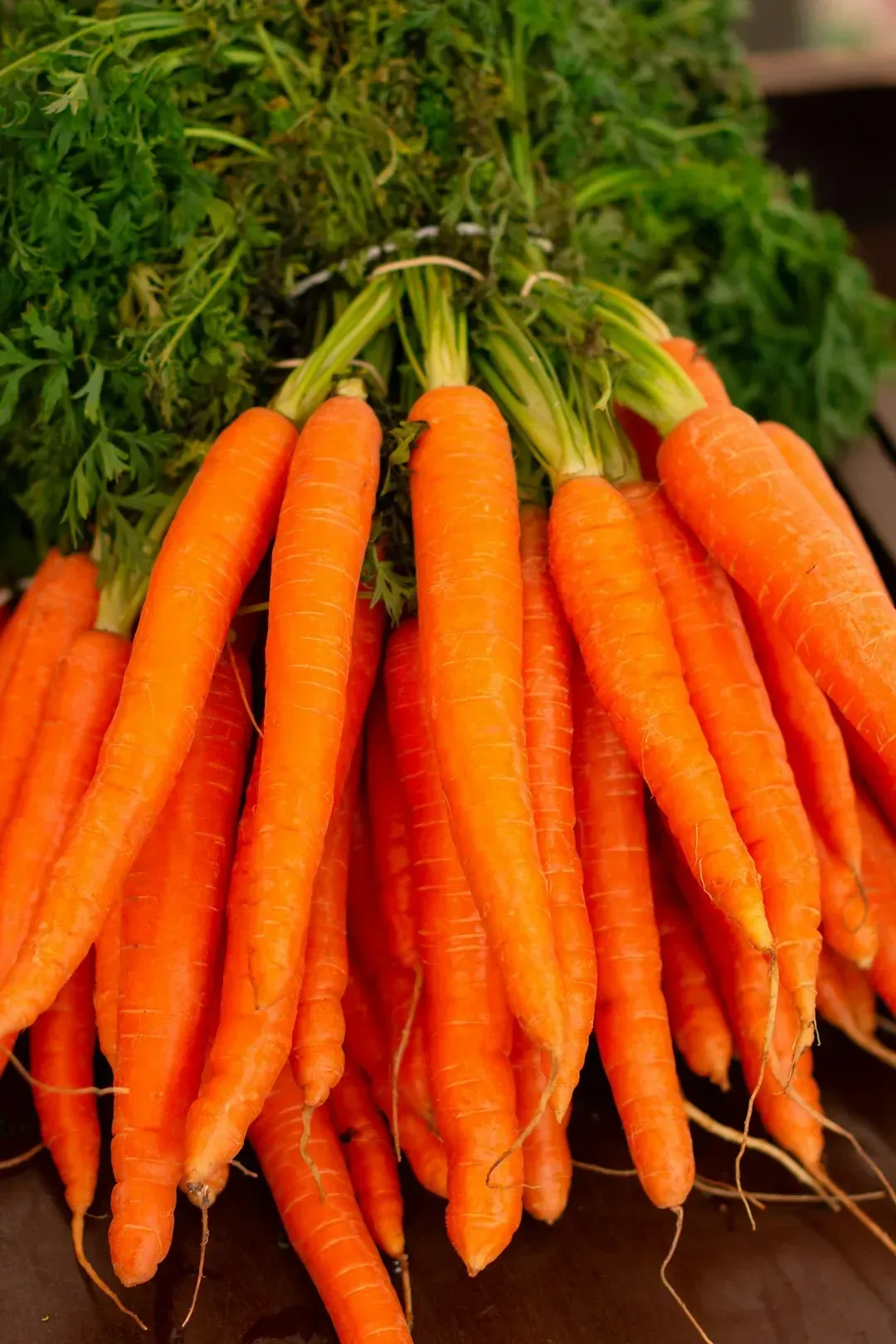
Baby carrots feel like the responsible choice compared to chips, and often they are, nutritionally speaking. The shape and firmness are the issue. Pieces of hard raw vegetables or fruit, such as raw carrots or apples, are listed as potential choking hazards for young children.
Cooking carrots until they’re slightly soft, or slicing apples into thin wedges rather than thick chunks, keeps the nutrition intact without the same risk. It’s a small prep step that a lot of busy mornings skip.
8. Sugary drinks and juice boxes as a daily default
8. Sugary drinks and juice boxes as a daily default (Image Credits: Pexels)
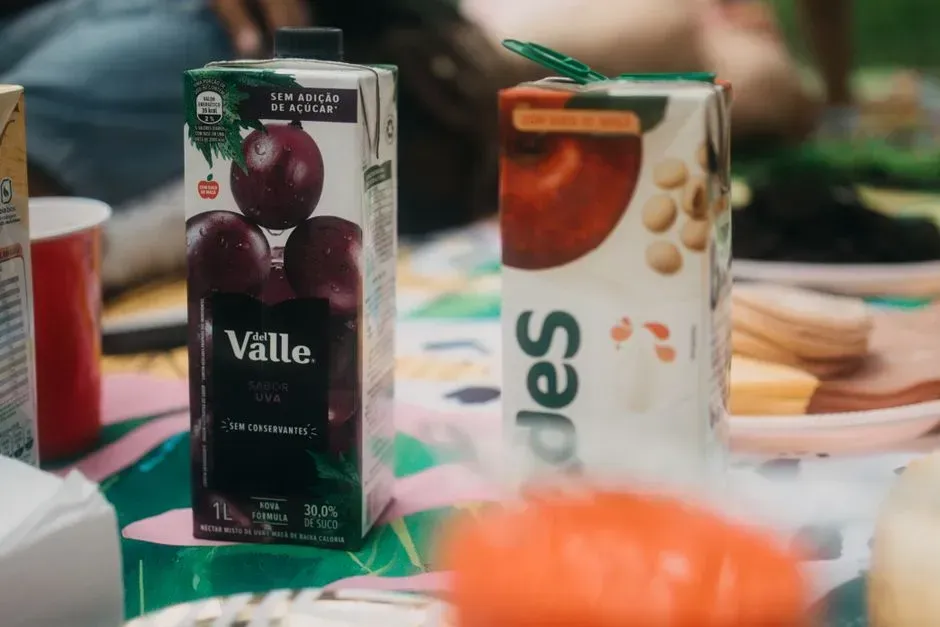
A juice box feels like a normal lunchbox companion, and it usually is, in moderation. The trouble starts when it becomes an everyday habit rather than an occasional one. Children should not consume more than 6 teaspoons of added sugar per day according to recommendations from the American Heart Association, yet on average U.S. children consume 19 teaspoons of added sugar daily, largely from soda, fruit-flavored drinks, sports drinks, cakes and cookies.
Even 100% fruit juice isn’t a free pass. Fruit juice should be limited because it has more sugar per serving than whole fruit, with the AAP recommending no more than 4 ounces a day for children ages 1 through 3, 4 to 6 ounces for ages 4 through 6, and 8 ounces for ages 7 through 14. Water or plain milk in the thermos most days, with juice reserved for occasional treats, keeps the sugar math reasonable.
9. Dried fruit as a stand-in for fresh
9. Dried fruit as a stand-in for fresh (Image Credits: Pixabay)
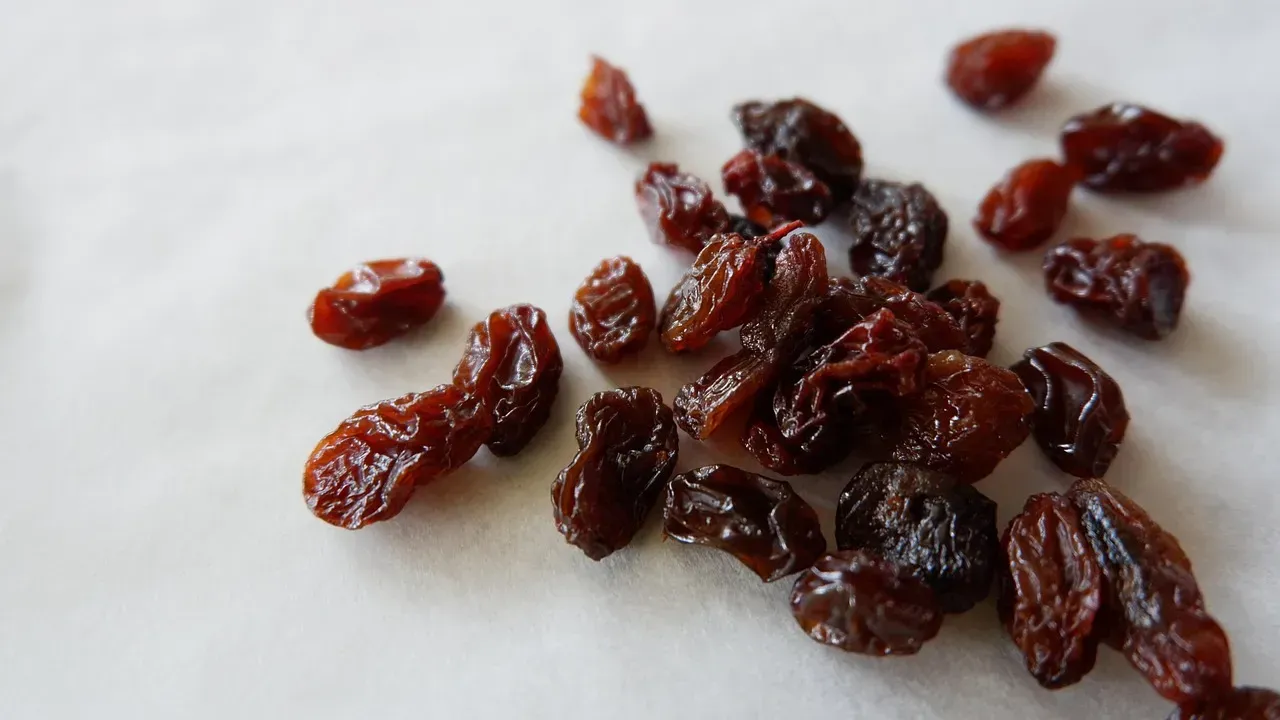
Raisins and other dried fruit get packed as a “healthier” sweet option, and there’s some truth to that compared with candy. The texture still poses a real risk for younger kids. Uncooked dried vegetables or fruit, such as raisins, are included among choking hazards to avoid for young children.
Beyond the choking concern, dried fruit is also concentrated sugar in a small, sticky package that clings to teeth longer than fresh fruit does. Hidden sources of added sugar in processed food, including dried cranberries, are worth watching for the same reason. Fresh fruit, cut appropriately for age, does the same nutritional job with less risk on both fronts.
10. Popcorn
10. Popcorn (Image Credits: Pixabay)
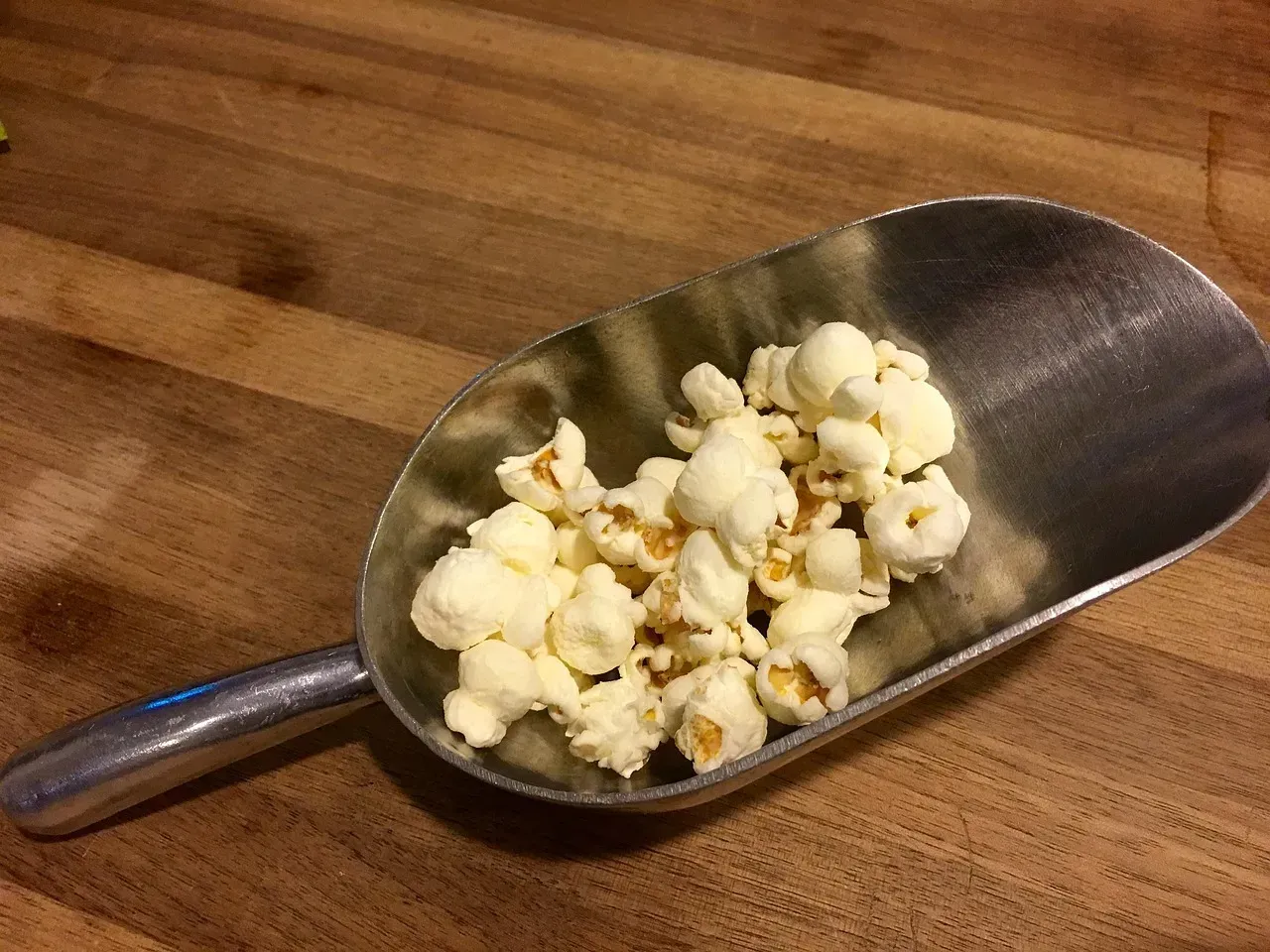
Popcorn sneaks into lunchboxes as a whole-grain snack that feels like a smarter choice than chips. For young children, the shape and texture make it one of the more consistently flagged hazards. Foods like grapes, popcorn and nuts can easily become lodged in a young child’s throat or lungs.
The kernels are small, irregular, and hard, exactly the combination that’s difficult for an undeveloped set of molars to manage safely. It’s a snack better saved for movie night at home with an adult nearby, not for a school lunch eaten in a rush between bites of everything else.
Most of these items aren’t dangerous or unhealthy by nature. Grapes, carrots, and peanut butter are staples of a decent diet. The issue is almost always preparation and portion, cutting things smaller, spreading things thinner, and treating sugary drinks as the exception rather than the rule. A few extra minutes at the counter each morning is a small trade for peace of mind at lunchtime.