
Nutrition advice is everywhere. Social media, wellness blogs, and even well-meaning friends pass along rules about food with the confidence of settled science. The problem is that a lot of it just doesn’t hold up when you look at the actual research. Some of these beliefs have been around so long they feel like common sense, which makes them harder to shake.
What follows are ten of the most widespread eating myths, examined against what nutrition science actually says today. Some of the answers are more nuanced than a simple true or false, but that’s kind of the point.
1. Eating Fat Makes You Fat
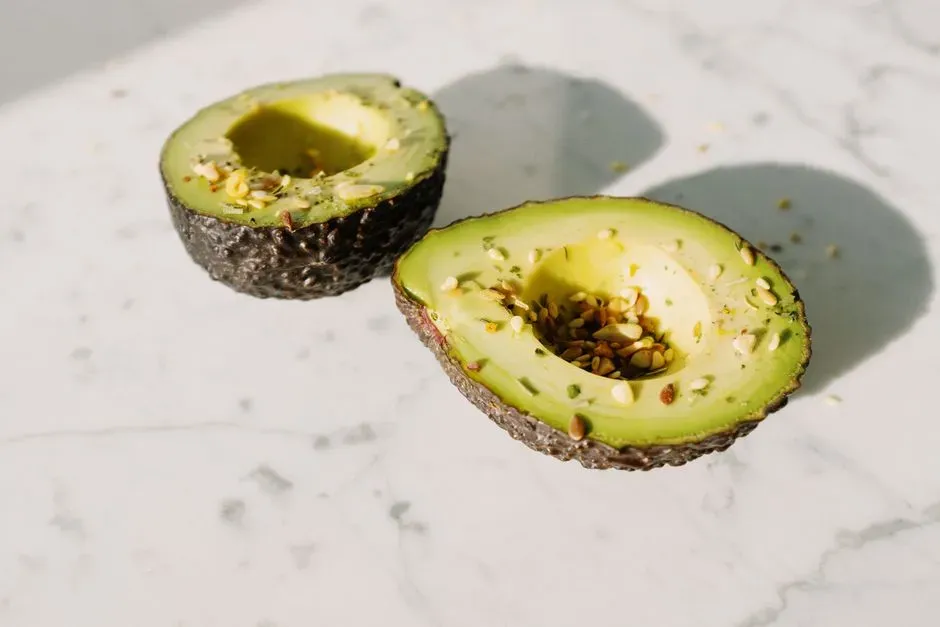
1. Eating Fat Makes You Fat (Image Credits: Pexels)
One of the most persistent myths in nutrition is that eating fat makes you fat. This misconception led to decades of low-fat diet trends, but research now shows that healthy fats are essential for hormone production, vitamin absorption, and satiety. The word "fat" in food and "fat" on the body are not the same thing, and treating them as interchangeable has caused a lot of confusion.
According to the Harvard T.H. Chan School of Public Health, weight gain occurs when a person consumes more calories than they burn, regardless of whether those calories come from fat, carbohydrates, or protein. Certain fats can actually help people feel full and satisfied longer, which may reduce overeating. Foods such as avocados, nuts, seeds, and olive oil contain healthy fats that are part of many balanced diets. Meanwhile, during the low-fat trend, many food manufacturers removed fat from products and replaced it with added sugars or refined carbohydrates, and research published in the New England Journal of Medicine later suggested this trade-off often failed to improve health outcomes.
2. Carbohydrates Are the Enemy of Weight Loss

2. Carbohydrates Are the Enemy of Weight Loss (Image Credits: Unsplash)
Carbohydrates are often seen as the enemy, but they're not the villain when it comes to weight gain. Like anything, it's all about balance and choosing the right kind. Weight gain happens when we eat more calories than we burn, whether they come from carbs, protein, or fats. The keto and carnivore movements have done a particularly effective job of demonizing an entire macronutrient group.
A 2024 meta-analysis confirmed that when protein and calories are equated, low-carb diets result in statistically similar fat loss to high-carb diets. Refined carbohydrates like sugar and white flour spike insulin and encourage overeating due to low satiety, while complex carbohydrates like oats, quinoa, and tubers are high in fiber and essential for gut health. The type of carbohydrate matters far more than the carbohydrate itself.
3. Breakfast Is the Most Important Meal of the Day
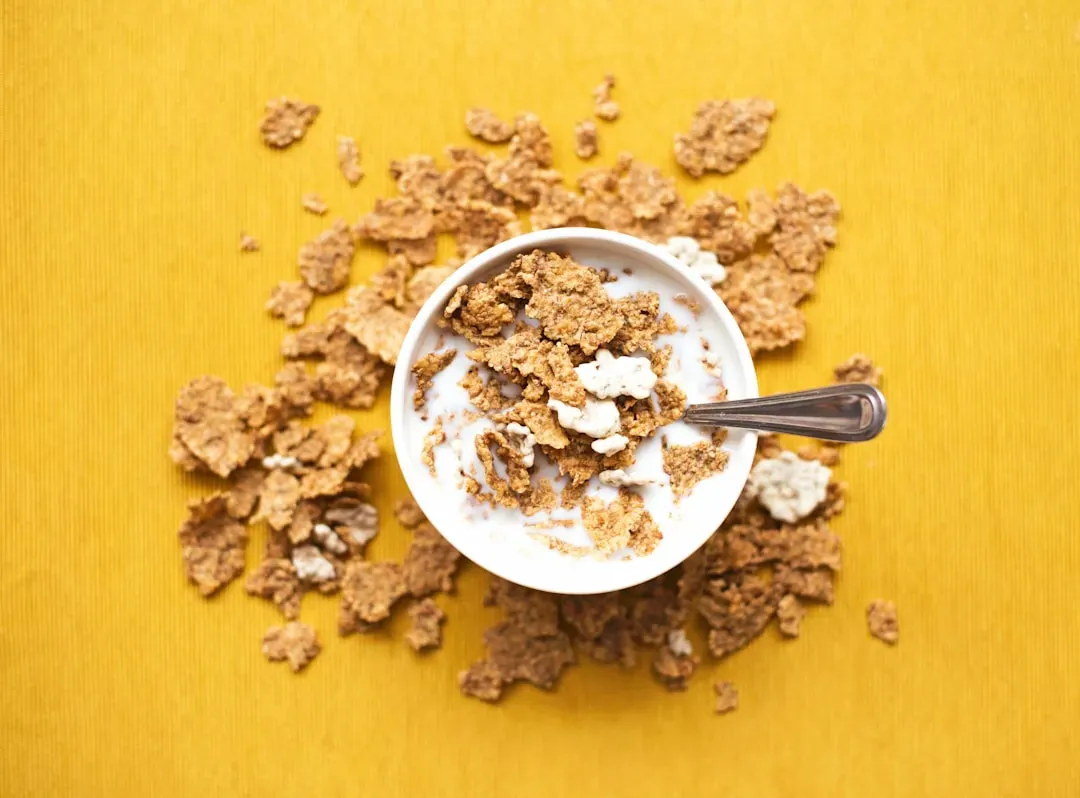
3. Breakfast Is the Most Important Meal of the Day (Image Credits: Unsplash)
Kellogg's introduced the phrase "breakfast is the most important meal of the day" as part of a campaign to promote plain cereal as a wholesome, moral start to the morning. It stuck. For decades, nutritional guidelines echoed the message, and observational studies seemed to back it up: people who ate breakfast tended to weigh less and have fewer chronic diseases. But those studies had a significant blind spot.
Early studies linking breakfast to better weight control and academic performance were largely observational, not causal. People who ate breakfast tended to have healthier lifestyles overall: better sleep, higher income, more stable routines, and access to nutritious food. Breakfast itself was not necessarily the cause – it was a marker. When randomized controlled trials were conducted, the picture changed. Multiple studies found that skipping breakfast does not inherently slow metabolism. Total daily calorie intake matters far more than meal timing.
4. Fresh Vegetables Are Always More Nutritious Than Frozen Ones

4. Fresh Vegetables Are Always More Nutritious Than Frozen Ones (Image Credits: Pexels)
While there is a longstanding belief that "fresh is best," research suggests that frozen, canned, and dried fruits and vegetables can provide just as much nutrition as fresh produce. The assumption that the fresh broccoli at the supermarket is nutritionally superior to its frozen counterpart doesn't quite survive scrutiny.
Fresh spinach may travel for two weeks on a truck, sitting under oxidation-inducing lights in a supermarket, losing a substantial portion of its Vitamin C. Frozen produce is picked at peak ripeness and flash-frozen within hours, locking in the nutrient profile. Frozen options are also often cheaper and help reduce food waste. Both fresh and frozen, as well as canned and dried, fruits and vegetables are nutritious choices and count towards your recommended daily intake.
5. You Need to Drink Eight Glasses of Water a Day

5. You Need to Drink Eight Glasses of Water a Day (Image Credits: Unsplash)
The 8×8 rule has surprisingly shaky origins. It's often traced back to a 1945 US Food and Nutrition Board report recommending 2.5 liters of water daily, but the important caveat that food supplies some of this water was lost in translation, and the simplified "8 glasses" message stuck. It's one of those rules that sounds precise but was never really grounded in solid science.
Today, no major health authority recommends a fixed 8-glass target, nor do they insist on plain water. Coffee, tea, milk, juices, and soft drinks all count, and the old claim that caffeinated beverages dehydrate has been debunked. One study found that moderate coffee consumption does not cause dehydration compared to water in individuals who regularly consume coffee. Rather than stressing over specific hydration targets, thirst is usually a reliable guide for healthy adults.
6. Gluten-Free Eating Is Healthier for Everyone
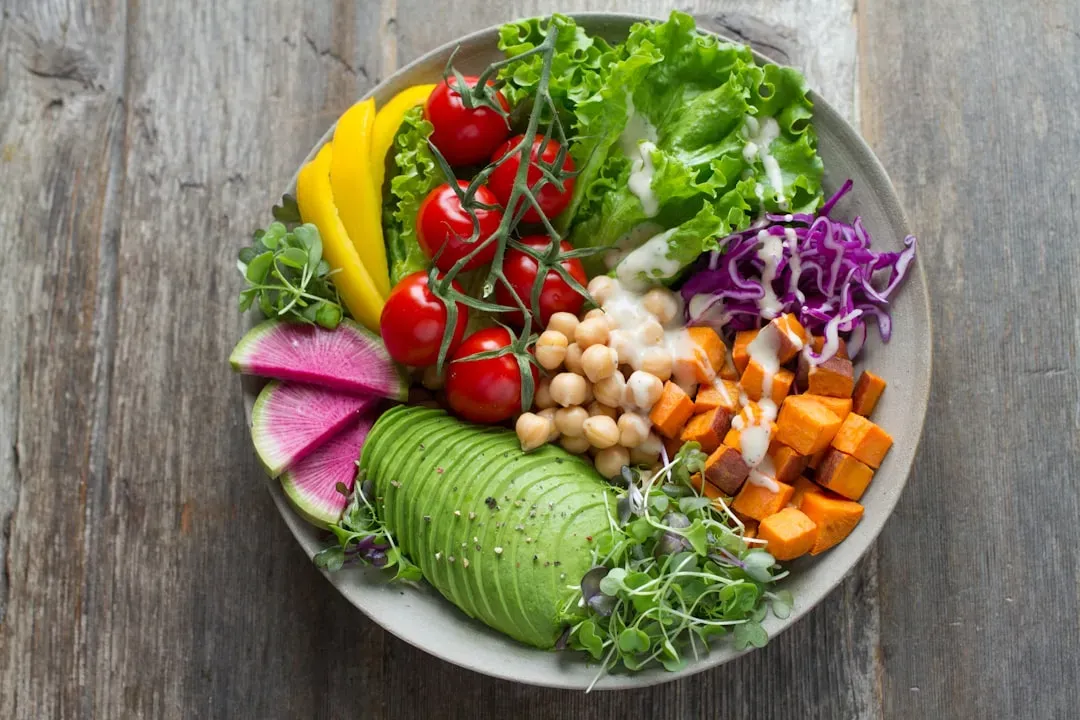
6. Gluten-Free Eating Is Healthier for Everyone (Image Credits: Unsplash)
True gluten intolerance, known as celiac disease, is a serious autoimmune condition in which gluten triggers the immune system to attack the small intestine. Symptoms go far beyond bloating and can include fatigue, anemia, and joint pain, but celiac disease affects only about one percent of the population. For the vast majority of people, there is no medical reason to avoid gluten.
For non-celiacs, gluten-free processed foods are often nutritionally inferior. Unless you have celiac disease or non-celiac gluten sensitivity, avoiding gluten has no proven benefit. Whole-wheat products have great nutritional benefits, including essential B vitamins and fiber. Consumers should be mindful when manufacturers remove gluten, as additional sugar, salt, or refined starches are often added to make up the difference in flavor and texture.
7. Organic Food Is Significantly More Nutritious
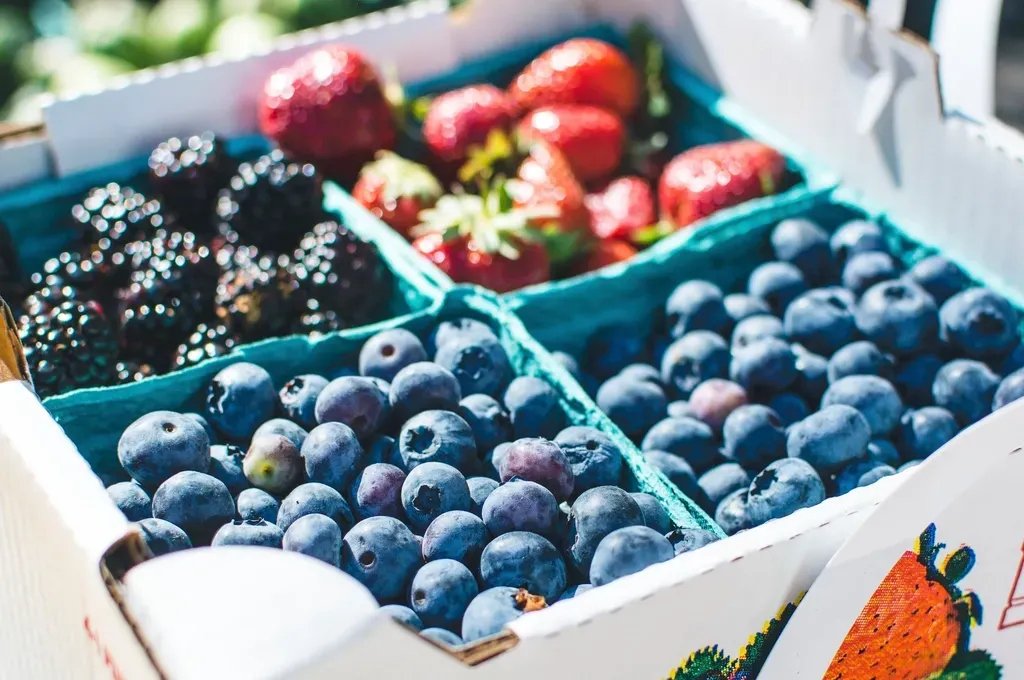
7. Organic Food Is Significantly More Nutritious (Image Credits: Rawpixel)
Roughly four in ten Americans say at least some of the food they eat is organic, so quite a few eaters clearly believe it is superior. However, there is no reliable evidence showing that organically grown foods are more nutritious or safer to eat. In 2012, a review of data from 237 studies conducted at Stanford University's Center for Health Policy concluded there were no convincing differences between organic and conventional foods in nutrient content or health benefit.
A large review of studies in 2024 found that there isn't enough evidence to make firm conclusions that eating a diet rich in organically grown fruits and vegetables is healthier than eating those grown non-organically. In other words, both organic and non-organic produce can give your body the nutrients it needs to stay healthy. Organic foods often cost more, which can make them harder to fit into a food budget. If the choice is between buying a small amount of organic produce or a larger variety of affordable non-organic produce, you'll get more health benefits from simply eating enough fruits and vegetables every day, no matter how they're grown.
8. Eating Late at Night Causes Weight Gain

8. Eating Late at Night Causes Weight Gain (Image Credits: Pexels)
While late-night snacking can lead to weight gain or prevent weight loss, it's not because of the time on the clock. Instead, it's about why you're eating. It's common to reach for food for reasons other than physical hunger in the evening, whether it be a habit, boredom, or craving. The body doesn't suddenly flip into fat-storage mode after 8pm; the calories are still the same calories.
The reason night eating is associated with obesity is behavioral, not physiological. People rarely binge on steamed broccoli at midnight; they tend to binge on calorie-dense, low-satiety foods while sedentary on the couch. The issue isn't the clock on the wall. It's the pattern and the choices that tend to follow it.
9. Detox Diets and Cleanses Remove Toxins from the Body

9. Detox Diets and Cleanses Remove Toxins from the Body (Image Credits: Pexels)
There's little evidence that dietary cleanses do any of the things they promise. The fact is you don't need to purchase a product to cleanse your body. Your liver, kidneys, and gastrointestinal tract do a good job of detoxing it every day. The word "detox" has become so loosely used in wellness marketing that it has almost lost meaning entirely.
Detox diets and cleanses represent another category of nutrition mythology. Your liver, kidneys, and lymphatic system are constantly detoxifying your body and you don't need expensive juices or restrictive cleanses to help them do their job. These extreme approaches often lead to nutrient deficiencies, muscle loss, and metabolic slowdown. If you genuinely want to support your body's natural detoxification systems, the most effective approach is simply eating more whole foods and reducing highly processed ones.
10. Skipping Meals Is a Good Strategy for Losing Weight
10. Skipping Meals Is a Good Strategy for Losing Weight (Image Credits: Unsplash)
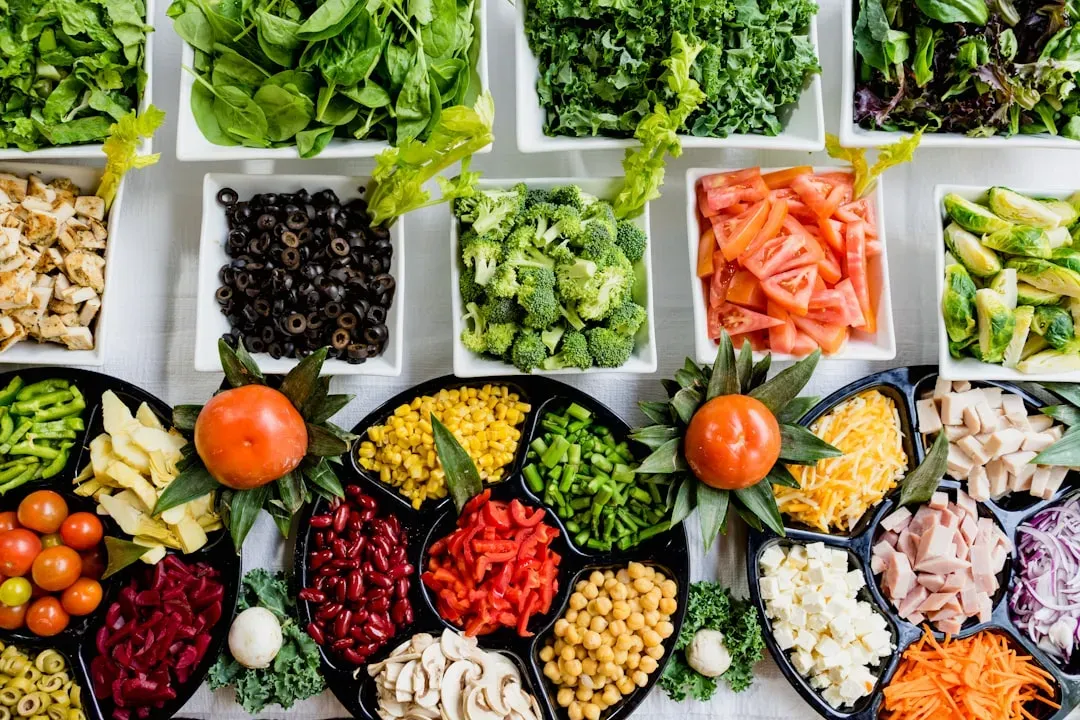
One of the most persistent nutrition myths is that skipping meals can help with weight loss. However, research shows that skipping meals can lead to weight gain instead. When you skip meals, your body's metabolism slows down to conserve energy, and you are more likely to overeat at your next meal. Instead of skipping meals, focusing on consuming a balanced diet with appropriate calorie intake better supports healthy weight management.
These myths prey on the fear that metabolism is a fragile machine that will break if you don't adhere to a strict schedule. True starvation mode is rare in developed nations. Many people believe that if they eat too little, their body will "hold onto fat," which is a misunderstanding of how metabolic adaptation actually works. Consistency, food quality, and overall calorie balance matter far more than any rigid meal-skipping protocol.
Most nutrition myths survive not because of science, but because they offer simple answers to genuinely complex questions. The human body is adaptive, individual, and far more forgiving than many diet rules suggest. Paying more attention to whole foods, reasonable portions, and how your body actually responds will usually outperform any rigid rule lifted from a wellness trend.