
Nobody says it out loud, but the moment a car turns onto your street, an assessment begins. Guests, delivery drivers, even the mail carrier form quiet impressions before they ever reach your front door. Most of these judgments have nothing to do with wealth and everything to do with small, everyday details that reveal how a block actually lives.
1. The condition of the lawns and yards
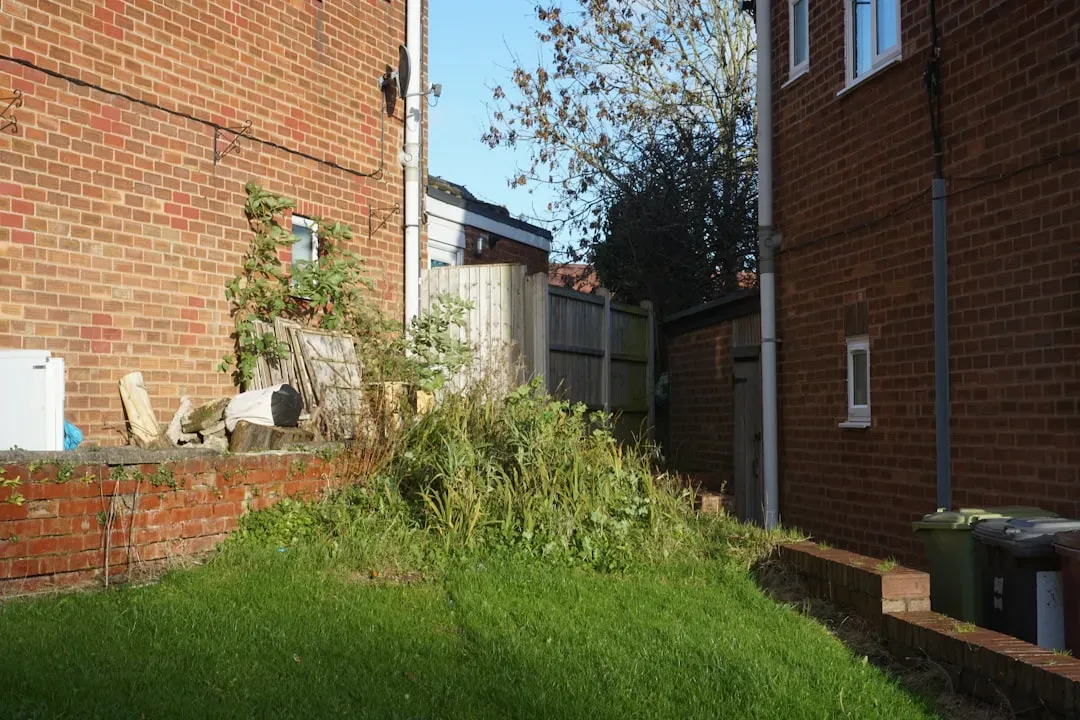
1. The condition of the lawns and yards (Image Credits: Unsplash)
A neighborhood's yards are the first thing anyone notices, often before they consciously register it. Overgrown grass, patchy dirt, or a yard littered with unused equipment signals neglect, while a simple, tidy lawn suggests residents who care about upkeep without needing to overdo it. This isn't about competing for a magazine spread. It's about consistency, since one wildly unkept yard next to several tidy ones tends to stand out more than any single perfect lawn ever would.
Visitors also clock small details like edging along sidewalks, whether hedges are trimmed, and if dead plants have been removed. These cues suggest whether a household is paying attention to shared visual space, not just their own private one. A slightly imperfect yard reads as lived in and human, but a genuinely abandoned one raises questions about the whole street's sense of pride.
2. How well the streets and sidewalks are maintained
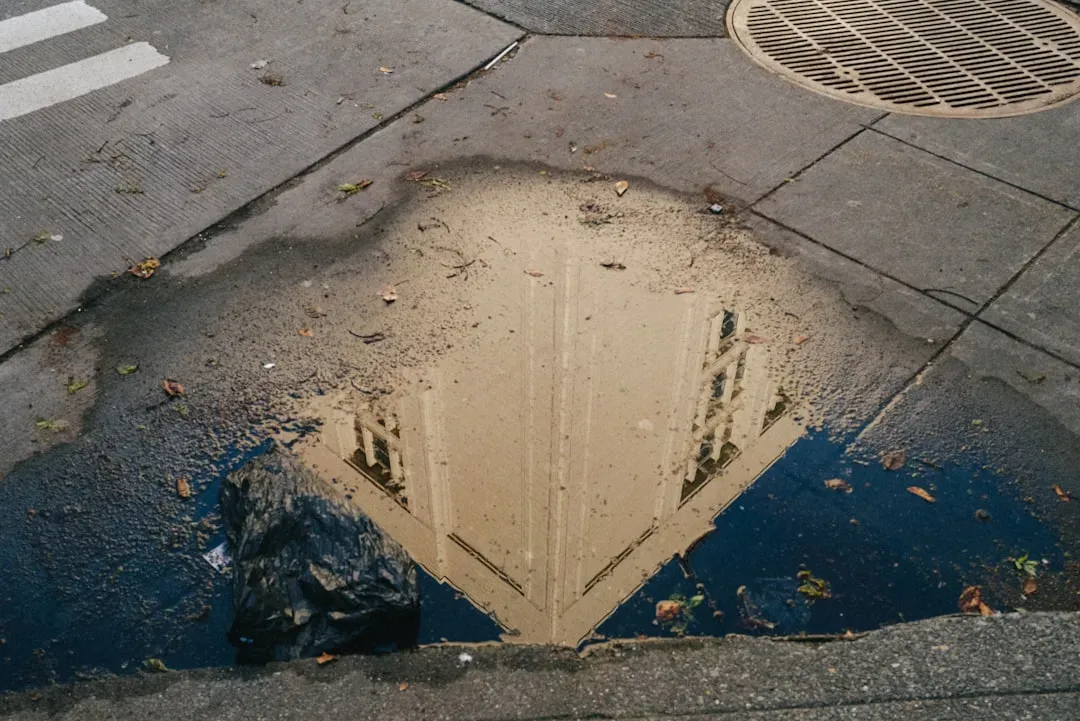
2. How well the streets and sidewalks are maintained (Image Credits: Unsplash)
Cracked pavement, faded lane markings, and potholes left unpatched for months tell visitors something about local government responsiveness and community advocacy. Streets that look cared for, even in older or modest neighborhoods, suggest a functioning relationship between residents and city services. People also notice whether sidewalks are clear and walkable, since a wheelchair user, stroller, or elderly walker who has to detour into the street due to obstructions makes a visible statement about accessibility priorities.
Snow removal, leaf cleanup, and storm debris handling are quieter but telling indicators too. Neighborhoods that clear these things quickly after bad weather generally have stronger civic coordination, whether through an active homeowners association or simply neighbors who look out for one another. Slow or inconsistent upkeep, by contrast, often hints at disengagement or disputes over whose responsibility it actually is.
3. The presence and behavior of visible security measures

3. The presence and behavior of visible security measures (Image Credits: Unsplash)
Ring doorbells, security cameras, and yard signs from alarm companies have become so common that their absence now stands out just as much as their presence. Visitors often read heavy security signage as a sign of concern about crime, while a complete lack of any visible security can read as either trust in the area or simple complacency. Either interpretation shapes how outsiders perceive safety on a given street.
Excessive fencing, barred windows, or motion-sensor floodlights aimed aggressively at the street can also unintentionally suggest a neighborhood on edge. On the other hand, open porches, unlocked gates, and kids playing outside unsupervised by anxious parents signal a different kind of comfort, one built on familiarity rather than surveillance. Both extremes get noticed, and both get quietly interpreted.
4. Noise levels at different times of day
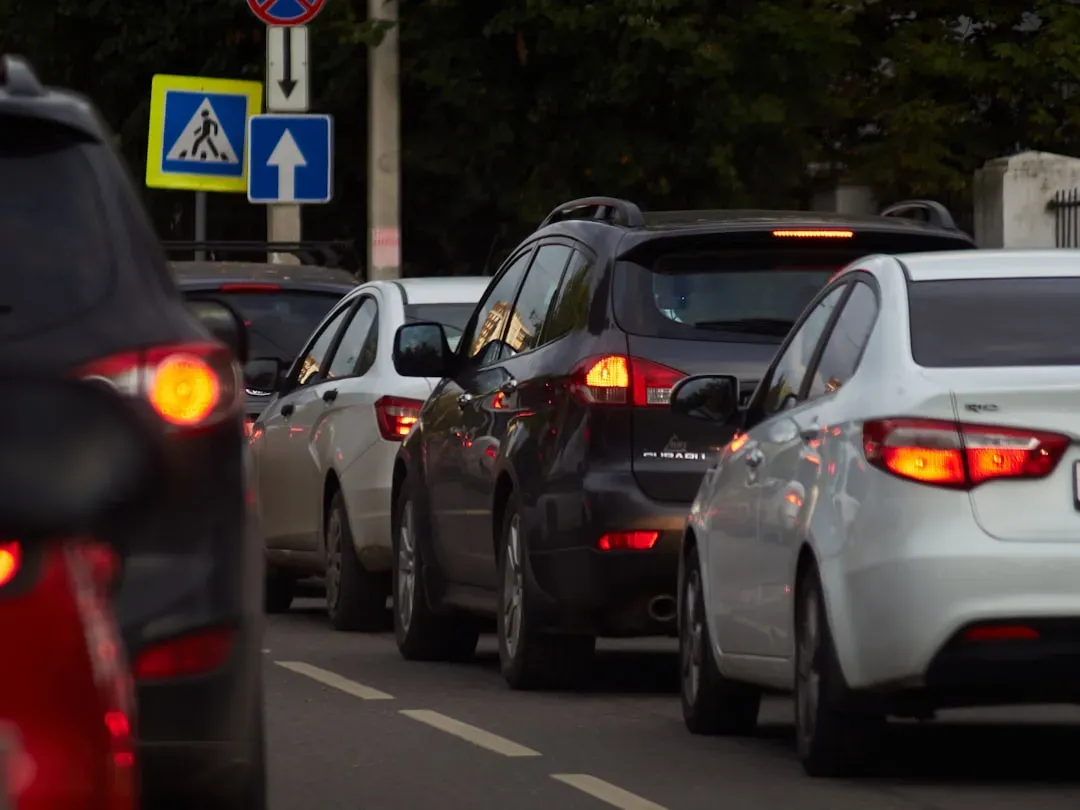
4. Noise levels at different times of day (Image Credits: Unsplash)
Barking dogs, loud music, or constant traffic noise during a visit shape a lasting impression far more than most homeowners realize. A neighborhood that's eerily silent can feel unwelcoming or even suspicious to some visitors, while one that's a bit lively with kids playing or neighbors chatting outside often feels more inviting. The key factor isn't the noise itself but whether it seems appropriate for the time of day.
Construction noise, especially unpermitted or late-evening work, tends to draw the sharpest judgment since it suggests either a lack of enforcement or a lack of consideration among residents. Visitors also notice ambient background sounds like nearby highways or airport flight paths, factoring these into their broader sense of whether the area feels calm or chaotic. These impressions often stick longer than almost anything visual.
5. How cars and driveways are managed
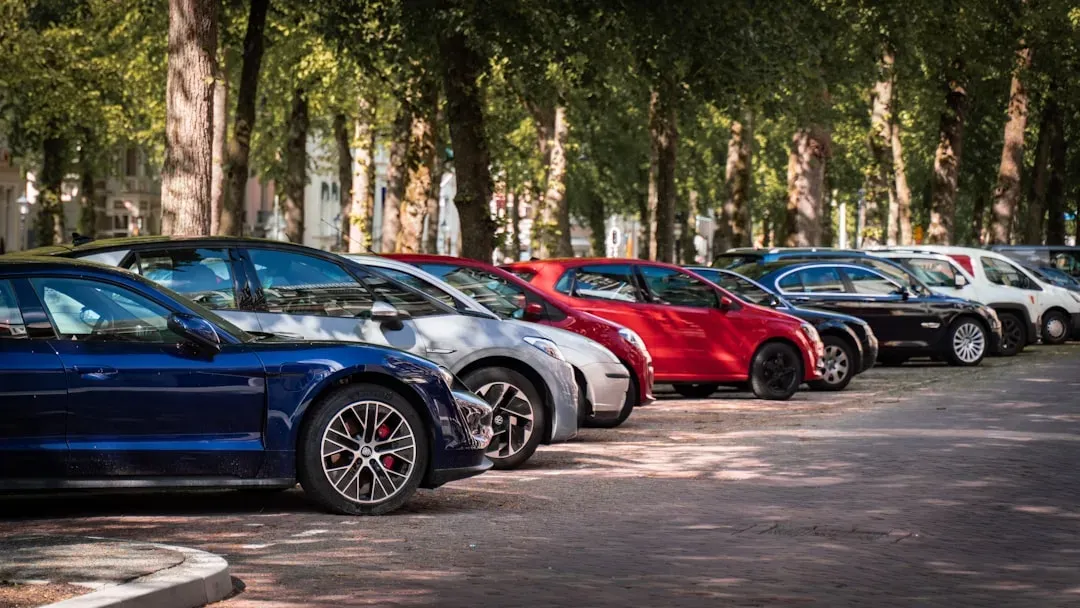
5. How cars and driveways are managed (Image Credits: Unsplash)
Visitors quietly register whether driveways are used as intended or have become storage for broken vehicles, boats, or unused trailers. A street lined with cars parked haphazardly on lawns or blocking sidewalks suggests either insufficient parking infrastructure or a lack of consideration for shared space. Clean, organized parking, even in tight urban blocks, tends to read as a sign of order.
Visible car maintenance issues, like vehicles up on blocks or leaking fluid stains on pavement, get noticed too, often more than residents expect. These details don't necessarily reflect income level, since even modest neighborhoods can keep this tidy with a bit of effort. What visitors are really responding to is whether the street feels actively managed or simply left to sort itself out.
6. The state of trash, recycling, and curb appeal on collection day
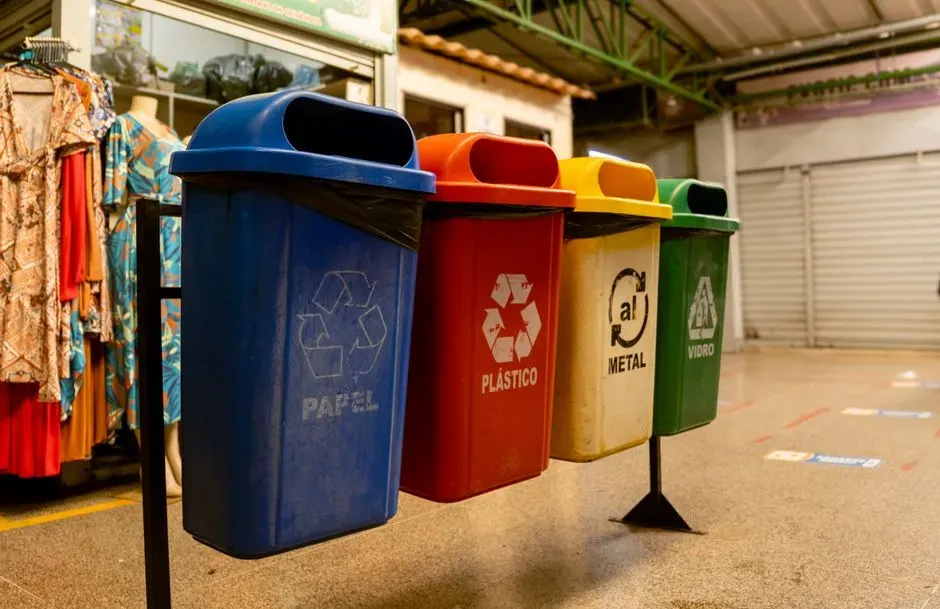
6. The state of trash, recycling, and curb appeal on collection day (Image Credits: Pexels)
Trash cans left out for days after pickup, overflowing bins, or litter scattered along curbs create one of the fastest negative impressions a neighborhood can generate. Visitors passing through on a random weekday often catch this exact scene, since it happens more frequently than most residents realize. A street where bins are promptly returned and litter is minimal signals a baseline level of communal responsibility.
Recycling participation is another quiet marker people notice, particularly in areas where local governments have pushed sustainability initiatives in recent years. Neighborhoods with visible recycling bins alongside trash cans suggest engagement with broader community and environmental expectations. It's a small detail, but it adds up to an impression of whether residents are paying attention beyond their own front door.
7. The mix and upkeep of local businesses nearby

7. The mix and upkeep of local businesses nearby (Image Credits: Unsplash)
Empty storefronts, boarded windows, or a string of shuttered shops near a residential area send a strong signal about economic health, even if the homes themselves look fine. Visitors often extend judgments about a business district directly onto the surrounding neighborhood, assuming one reflects the other. A thriving corner store, an active coffee shop, or a well kept small business row does the opposite, suggesting stability and investment.
The variety of businesses matters too. A neighborhood with only fast food chains and dollar stores reads differently than one with a mix of independent shops, grocery options, and local restaurants. This isn't necessarily fair, since retail vacancy is often driven by rent costs and broader market forces rather than anything residents control, but the visual impression still shapes outsider perception.
8. How well common or shared spaces are maintained
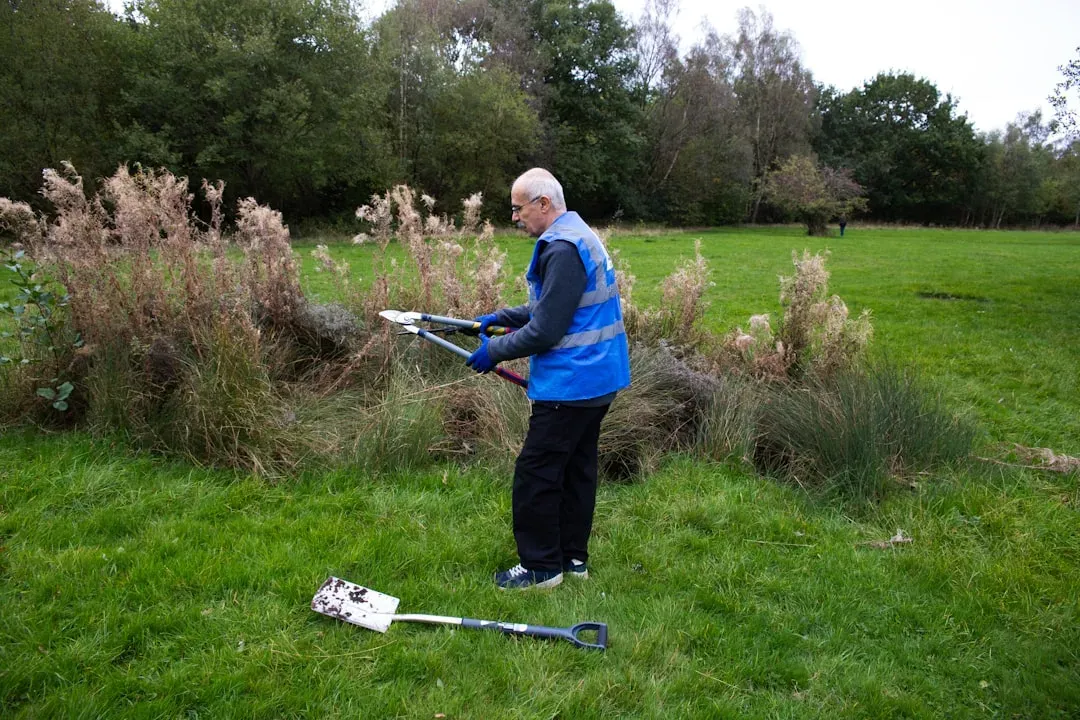
8. How well common or shared spaces are maintained (Image Credits: Unsplash)
Community parks, playgrounds, and shared green spaces act almost like a report card for a neighborhood, since their condition depends heavily on collective care rather than any single household. Rusted playground equipment, patchy grass, or graffiti in a public park suggests underinvestment or disengagement, while a clean, active park signals the opposite. Visitors, especially those with kids, tend to weigh this heavily when forming an opinion.
Shared amenities like community pools, mailbox clusters, or HOA-managed entrances get the same scrutiny. A broken community sign left unrepaired for months, or a pool that's visibly neglected during peak season, tells a story about whether shared responsibilities are actually being handled. These spaces are judged not just on appearance but on what their condition implies about resident involvement.
9. The visible diversity or uniformity among neighbors
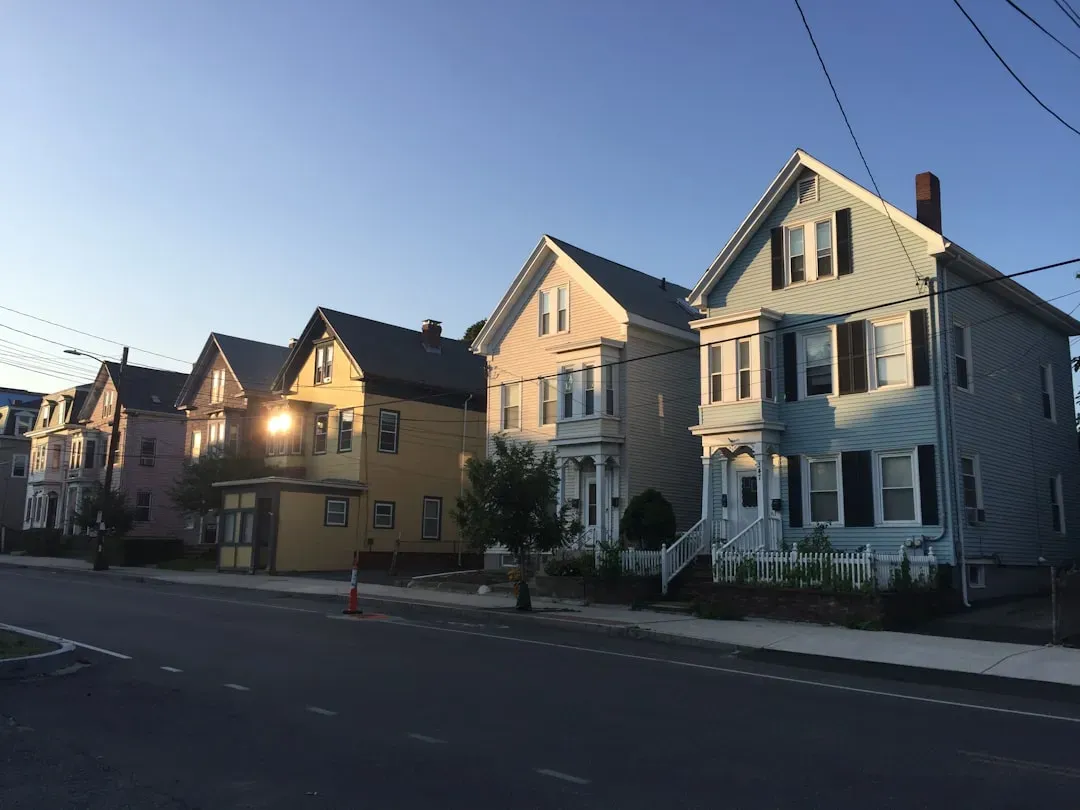
9. The visible diversity or uniformity among neighbors (Image Credits: Unsplash)
Whether consciously or not, visitors often scan a neighborhood for signs of who lives there, from the types of vehicles parked outside to yard decor, flags, or seasonal displays. A street that shows a range of styles, ages, and interests can feel more dynamic and welcoming to some, while a highly uniform block can feel either impressively cohesive or slightly sterile depending on the observer. Neither reaction is universal, but the contrast gets noticed almost immediately.
This extends to how homes are personalized, since a mix of architectural styles or creative landscaping choices suggests a neighborhood with room for individuality. Strict uniformity, often enforced by homeowners associations, can project order and consistency but sometimes reads as restrictive to outside visitors. Either way, this visible texture becomes part of the unspoken read on a community's character.
10. The general sense of activity and community life

10. The general sense of activity and community life (Image Credits: Unsplash)
Whether people are out walking dogs, chatting on porches, or gathering informally on a weekend afternoon, visible signs of community activity shape a visitor's gut reaction more than almost anything else on this list. A neighborhood that feels empty and inward-facing, even if physically well kept, can strike outsiders as isolating. One with visible interaction, even small gestures like a wave between neighbors, tends to feel warmer immediately.
Seasonal decorations, community bulletin boards, or signs advertising local events also hint at whether a neighborhood has an active social fabric. These small markers suggest organized effort and shared identity, things that are hard to fake and easy to notice. In the end, this sense of life is often what people remember longest after leaving, more than any single house or yard they passed.
Every one of these details gets absorbed quickly and mostly without conscious effort, forming a composite impression long before anyone rings a doorbell. None of it requires perfection, since most visitors are simply reading for signs of care, consistency, and community rather than luxury or polish.