
Every 26 seconds, a burglary is reported somewhere in the United States, and a surprising share of those break ins trace back to small, everyday habits rather than sophisticated criminal planning. Property experts, from real estate agents to home insurers and former burglars turned consultants, keep circling back to the same overlooked culprits sitting in yards, porches, and driveways across the country. Some of these items invite theft, others quietly damage your home’s value or violate your insurance policy without you realizing it.
The list below draws on guidance from security specialists, sheriff’s departments, and property insurers who spend their careers studying exactly what makes a house look vulnerable, or worse, uninsurable. None of these fixes require major renovations. They just require noticing what’s already sitting outside your front door.
1. A spare key hidden under the mat or a fake rock
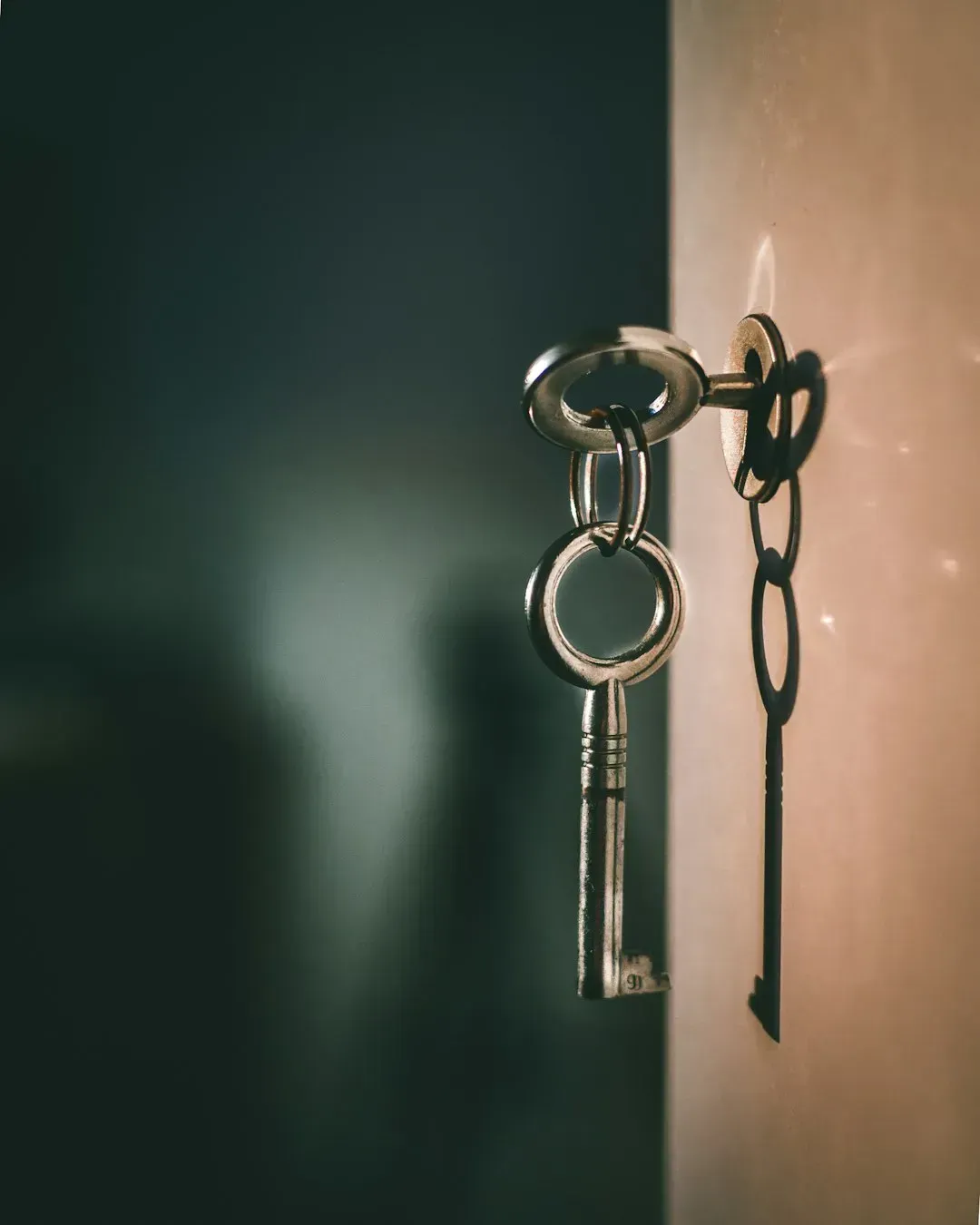
1. A spare key hidden under the mat or a fake rock (Image Credits: Unsplash)
It feels like a foolproof backup plan until you consider how predictable it actually is. Under a welcome mat or a decorative turtle in the garden may seem like the perfect spot to hide a spare key for the kids or in case you lock yourself out, but it’s also easy for would-be burglars to find. Locksmiths and police departments alike point out that experienced intruders check these exact spots first, because so many homeowners think alike.
Even if you have an armed security system, with key access a burglar can grab the nearest item of value and be long gone before the police show up. Property experts generally recommend leaving a spare with a family member who lives nearby or a trustworthy neighbor instead. A coded lockbox mounted well out of sight is a reasonable middle ground if you need physical backup access.
2. Empty electronics boxes by the curb
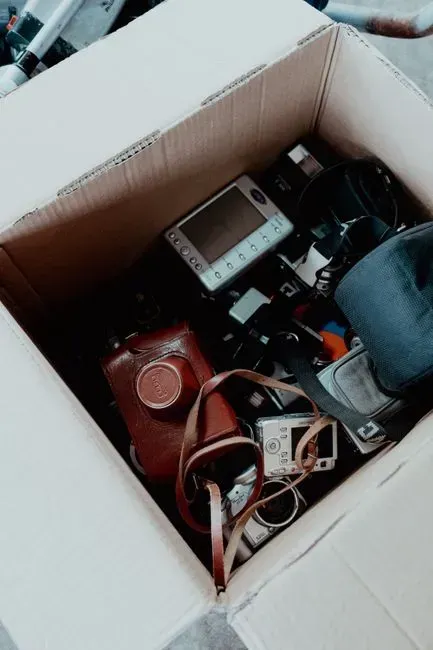
2. Empty electronics boxes by the curb (Image Credits: Pexels)
That flattened box from a new television or laptop tells anyone driving past exactly what just arrived at your address. Electronics are the second thing burglars go for after cash, which makes a home with visible packaging a very attractive target, according to a Nationwide Insurance study. It’s a small detail, but it functions almost like a billboard advertising what’s now sitting inside.
The fix takes less time than the unboxing itself. Breaking down large boxes and bundling them together so the labels can’t be seen only takes about thirty seconds with a cheap box cutter. Recycling bins deserve the same treatment, since rooting through trash and recycling can give thieves insight into what you own, particularly whether you’ve purchased any big ticket items.
3. Ladders, tools, and lawn equipment left out overnight
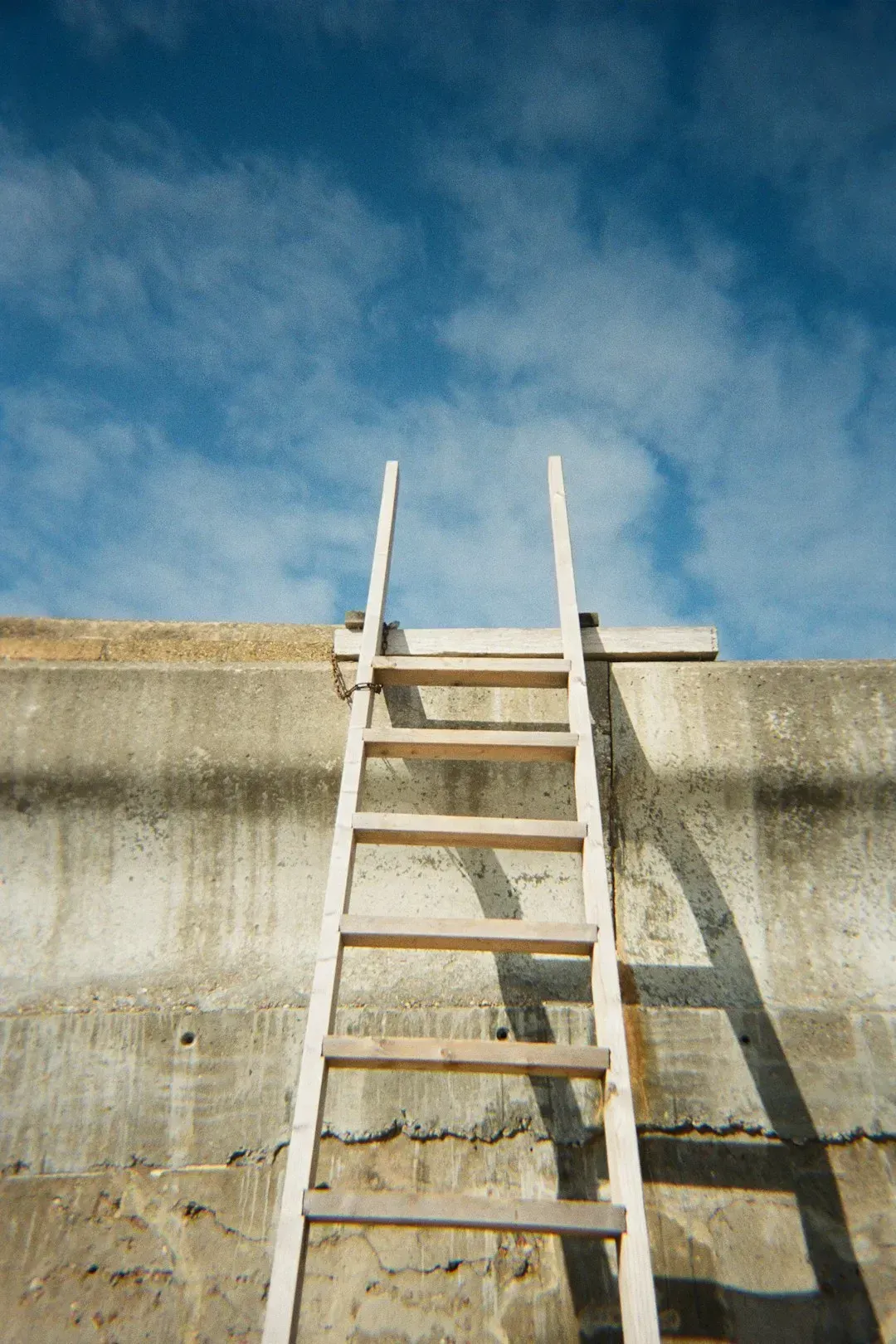
3. Ladders, tools, and lawn equipment left out overnight (Image Credits: Unsplash)
A ladder propped against the garage isn’t just an eyesore, it’s a tool that can be used against you. Ground floor windows and second story access points become far easier targets when a burglar has a ready made way to reach them, and most residential burglaries already happen through easily accessible entry points rather than forced windows on upper floors.
Beyond the security angle, there’s a practical maintenance case for storing gear away. Lawn mowers, barbecues, and bicycles are best stored out of sight, with garden sheds and garages kept locked at all times. Rain and temperature swings also shorten the lifespan of power tools and outdoor equipment far faster than most people expect.
4. Bicycles left unlocked in the driveway
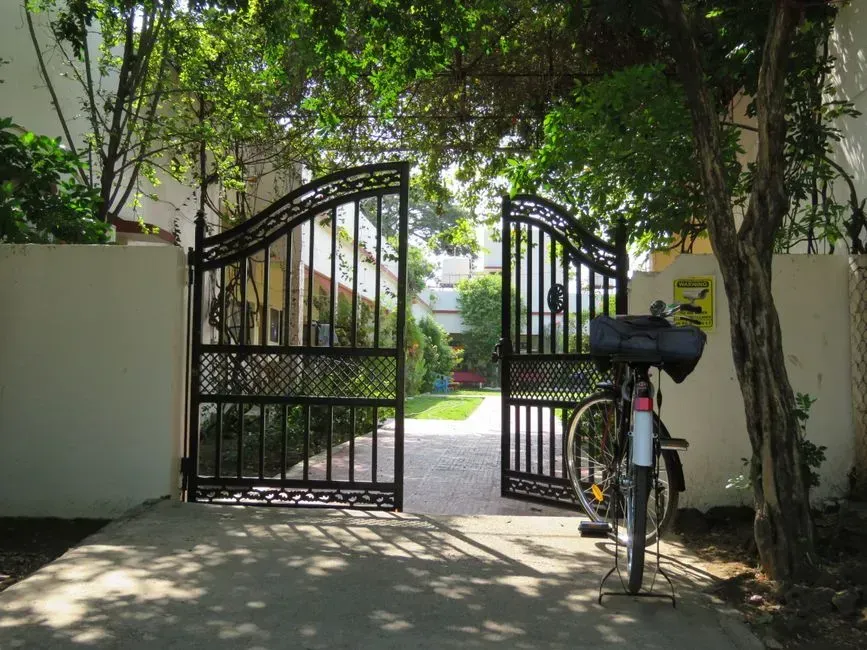
4. Bicycles left unlocked in the driveway (Image Credits: Pexels)
Bike theft is one of the more underreported property crimes in the country, partly because owners assume their own driveway is safe. More than 184,000 bicycles were reported stolen nationwide according to FBI data, and it’s likely many more went unreported. A bike sitting in plain view near the street is an easy grab and go target, especially in neighborhoods with foot or vehicle traffic passing by regularly.
The safest option mirrors what you’d already do at school or work. Just as you’d lock up a bike outside a business, it needs to be secured at home too, with the garage, a tucked away interior corner, or a backyard shed protecting it from theft as well as rain and snow that cause rust. A simple cable lock through the frame adds another layer even when it’s stored in a shed.
5. A garage door remote left inside a parked car

5. A garage door remote left inside a parked car (Ricky Flores, Flickr, <a href="https://creativecommons.org/licenses/by/2.0/" target="_blank" rel="noopener">CC BY 2.0</a>)
Car break ins are often opportunistic, and a garage remote sitting in the console turns a minor theft into a much bigger problem. Security guidance from police departments specifically warns against leaving the garage door opener in plain view inside a vehicle. Once someone has that remote, they effectively have a key to your home without needing to touch a lock or window at all.
Security consultants who specialize in physical vulnerabilities flag this as a recurring blind spot. If you use a remote control to open the garage, it’s worth making sure it’s stored securely and never left inside the car itself. Smartphone based garage control apps are increasingly popular precisely because they remove this risk entirely.
6. Overflowing mail, packages, and flyers
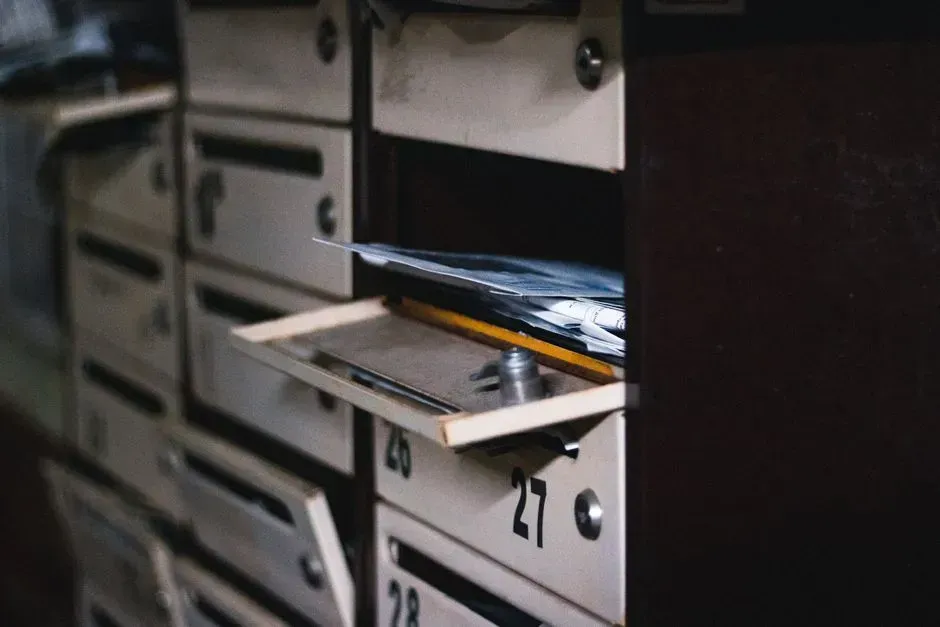
6. Overflowing mail, packages, and flyers (Image Credits: Pexels)
Nothing signals an empty house faster than a mailbox stuffed past capacity or a stack of delivery flyers piling up on the porch. A retired SWAT commander interviewed on the topic explained that he personally avoids leaving signs that a house is unattended, such as an overflowing mailbox, because it’s one of the clearest tells a property is empty. Property professionals treat this as one of the simplest, most effective giveaways to eliminate.
Package theft compounds the problem further. Porch piracy is one of the fastest rising crime trends, with nearly one third of people having had packages stolen and over half knowing someone who has, according to a Comcast survey. Holding mail at the post office or asking a neighbor to collect deliveries during travel closes this gap without much effort.
7. Valuables visible through windows or left on the patio
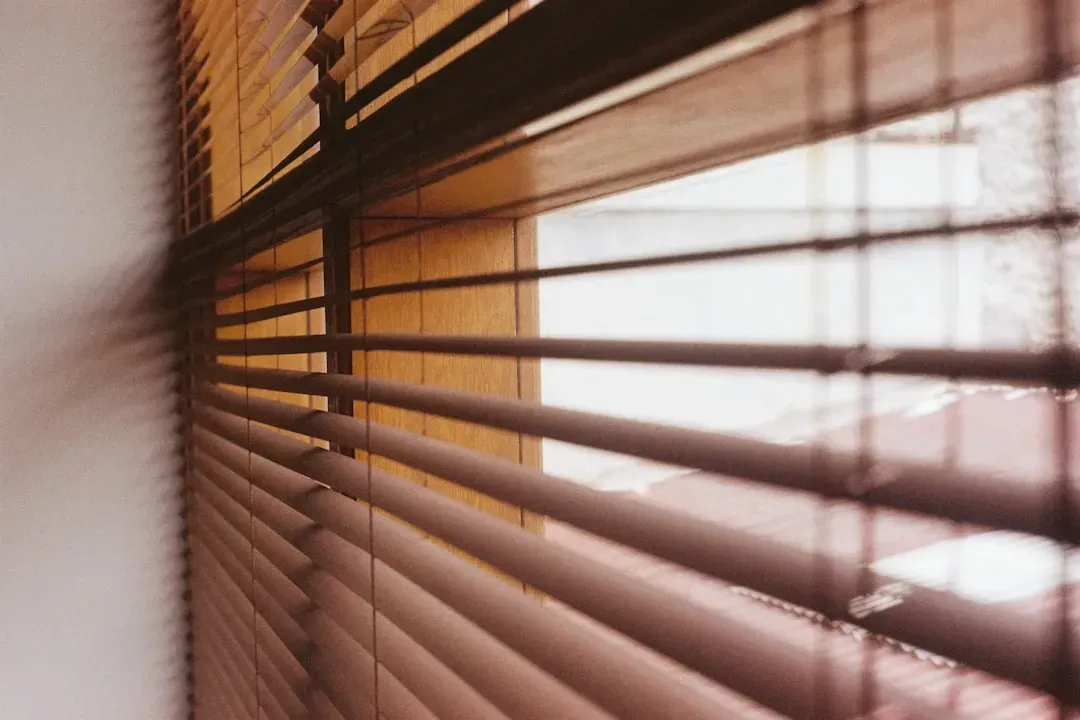
7. Valuables visible through windows or left on the patio (Image Credits: Unsplash)
Curtains and blinds do more than control sunlight, they control what strangers can learn about your home from the sidewalk. Drawing blinds ensures expensive items aren’t visible from outside, since burglars generally prefer to operate without being seen. Electronics, laptops, and even patio furniture with a premium look can quietly signal that a home is worth targeting.
Windows themselves are the more common method of surveillance than most people assume. Rather than using high tech scopes, burglars typically rely on windows, which offer a clear view of valuables and reveal whether a home has a security system or a dog. Rearranging furniture so screens and expensive items aren’t the first thing visible from the street is a small change with real impact.
8. Standing water in buckets, planters, or old furniture

8. Standing water in buckets, planters, or old furniture (Image Credits: Unsplash)
This one isn’t about theft at all, it’s about pests and property damage. Empty buckets, plant containers, bird baths, or pet bowls left outside can quickly fill in rainy weather, and standing water should never be left sitting in a yard. It doesn’t take long for stagnant water to become a genuine problem.
Mosquitoes in particular treat pooled water as prime real estate. Standing water becomes an attraction for mosquitoes, and once they lay eggs it can quickly turn into a breeding ground, so removing sources of moisture immediately is important, including keeping ponds and water features clean. Homeowners who want to collect rainwater anyway are better off using a proper covered rain barrel instead of open containers.
9. Trash, broken furniture, and general yard clutter
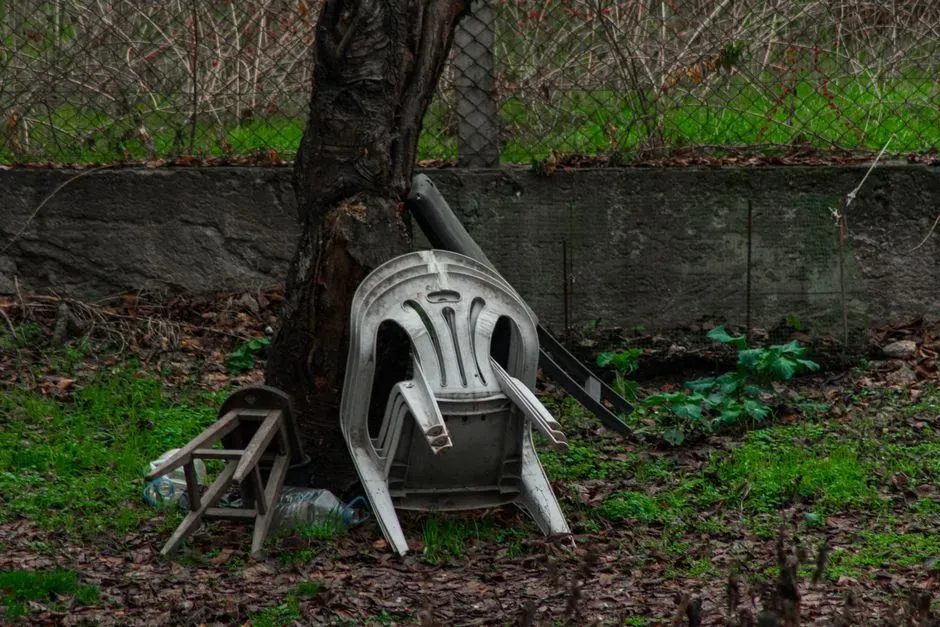
9. Trash, broken furniture, and general yard clutter (Image Credits: Pexels)
A yard that looks neglected does more damage to a property’s standing than most owners realize. Debris piling up, dismantled equipment, or furniture left to rot outside can affect how insurers view a property during underwriting, since policies often include maintenance conditions tied to coverage eligibility. It can also read to an inspector as a lack of upkeep rather than a temporary lapse.
There are practical consequences beyond insurance too. Piles of trash outside a home frequently draw complaints from neighbors and can lead to fines from a homeowners association or local government for violating debris ordinances. Keeping the yard clear isn’t just cosmetic, it protects both your coverage and your standing with the people living next door.
10. Unsecured sheds, gates, and side yard access points
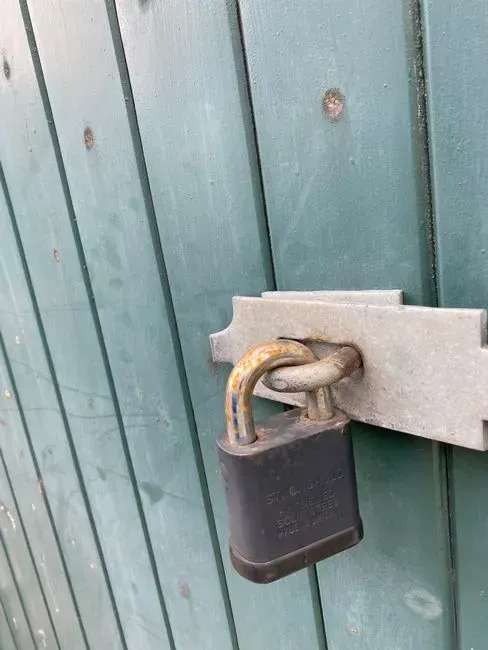
10. Unsecured sheds, gates, and side yard access points (Image Credits: Pexels)
Side gates and garden sheds are often the weakest link in an otherwise well protected home. Locks should be installed on gates, garages, and sheds, with an especially good side yard gate kept locked at all times. These access points don’t get the same attention as front doors, which is exactly why intruders target them first.
Garages deserve particular scrutiny since they’re frequently treated as an afterthought. Classic up and over garage doors can often be forced open in seconds, and once inside, many internal doors connecting the garage to the main house are left unlocked, giving intruders easy access. Adding a defender bar, motion sensors, or simply making sure the interior connecting door has its own deadbolt closes a gap that’s easy to overlook until it’s too late.